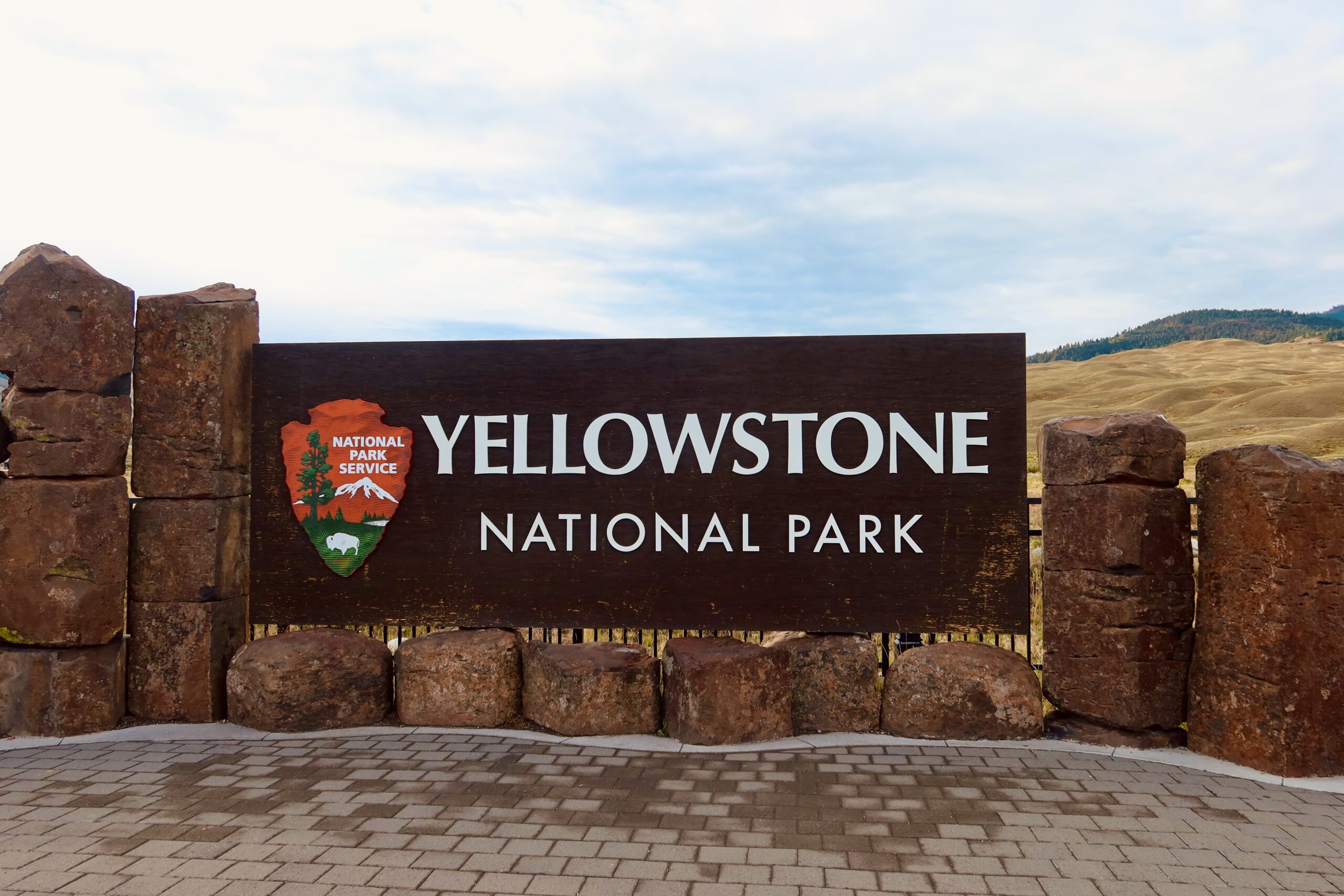


Yellowstone National Park was not just another stop on our American road trip, it was the moment where the landscape, the history, and the sheer scale of nature truly came together. Yellowstone National Park marked the transition from long highway miles to raw geothermal power, vast valleys, and one of the most important protected areas on Earth.
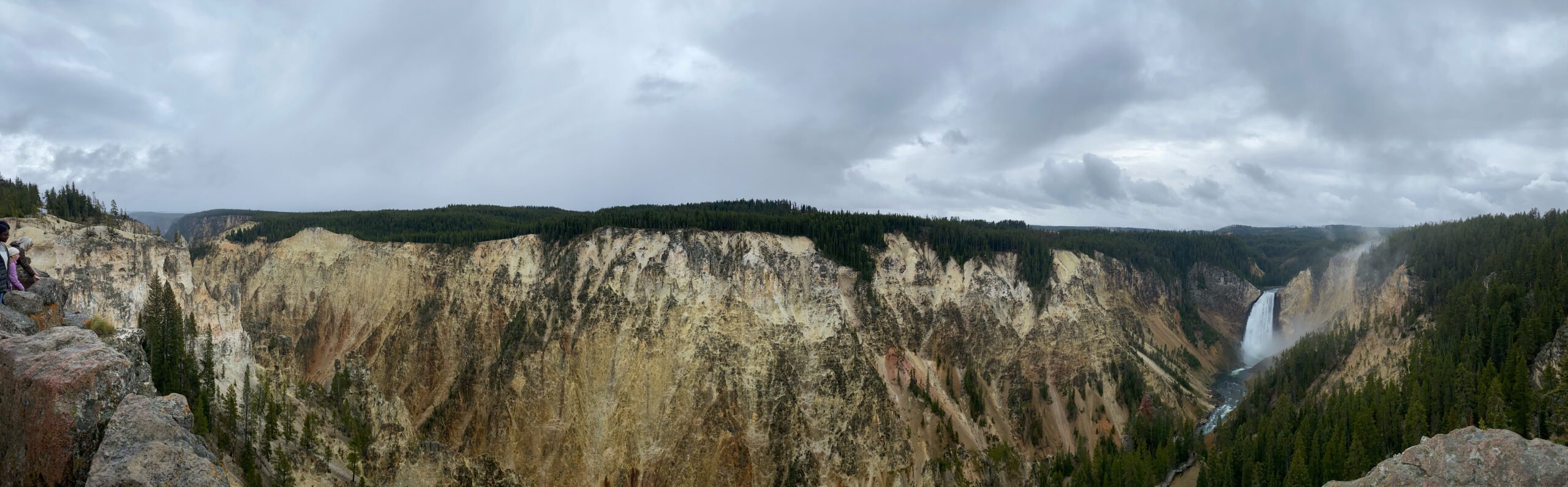
From Utah to Yellowstone, Entering Through the South
Our journey to Yellowstone National Park started in Sandy, Utah, near Salt Lake City. From there, we headed north, passing through Wyoming and driving straight through Grand Teton National Park. That stretch alone already feels cinematic, with sharp mountain peaks, wide open plains, and wildlife sightings along the road.
After Grand Teton, we entered Yellowstone National Park through the South Entrance. This route slowly introduces you to the park’s geothermal character. Steam rises from the ground, lakes appear out of nowhere, and the smell of sulfur hints at what lies beneath the surface. We continued our drive all the way north, following the park roads through multiple regions until we exited at the North Entrance.
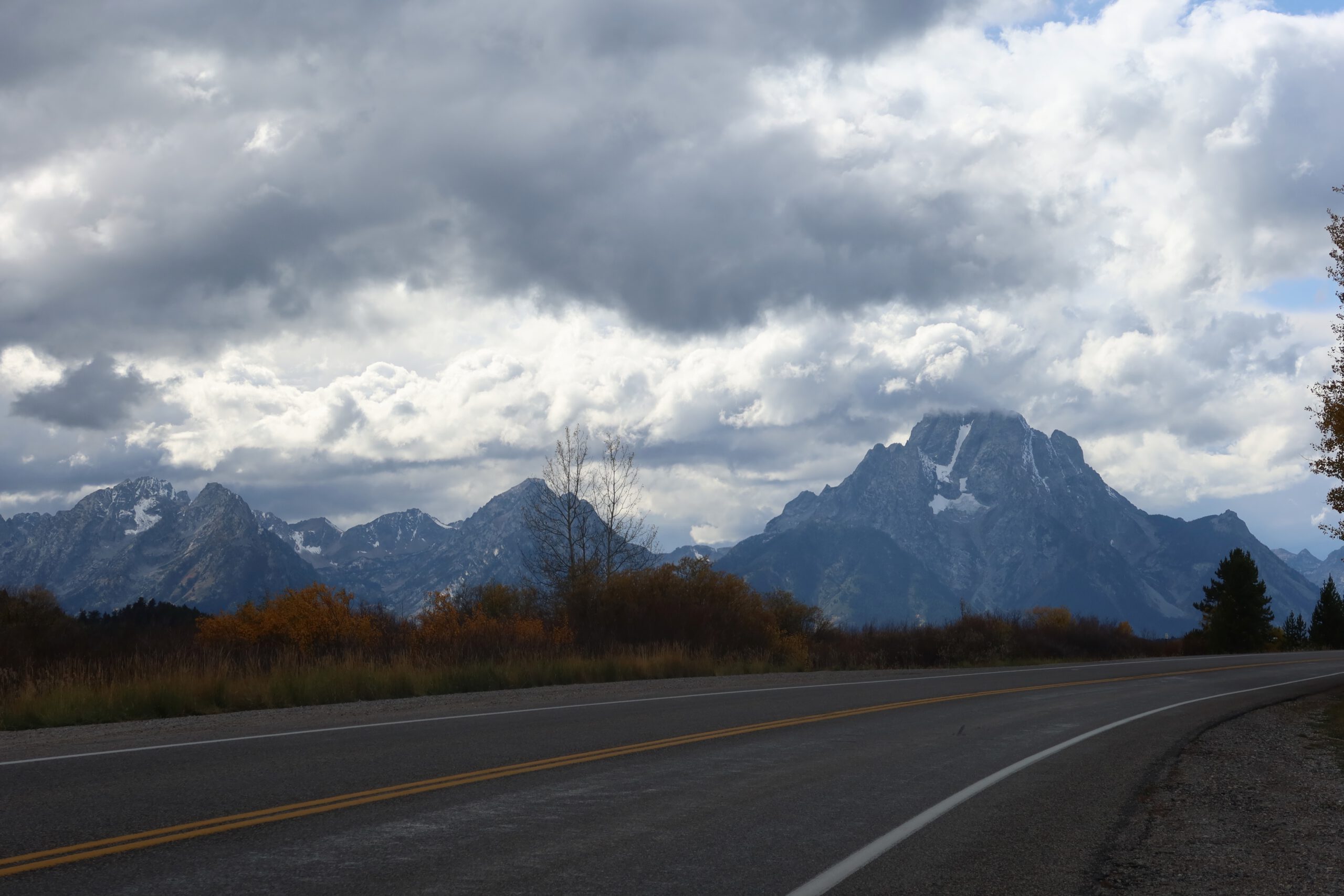
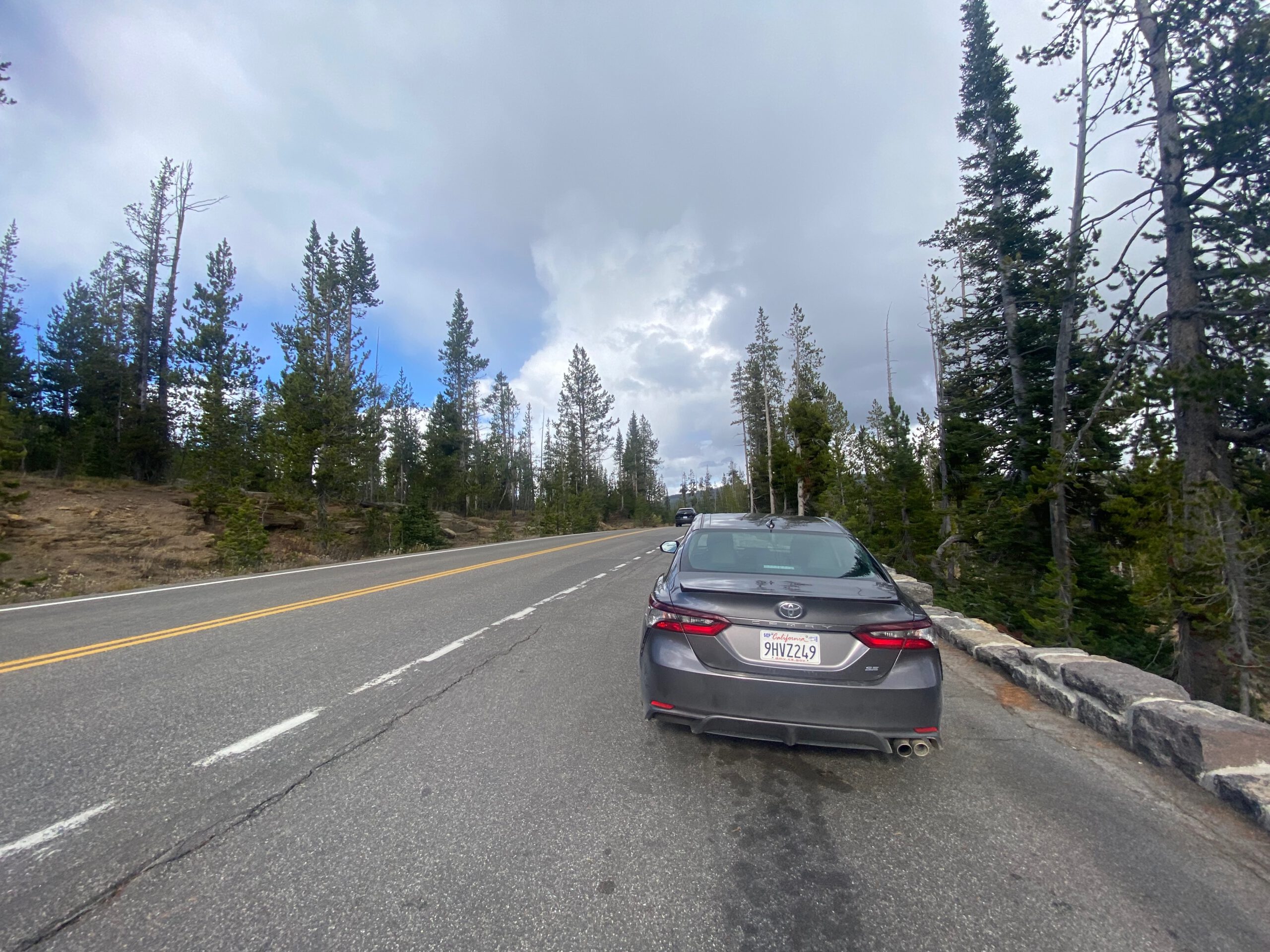
That northern exit brought us directly to Gardiner, Montana, our basecamp for exploring Yellowstone National Park. Here, we stayed at Park Hotel Yellowstone, a perfect location just outside the park boundary and an ideal place to unwind after full days inside Yellowstone National Park.
Yellowstone National Park, A Brief but Powerful History
Yellowstone National Park holds a unique place in world history. In 1872, Yellowstone National Park became the first national park ever established, not only in the United States, but globally. The idea was revolutionary at the time, protecting land not for private ownership, but for public enjoyment and preservation.
The park was created to safeguard its extraordinary geothermal features, dramatic landscapes, and abundant wildlife. Early explorers described boiling rivers, erupting geysers, and landscapes unlike anything seen elsewhere. These reports eventually convinced lawmakers that Yellowstone National Park deserved permanent protection.
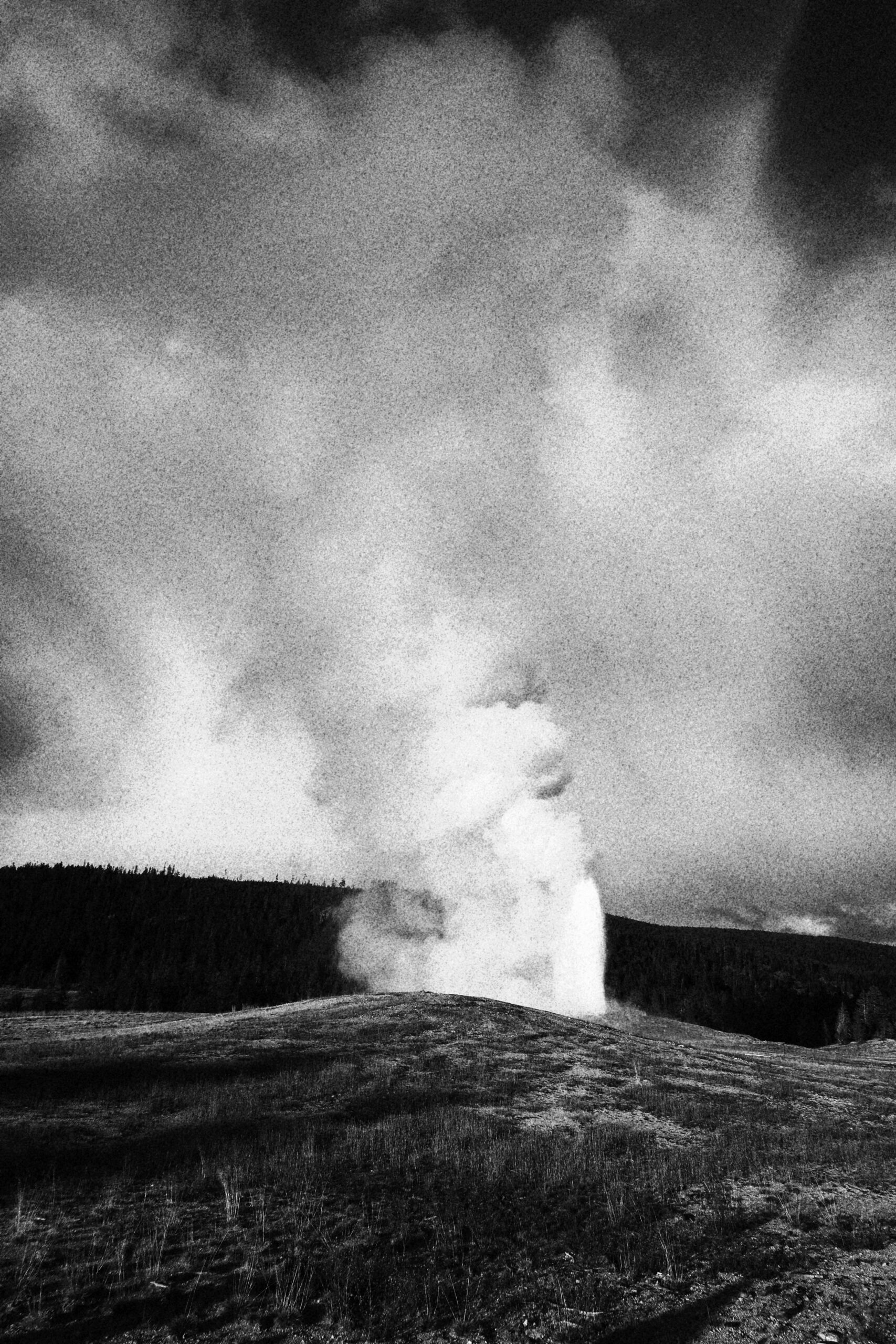
Today, Yellowstone National Park serves as the blueprint for national parks worldwide, proving that conservation and public access can coexist.
The Yellowstone Caldera, The Power Beneath the Park
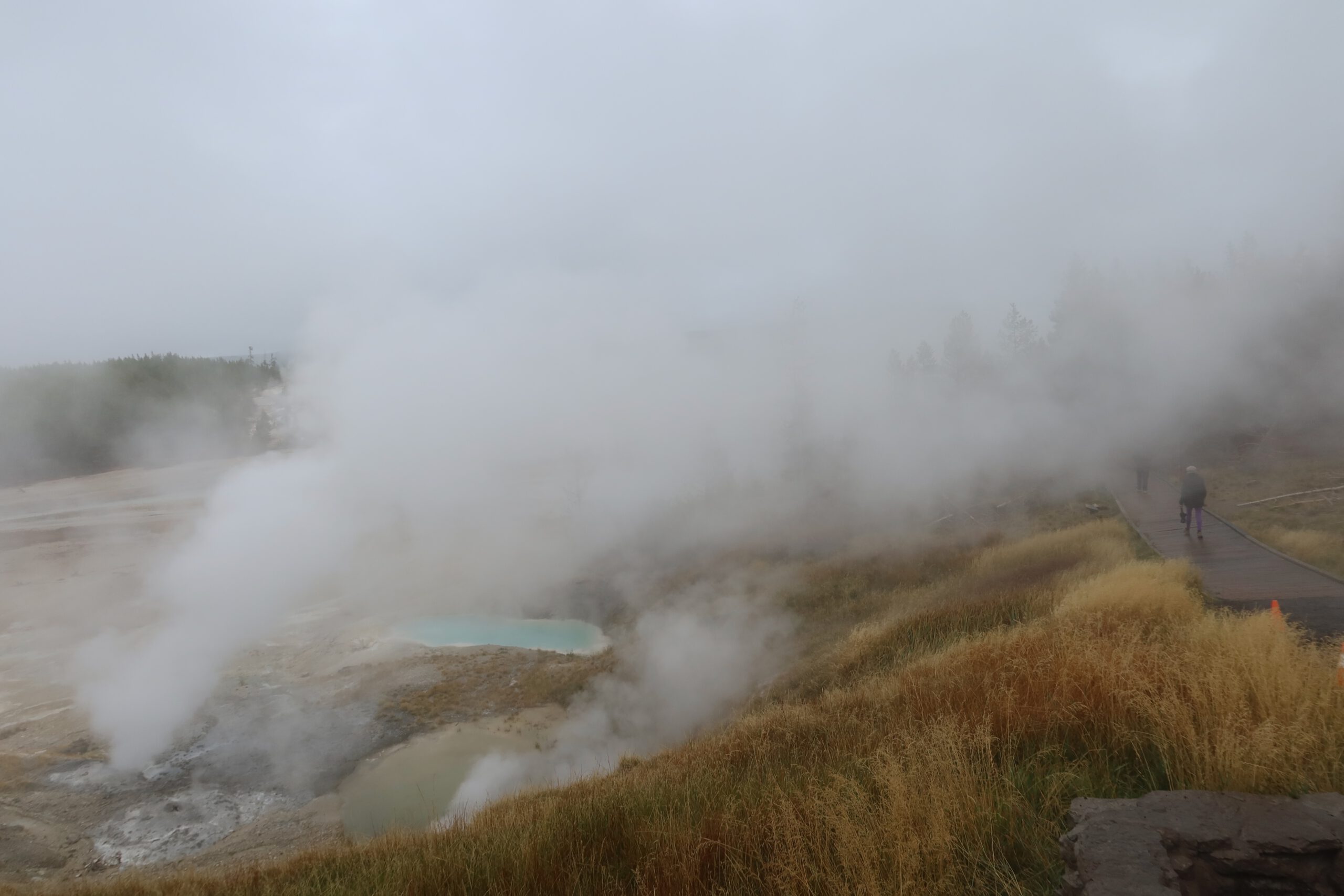
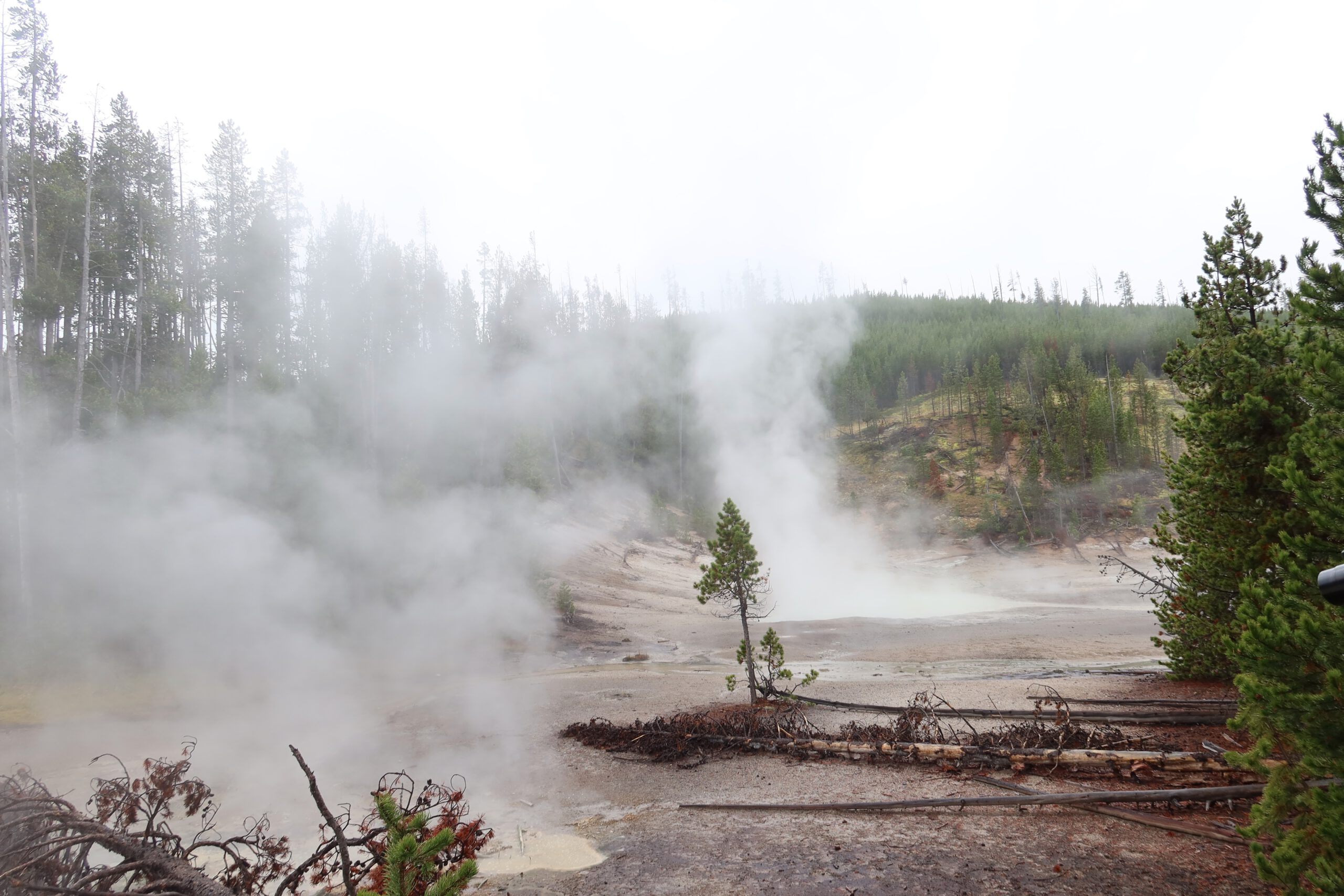
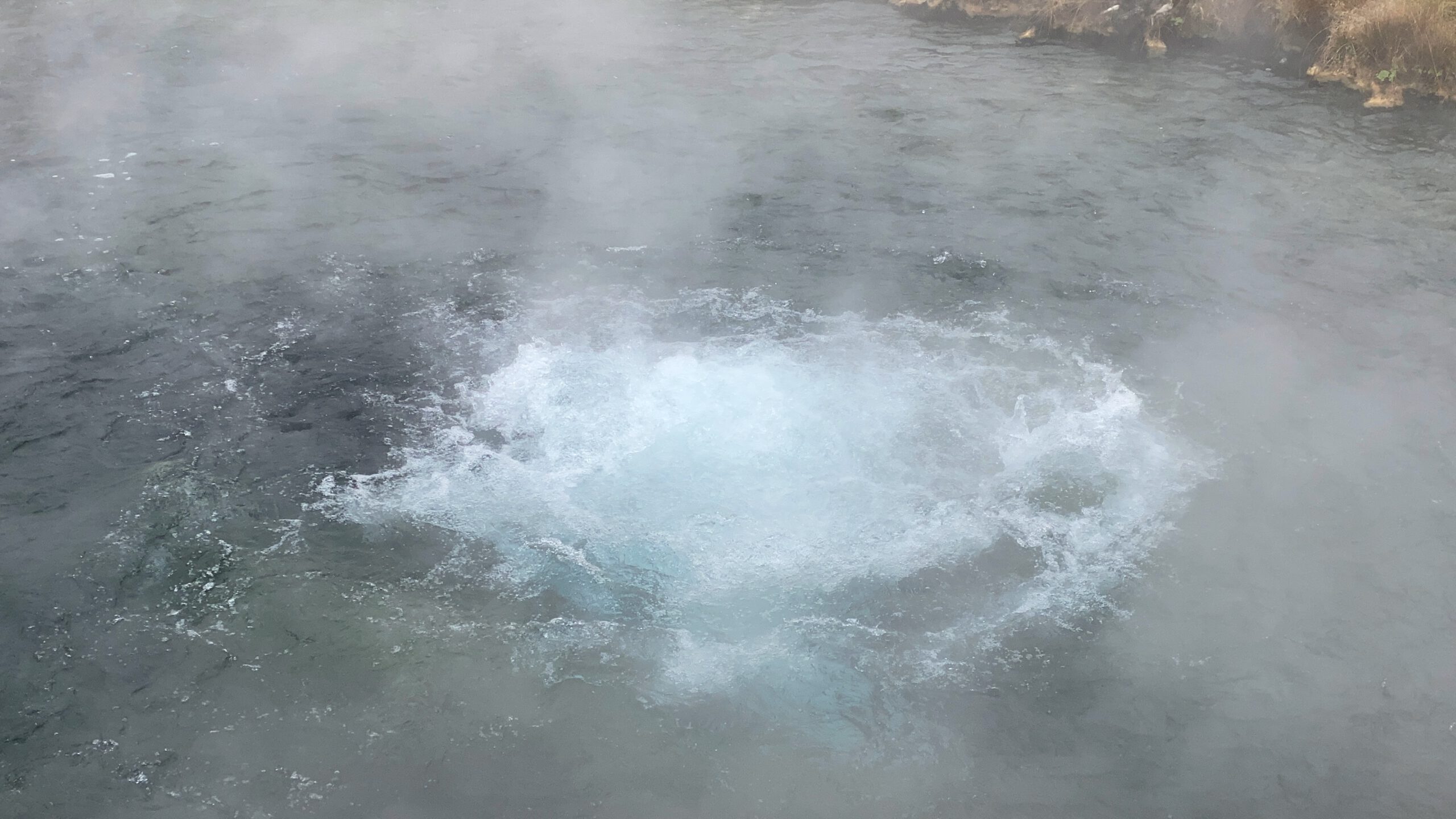
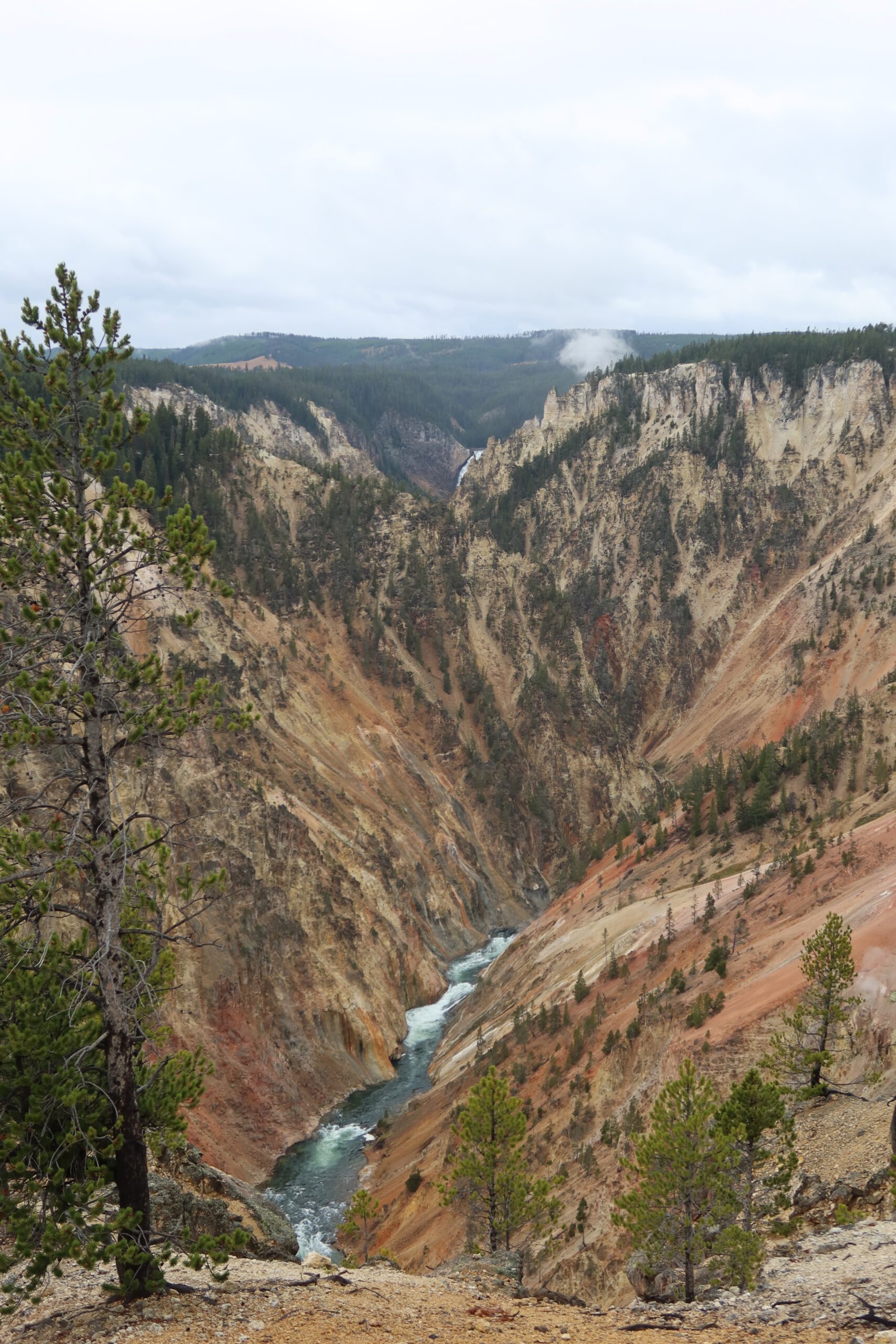
What makes Yellowstone National Park truly exceptional lies beneath the surface. The park sits on top of the Yellowstone Caldera, one of the largest volcanic systems on Earth. This massive underground system fuels the park’s geysers, hot springs, fumaroles, and mud pots.
The Yellowstone Caldera is classified as a supervolcano. While dramatic headlines often exaggerate the risks, the volcanic system is carefully monitored and remains stable. Its last major eruption occurred roughly 640,000 years ago, reshaping much of the landscape that defines Yellowstone National Park today.
Major Volcanic Events in Yellowstone
| Event | Approximate Date | Impact on the Region |
|---|---|---|
| Huckleberry Ridge eruption | 2.1 million years ago | Formation of an early caldera |
| Mesa Falls eruption | 1.3 million years ago | Lava flows and ash deposits |
| Lava Creek eruption | 640,000 years ago | Creation of the current caldera |
These eruptions shaped the terrain that modern visitors experience when exploring Yellowstone National Park.
Why Yellowstone Has So Many Geysers
One of the defining features of Yellowstone National Park is its incredible concentration of geysers. Nowhere else on Earth combines heat, water, and geological structure in such a perfect balance.
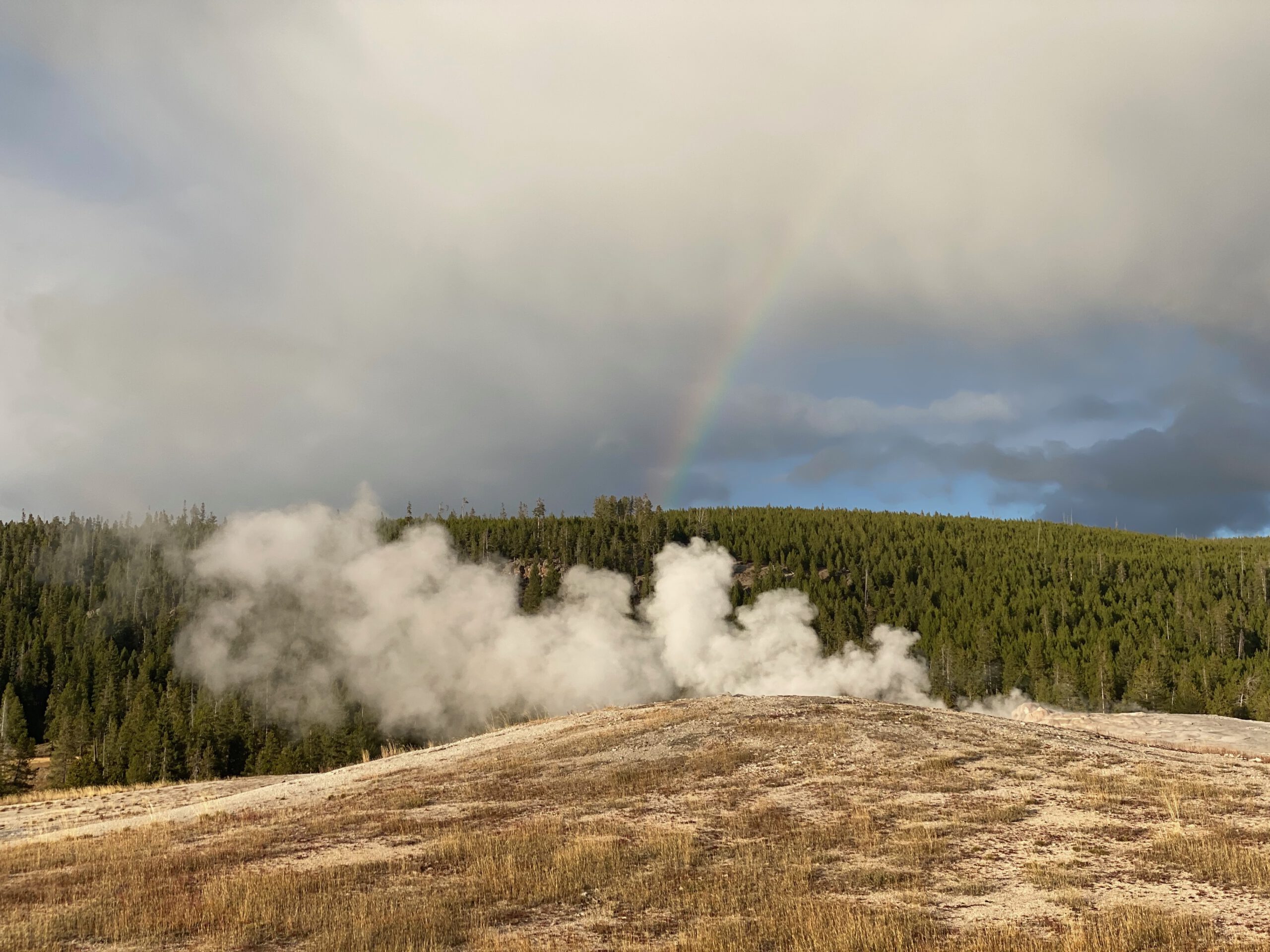
Geysers form when groundwater seeps deep underground, heats up due to magma below the surface, and becomes trapped under pressure. When that pressure releases, water erupts violently upward. Yellowstone National Park contains more than half of the world’s active geysers, making it unmatched on a global scale.
Famous Geysers in Yellowstone National Park
| Geyser | Location | Known For |
|---|---|---|
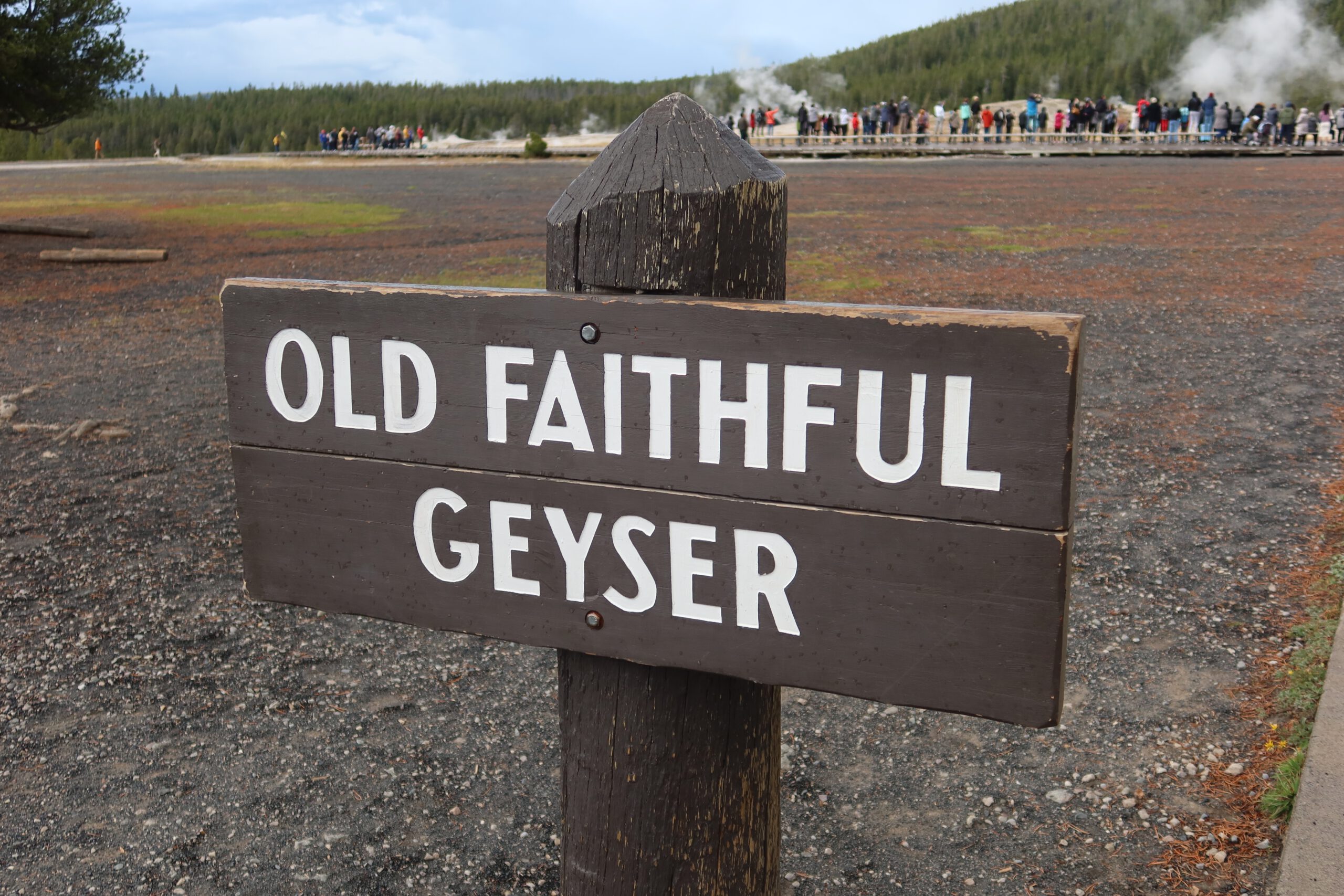
| Old Faithful | Upper Geyser Basin | Predictable eruption intervals |
| Grand Geyser | Upper Geyser Basin | Tall, powerful eruptions |
| Castle Geyser | Upper Geyser Basin | Cone shaped structure |
| Steamboat Geyser | Norris Geyser Basin | Tallest active geyser on Earth |
These geothermal features are not only visually spectacular, they are living evidence of the volcanic forces that continue to shape Yellowstone National Park every single day.
Where to Stay Near Yellowstone National Park, Gardiner as a Smart Basecamp
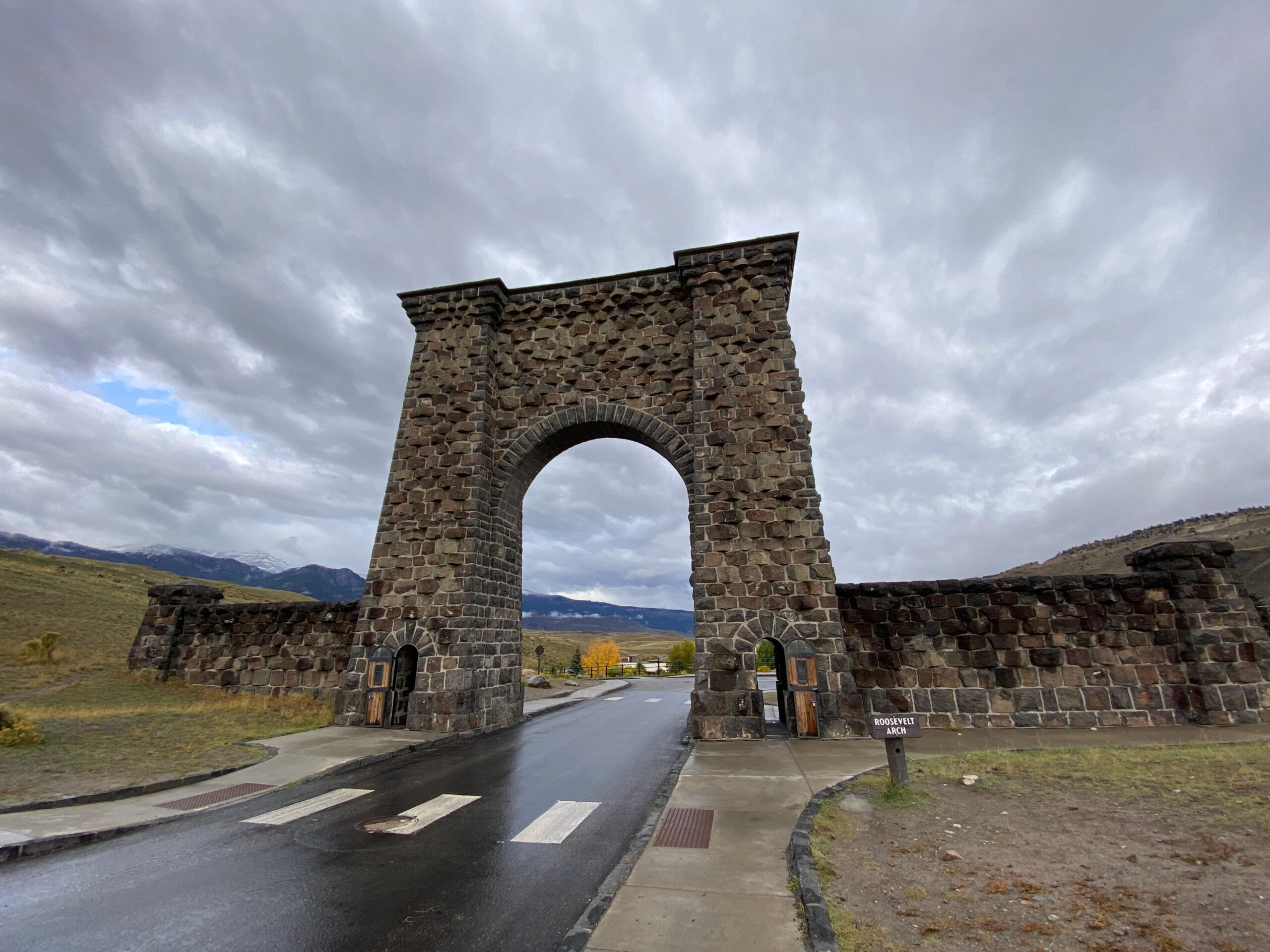
Choosing the right place to stay can strongly shape your experience in Yellowstone National Park. Because of its size and limited in park lodging, many travelers stay just outside the park boundaries. For us, Gardiner, Montana proved to be a smart and practical basecamp, especially when entering and exiting Yellowstone National Park through the North Entrance.
Gardiner sits directly at the iconic Roosevelt Arch, the original gateway to Yellowstone National Park. This entrance is also the only one that remains open year round, which makes Gardiner a reliable option regardless of season. Staying here allows easy access to Mammoth Hot Springs, Lamar Valley wildlife drives, and long scenic routes deeper into Yellowstone National Park.
Our Stay at Park Hotel Yellowstone
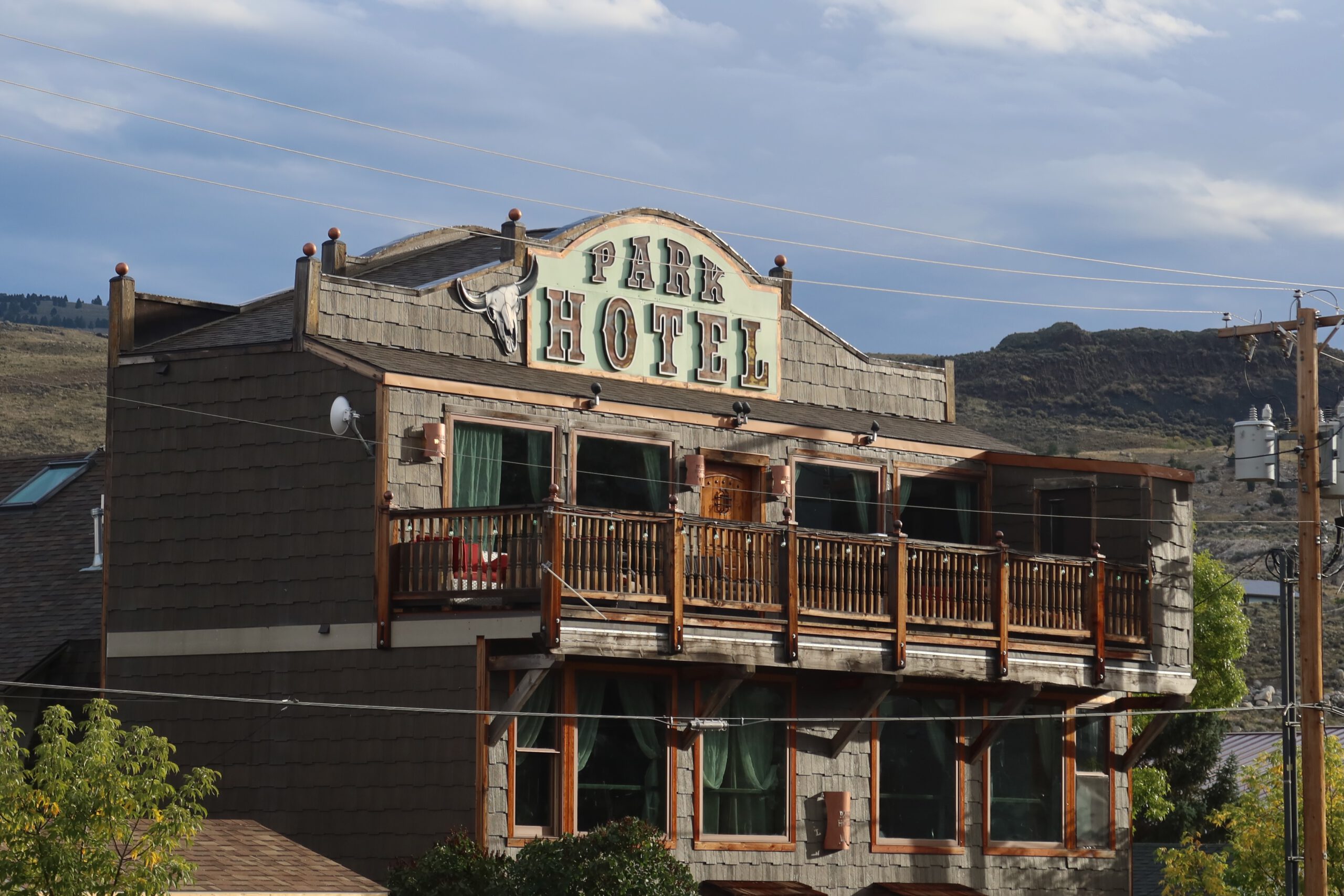
During our time in Gardiner, we stayed at Park Hotel Yellowstone, a character driven hotel located just steps from the North Entrance. The hotel is housed in a historic western style building and focuses on atmosphere and location rather than luxury. Rooms are simple, functional, and designed to fit the Montana setting.
What makes Park Hotel Yellowstone stand out is its walkable location. From the hotel, it is possible to reach restaurants, small stores, and the park entrance without needing a car. This made early mornings and late returns from Yellowstone National Park especially convenient.
We previously wrote a full, detailed review of our experience, including room layout, comfort, booking conditions, and nearby dining options. If you want an in depth look at what staying here is really like, you can read the complete review here:
https://world.timovdberg.nl/usa/park-hotel-yellowstone-gardiner-mt/
Other Lodging Options in Gardiner
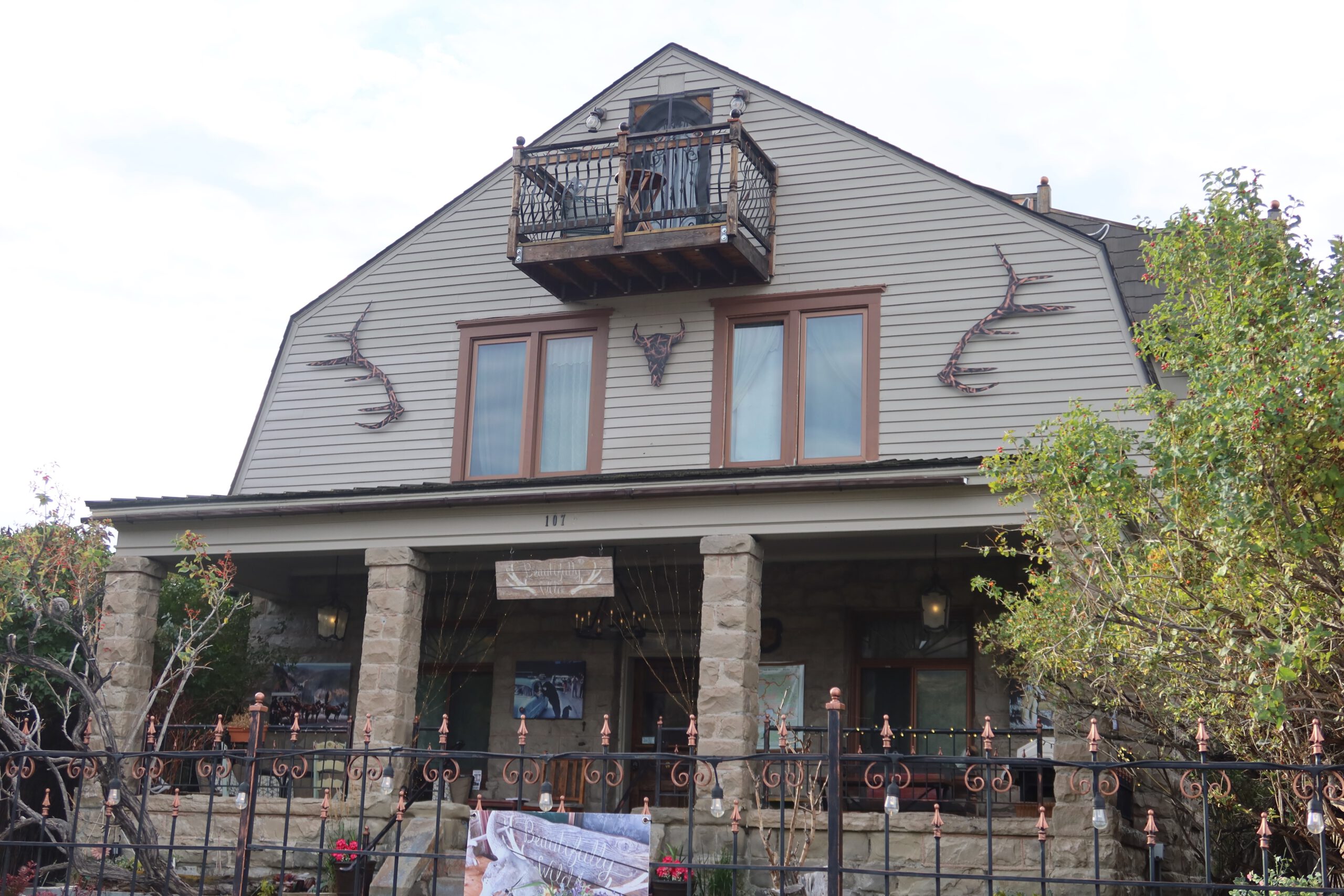
While Park Hotel Yellowstone suited our travel style well, Gardiner offers a wide range of lodging options for different budgets and preferences. Visitors looking for more modern amenities may prefer chain hotels or motels along Highway 89. These often provide easier parking, consistent room layouts, and familiar comforts.
For travelers seeking a quieter experience, cabins and lodges just outside the town center offer more privacy and scenic views along the Yellowstone River. Bed and breakfast style accommodations are also available and tend to focus on personal service and a slower pace, which can be appealing after long days exploring Yellowstone National Park.
Camping and rustic lodges are another option for those who want to stay as close to nature as possible while still being near the North Entrance. These choices are especially popular during peak summer months.
Why Gardiner Works So Well for Yellowstone
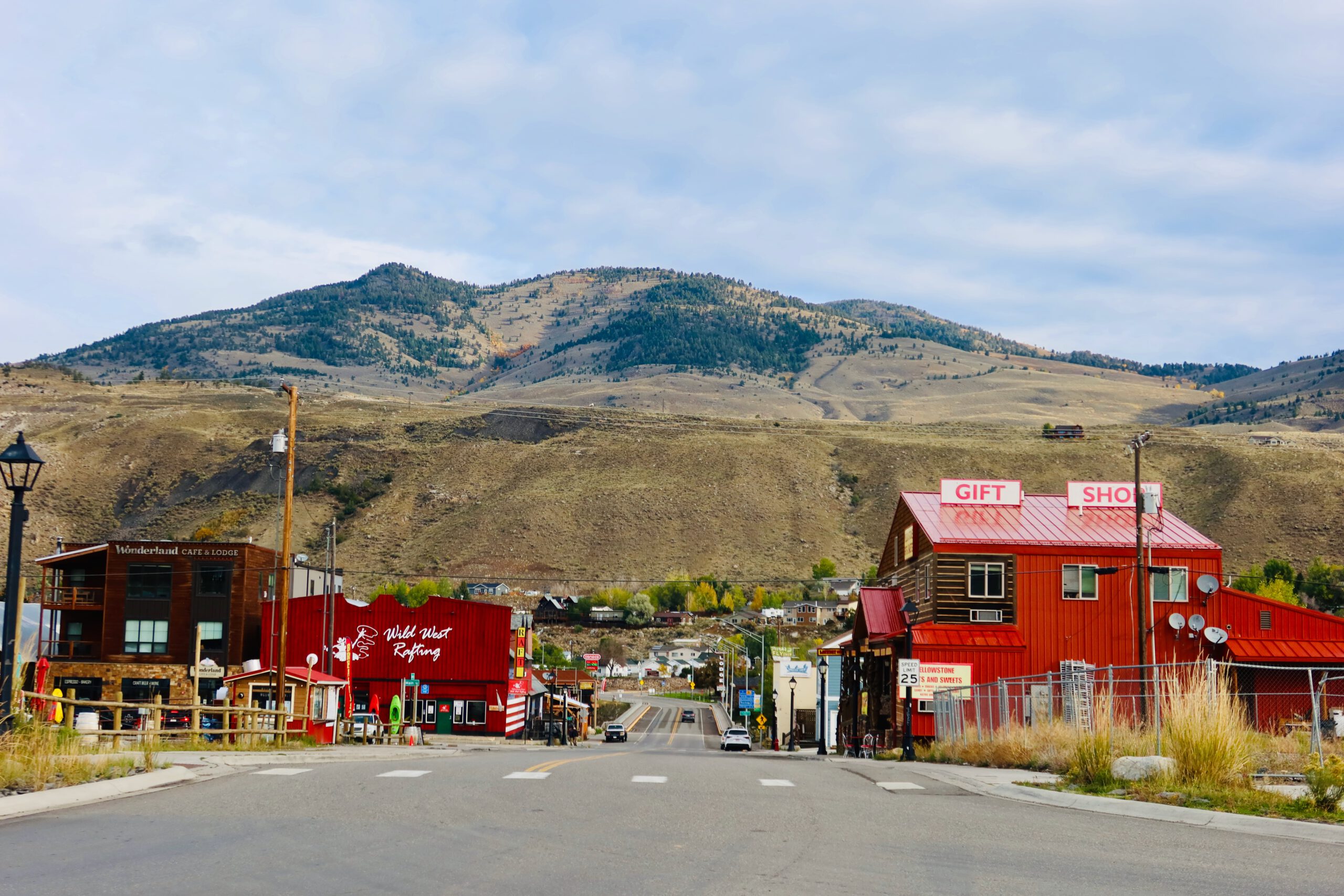
Gardiner combines accessibility, services, and location in a way few gateway towns can match. It offers immediate access to Yellowstone National Park while still providing dining, lodging, and essential services outside the park boundaries. For travelers planning multiple days in Yellowstone National Park, Gardiner remains one of the most balanced and practical places to stay.
The Gardiner Market: https://world.timovdberg.nl/usa/gardiner-market-gardiner-montana/

Other Lodging Options in Gardiner, Montana
While Park Hotel Yellowstone was our personal choice due to its location and character, Gardiner offers a wide range of lodging options for travelers with different budgets and travel styles. From simple motels to lodges, cabins, and bed and breakfast stays, Gardiner remains one of the most flexible gateway towns to Yellowstone National Park.
Below is a practical overview of well known and commonly used lodging options in Gardiner. This list is meant as orientation rather than recommendation, allowing travelers to explore what best fits their plans near the Yellowstone North Entrance.
| Lodging Name | Type | Location Notes |
|---|---|---|
| Above the Rest Lodge | Lodge | Elevated views above Gardiner |
| Absaroka Lodge | Lodge | Central Gardiner location |
| Arch House Bed & Breakfast | B&B | Small scale, personal stay |
| Best Western Gardiner | Hotel | Highway access, modern option |
| Cabin by the River | Cabin | Near Yellowstone River |
| Comfort Inn Gardiner | Hotel | Chain hotel, consistent comfort |
| Headwaters of the Yellowstone | Lodge | Quiet setting near town |
| Hillcrest Cottages | Cottages | Individual cabins, walkable |
| Jim Bridger Court | Motel | Budget friendly, roadside |
| Yellowstone Basin Inn | Lodge | Outside town, scenic views |
| Gardiner Motel 6 | Motel | Budget option near center |
| Yellowstone River Motel | Motel | Riverfront location |
For travelers who want flexibility, Gardiner allows easy switching between early park access, wildlife viewing, and dining options without committing to in park lodging. Many visitors choose to mix comfort, location, and price by staying in Gardiner while exploring Yellowstone National Park over multiple days.
Your Staying Options Inside Yellowstone National Park: Lodges and Cabins
For travelers who prefer to stay fully inside Yellowstone National Park, there are several official lodging options located throughout the park. These lodges and cabins are operated by the park’s official concessionaire and are spread across key regions, allowing visitors to stay close to geysers, lakes, and wildlife areas.
It is important to note that wild camping and sleeping in your car are not allowed inside Yellowstone National Park. Overnight stays are limited to designated campgrounds and official lodges. Because of this, staying in a lodge or cabin inside the park can be a practical solution for travelers who want early morning access to popular areas without long drives from gateway towns.
Lodging inside Yellowstone National Park is seasonal and availability is limited. Reservations typically fill up far in advance, especially during peak summer months. Below is an overview of the main lodging options located inside the park itself.
| Lodge or Cabin | Area in the Park | Typical Season |
|---|---|---|
| Old Faithful Inn | Upper Geyser Basin | May to October |
| Old Faithful Lodge Cabins | Upper Geyser Basin | May to October |
| Old Faithful Snow Lodge & Cabins | Upper Geyser Basin | Late April to October |
| Lake Yellowstone Hotel & Cabins | Lake Yellowstone | May to October |
| Lake Lodge Cabins | Lake Yellowstone | June to October |
| Grant Village | West Thumb area | May to October |
| Canyon Lodge & Cabins | Grand Canyon of the Yellowstone | May to October |
| Roosevelt Lodge Cabins | Near Lamar Valley | June to September |
| Mammoth Hot Springs Hotel & Cabins | Mammoth area | Spring to late fall, limited winter season |
Staying inside Yellowstone National Park can reduce daily driving time and offer a more immersive experience, but flexibility is limited due to seasonal closures and high demand. Many visitors choose to combine a night inside the park with stays in nearby gateway towns to balance comfort, availability, and access. To be honest, we never experienced it as ‘long travel distance’ from Gardiner, MT. The nature is breathtaking, driving thru the nature of both Montana and Wyoming are awesome, so taking a little drive from Gardiner to Mammoth is not bad at all! You can also find cheaper options in Montana, or West Yellowstone, just outside the NPS Services.
Dining in and Around Yellowstone National Park
Finding good food in Yellowstone National Park requires a bit of planning. Dining options inside the park are limited, seasonal, and often located near major landmarks and lodges. Outside the park, gateway towns like Gardiner, Montana offer more flexibility, longer opening hours, and a wider variety of restaurants.
Old Faithful Snow Lodge Obsidian Dining Room
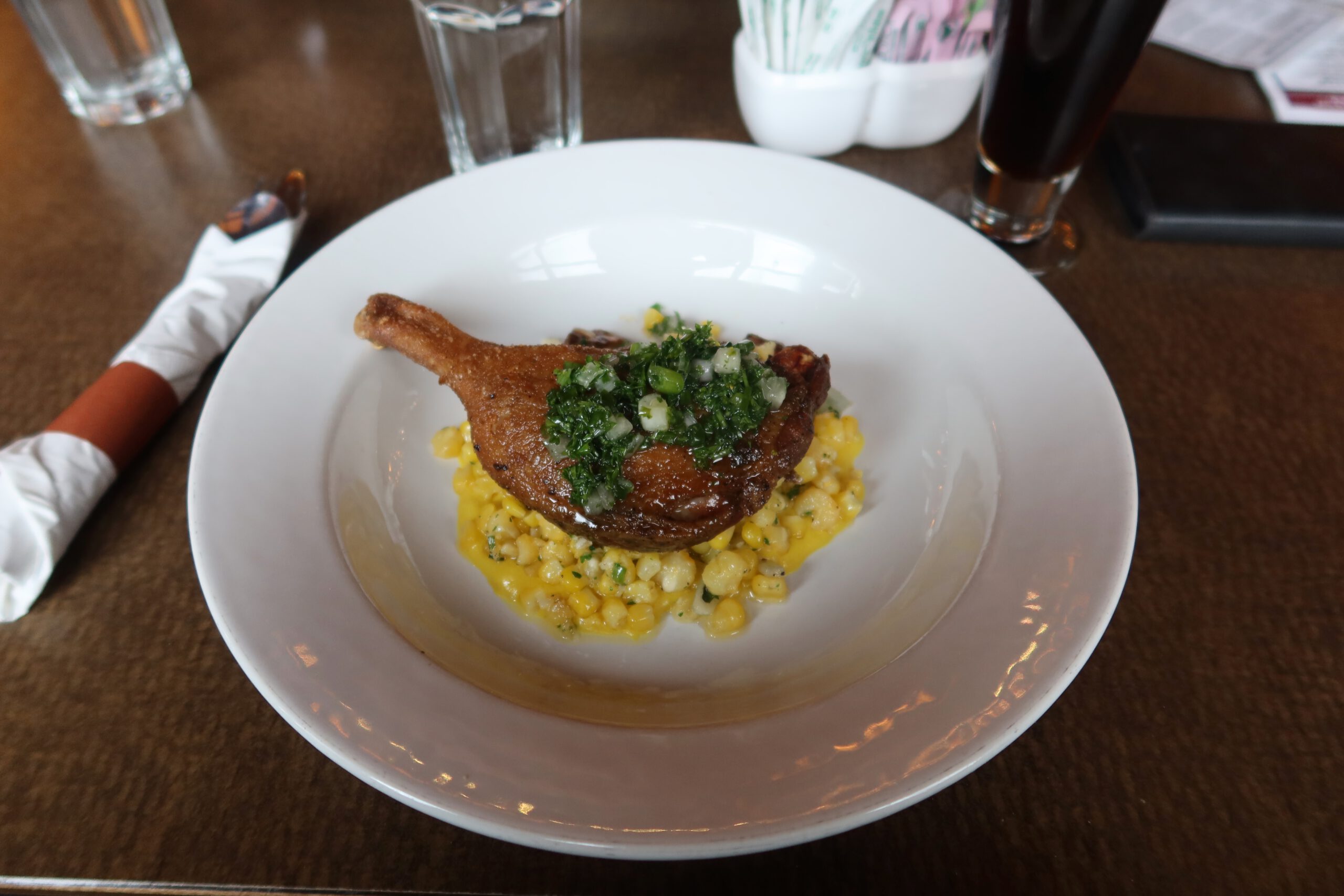
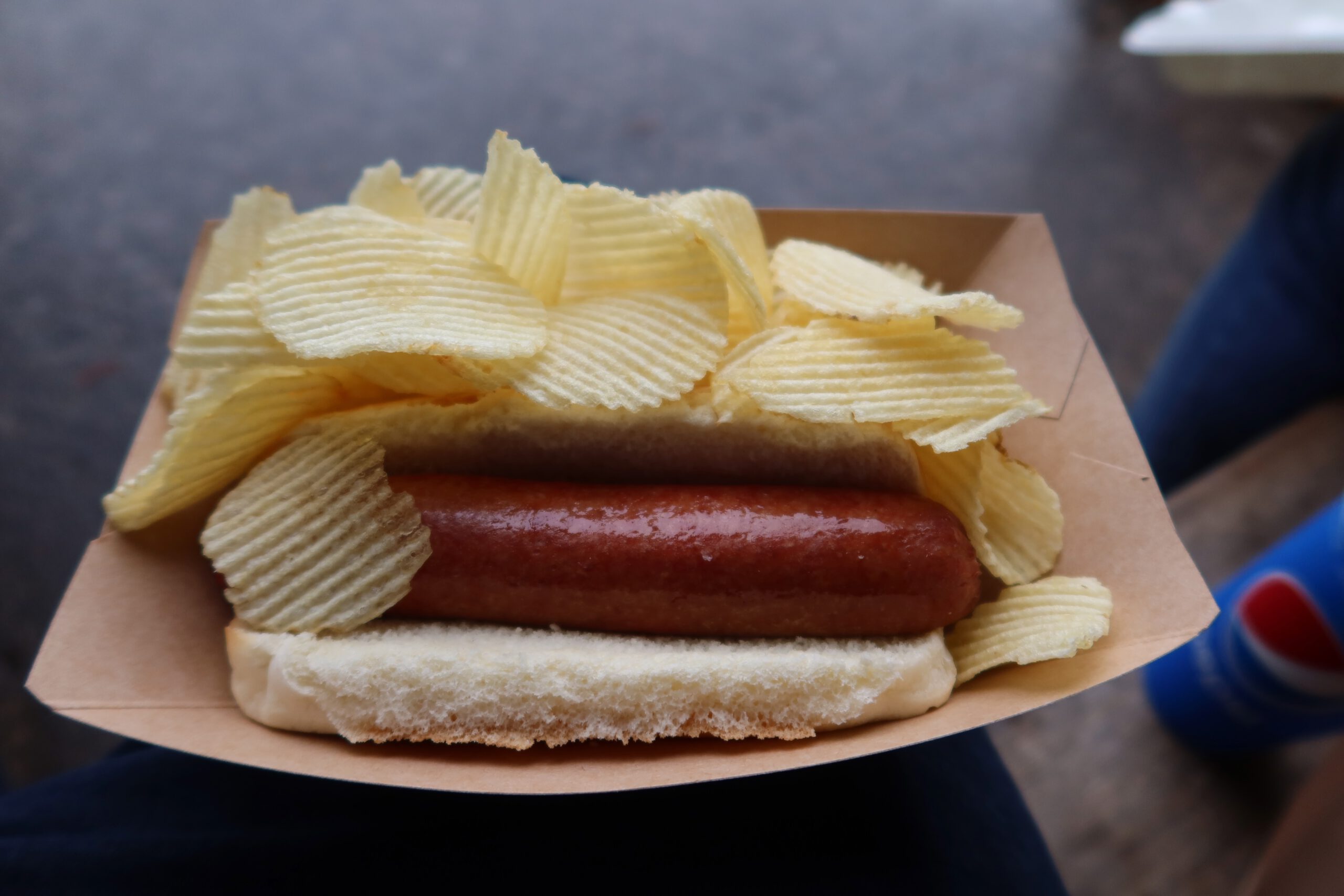
We had dinner at the Old Faithful Snow Lodge Obsidian Dining Room, located at 2051 Snow Lodge Ave, Yellowstone National Park, WY 82190. This restaurant sits directly next to Old Faithful Geyser, with the Old Faithful Visitor Education Center just across the walkway. The location alone makes it one of the most convenient dining spots in the park.
The Obsidian Dining Room is part of the Old Faithful Snow Lodge complex and shares the building with the Snow Lodge Grill and the park store. The dining room itself offers a calmer, more traditional sit down restaurant setting compared to the grill style option next door.
In general, the menu focuses on classic American lodge cuisine. Expect dishes such as steaks, chicken, fish, pasta options, salads, and vegetarian friendly choices. Portions are designed to be filling after long days of hiking and sightseeing. Drink options typically include soft drinks, coffee, tea, beer, wine, and a limited selection of spirits.
Reviews of the Obsidian Dining Room are generally mixed to positive. Many visitors praise the convenience, atmosphere, and location, especially after watching an Old Faithful eruption. Criticism often focuses on pricing and service speed during peak hours, which is common for restaurants inside Yellowstone National Park.
Cowboy Lodge & Grill, Gardiner, Montana
Outside the park, one of the most notable dining options is Cowboy Lodge & Grill in Gardiner, Montana. This restaurant offers a completely different experience compared to dining inside Yellowstone National Park.
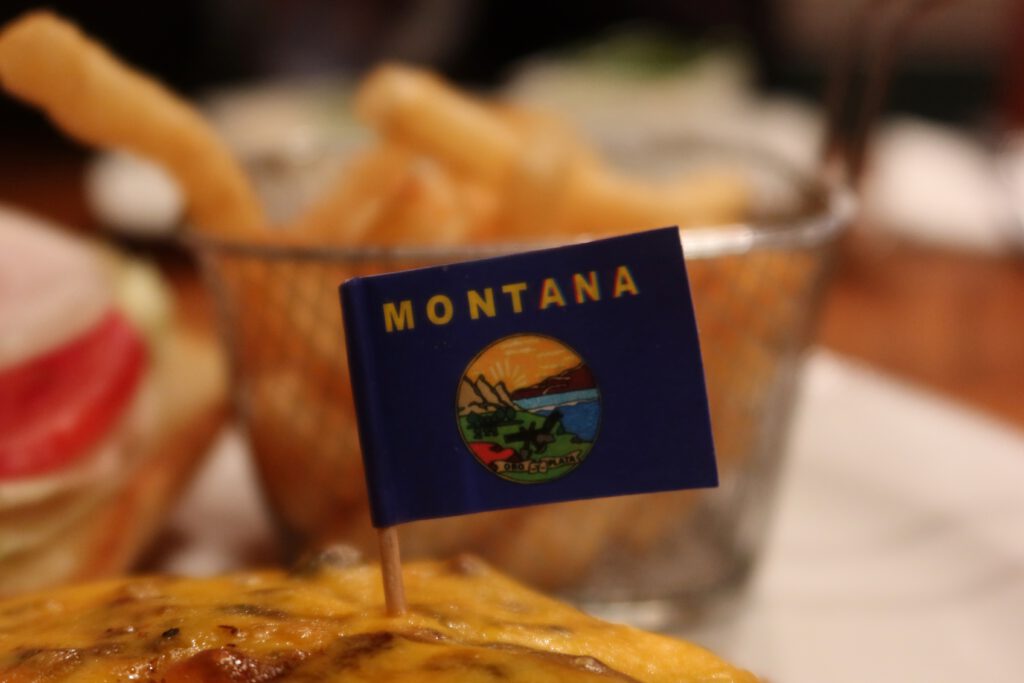
Cowboy Lodge & Grill is known for its Western themed interior, relaxed atmosphere, and hearty American meals. The menu typically features burgers, steaks, ribs, sandwiches, and comfort food classics. Compared to in park dining, portions are generous and prices feel more balanced for the quality offered.
For travelers staying in Gardiner, this restaurant works well as an evening stop after a full day inside Yellowstone National Park, especially when park dining options are already closed.
Read more about this restaurant: https://world.timovdberg.nl/usa/cowboys-lodge-and-grille-gardiner-mt/
Dining Options Inside Yellowstone National Park
| Restaurant | Area | What to Expect |
|---|---|---|
| Old Faithful Snow Lodge Obsidian Dining Room | Old Faithful | Sit down dining, classic lodge menu |
| Old Faithful Inn Dining Room | Old Faithful | Historic setting, American cuisine |
| Lake Yellowstone Hotel Dining Room | Lake Area | Formal dining, seasonal menu |
| Canyon Lodge Eatery | Canyon Area | Cafeteria style meals |
| Mammoth Hot Springs Dining Room | Mammoth Area | Casual lodge restaurant |
Dining Options in Gardiner, Montana
| Restaurant | Type | Notes |
|---|---|---|
| Cowboy Lodge & Grill | American Grill | Western style, popular dinner spot |
| Gardiner Market | Deli and Grocery | Grab and go meals |
| Iron Horse Bar & Grill | Bar and Grill | Casual food and drinks |
| Yellowstone Mine Restaurant | American | Large portions, family friendly |
| Tumbleweed Bookstore and Café | Café | Light meals and coffee |
Dining in Yellowstone National Park is often about convenience and location, while dining in Gardiner focuses more on variety and atmosphere. Combining both allows travelers to balance long park days with more relaxed evenings outside the park.
Shopping and Souvenirs in Yellowstone National Park
Shopping in Yellowstone National Park is less about variety and more about meaning. Most stores inside the park focus on souvenirs, apparel, books, and small keepsakes that connect directly to the park’s nature, wildlife, and history.
During our visit, we bought several items directly from park and visitor center stores. This included a Yellowstone National Park beer glass, two local Yellowstone themed beers, Yellowstone socks for both Timo and Peter, and a Yellowstone beanie. These items felt more like lasting memories than simple souvenirs, especially because they were purchased at locations tied to the park itself.
Park Stores and Visitor Center Shops
Yellowstone has multiple official park stores, most of which are located at:
- Visitor Centers
- Major lodge complexes
- High traffic landmarks such as Old Faithful
These stores are typically operated in partnership with the park and focus on educational and park related products. Expect books about geology and wildlife, maps, posters, clothing, mugs, patches, and gifts. Prices are generally higher than outside the park, but the selection is curated and directly supports park programs and education.
Old Faithful General Store
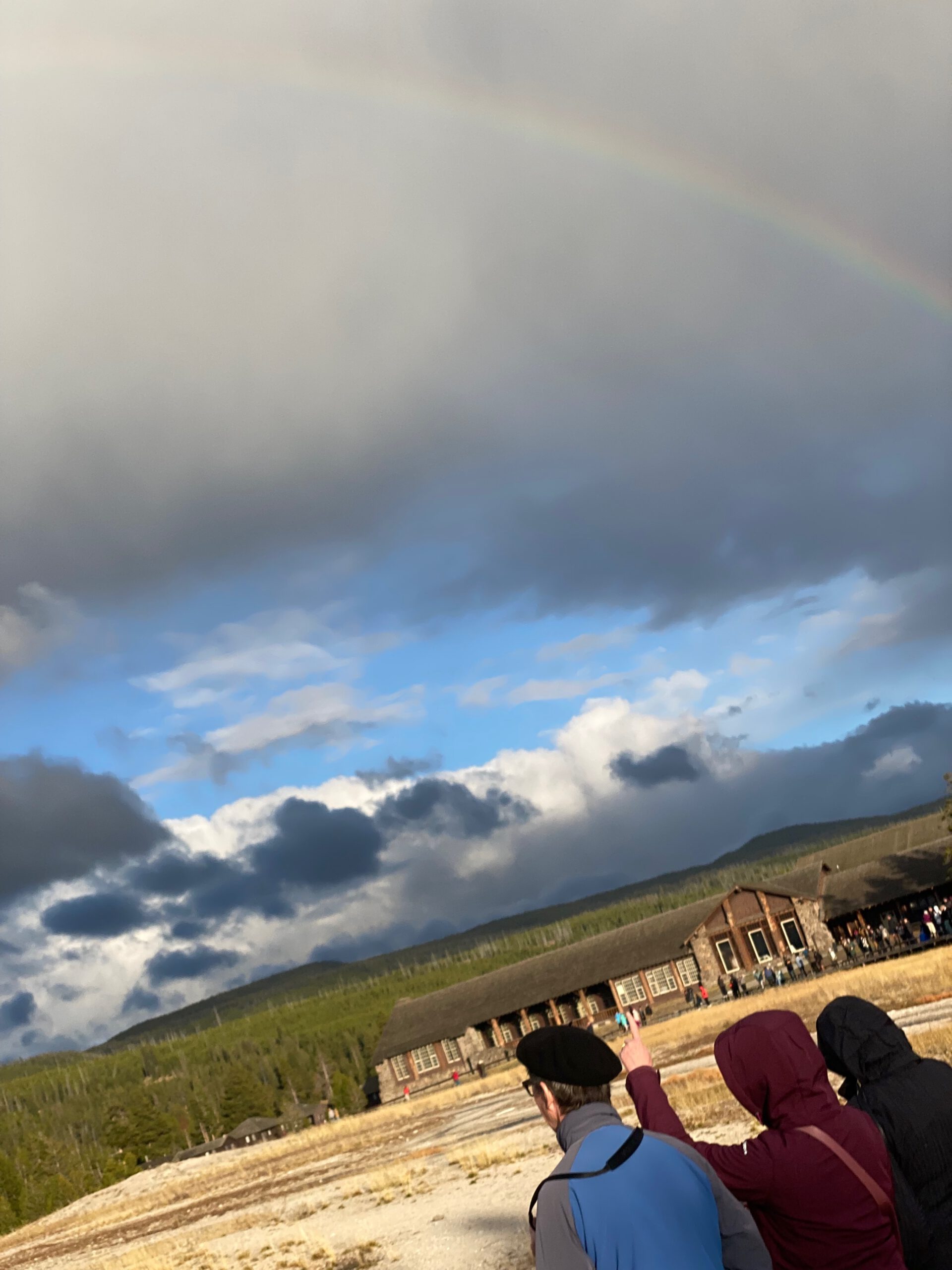
One of the most well known shopping locations is the Old Faithful General Store, located near the Upper Geyser Basin. This store has a long history and serves as both a souvenir shop and general store. Visitors can find apparel, gifts, basic supplies, snacks, and cold drinks. Its location near Old Faithful makes it one of the busiest shopping spots in the park and an easy stop before or after watching a geyser eruption.
West Yellowstone vs Shopping Inside the Park
Outside the park, the town of West Yellowstone near the West Entrance offers many more souvenir and clothing shops, often at lower prices. These stores are more commercial and focus on volume, variety, and tourist driven sales.
While West Yellowstone provides more options and potentially better prices, we personally preferred shopping at visitor centers and park stores. The items felt more authentic, better curated, and more connected to the places we were actually visiting inside Yellowstone.
A Short History of Hamilton’s Stores
For much of the 20th century, shopping inside Yellowstone was dominated by Hamilton’s Stores. Founded in the early 1900s, Hamilton’s Stores operated general stores, service stations, and souvenir shops along the Grand Loop Road and at major park locations.
These stores played a major role in shaping how visitors experienced Yellowstone for decades. However, changes in National Park Service concession policies led to Hamilton’s Stores ceasing operations in the early 2000s. Many of the historic buildings once used by Hamilton’s Stores still exist today and remain part of Yellowstone’s architectural and commercial history.
Overall, shopping in Yellowstone National Park is best approached as part of the experience rather than a practical necessity. Visitor center stores and park shops offer meaningful souvenirs that feel tied to the landscape, the history, and the memories created during a visit to the park.
Fuel and Gas Stations in Yellowstone National Park
Fuel planning is an important part of visiting Yellowstone National Park, especially because of the long driving distances and limited services inside the park. Gas stations do exist within the park, but prices are noticeably higher than outside the National Park Service boundaries. During our trip, we had to refuel in the Mammoth area, and while it was convenient, it quickly became clear that fueling up before entering the park would have been the more economical option. In general, it is strongly recommended to fill your tank in gateway towns such as Gardiner, West Yellowstone, or Cody before spending a full day driving through Yellowstone National Park.
That said, Yellowstone does provide fuel options for emergencies and longer routes where exiting the park is not practical. Fuel stations inside the park are operated by Yellowstone Park Service Stations and are spread across key locations such as Mammoth Hot Springs, Old Faithful, Canyon, Fishing Bridge, Grant Village, and Tower Roosevelt.
These stations typically offer unleaded fuel, diesel, and propane, and many provide 24/7 credit card fueling. While prices are high, these stations can be essential for safety and trip continuity. For the most up to date locations and availability, visitors are best directed to the official Yellowstone Park Service Stations resources at https://www.ypss.com/map.php or the full overview page at https://www.ypss.com/locations.php, as fuel access inside the park can change seasonally.
Visitor Centers in Yellowstone National Park, Why They Matter
Visitor Centers play a bigger role in Yellowstone National Park than many travelers expect. Because of the park’s size, changing weather conditions, wildlife activity, and seasonal road closures, these centers are often the most reliable source of up to date information during your visit. Even if you have prepared your trip in advance, stopping at a visitor center can significantly improve your daily planning.
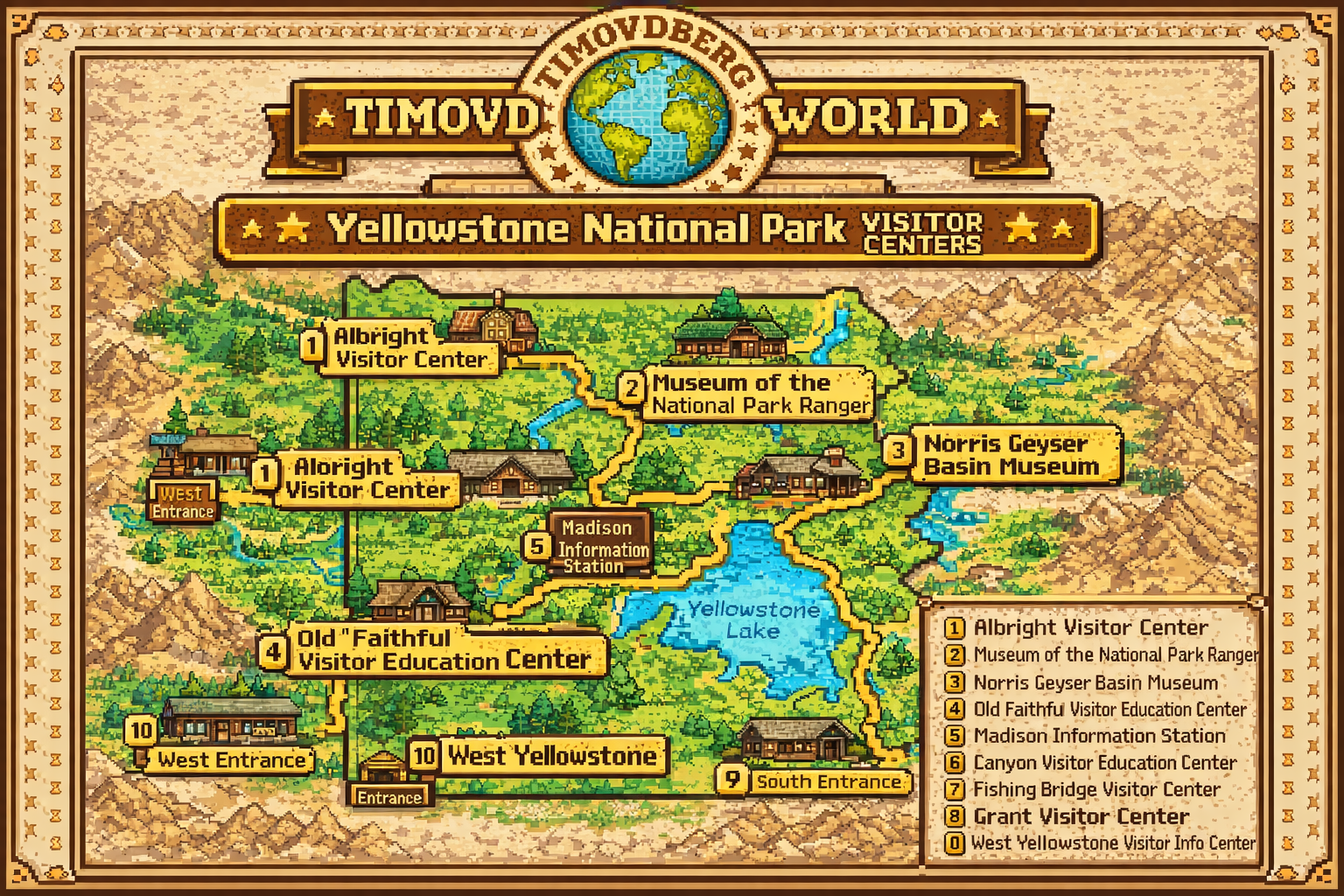
Across Yellowstone National Park, there are multiple official visitor centers and information stations spread throughout key regions. These locations allow you to talk directly with park rangers, pick up maps, learn about current conditions, check geyser eruption predictions, and understand wildlife safety guidelines. Many visitor centers also feature exhibits that explain the geology, wildlife, and history of the park, which adds valuable context to what you see outside.
What You Can Expect at a Yellowstone Visitor Center
While each visitor center has a different theme, most offer similar core services. These include park orientation, trail and road information, ranger programs, restrooms, and a park store with books and souvenirs. Several visitor centers also issue permits for fishing, boating, or backcountry camping. For families, visitor centers are often the starting point for the Junior Ranger program.
We found visitor centers especially useful for understanding how long drives actually take inside the park and which areas made the most sense to combine in a single day.
Major Visitor Centers and Information Stations
| Visitor Center | Area | Best For |
|---|---|---|
| Albright Visitor Center | Mammoth Hot Springs | Wildlife info, park history, year round access |
| Old Faithful Visitor Education Center | Old Faithful | Geyser predictions, geothermal exhibits |
| Canyon Visitor Education Center | Canyon Area | Yellowstone volcano and geology |
| Fishing Bridge Visitor Center | Lake Area | Yellowstone Lake ecology and birdlife |
| Grant Visitor Center | South Entrance, Lake Area | Fire ecology and 1988 fires |
| Madison Information Station | Near West Entrance | First stop from West Yellowstone |
| Norris Geyser Basin Museum | Norris Area | Hydrothermal features and parkitecture |
| West Thumb Information Station | West Thumb | Geyser basin orientation |
| Museum of the National Park Ranger | Norris Area | Ranger history and park heritage |
| West Yellowstone Visitor Info Center | West Yellowstone | Permits and park info outside the park |
Why Visitor Centers Are Worth Your Time
Visitor centers help you make smarter decisions while inside Yellowstone National Park. Rangers can advise on wildlife movement, road conditions, and realistic sightseeing routes. This often saves time and prevents unnecessary driving. For first time visitors especially, these centers provide clarity and structure in a park that can otherwise feel overwhelming.
Rather than seeing visitor centers as optional stops, they work best as anchor points during your visit, helping you understand not just where you are going, but also why each area of Yellowstone National Park is unique.
Wildlife Viewing in Yellowstone National Park, What to Expect
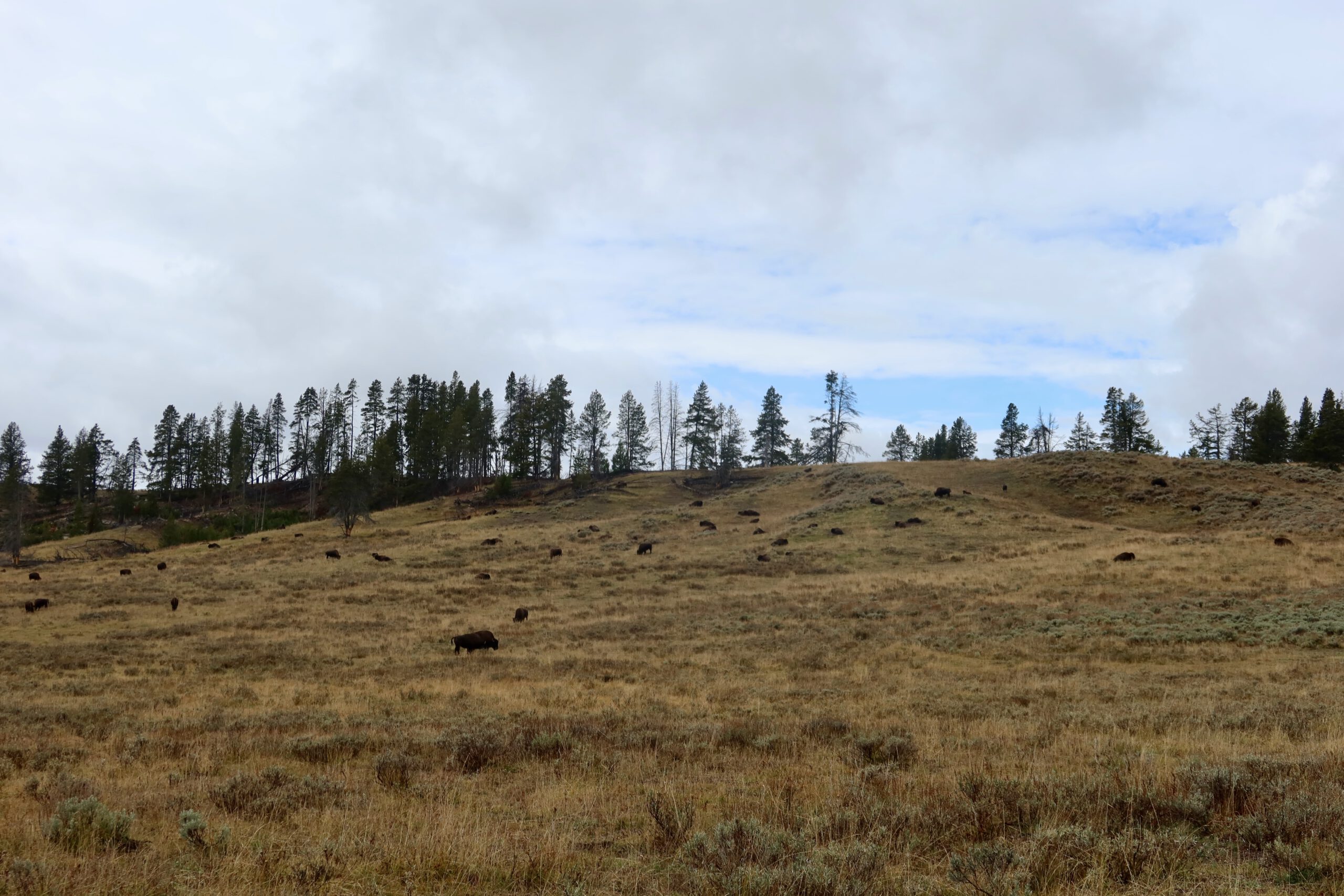
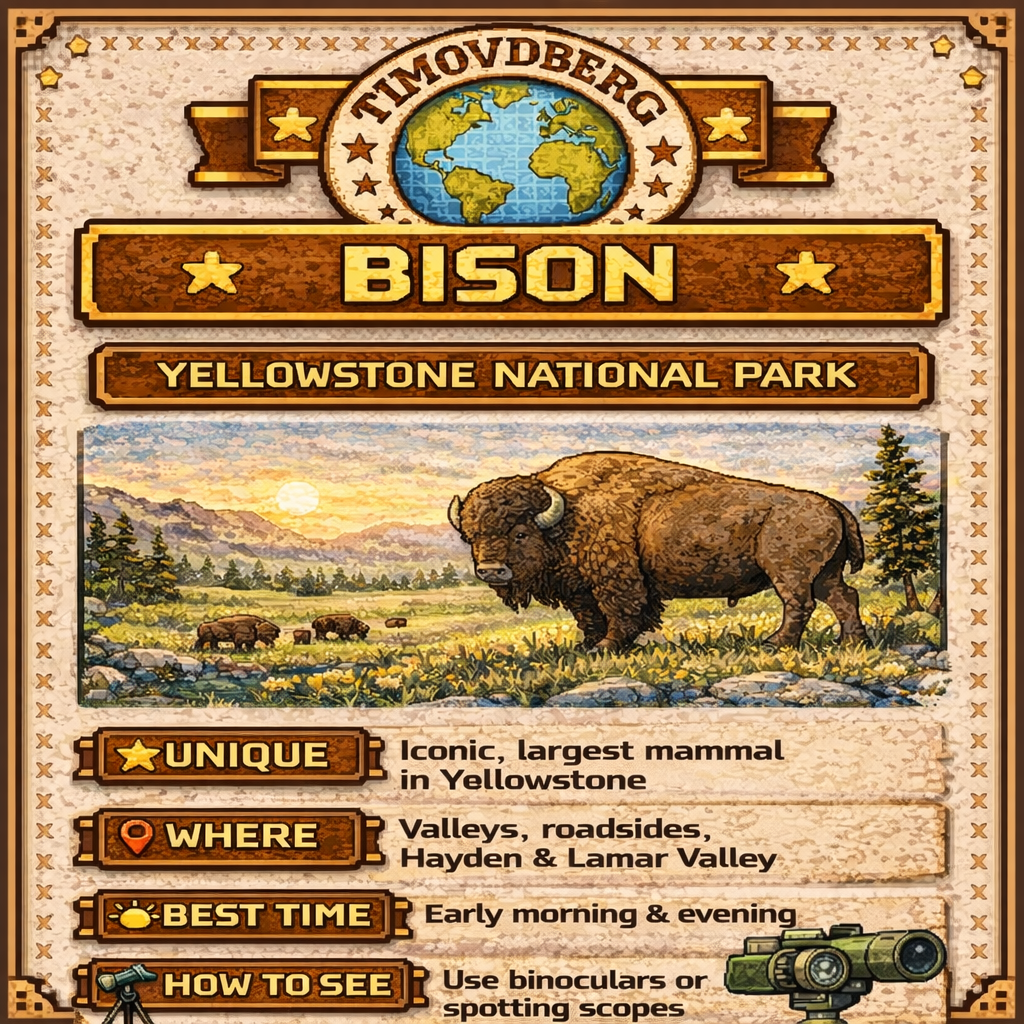
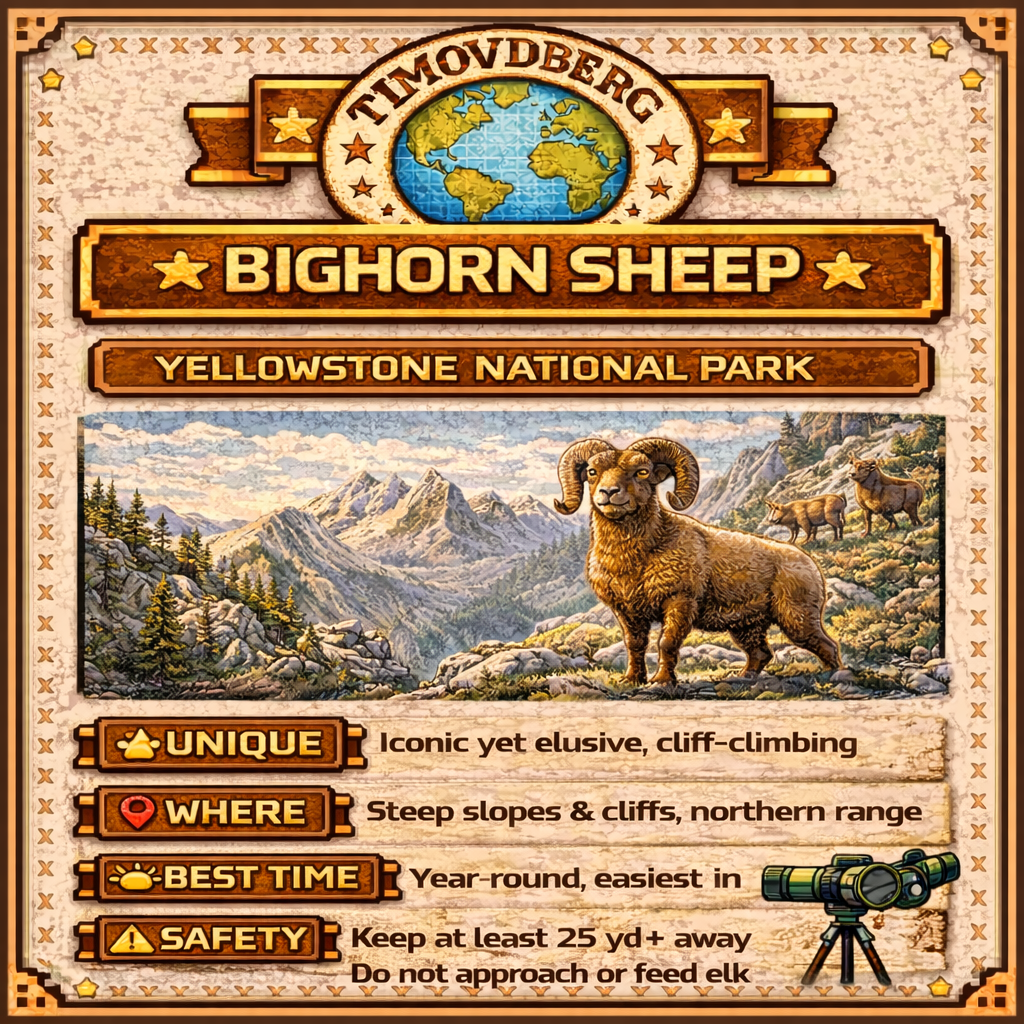
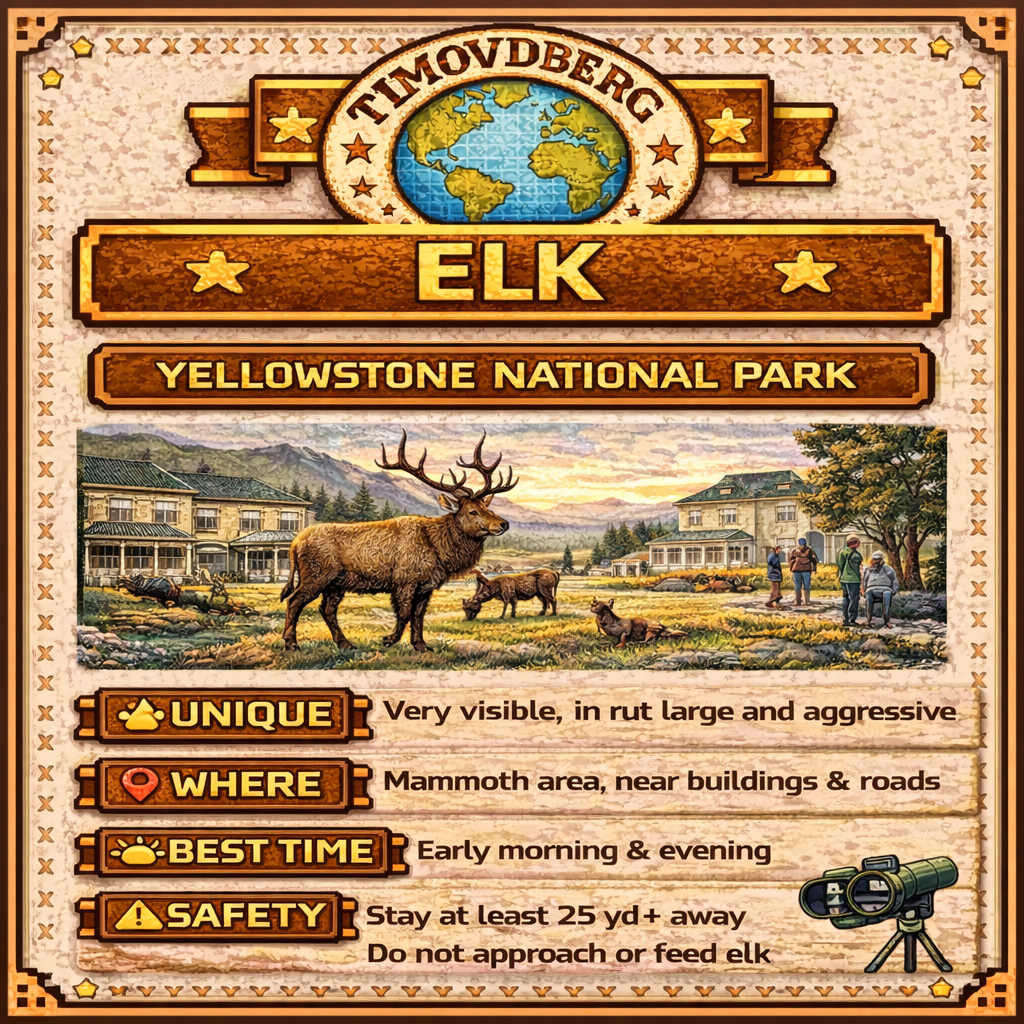
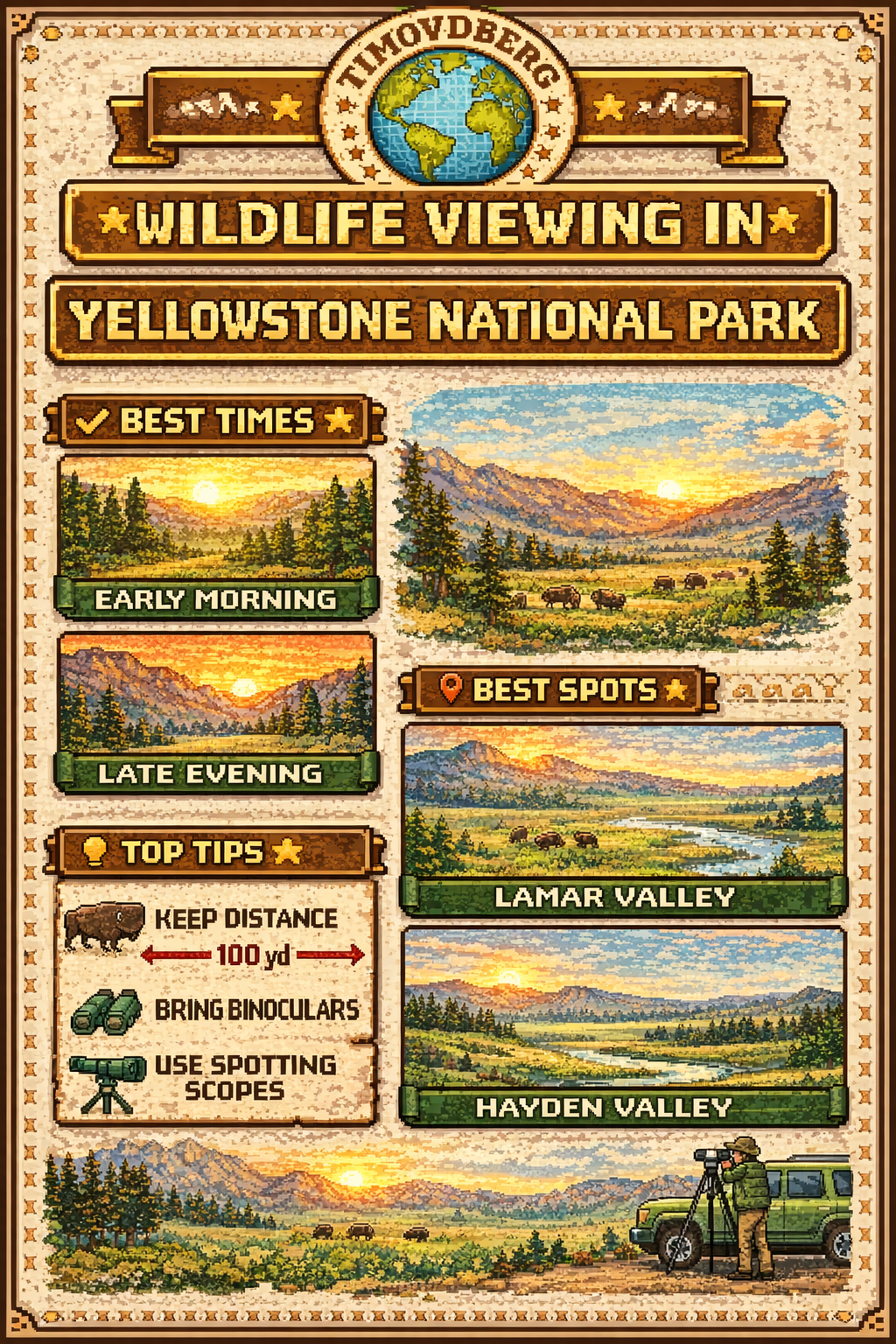
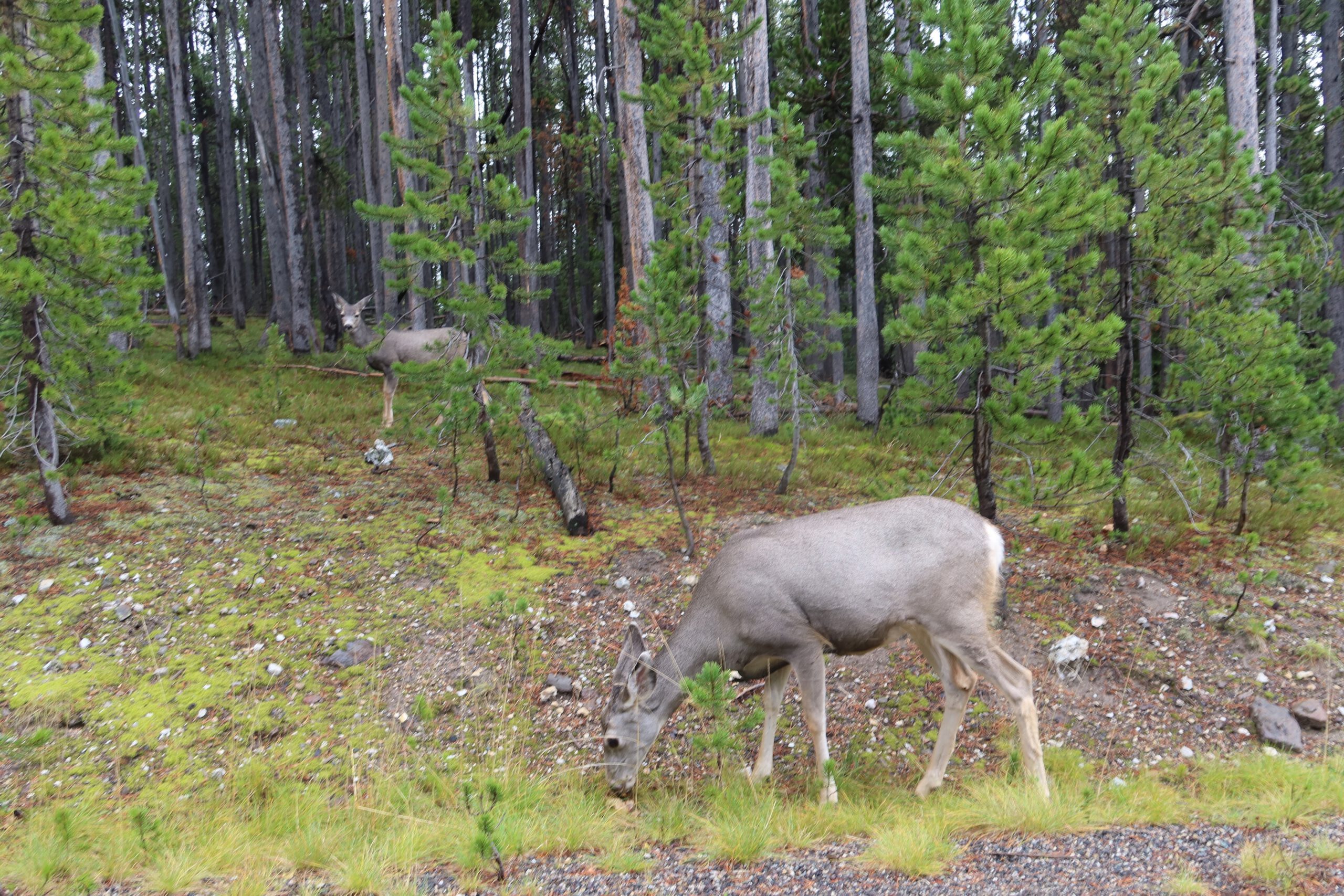
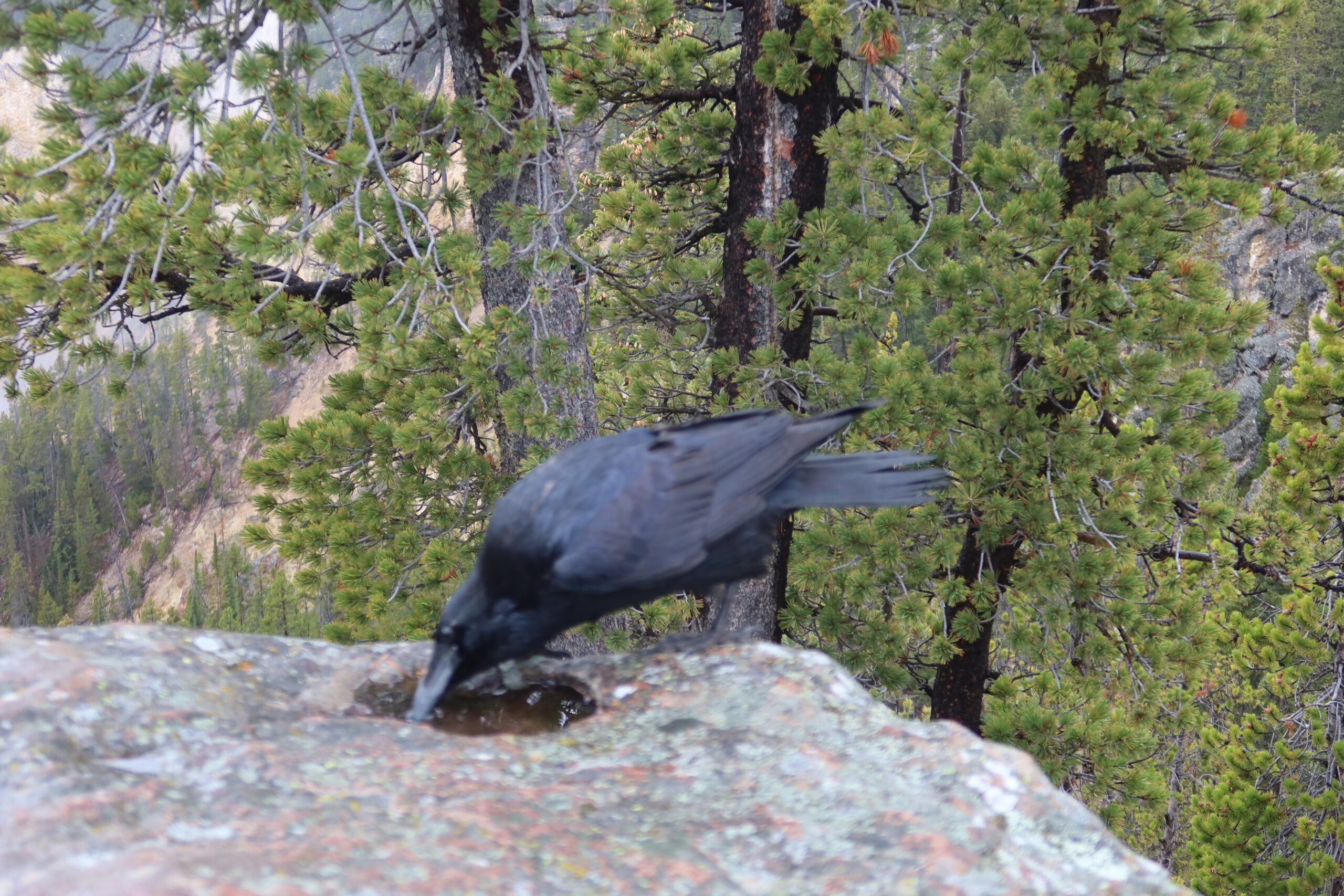
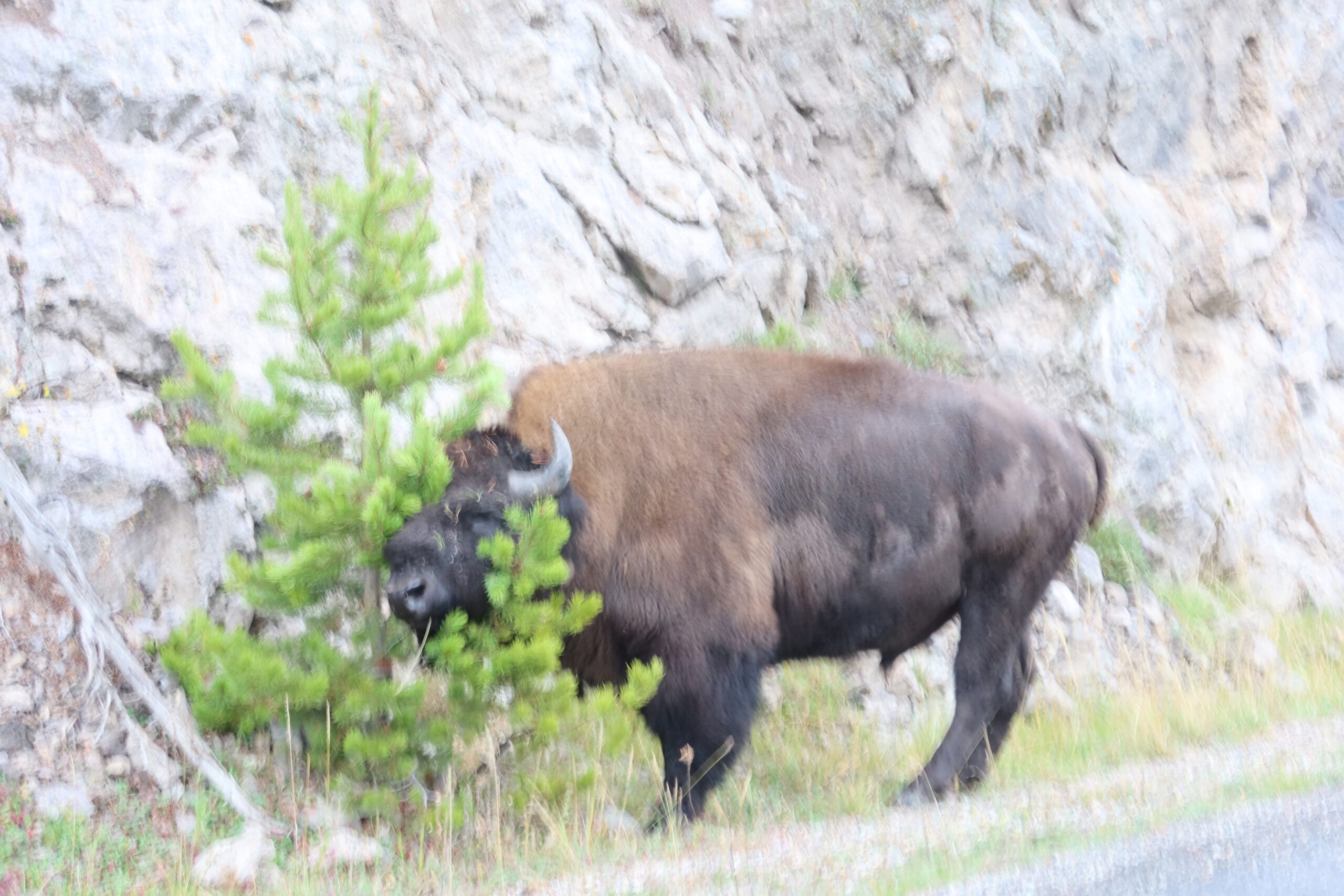
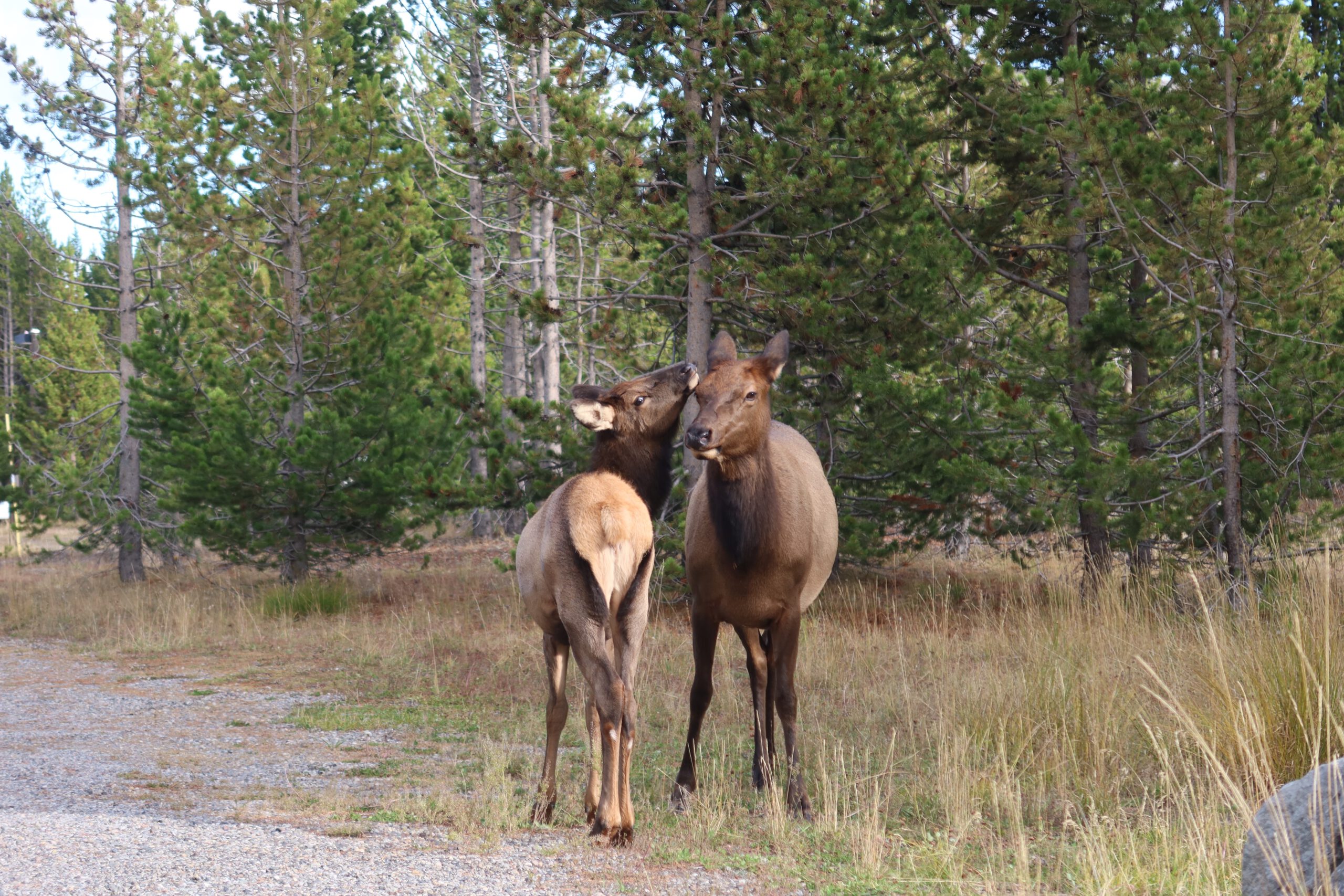
Wildlife is one of the main reasons people visit Yellowstone National Park. The park holds the largest concentration of wildlife in the lower 48 states, and sightings can happen anywhere, often without warning. From roadside bison herds to distant wolves in open valleys, Yellowstone offers real wildlife encounters rather than staged experiences. Early mornings and late evenings are generally the best times to spot animals, especially in wide open areas where visibility is good.
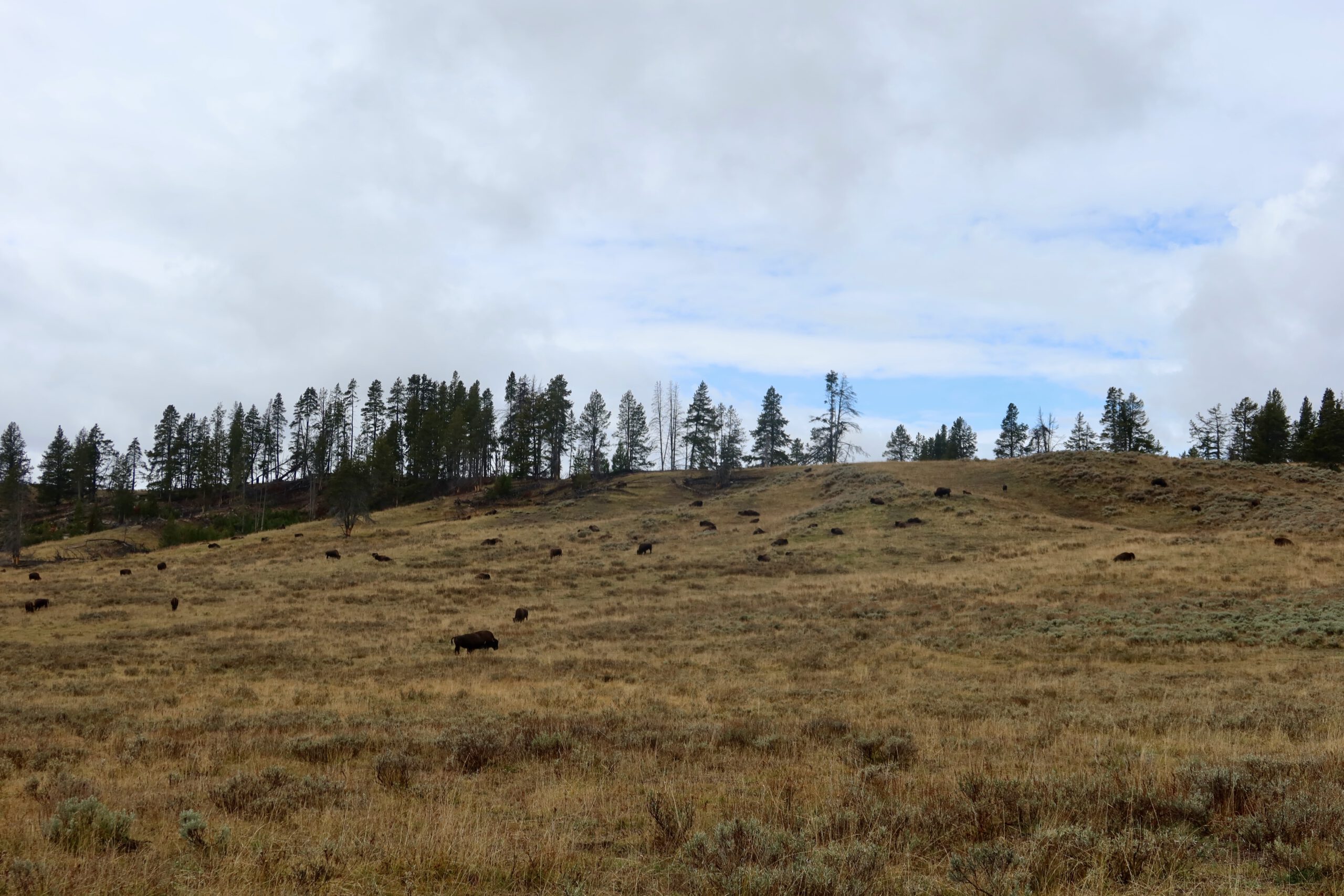
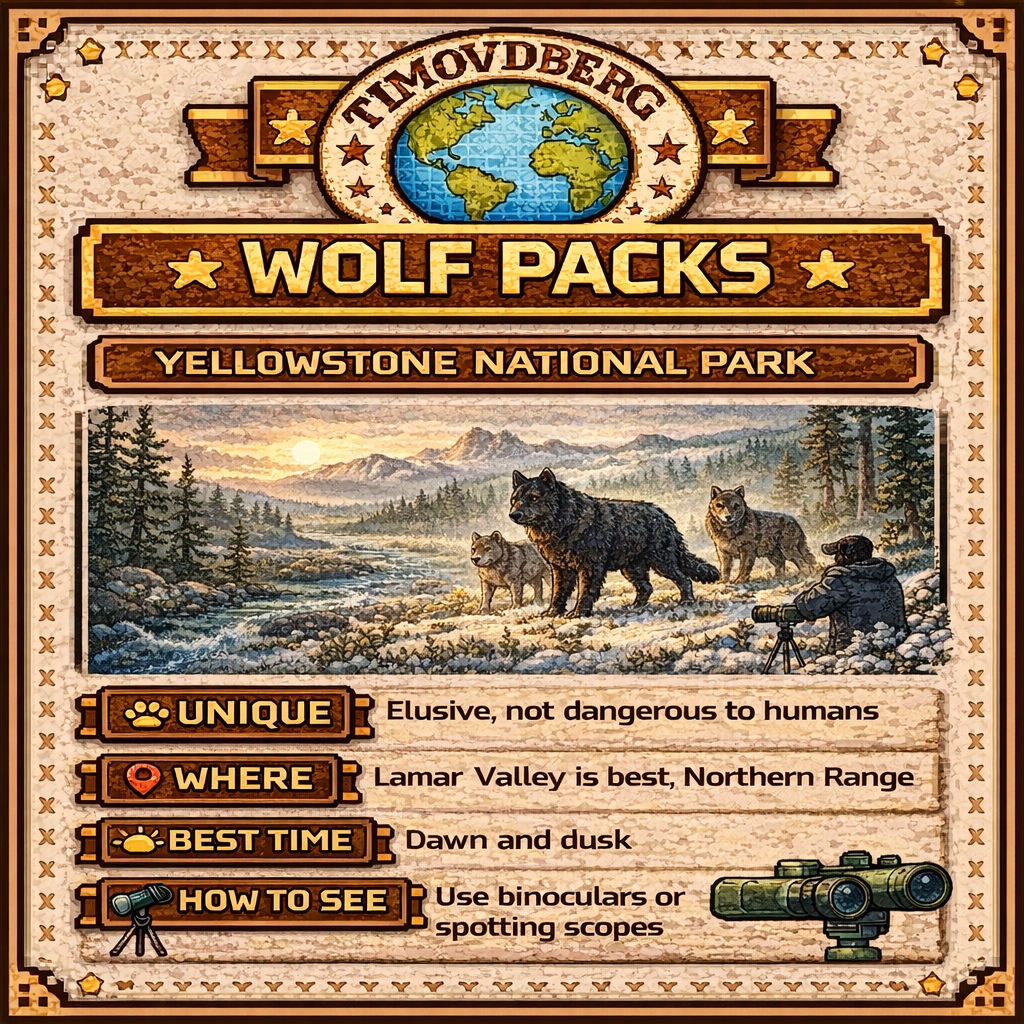
Many visitors bring binoculars or spotting scopes, and it is not uncommon to see high end optics from brands like Leica or Swarovski set up along roadside pullouts. These tools allow visitors to observe animals safely and respectfully, without disturbing natural behavior. Wildlife viewing in Yellowstone is about patience, distance, and luck. Visitor centers are always the best place to ask about recent sightings and animal movement before heading out for the day.
We forgot to take a big camera lens, or a scope. We traveled to the United States by plane, so we had limited space, but if you go to the Yellowstone National Park, this is highly recommended to take with you. We had the luck when we spotted a pack of wolves, that a man carried a Swarovski scope with him, so when we got asked if we wanted to see it as well, we did not need to think long.
We were both just standing there with our Canon Powershot G7x Mark III and a Sony A6300 body with a 18-105mm G-lens. This wasn’t enough to spot more wildlife that are less close to the main roads. A lot of other people are walking with their 600mm lenses on their camera’s, so please be prepared to take something good with you, and a good tripod for both your camera and scopes, to be able to actually see some wildlife in Yellowstone National Park.
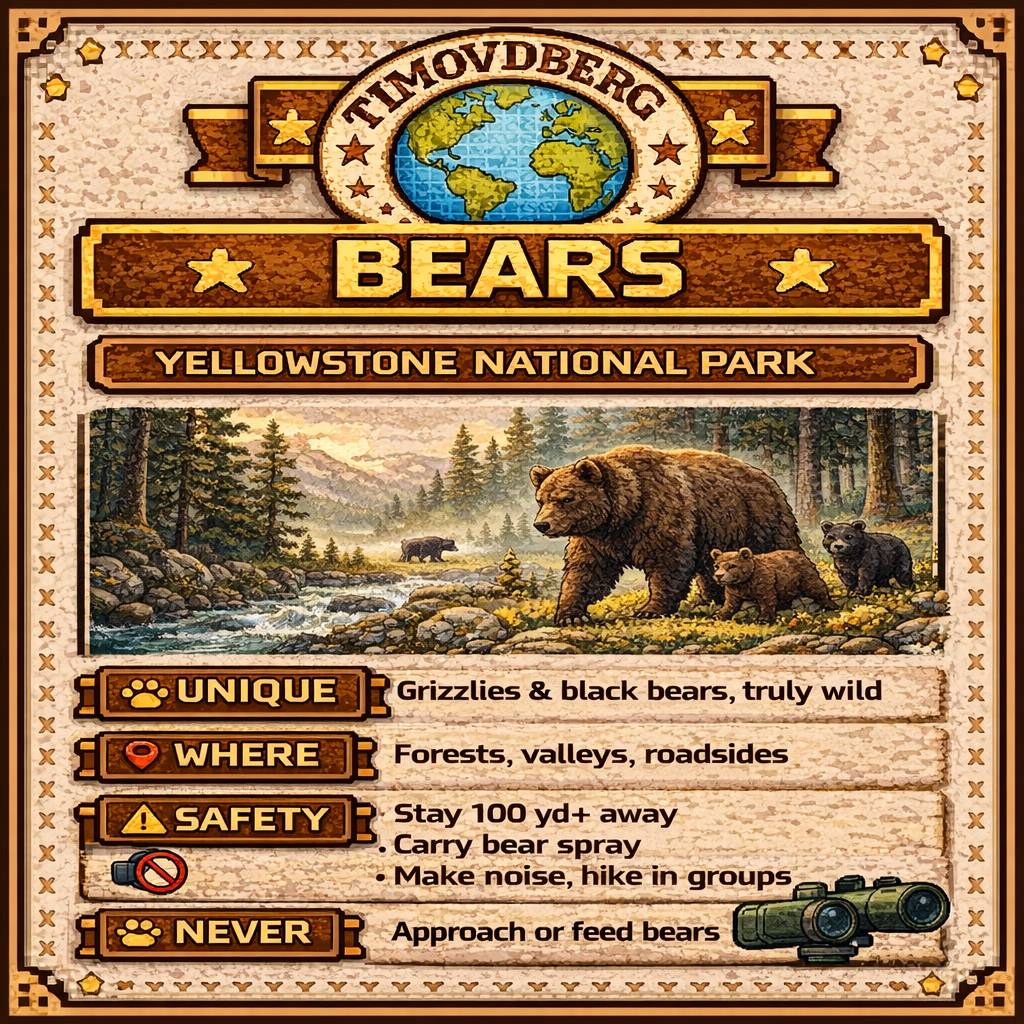
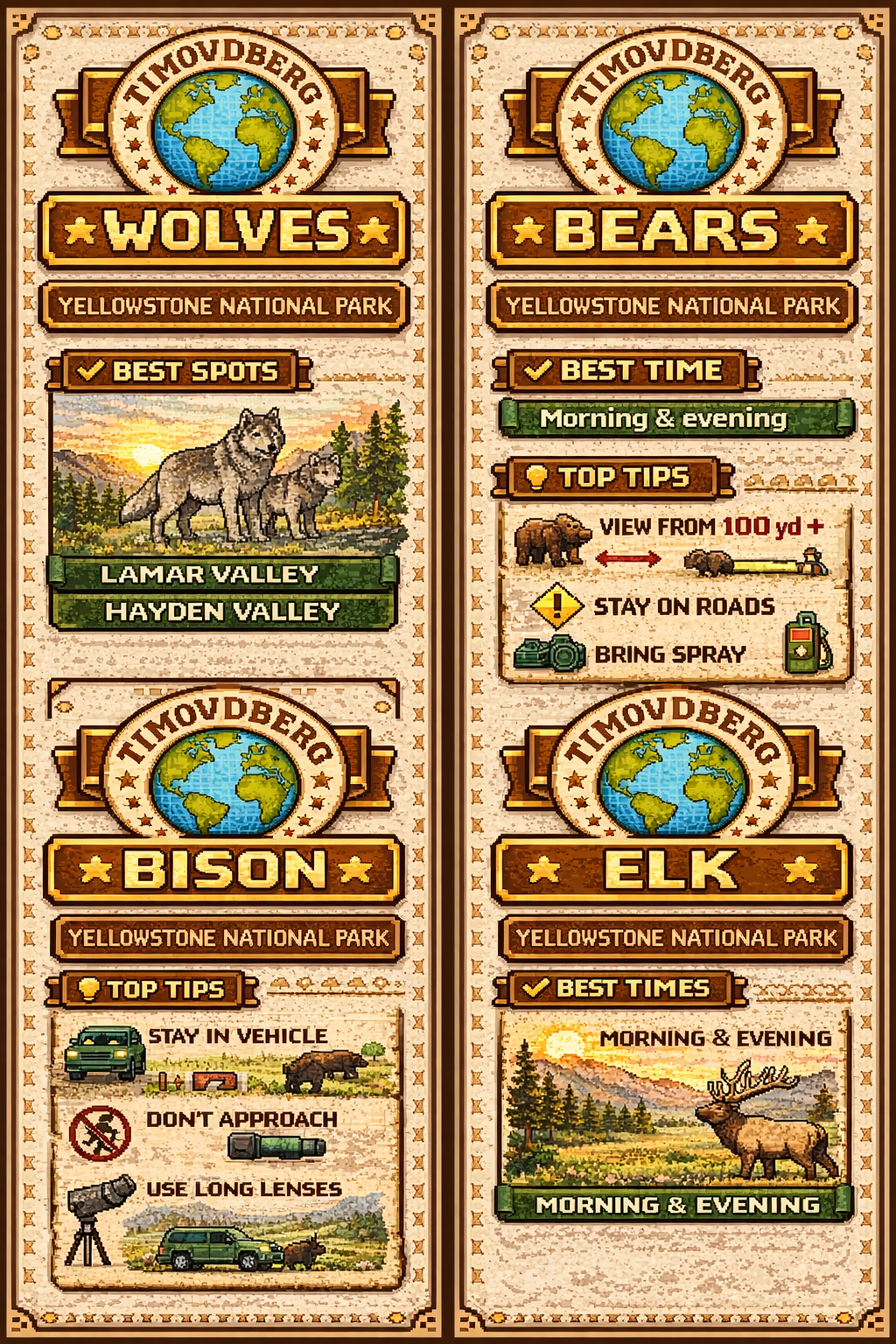
Common Wildlife and How to Spot Them
| Animal | Where to Look | Best Time | How to Spot Safely |
|---|---|---|---|
| Bison | Lamar Valley, Hayden Valley, roadsides | All day | Stay in vehicle or use long lenses |
| Elk | Mammoth area, meadows, valleys | Morning and evening | Watch from pullouts, keep distance |
| Wolves | Lamar Valley, Hayden Valley | Early morning, dusk | Use spotting scopes, follow ranger advice |
| Bears | Forest edges, valleys | Morning and evening | Observe from 100 yards or more |
| Moose | Wetlands, rivers, lake edges | Morning | Look near willows and water |
| Fox | Northern park areas | Early morning | Watch quietly from a distance |
| Otters | Rivers and lakes | Daytime | Scan shorelines and calm water |
Wildlife sightings are never guaranteed, and that unpredictability is part of what makes Yellowstone special. Keeping distance, using optics, and respecting park rules helps protect both visitors and animals while increasing the chance of meaningful observations.
Park Regions by Entrance, Choosing the Right Way Into Yellowstone
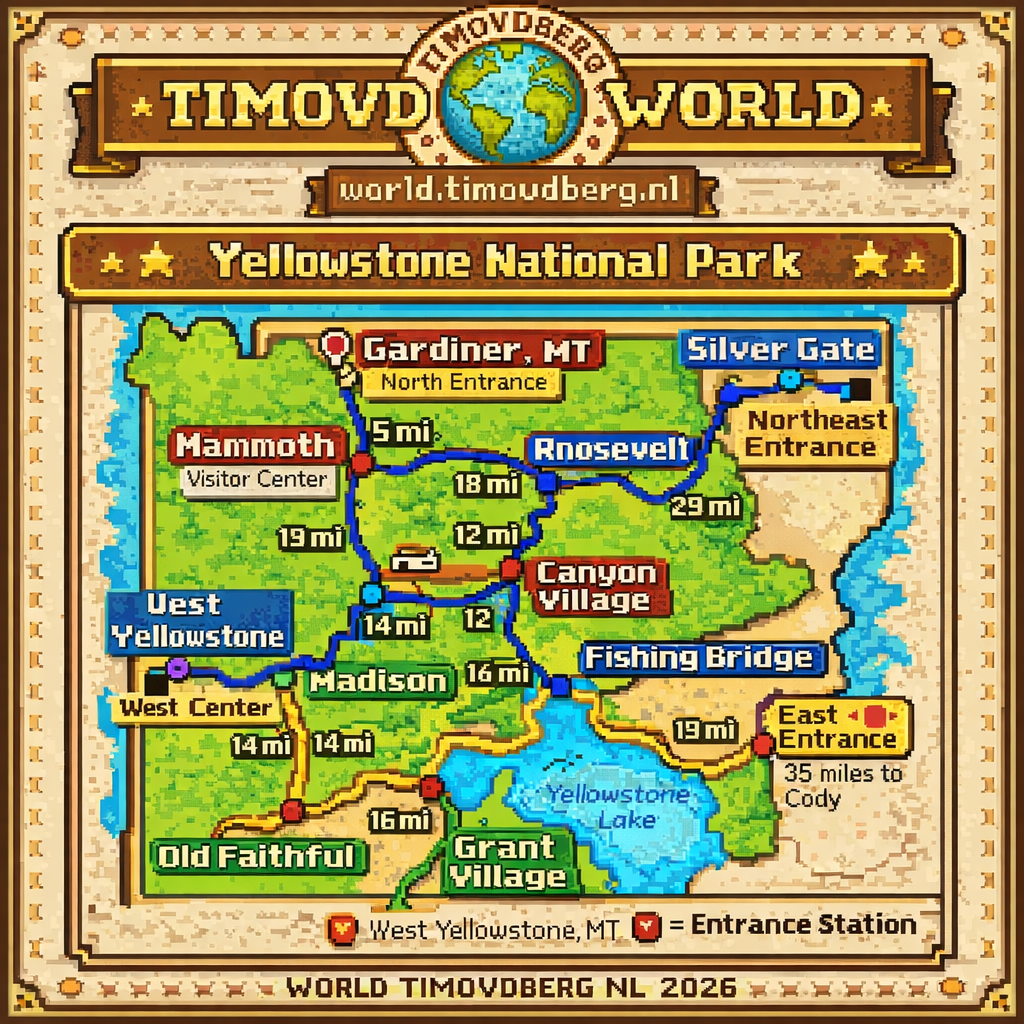
Yellowstone National Park is massive, covering more than 8,900 km² (3,470 sq mi). Because of its size, choosing the right entrance can significantly shape your route, daily driving distances, and overall experience. The park has five official entrances, each leading into a different region with its own strengths, landscapes, and nearby gateway towns.
North Entrance, Mammoth Hot Springs and Gardiner, Montana
The North Entrance is unique because it is the only entrance open year round. It brings you directly into the Mammoth Hot Springs area and is located right next to the town of Gardiner. This makes it one of the most practical and flexible entrances, especially for travelers staying outside the park.
From the North Entrance, you reach Mammoth Hot Springs within minutes. This area is known for its dramatic travertine terraces, boardwalks, historic buildings, and easy wildlife sightings. From Mammoth, the road continues east toward the Tower Roosevelt area and further into Lamar Valley, one of the best places in the park for spotting bison, wolves, bears, and elk.
Gardiner works extremely well as a basecamp. It offers hotels, restaurants, grocery stores, fuel, and quick access to the park without long daily drives. The North Entrance also avoids some of the heavy congestion found at seasonal entrances, making it a strong choice for travelers who value flexibility, early starts, and evening returns without worrying about gate closures.
Northeast Entrance, Lamar Valley and Beartooth Highway
The Northeast Entrance is all about wildlife and scenery. It provides direct access to Lamar Valley and is often considered the best entrance for animal watching. This entrance connects to Cooke City and Silver Gate, small mountain towns near the edge of the park.
The drive over the Beartooth Highway, when open, is one of the most scenic routes in the region. However, this entrance is seasonal and closes during winter due to snow. It works best for travelers coming from northeastern Montana or those specifically focused on wildlife photography.
East Entrance, Yellowstone Lake and Cody, Wyoming
Entering through the East Entrance places you near Yellowstone Lake, the largest high elevation lake in North America. This entrance is commonly used by travelers staying in Cody, Wyoming, a larger town with a strong Old West identity.
The East Entrance is quieter than the West Entrance and offers a more gradual introduction to the park. From here, you can explore the lake area, West Thumb Geyser Basin, and eventually continue north toward Canyon Village.
South Entrance, Grand Teton to Yellowstone Route
The South Entrance is ideal for travelers combining Grand Teton National Park and Yellowstone in one trip. It connects Jackson, Wyoming with Yellowstone via a scenic drive along the John D. Rockefeller Jr. Memorial Parkway.
This entrance is best suited for road trips that include both parks. However, it involves longer drives inside Yellowstone before reaching major highlights, making it less efficient if Yellowstone is your sole focus.
West Entrance, Geyser Basins and West Yellowstone
The West Entrance is the busiest entrance in Yellowstone and leads directly into geyser country. From here, you quickly reach Madison Junction, Norris Geyser Basin, and the Lower, Midway, and Upper Geyser Basins, including Old Faithful.
West Yellowstone offers many hotels, restaurants, souvenir shops, and services, often at lower prices than inside the park. However, traffic congestion is common during peak season, especially in the mornings and late afternoons.
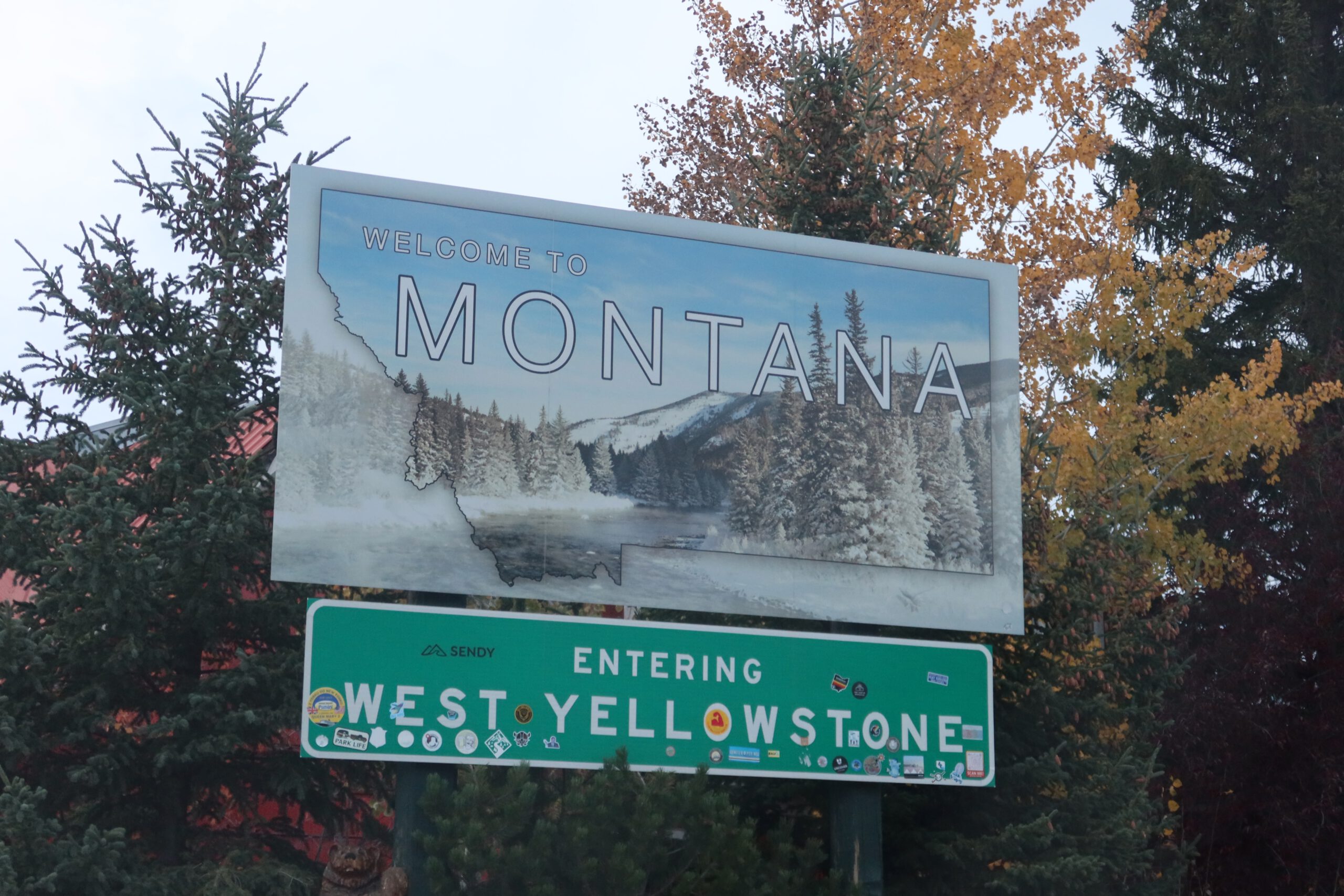
So, actually. If you would like to take a picture of the Montana sign, there’s only one of them in the area of Yellowstone National Park. It’s located in the state of Montana, in a town called “West Yellowstone”. We wanted to take a picture of the Montana-state-sign, but this was our only view at one.
Why the North Entrance and Gardiner Make Sense
For travelers who want flexibility, access to wildlife areas, and a comfortable town base just outside the park, the North Entrance paired with Gardiner stands out. Being able to enter and exit the park without seasonal restrictions, combined with quick access to Mammoth Hot Springs and Lamar Valley, makes this entrance both practical and rewarding.
Choosing an entrance based on your travel route and priorities can reduce driving time and improve your overall Yellowstone experience.
Driving Distances and Realistic Planning in Yellowstone National Park
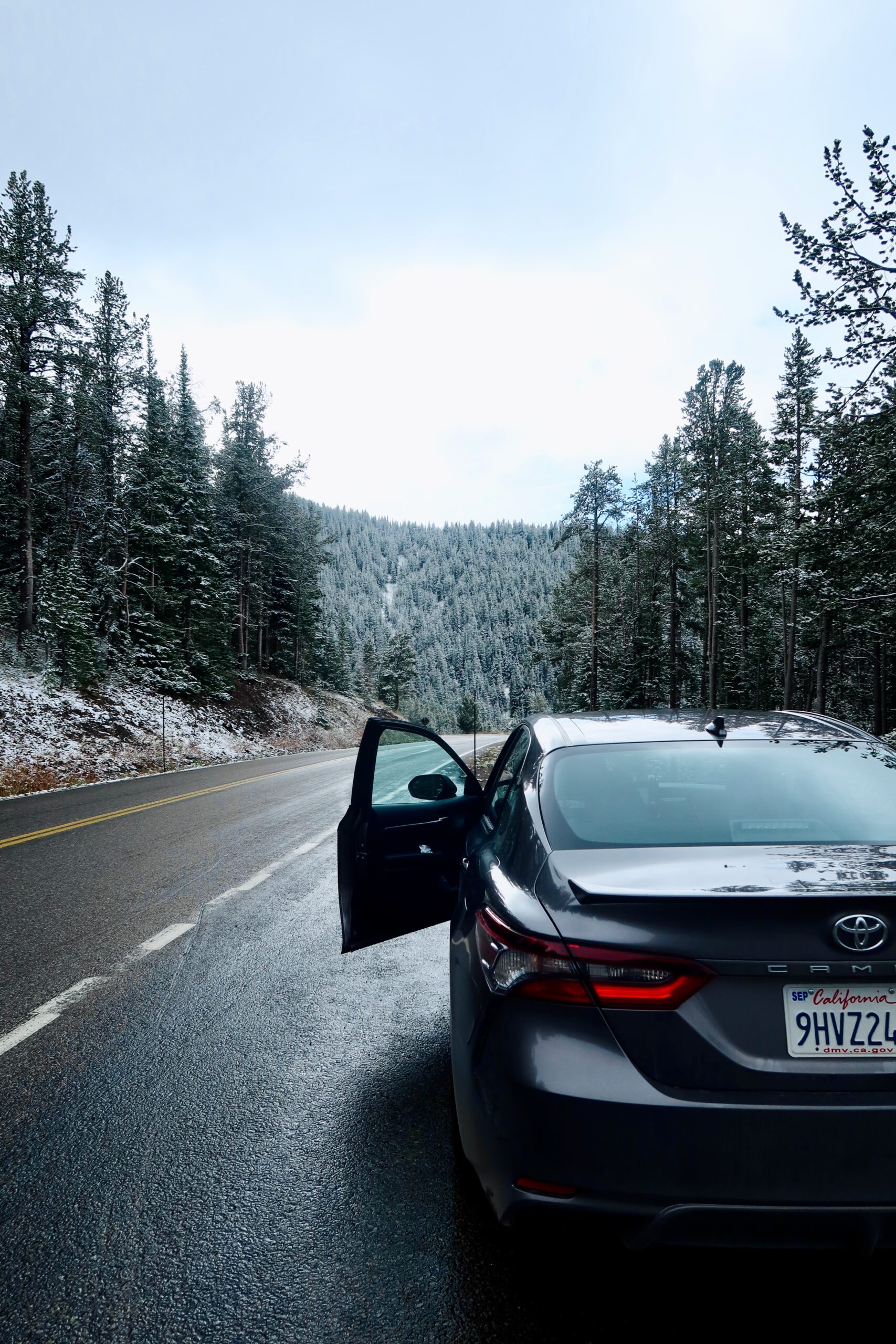
Driving through Yellowstone National Park takes more time than most visitors expect. Although distances on the map may look short, actual travel times are often much longer due to winding roads, speed limits, wildlife crossings, scenic pullouts, and frequent stops. A drive that appears to be 20 miles can easily take an hour or more, especially during peak season.
Wildlife traffic jams are common, particularly in areas like Lamar Valley, Hayden Valley, and near Mammoth Hot Springs. Bison, elk, or bears regularly slow traffic to a complete stop. Rather than seeing this as an inconvenience, it helps to plan fewer destinations per day and allow time for spontaneous stops. Yellowstone is best experienced at a slower pace, where flexibility matters more than ticking off landmarks.
| Route | Distance | Realistic Drive Time |
|---|---|---|
| Gardiner to Mammoth Hot Springs | 5 mi | 15–25 minutes |
| Mammoth to Lamar Valley | 29 mi | 1–1.5 hours |
| Old Faithful to Canyon Village | 21 mi | 45–75 minutes |
| Canyon Village to Hayden Valley | 7 mi | 20–40 minutes |
| Lake Village to Grant Village | 21 mi | 45–60 minutes |
Best Time to Visit Yellowstone National Park, Seasons Explained
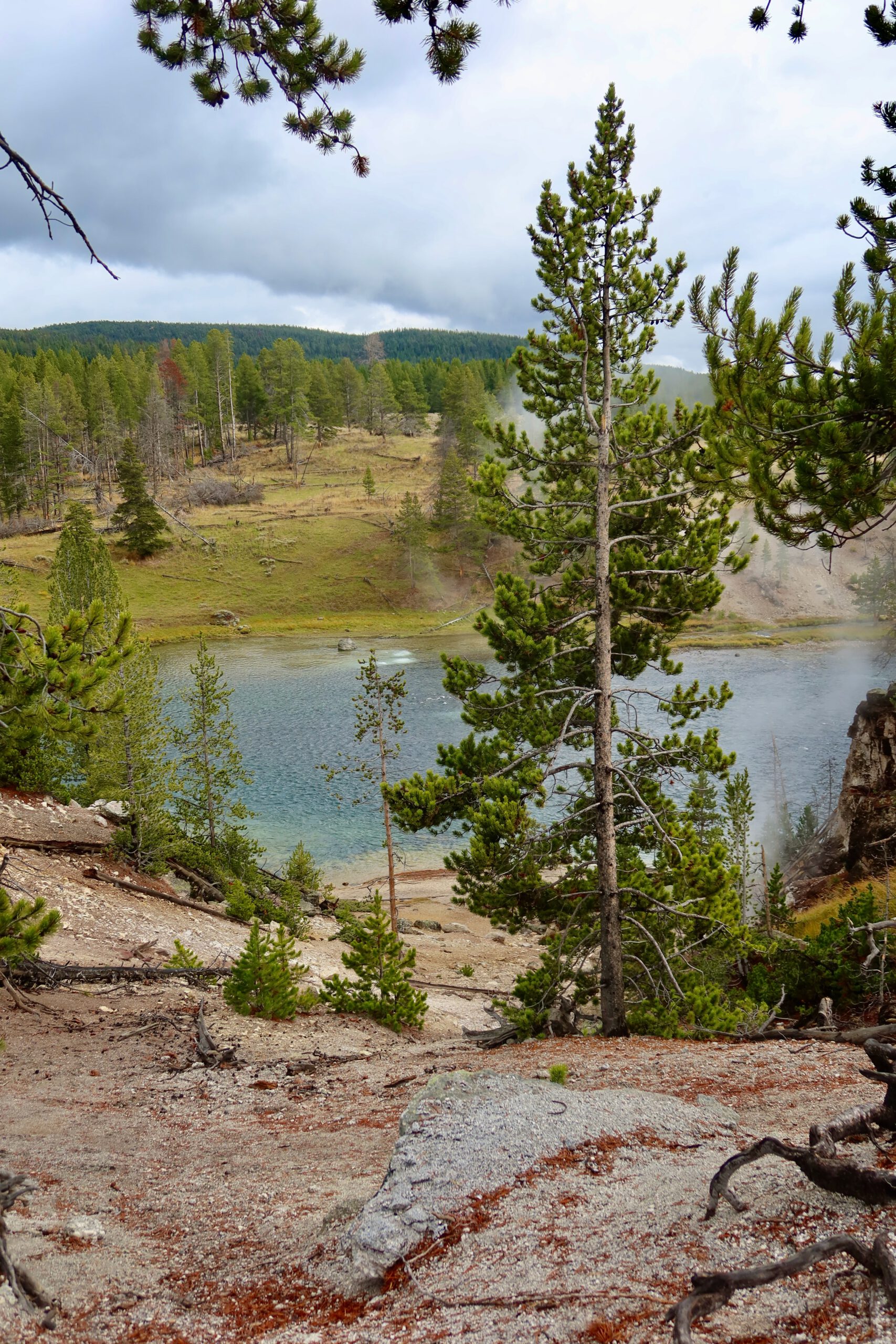
Each season in Yellowstone National Park offers a very different experience. Spring brings fewer crowds and increased wildlife activity, but many roads and facilities remain closed due to snow. Summer is the most accessible season, with all park roads open, but also the busiest, especially around geyser basins and popular viewpoints.
Fall is often considered one of the best times to visit. Crowds decrease, temperatures cool down, and elk mating season adds unique wildlife viewing opportunities. Winter is a specialized experience focused on snowshoeing, cross-country skiing, and snowcoach tours. Access is limited, but the park feels quiet and remote.
| Season | What to Expect |
|---|---|
| Spring | Wildlife activity, snow, limited access |
| Summer | Full access, busy roads, long days |
| Fall | Fewer crowds, elk rut, cooler weather |
| Winter | Snow travel, limited entrances, guided access |
Safety, Rules, and Respecting Yellowstone National Park
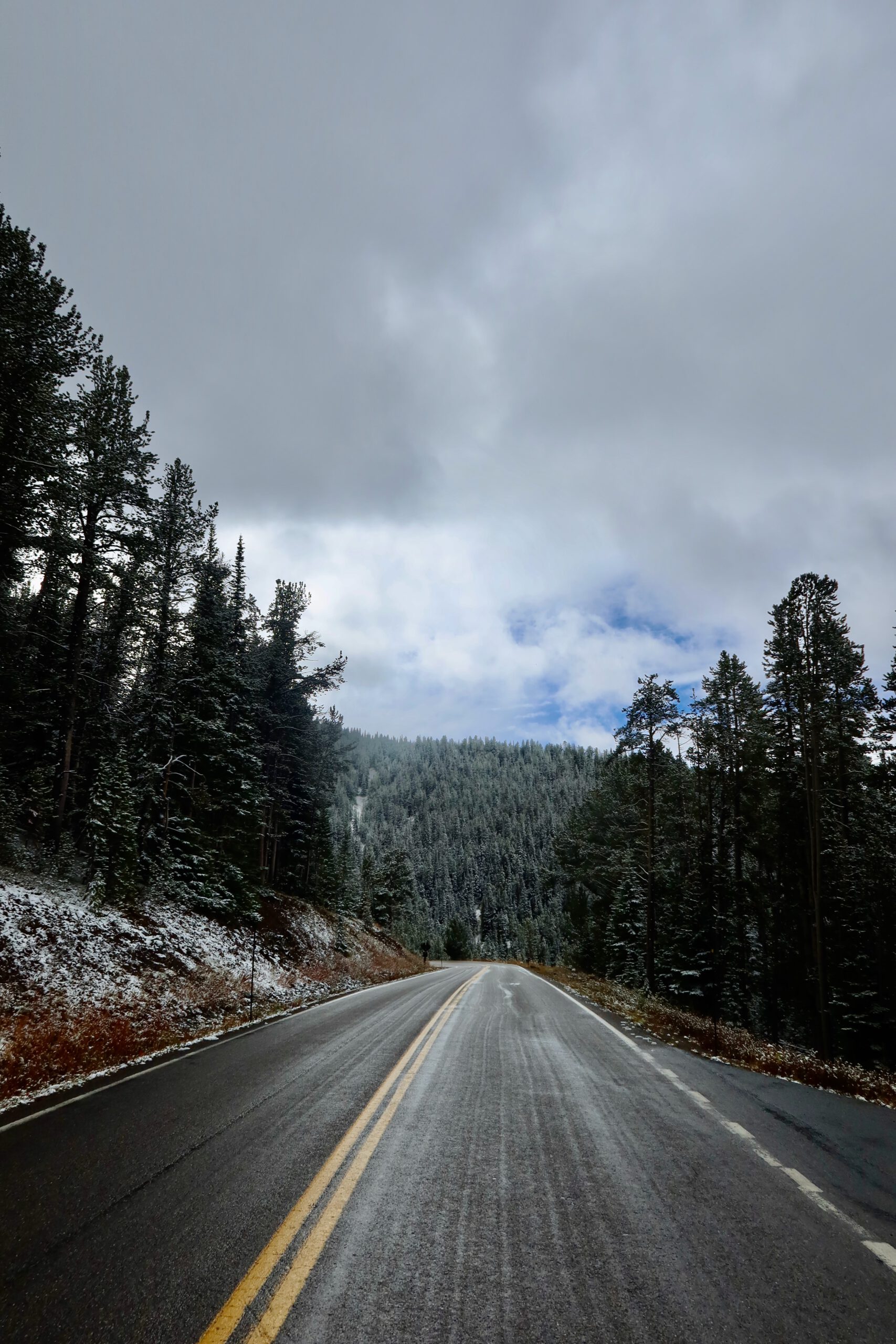
Yellowstone National Park is a wild and active landscape, and safety rules exist to protect both visitors and wildlife. Maintaining distance from animals is essential. Large mammals can react unpredictably, and approaching them puts everyone at risk. Boardwalks and designated trails are in place for a reason, especially in geothermal areas where the ground can be dangerously unstable.
Staying informed through visitor centers, respecting road closures, and following ranger guidance helps preserve the park for future visitors. Responsible behavior not only keeps people safe, but also ensures wildlife remains wild and undisturbed. Yellowstone rewards patience, awareness, and respect more than speed or rigid schedules.
Final Thoughts, Experiencing Yellowstone the Right Way
Yellowstone National Park is not a place you simply visit, it is a place you experience over time. From geothermal landscapes and vast valleys to wildlife encounters and historic gateways, the park rewards travelers who slow down, stay flexible, and let the environment set the pace. No two days inside Yellowstone ever feel the same, and that unpredictability is part of its magic.
For us, approaching Yellowstone from the South, traveling through the park toward the North Entrance, and staying in Gardiner, Montana created a balanced and memorable experience. Combining time inside the park with the comfort and practicality of a gateway town allowed us to explore deeply without feeling rushed or overwhelmed. Visitor centers, quiet mornings, wildlife moments, and simple choices like where to eat or refuel all shaped how the park revealed itself to us.
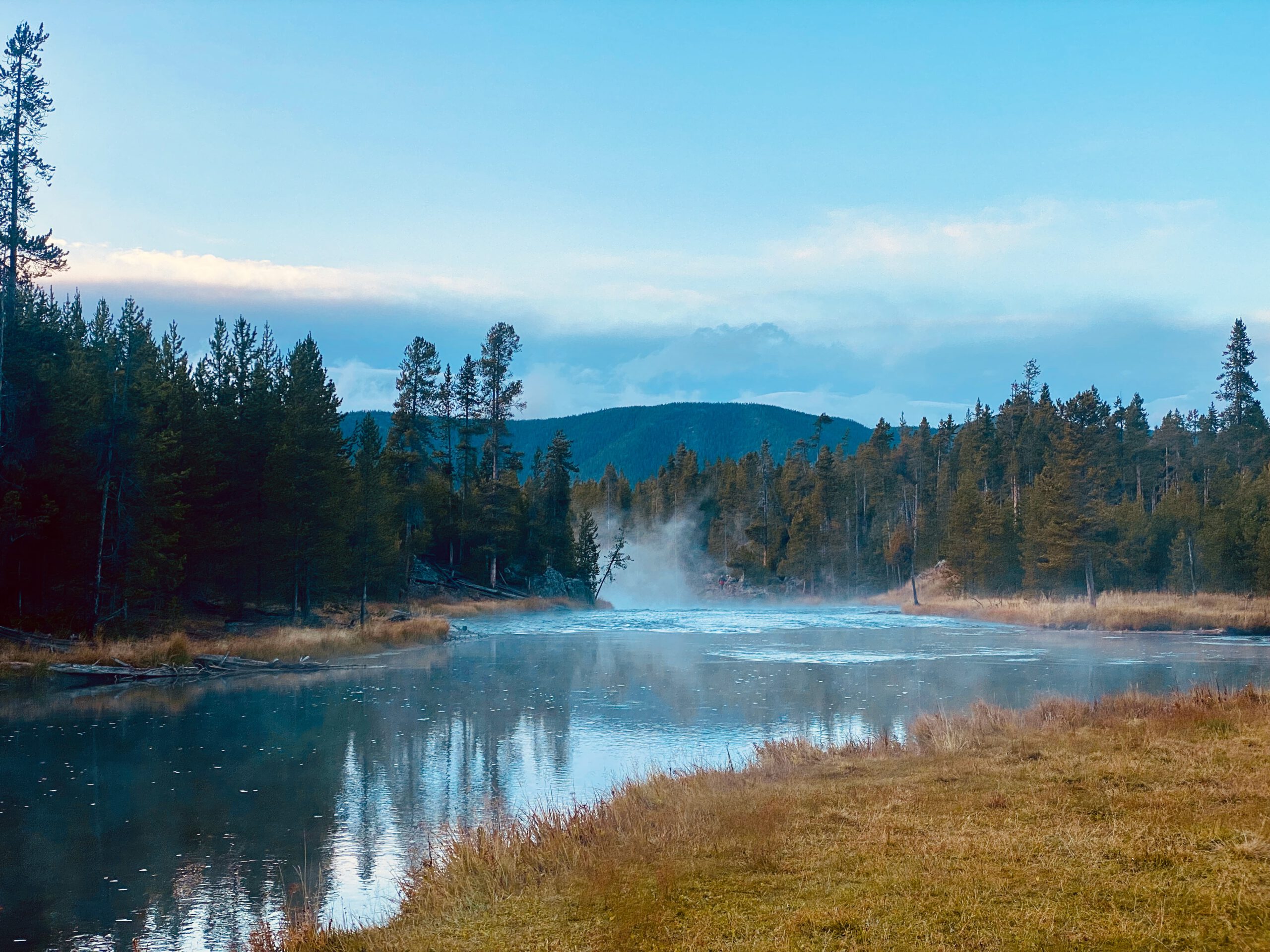
Yellowstone works best when you plan just enough, but leave room for the unexpected. A bison crossing the road, steam rising from a hidden thermal area, or a distant wolf spotted through a scope often becomes the highlight of the day. Respecting the landscape, following park rules, and staying curious ensures that these moments remain possible for future visitors.
Whether this is your first time visiting Yellowstone National Park or a return journey, the park has a way of grounding you in nature on a scale that few places can. Take your time, stay observant, and let Yellowstone show itself on its own terms.