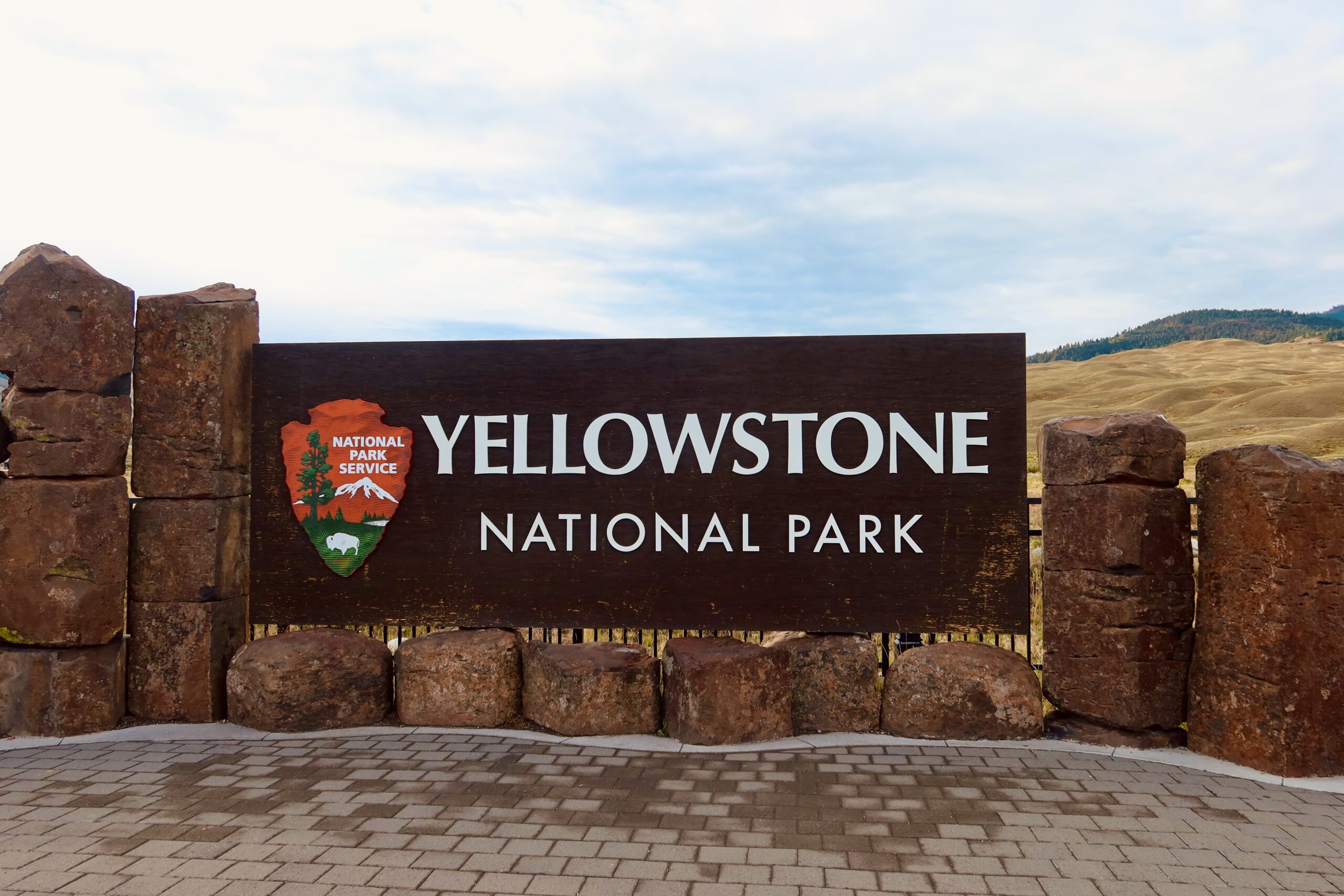


Wildlife in Yellowstone NP was the main reason I wanted to visit in the first place. Before geysers, before hot springs, before Grand Prismatic, it was all about animals. This blog is my introduction to Yellowstone, and to the Wildlife in Yellowstone NP that made the entire trip unforgettable.
I have written a broader Yellowstone blog about our full experience, but this one focuses purely on animals and birds. And yes, we were honestly underprepared. We only brought a Canon G7X Mark III and our iPhones. No binoculars. No telephoto lens like a 100 to 400mm or 200 to 600mm. That definitely shaped how we experienced the Wildlife in Yellowstone NP.
Day One, Elk Everywhere
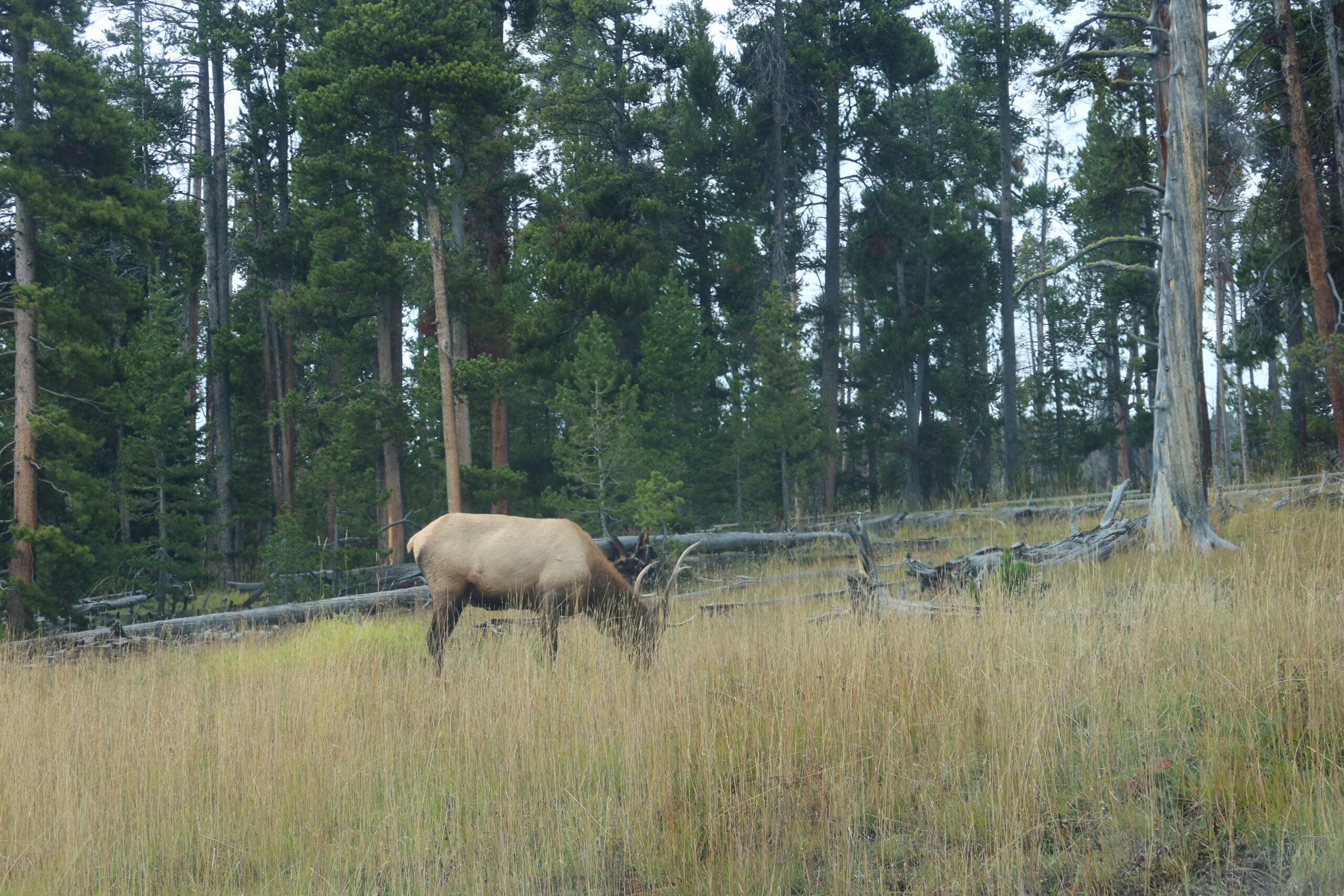
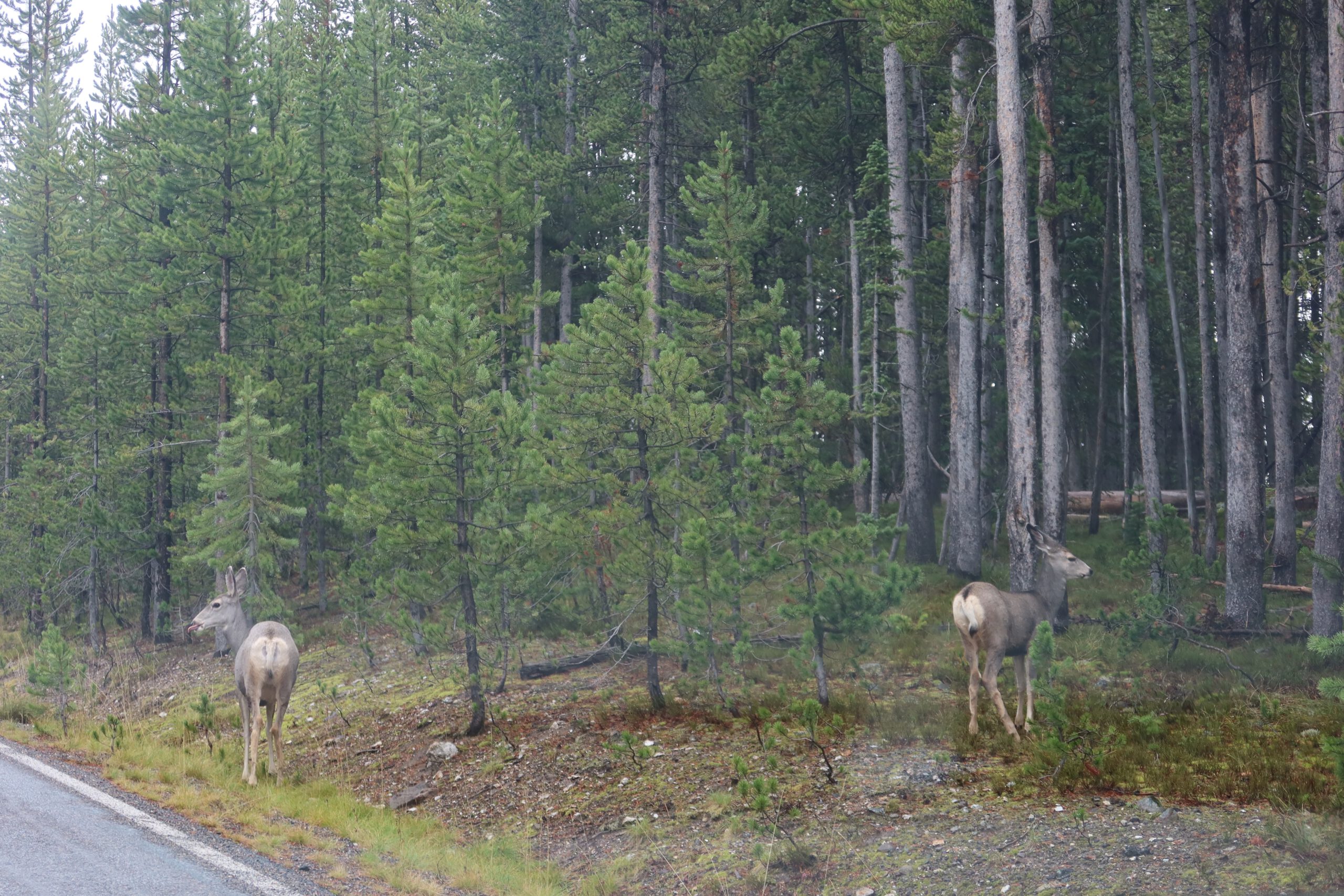
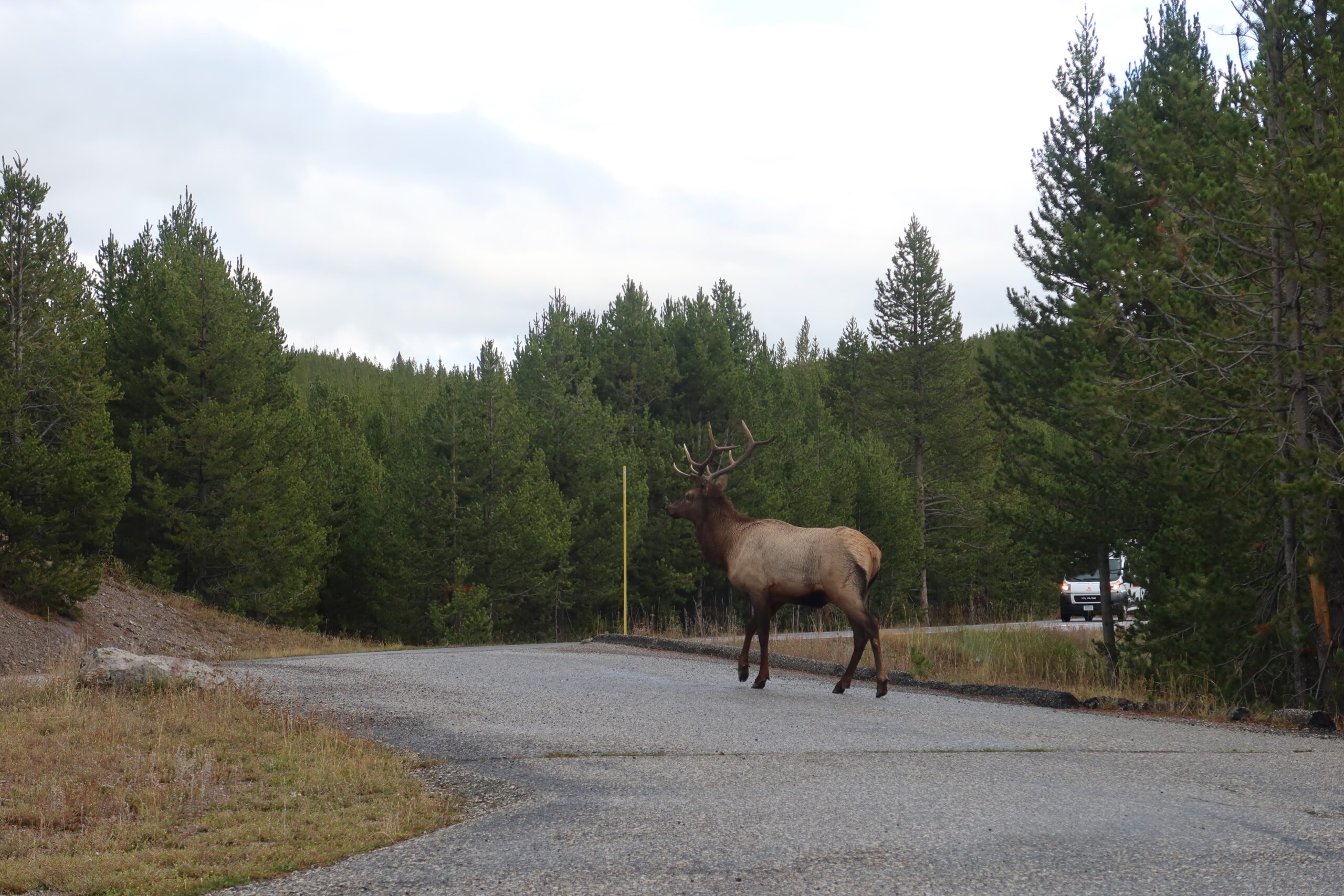
On our very first day inside Yellowstone, Wildlife in Yellowstone NP greeted us immediately. Along creeks, near meadows, and even beside the main roads, elk were calmly grazing.
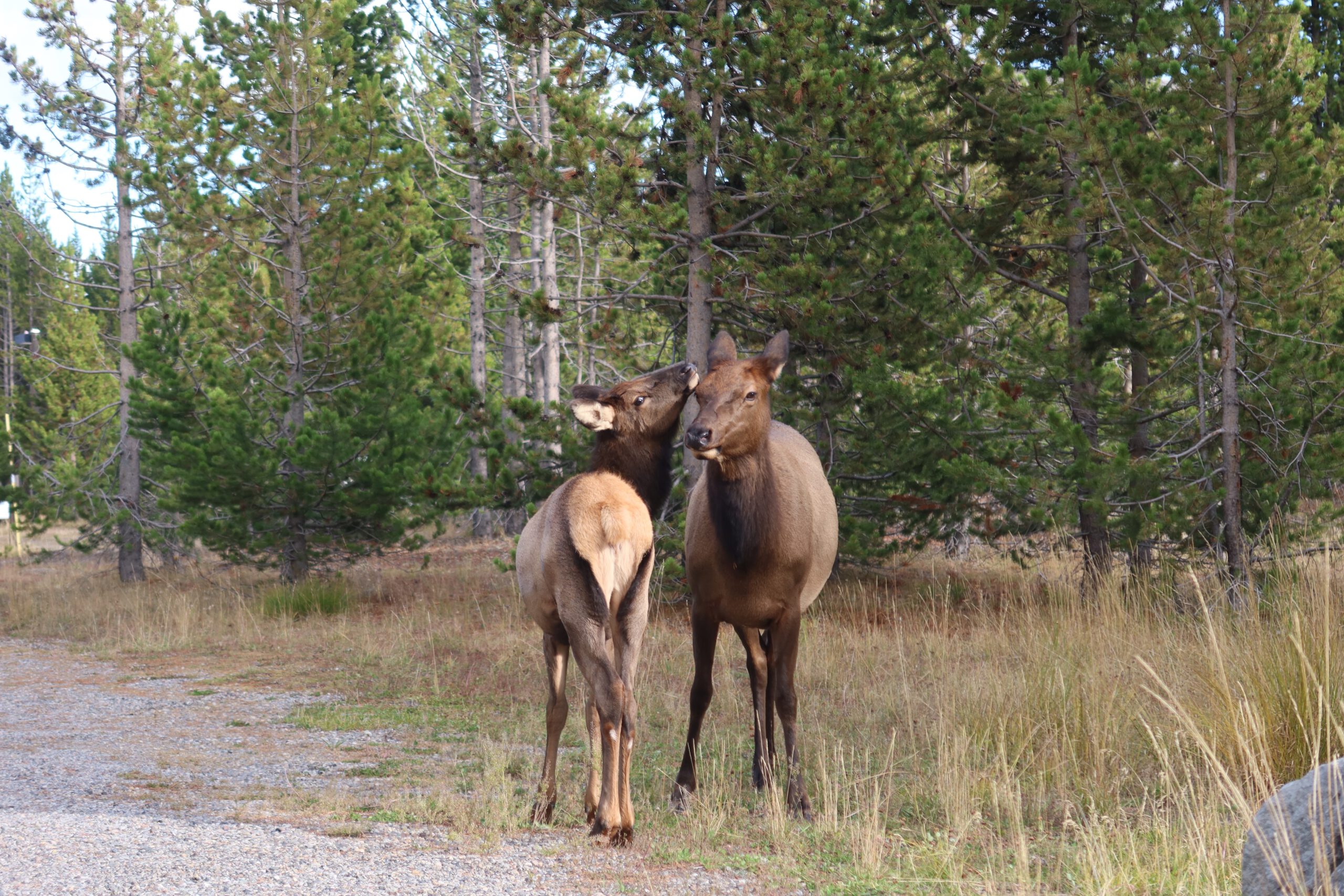
Elk are one of the most abundant large mammals in the park. The Rocky Mountain elk thrives in Yellowstone because of the vast open grasslands, river valleys, and forest edges. These animals migrate seasonally, often moving to lower elevations in winter and spreading out across higher terrain in summer.
Seeing elk along creeks makes perfect sense. They prefer areas with access to water and fresh grasses. During rut season in fall, bulls gather harems and bugle loudly to defend their territory. We did not witness a full rut display, but even outside that season, elk feel iconic. They look wild, powerful, and perfectly placed in the Yellowstone landscape.
Wildlife in Yellowstone NP already felt real within the first hour.
Bison, The True Symbol of Wildlife in Yellowstone NP
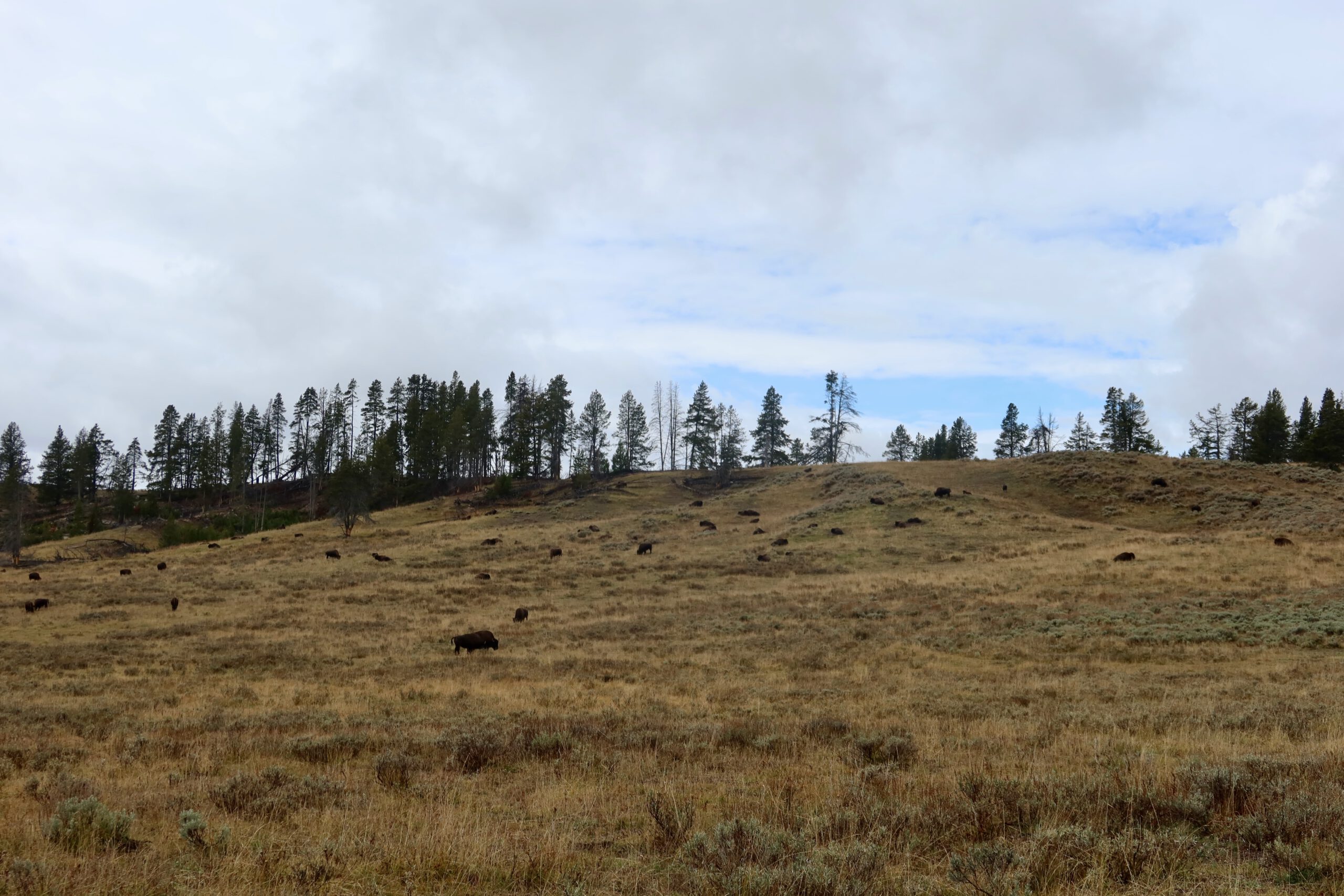
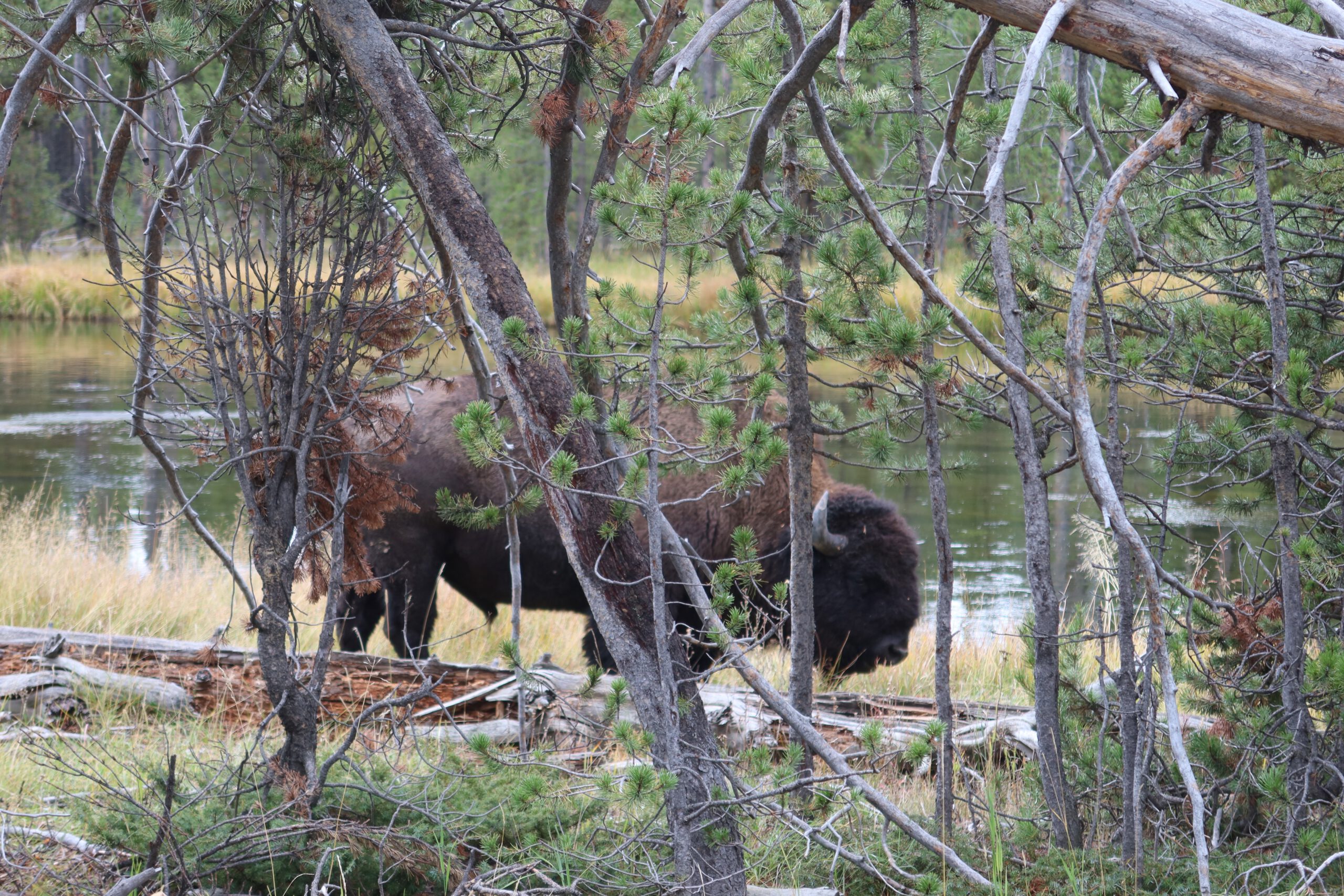
If elk were impressive, bison were overwhelming. We saw countless bison in Yellowstone, far more than elk. Large herds were resting in open valleys, crossing roads, standing in steaming thermal areas, and grazing endlessly.
The plains bison is abundant in Yellowstone and represents one of the last continuously wild herds in North America. Yellowstone holds the largest free roaming population of American bison in the United States. These animals once nearly went extinct in the 19th century, but Yellowstone became a refuge that helped secure their survival.
Bison move in groups for protection and social structure. Cows, calves, and bulls form dynamic herds, and in summer the breeding season creates dramatic interactions. During colder months, bison use their massive heads to sweep snow aside and access grass underneath. Their adaptation to harsh winters is remarkable.
Wildlife in Yellowstone NP would not be complete without bison. Honestly, the park almost feels like a bison kingdom.
Birds in Yellowstone NP, Harder Than Expected
We saw many birds, but photographing them was another story. Without a proper telephoto lens like a 100 to 400mm, capturing sharp wildlife shots was nearly impossible. Our Canon G7X Mark III simply did not have the reach.
Still, Wildlife in Yellowstone NP includes an incredible variety of birds. We saw hawks soaring above open valleys and what appeared to be eagles perched at a distance. Raptors thrive here because of the abundance of prey such as rodents, fish, and smaller mammals.
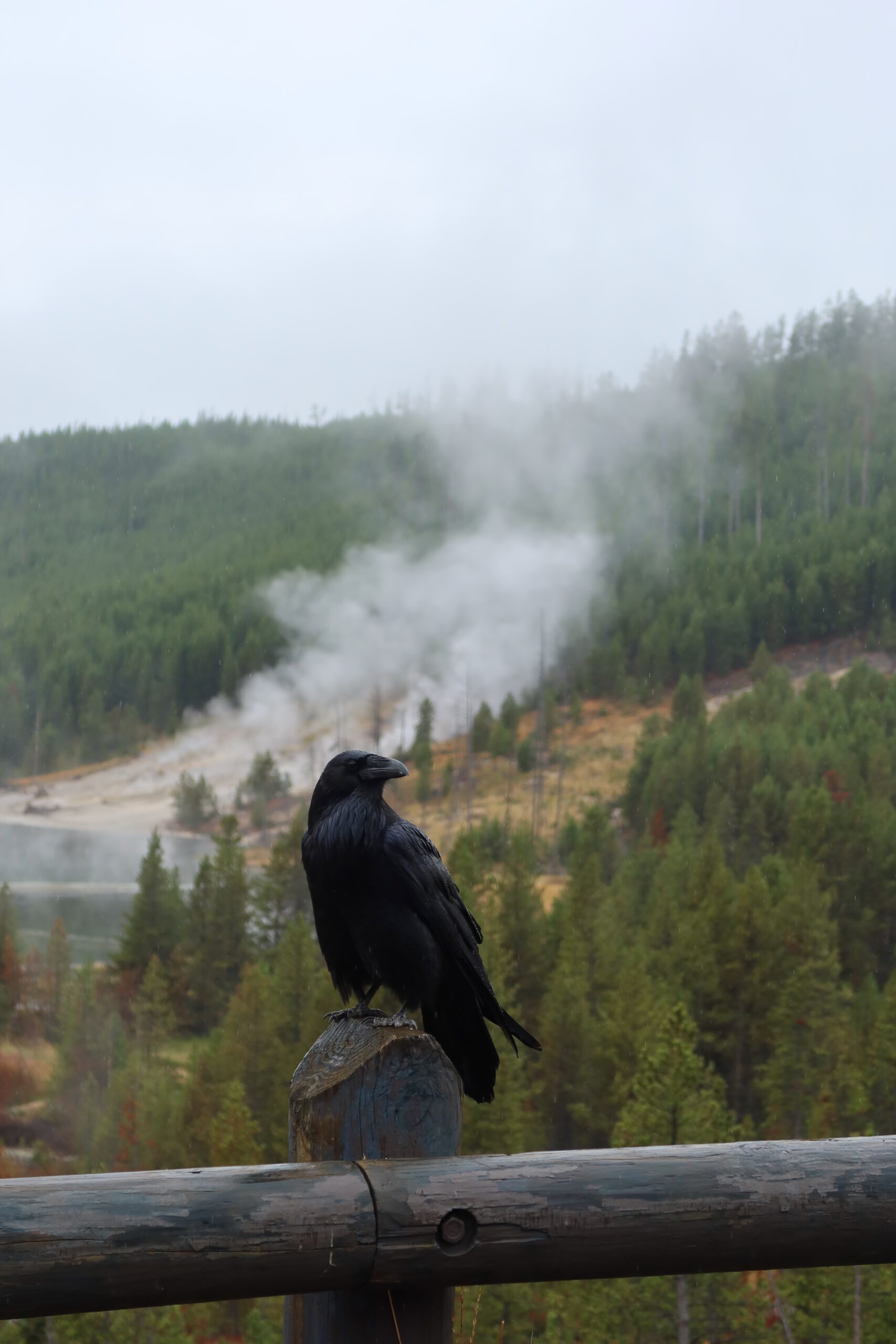
The only bird we truly managed to photograph clearly was a large raven. Ravens are highly intelligent and commonly found throughout Yellowstone. They adapt easily to different habitats, from forests to geothermal areas. You often see them near roads, campgrounds, and even following predators in hopes of scavenging leftovers.
Birds in Yellowstone NP are best observed early in the morning or late in the day, when activity peaks and light is softer. With binoculars or a long lens, the experience would have been completely different.
Pronghorn at the Montana Entrance
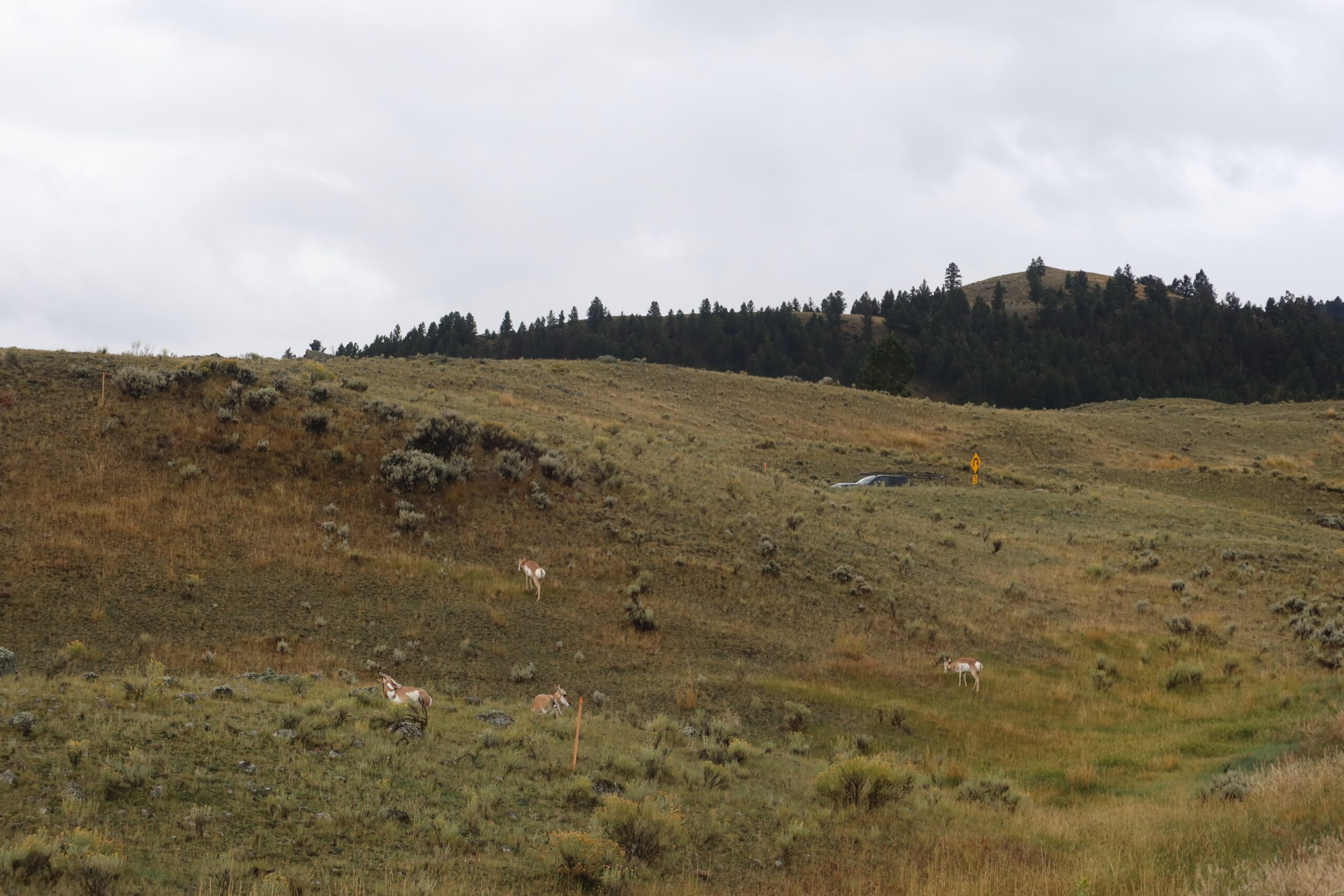
Entering Yellowstone from Montana, we spotted pronghorn along the roadside. They were resting in small groups across open fields.
Pronghorn are among the fastest land mammals in North America. They prefer sagebrush and grassland habitats, which explains why we saw them near the park entrance. Unlike deer, pronghorn evolved for speed and open landscapes. They rely on visibility and distance rather than forests for protection.
Wildlife in Yellowstone NP begins even before the official gates.
Ground Squirrels in Yellowstone National Park
Ground squirrels are a small but essential part of the Wildlife in Yellowstone NP ecosystem. These fast moving rodents are commonly seen in open meadows, forest edges, and rocky clearings throughout the park. Species such as the Uinta ground squirrel and the golden mantled ground squirrel thrive in Yellowstone because of the combination of grasslands, fallen timber, and predator rich terrain.
Ground squirrels live in underground burrow systems that provide protection against harsh winters and predators. During summer, activity peaks as food is collected and stored. Seeds, grasses, and small plants make up most of the diet. In colder months, long periods of hibernation allow survival in Yellowstone’s extreme winter climate.
These animals play a critical ecological role. Ground squirrels serve as prey for coyotes, foxes, hawks, eagles, and even bears. By digging burrows, soil aeration improves and plant growth benefits. In Yellowstone, even the smallest mammals contribute to the balance of the ecosystem.
The Ground Squirrel We Spotted
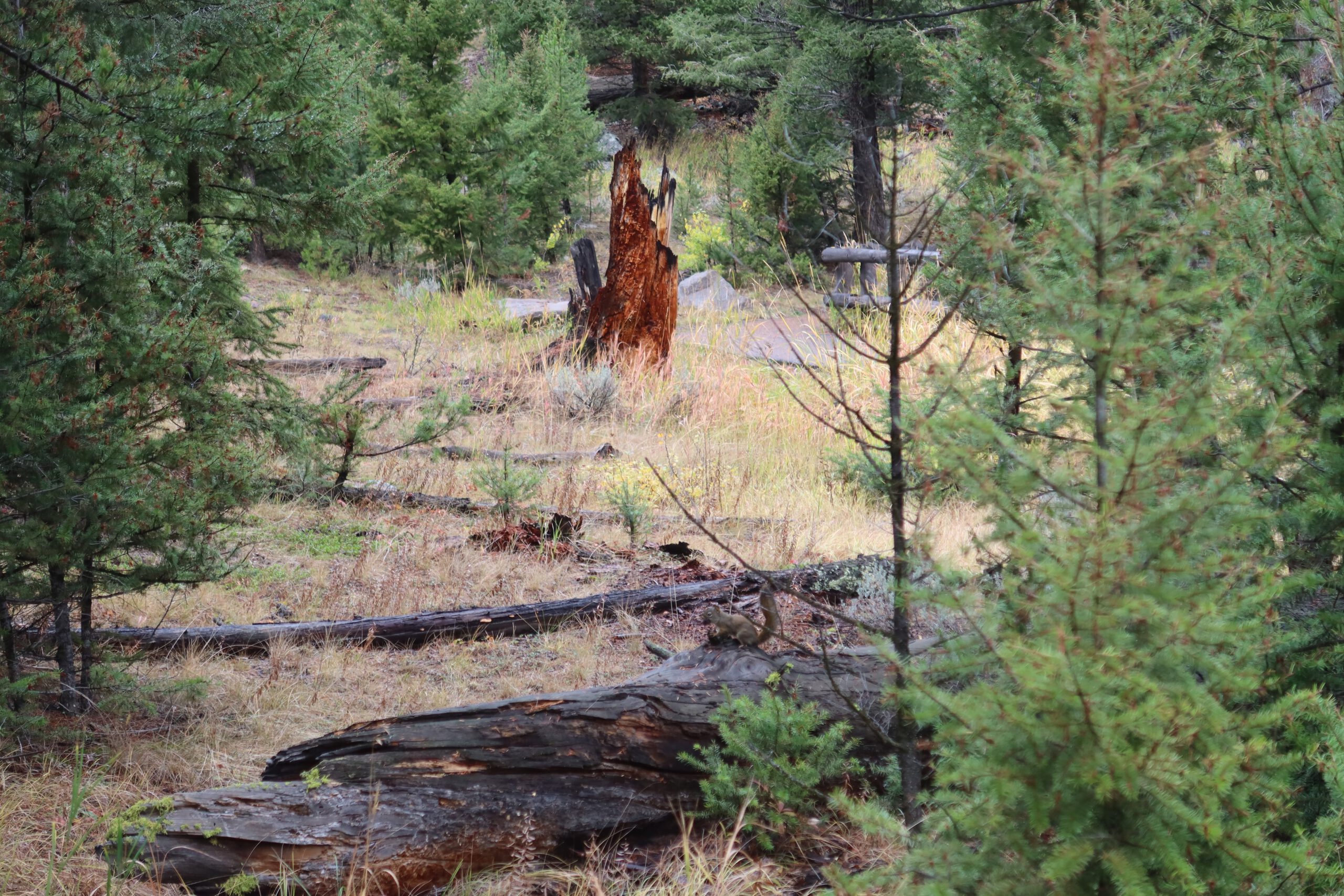
The individual spotted in this forest clearing was resting on a fallen tree trunk, surrounded by pine trees and dry grasses. The setting perfectly reflects typical ground squirrel habitat in Yellowstone National Park. Fallen logs provide lookout points, while nearby burrows offer quick escape routes.
The compact body, alert posture, and brown toned fur match the characteristics of a ground squirrel species common in this region. Without a close view of facial markings or dorsal stripes, exact identification between Uinta ground squirrel and golden mantled ground squirrel remains uncertain. Both species are widely distributed in Yellowstone and share similar habitat preferences.
Moments like this highlight how Wildlife in Yellowstone NP is not limited to iconic megafauna such as bison or elk. Smaller mammals add depth and realism to the experience. Observing a ground squirrel in its natural setting reinforces how interconnected Yellowstone’s ecosystem truly is.
Other Wildlife in Yellowstone NP
We did not see everything. That is part of Yellowstone’s reality. Wolves, grizzly bears, black bears, moose, and even mountain lions live within the park. But spotting them requires timing, patience, and often equipment. We met a guy in one of the viewing point’s parking lots, and we got to use his binoculars to view the wolves and bears (different places, same guy) we’ve found. That was a huge win for us, and that made this really cool!
Wolves are most often seen in Lamar Valley, especially at dawn. Grizzly bears roam across forests and alpine tundra. Moose prefer wetlands and river areas. Coyotes are common in valleys. Smaller mammals like marmots, ground squirrels, pikas, and beavers add depth to the ecosystem.
Even if you do not see them in the wild, Yellowstone museums and visitor centers explain the ecosystem clearly. You learn how predators and prey balance each other, how fire shapes habitat, and how wildlife corridors connect the Greater Yellowstone Ecosystem.
Wildlife in Yellowstone NP is not just about sightings. It is about understanding the system.
Yellowstone NP
Yellowstone National Park was not just another stop on our American road trip, it was the moment where the landscape, the history, and the sheer scale of nature truly came together. Yellowstone National Park marked the transition from long highway miles to raw geothermal power, vast valleys, and one of the most important protected areas on Earth.
Wildlife & Yellowstone nature
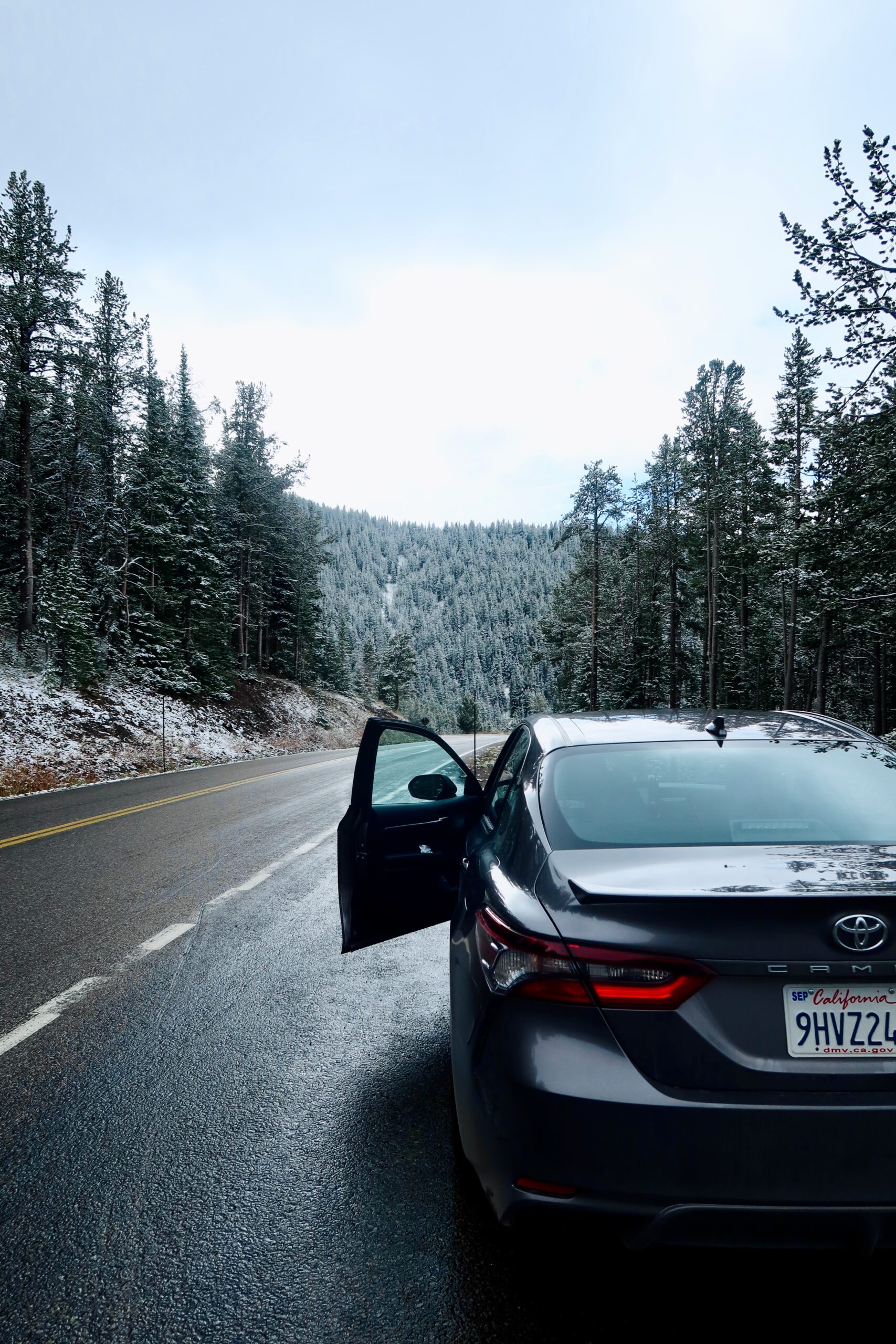
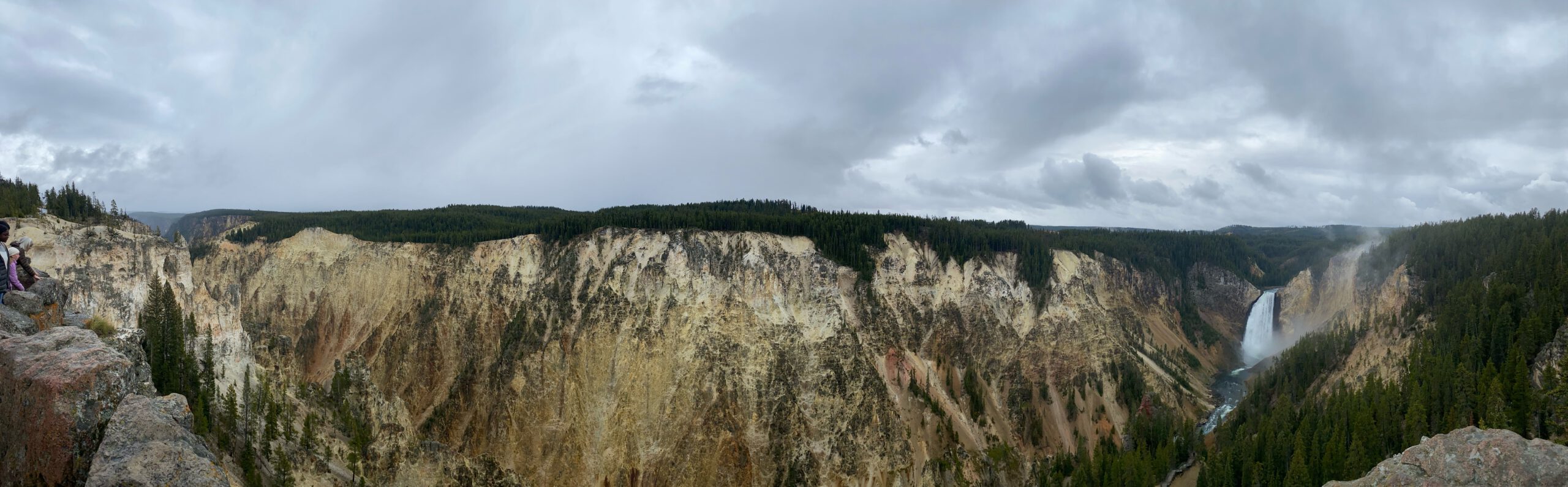
Yellowstone’s landscape works almost perfectly with the Wildlife in Yellowstone NP because everything is connected through space, climate, and elevation. Vast open valleys like Hayden and Lamar provide endless grasslands for bison and elk, while dense lodgepole pine forests offer shelter for wolves, bears, and smaller mammals. Rivers such as the Yellowstone River and its creeks create natural corridors where animals drink, migrate, and hunt. Even the harsh winters play a role, pushing herds into predictable areas and strengthening natural selection.
The combination of geothermal warmth, high elevation plateaus, wetlands, and forests creates a balanced ecosystem where predators, prey, scavengers, and birds all find a place. Yellowstone is not just beautiful, it is structured in a way that allows wildlife to function naturally, without heavy human interference.
Honest Preparation Lessons
Looking back, we were not fully prepared for Wildlife in Yellowstone NP. A telephoto lens, binoculars, and perhaps more research on peak wildlife viewing times would have elevated the experience.
Still, there is something raw and honest about experiencing Yellowstone with minimal gear. It forced us to observe more carefully and appreciate moments rather than chase perfect photos.
Wildlife in Yellowstone NP does not require perfect equipment. It requires awareness, patience, and respect.
Final Thoughts on Wildlife in Yellowstone NP
Wildlife in Yellowstone NP is powerful, unpredictable, and deeply connected to the landscape. From elk by quiet creeks to massive bison herds and soaring eagles, every encounter feels authentic.
This blog is just the beginning of my Yellowstone series. In my broader Yellowstone post, I go into detail about geysers, roads, and travel planning. But animals are what gave the park its heartbeat.
If you visit Yellowstone, prepare well. Bring binoculars. Bring a long lens. But most importantly, bring time.
Because Wildlife in Yellowstone NP does not rush.