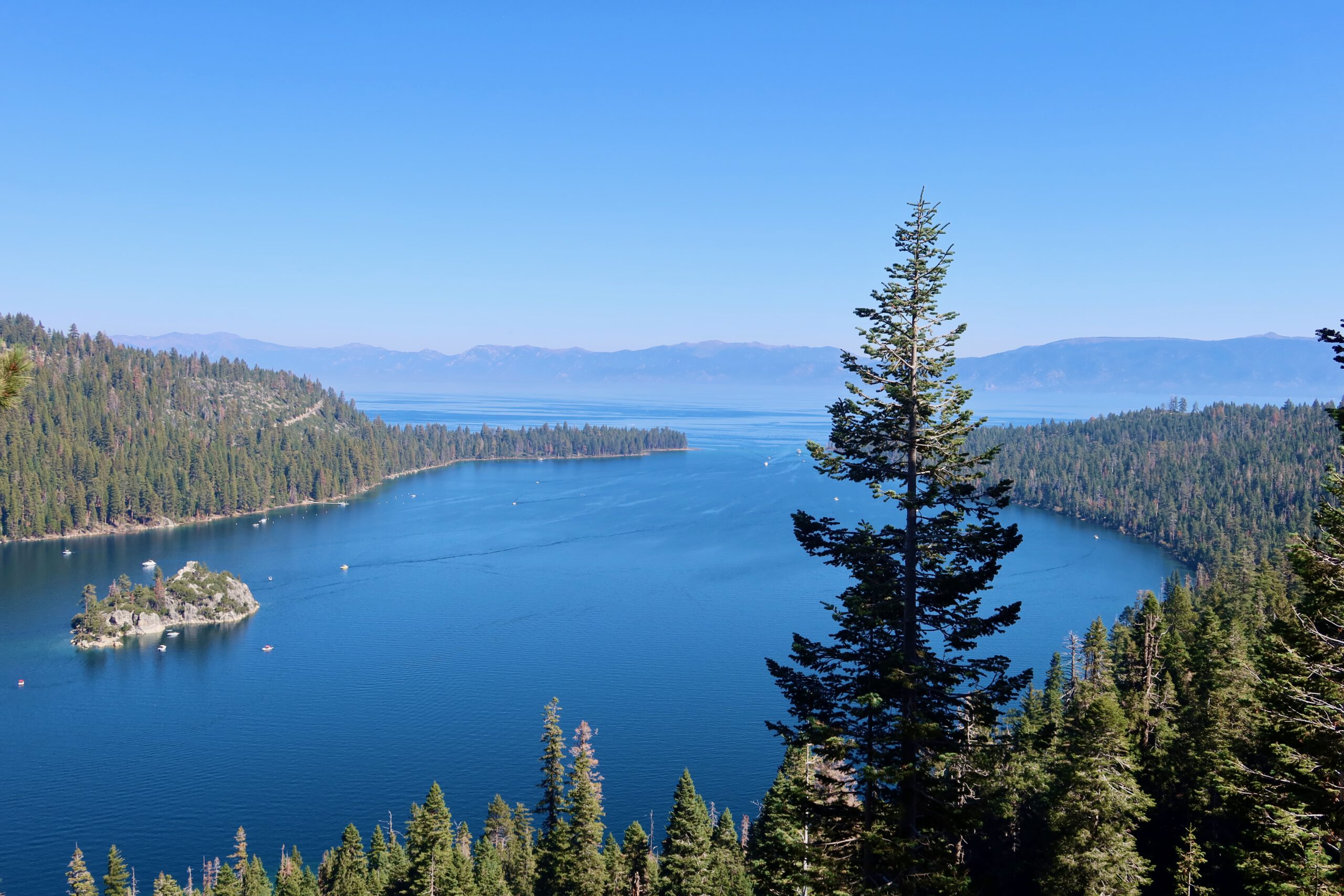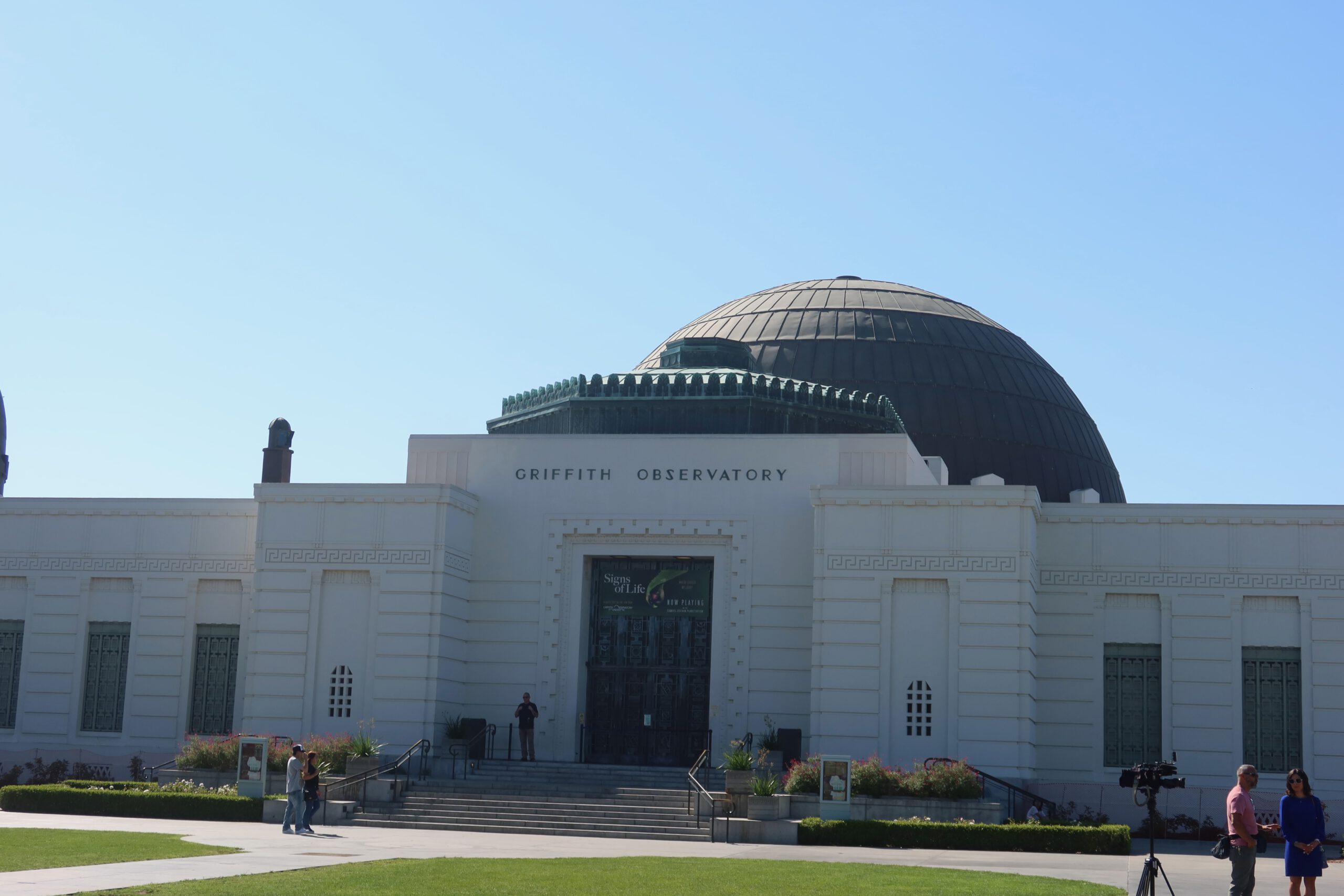
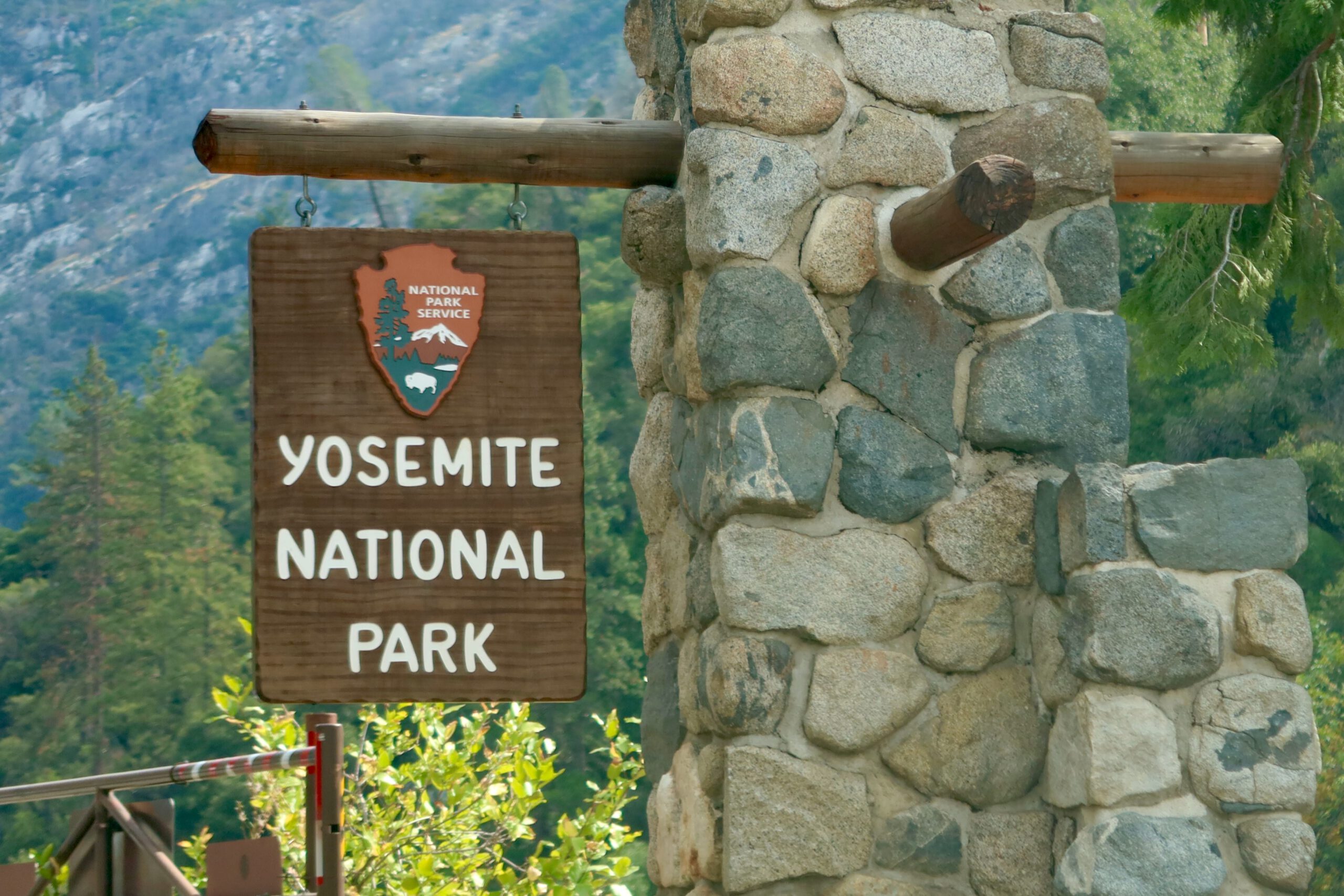


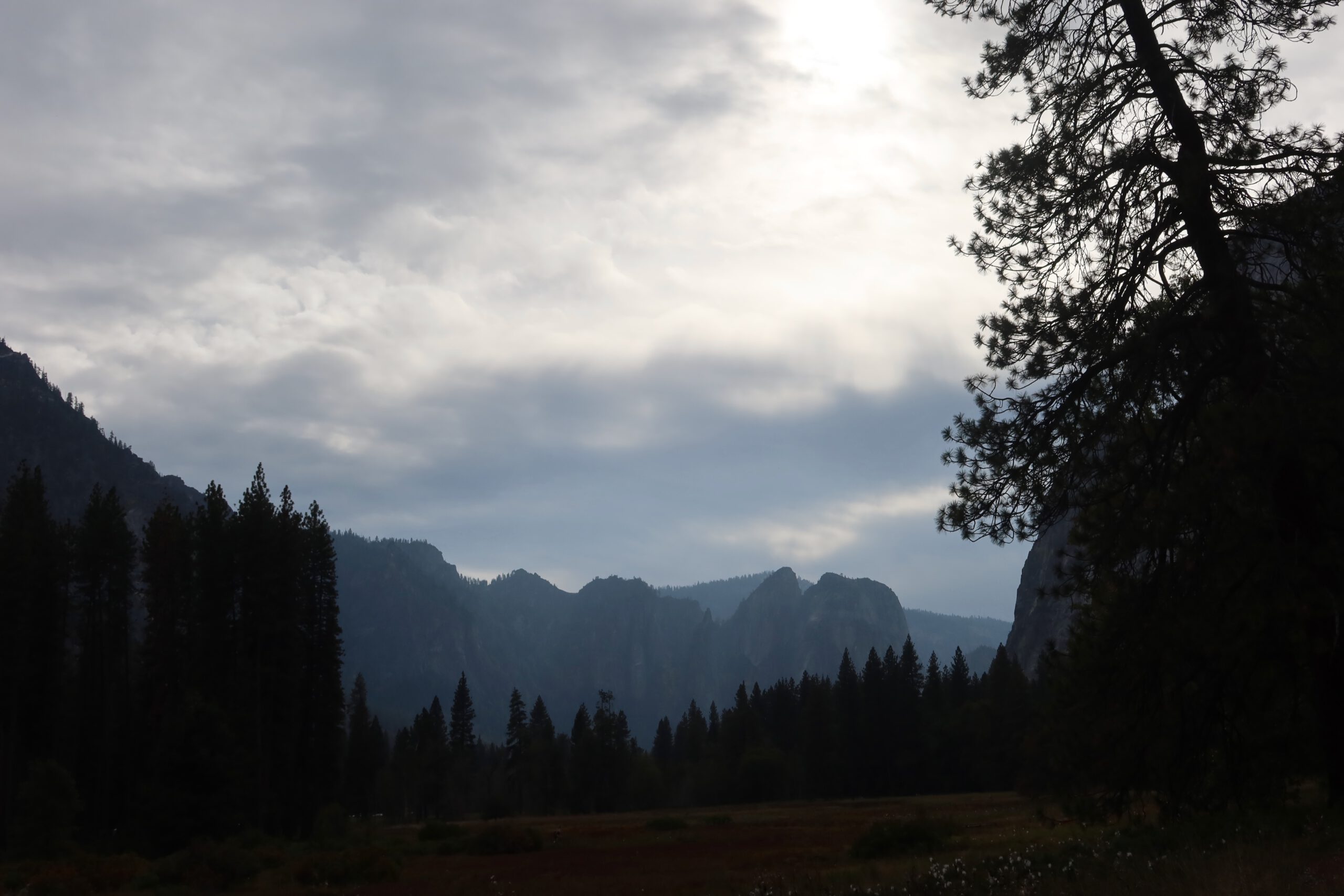
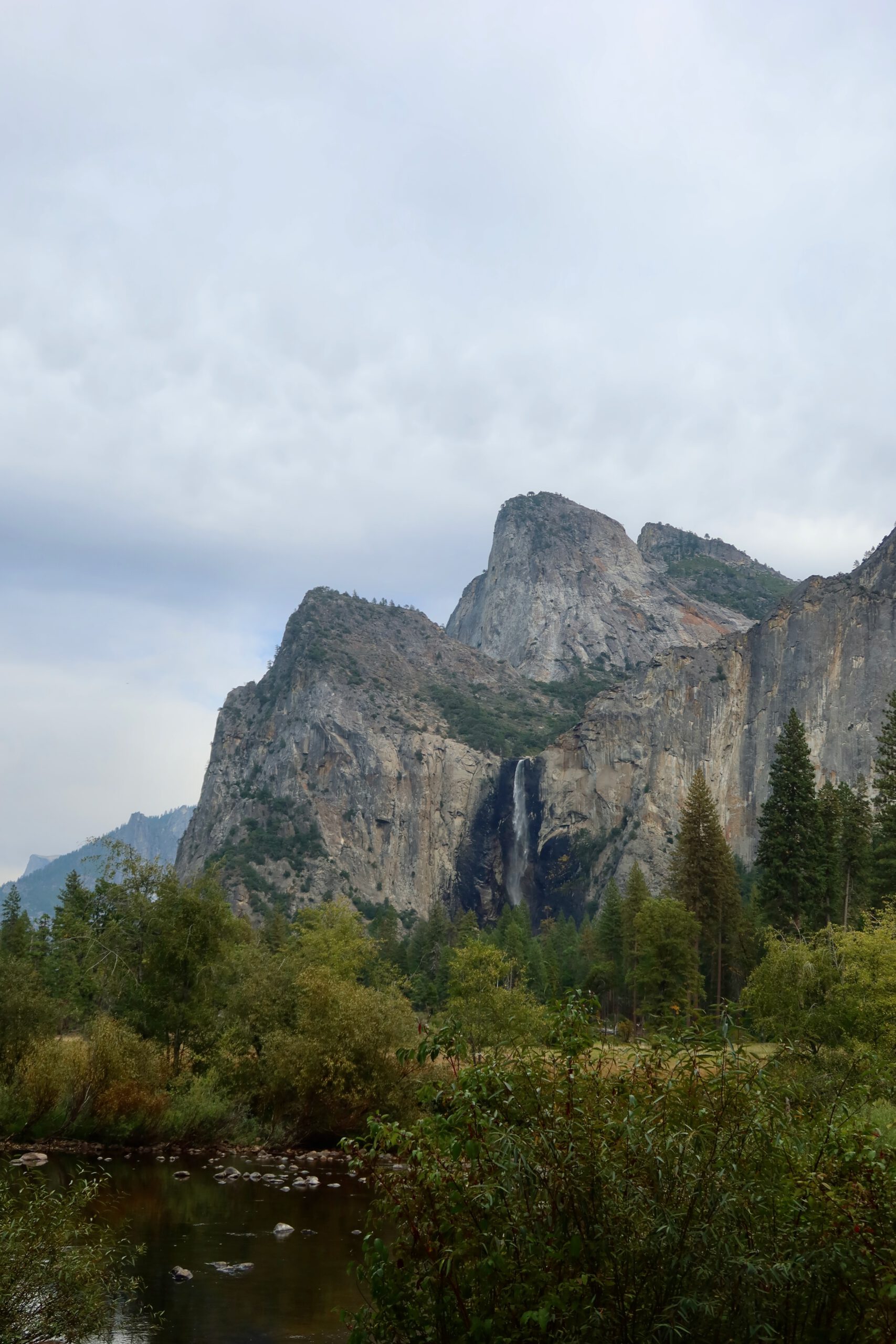
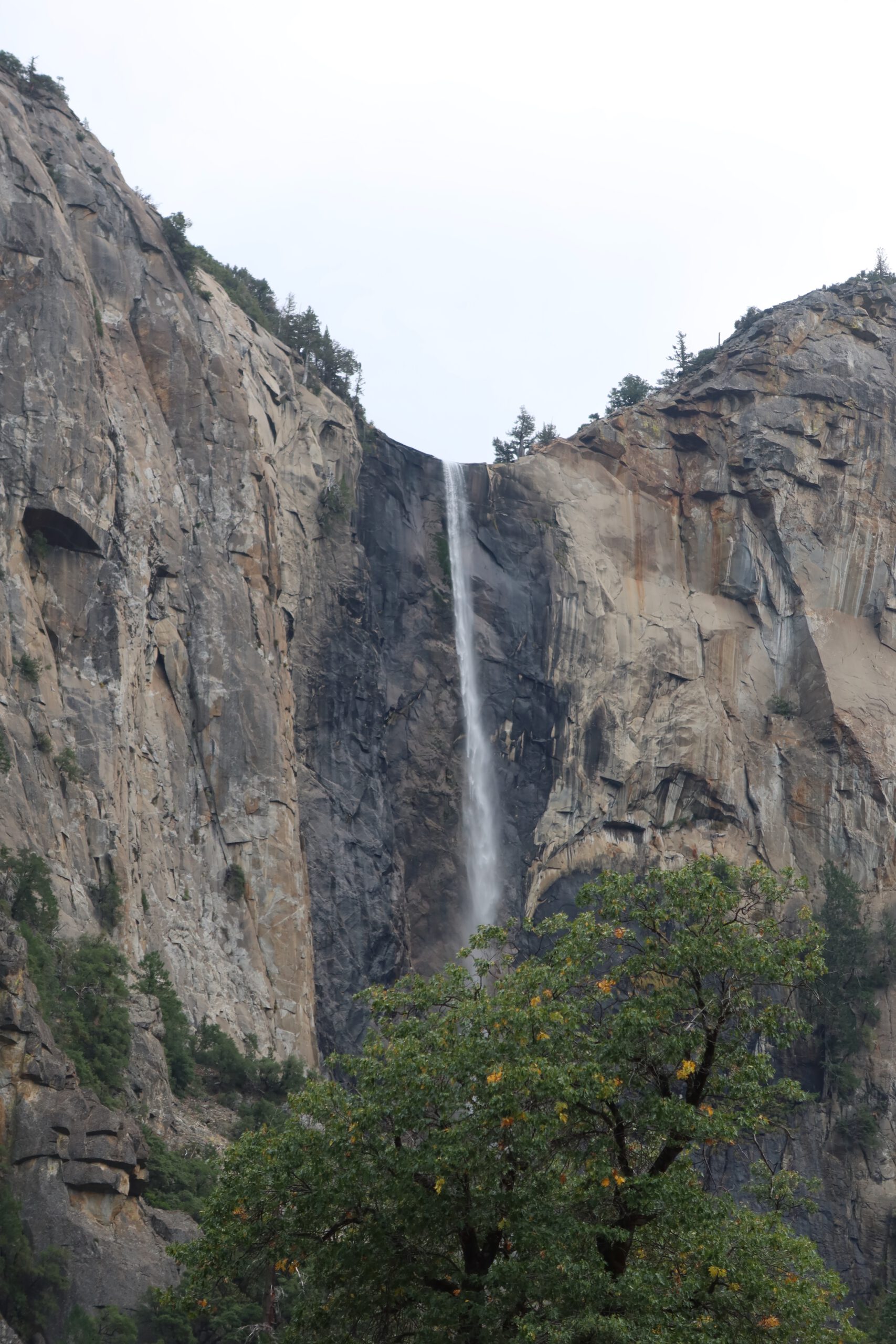
Yosemite National Park is one of those places that immediately makes sense the moment you arrive. Yosemite National Park feels vast, raw and carefully protected at the same time. From the moment Yosemite Valley opens up before you, you understand why this park became one of the foundations of the American national park system. Granite walls rise almost vertically, waterfalls carve their way down ancient rock faces and the valley floor feels like a carefully preserved natural cathedral.
Yosemite National Park is not just beautiful, it is also remarkably well organized for visitors. Even during difficult conditions, storms or maintenance periods, the park remains accessible in ways that many other national parks simply are not. That balance between wild nature and human management is exactly what makes Yosemite National Park so special.
Yosemite National Park, general overview and location
Yosemite National Park is located in the Sierra Nevada mountain range in California. The park covers more than 3,000 square kilometers, which equals about 1,187 square miles, and spans multiple counties including Mariposa and Tuolumne. Almost 95 percent of Yosemite National Park is officially designated wilderness, meaning that large parts remain untouched by modern infrastructure.
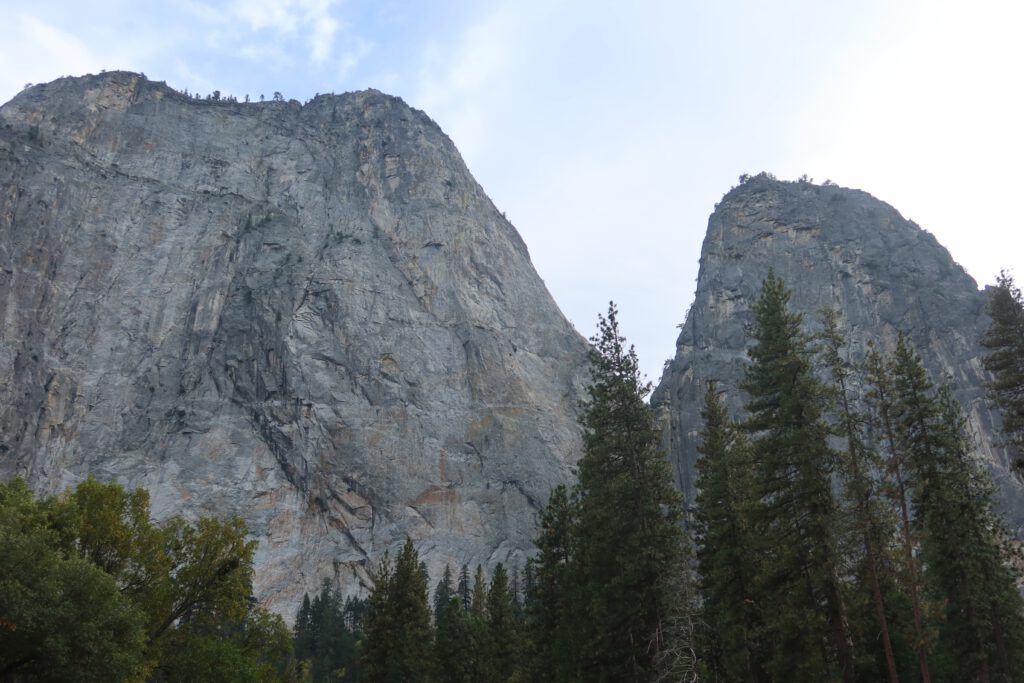
The heart of the park is Yosemite Valley, a glacially carved valley that concentrates many of the most famous landmarks such as El Capitan, Half Dome and Yosemite Falls. Because of this, Yosemite Valley is also the most visited part of the park and the area where facilities, shuttles and visitor centers are located.
A brief history, how Yosemite became protected
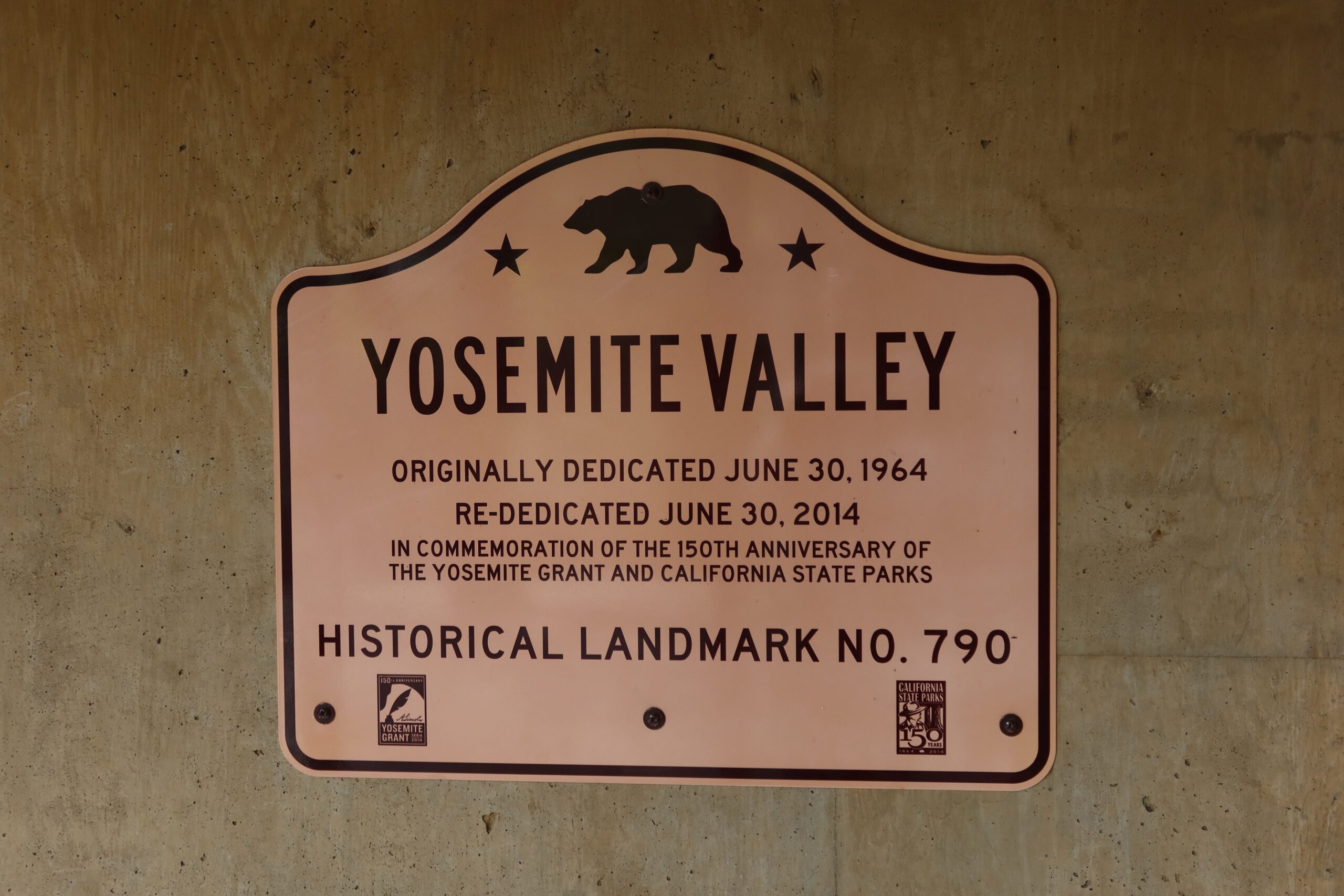
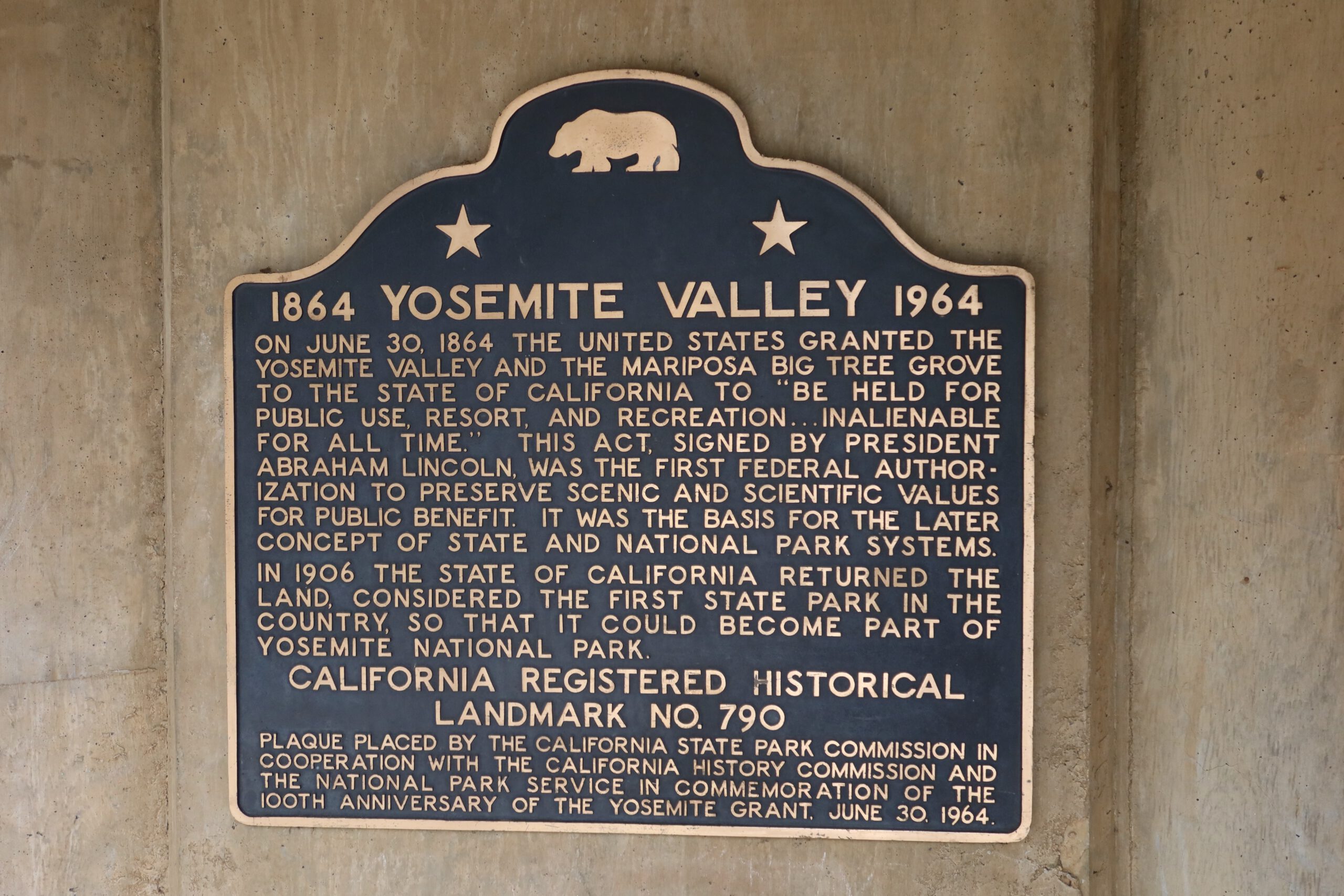
Yosemite National Park played a crucial role in the creation of the American national park system. Long before the National Park Service existed, this area was already recognized as something worth preserving. In 1864, President Abraham Lincoln signed the Yosemite Grant, protecting Yosemite Valley and the Mariposa Grove of Giant Sequoias for public use. This decision later inspired the creation of Yellowstone and the formal establishment of national parks across the United States.
In 1890, Yosemite officially became a national park. The National Park Service took over management in 1916, bringing structure, conservation policies and visitor services under one organization. From that point forward, Yosemite National Park became both a symbol of preservation and a living example of how nature and tourism could coexist.
The role of the National Park Service in Yosemite
The National Park Service plays a visible role throughout Yosemite National Park. Trails are clearly marked, roads are maintained and safety information is widely available. At the same time, the NPS actively limits overdevelopment and human impact. This includes restricted access to certain areas, seasonal road closures and strict wildlife protection rules.
During our visit, it was clear how much effort goes into recovery and maintenance after extreme weather. Storm damage had caused collapsed sheds, closed roads and inaccessible areas, yet the park remained operational where it was safe to do so. That balance between access and protection is not accidental, it is the result of decades of policy and experience.

Yosemite Valley, the beating heart of the park
Yosemite Valley is where most visitors spend their time, and for good reason. The valley concentrates some of the most iconic views in the entire United States. El Capitan towers over the valley floor as one of the world’s most famous granite monoliths. Across the valley, Half Dome dominates the skyline with its unmistakable shape.
Despite being open during our visit, Yosemite Valley was clearly still recovering from heavy storms and flooding. Some interior areas were closed due to water damage, and maintenance crews were visible throughout the valley. Even so, the experience remained deeply impressive. The sheer scale of the valley makes temporary closures feel small in comparison to the landscape itself.
The Yosemite shuttle system, how to get around
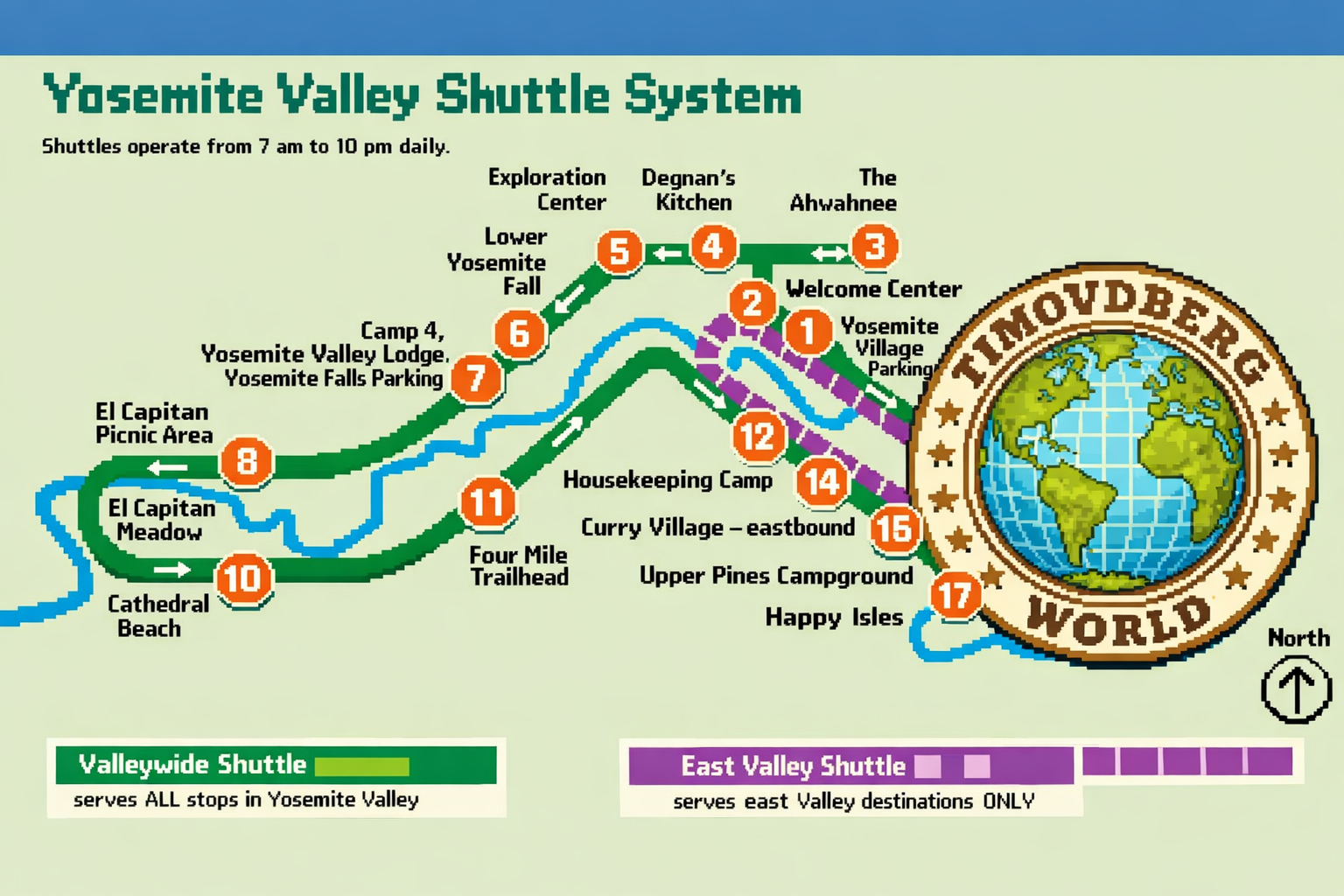
One of the smartest features of Yosemite National Park is the Yosemite shuttle system. The shuttle system is designed to reduce traffic congestion, protect the environment and make it easier for visitors to move around Yosemite Valley without constantly relocating their car.
The Valleywide Shuttle serves all major stops within Yosemite Valley, including Yosemite Village, Yosemite Falls, El Capitan Meadow and Curry Village. In addition, the East Valley Shuttle focuses on eastern destinations such as Happy Isles and Mirror Lake. Shuttles typically run from early morning until late evening, depending on the season.
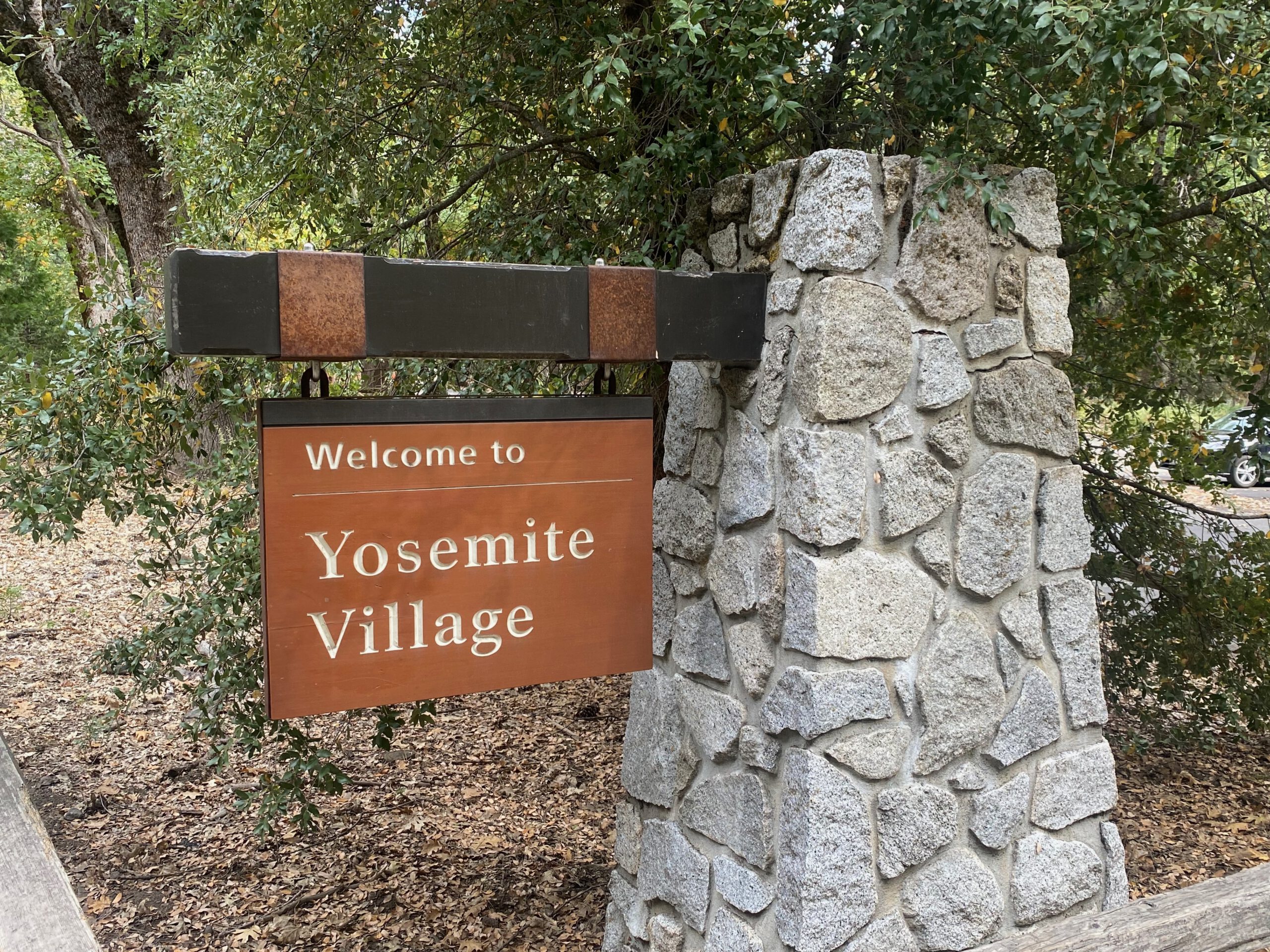
During busy periods, using the shuttle system is not just convenient, it is often essential. Parking is limited and once you find a spot, you are strongly advised not to move your vehicle again. Our own experience confirmed this. After nearly an hour of circling full parking areas, we finally secured a spot about ten minutes walking distance from the valley center. From that moment on, the shuttle became the obvious choice.
Map of the Shuttle Service
To find out what the right shuttle service is for your trip, please find the map here. The National Park Services also have an published their own official map, which is visible via their own website.
Things to do in Yosemite National Park
Hiking for every level
Yosemite National Park offers hiking trails for nearly every skill level. From short paved walks to challenging full day climbs, the variety is enormous.
Lower Yosemite Fall Trail is an easy walk that brings you close to one of the tallest waterfalls in North America. More ambitious hikers can tackle the Four Mile Trail, which climbs from the valley floor toward Glacier Point and offers spectacular views along the way.
Scenic viewpoints and photography
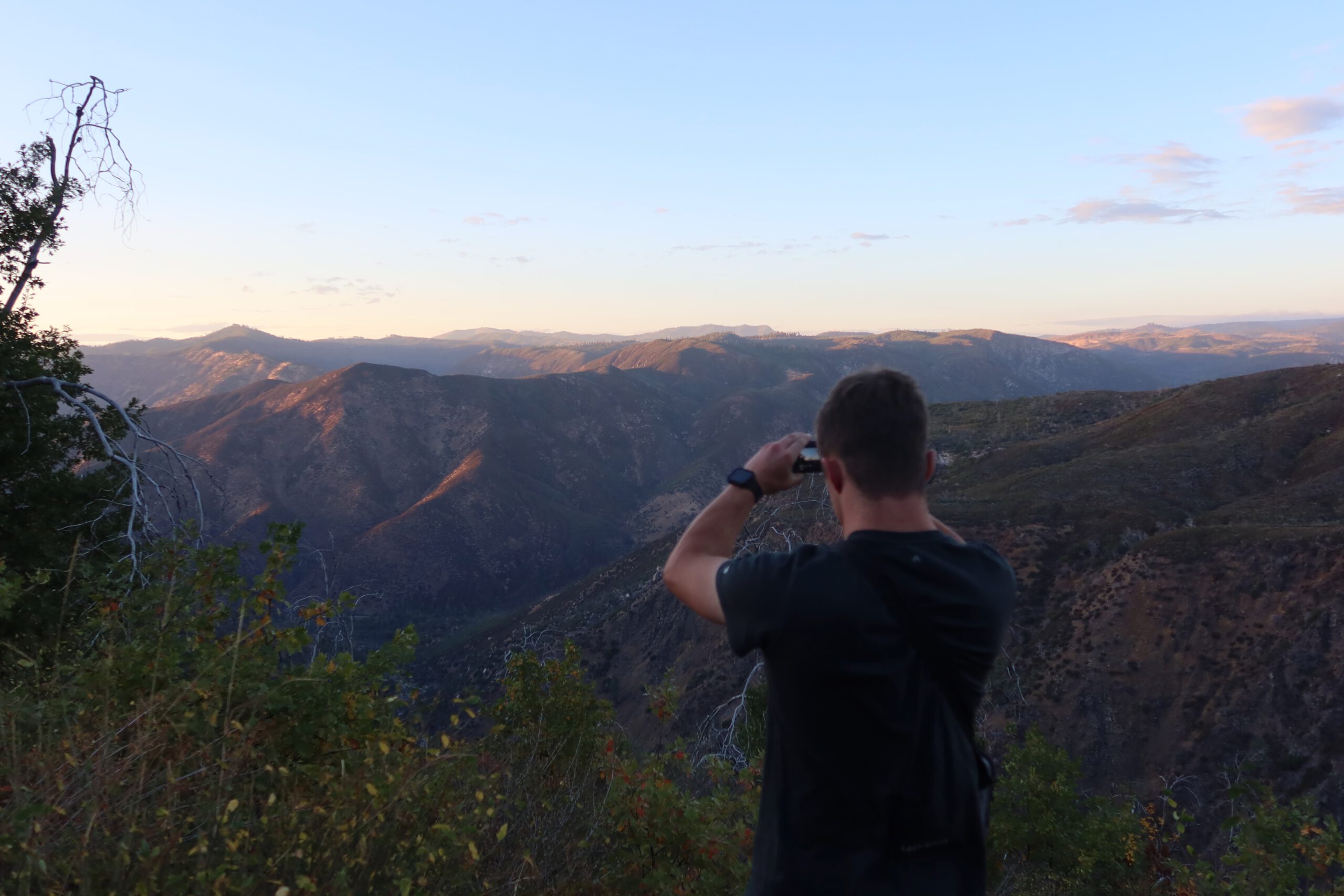
Even without hiking, Yosemite offers countless viewpoints accessible by road or short walks. Tunnel View is often the first dramatic introduction to Yosemite Valley and remains one of the most photographed locations in the park. Glacier Point, when accessible, provides a sweeping panorama of Half Dome, Yosemite Falls and the valley below.
Despite storm damage and closures, we were still able to see multiple breathtaking viewpoints. The landscape remains impressive even when certain roads or trails are unavailable.
Visitor centers and learning about the park
The Yosemite Valley Visitor Center and nearby exploration facilities provide educational exhibits on geology, wildlife and history. During our visit, parts of the visitor center were limited due to maintenance and storm related damage. Still, the available exhibits offered valuable insight into the park’s ecosystems and conservation efforts.
The gift shop remained open, allowing us to bring home meaningful souvenirs tied to the park’s identity and history.
Wildlife in Yosemite National Park
Yosemite National Park is home to more than 400 species of wildlife. Mammals, birds, reptiles and amphibians all thrive across the park’s diverse elevations and habitats.
Mammals you might encounter
Black bears are among the most iconic residents of Yosemite National Park. Although their name suggests otherwise, many appear brown in color. Bears are typically shy, but proper food storage is essential to prevent dangerous encounters.
Mule deer are commonly seen throughout Yosemite Valley, especially in meadows and near forest edges. Coyotes, bobcats and foxes are also present, though they are less frequently spotted.
Yosemite wildlife overview table
Yosemite National Park is home to an impressive variety of wildlife, spread across forests, meadows, rivers and high alpine terrain. Depending on elevation, season and time of day, visitors may encounter anything from small mammals to large iconic species. Wildlife sightings are never guaranteed, but understanding where animals live and when they are most active greatly increases your chances.
The table below gives a clear overview of some of the most notable animals in Yosemite National Park, including where they are typically found and the best time to spot them. This overview is meant to help visitors recognize wildlife responsibly, always from a safe distance and without disturbing natural behavior.
| Animal | Typical habitat in Yosemite | Best time to see |
|---|---|---|
| Black bear | Forested areas, meadows, river corridors | Early morning, late evening |
| Mule deer | Open meadows, valley floors, forest edges | Dawn and dusk |
| Coyote | Valley edges, open terrain, forest clearings | Evening, early morning |
| Bobcat | Dense forests, rocky areas, forest margins | Early morning |
| Sierra Nevada bighorn sheep | High elevation rocky slopes | Summer months |
| River otter | Rivers, streams, wetlands | Morning |
| Gray fox | Forests and shrubland | Night, dusk |
| Mountain lion | Remote wilderness areas | Rare, mostly nocturnal |
| Marmot | Alpine meadows, rocky slopes | Daytime, summer |
| California ground squirrel | Meadows, picnic areas | Daytime |
Birds of Yosemite, a paradise for birdwatchers
Yosemite National Park is considered a globally important bird area. More than 260 bird species have been documented, making it an excellent destination for birdwatchers.
Commonly spotted birds include Steller’s jay, acorn woodpecker, mountain chickadee and dark eyed junco. Raptors such as peregrine falcons and bald eagles are also present, particularly near cliffs and open valleys.
Even if you are not an active birdwatcher, the presence of birds adds constant movement and sound to the landscape. Their calls and flight patterns become part of the Yosemite experience.
Personal experience, visiting during difficult conditions
Shortly before our visit, we received a message from our Airbnb host in the Yosemite area explaining that we could not be welcomed due to severe weather damage. That moment immediately set expectations. We knew access might be limited, and that the park would not be operating under ideal conditions.
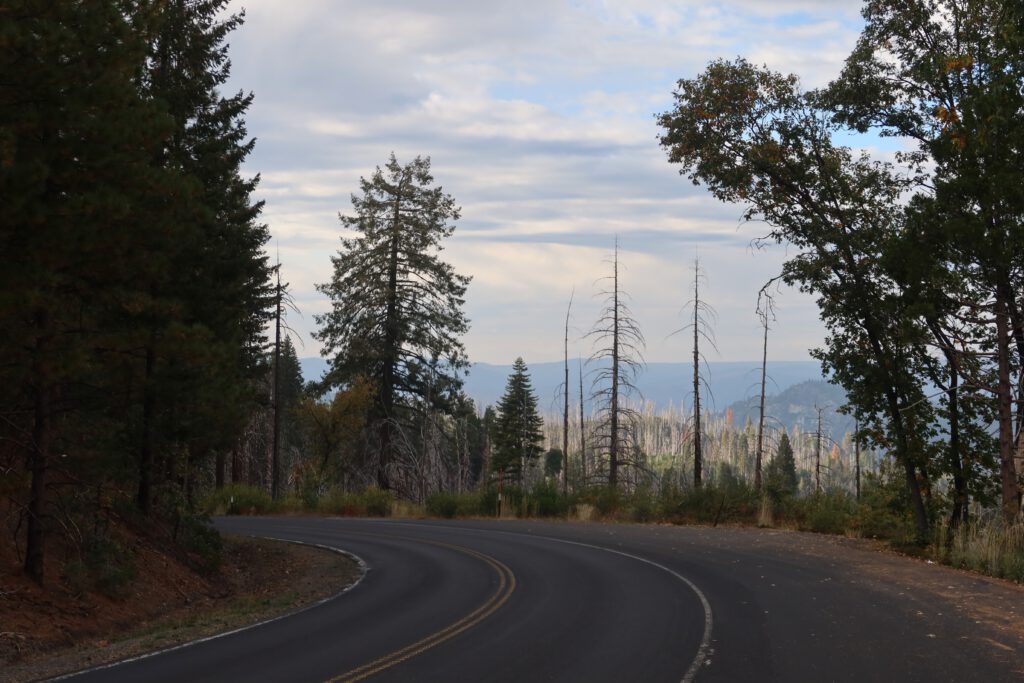
Once inside Yosemite National Park, this became clear. Collapsed structures, closed roads and restricted areas were visible reminders of recent storms and flooding. Large portions of the park felt harder to reach, and some areas were completely inaccessible.
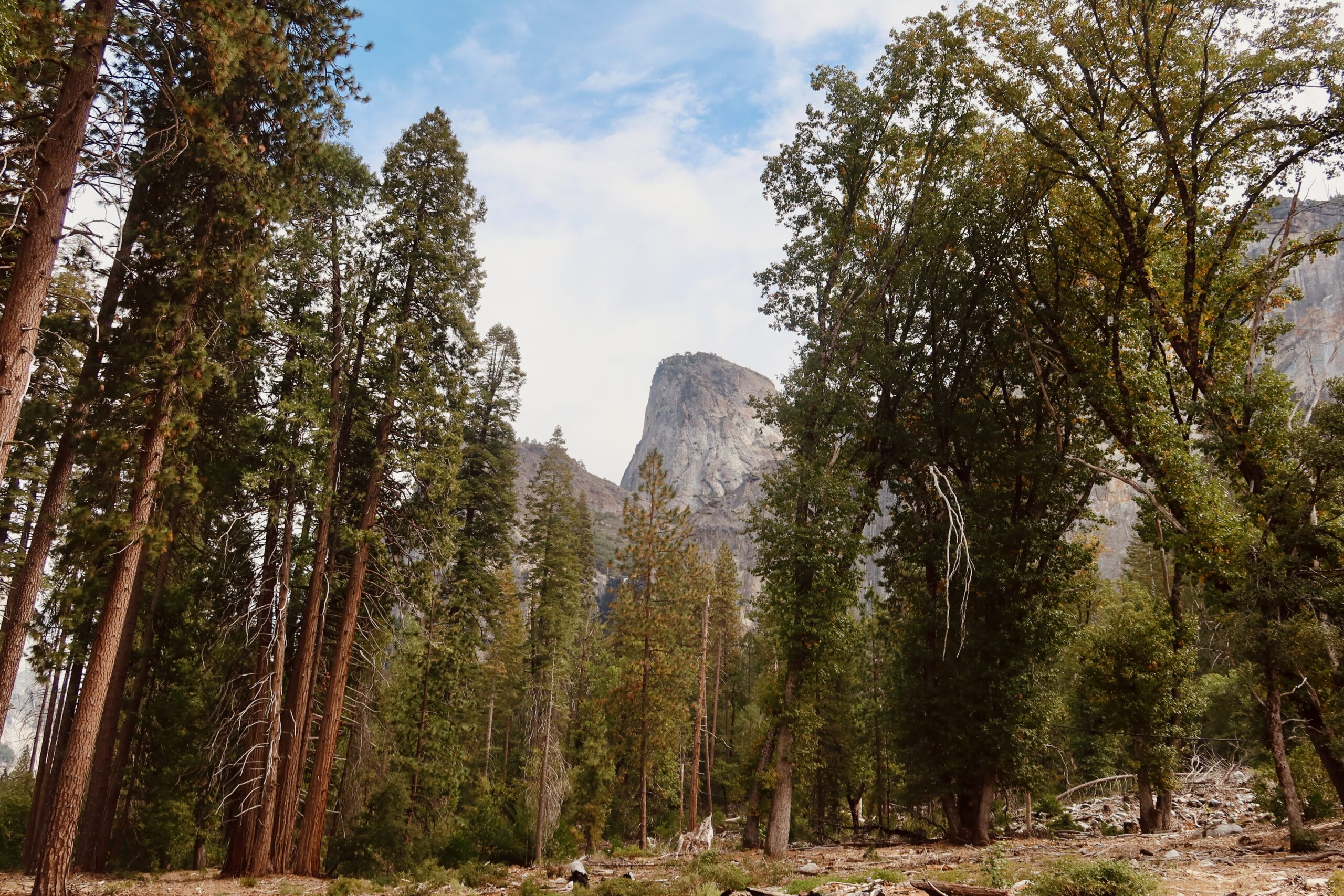
Despite this, Yosemite Valley remained open, and that alone made the visit worthwhile. The scale of the park is so immense that even partial access still offers an overwhelming experience. Maintenance work did not detract from the beauty, it highlighted the effort required to preserve a place like this.
Parking challenges and practical advice
Parking in Yosemite Valley can be one of the most frustrating aspects of a visit. Signage does not always clearly indicate which parking areas are full, and open lots fill quickly. Our experience of driving in circles for nearly an hour is not unusual.
The best advice is to arrive early, park once and rely on the shuttle system for the rest of the day. Planning ahead makes a significant difference in how relaxed your visit will feel.
Lodging & Airbnb’s in and around Yosemite National Park
Finding the right place to stay near Yosemite National Park can make or break your experience. Lodging inside Yosemite Valley itself is iconic, but availability is limited and prices are often high, especially during peak season. Staying just outside the park gives you more flexibility, quieter nights, and often a more authentic Sierra Nevada atmosphere. One of the best alternatives is the historic Gold Rush town of Coulterville, located along Highway 49, offering a relaxed base with easy access to Yosemite without the crowds.
During our own road trip, we stayed at Vacation Station Coulterville, a truly unique Airbnb housed inside a converted historic caboose. This isn’t just a place to sleep — it’s part of the experience. The caboose is fully equipped with a comfortable bed, kitchen, bathroom, air conditioning, and fast Wi-Fi, while still keeping its original railroad character. We paid a total of €293,20 for two nights, which comes down to roughly €146,60 per night, a very fair price considering the uniqueness and the location. Staying here felt personal, quiet, and refreshingly different from standard hotels, making it one of our strongest personal recommendations in the Yosemite region.
Read more about this stay: https://world.timovdberg.nl/usa/vacation-station-coulterville/
If you’re curious about what it’s really like to stay here — including photos, practical tips, distance to Yosemite, and what to expect in Coulterville — we’ve written a full in-depth blog about our stay at Vacation Station Coulterville. It’s a perfect option for travelers looking for something memorable, affordable, and slightly off the beaten path, while still being within comfortable driving distance of Yosemite National Park.
Why Yosemite National Park leaves a lasting impression
Yosemite National Park is not just another scenic destination. It represents an idea, the idea that nature can be protected, respected and still shared with millions of people. Even under challenging conditions, the park remains beautiful, accessible and meaningful.
The combination of natural grandeur, thoughtful management and deep historical significance makes Yosemite National Park one of the most powerful places to visit in the United States. It is a place that stays with you long after you leave.