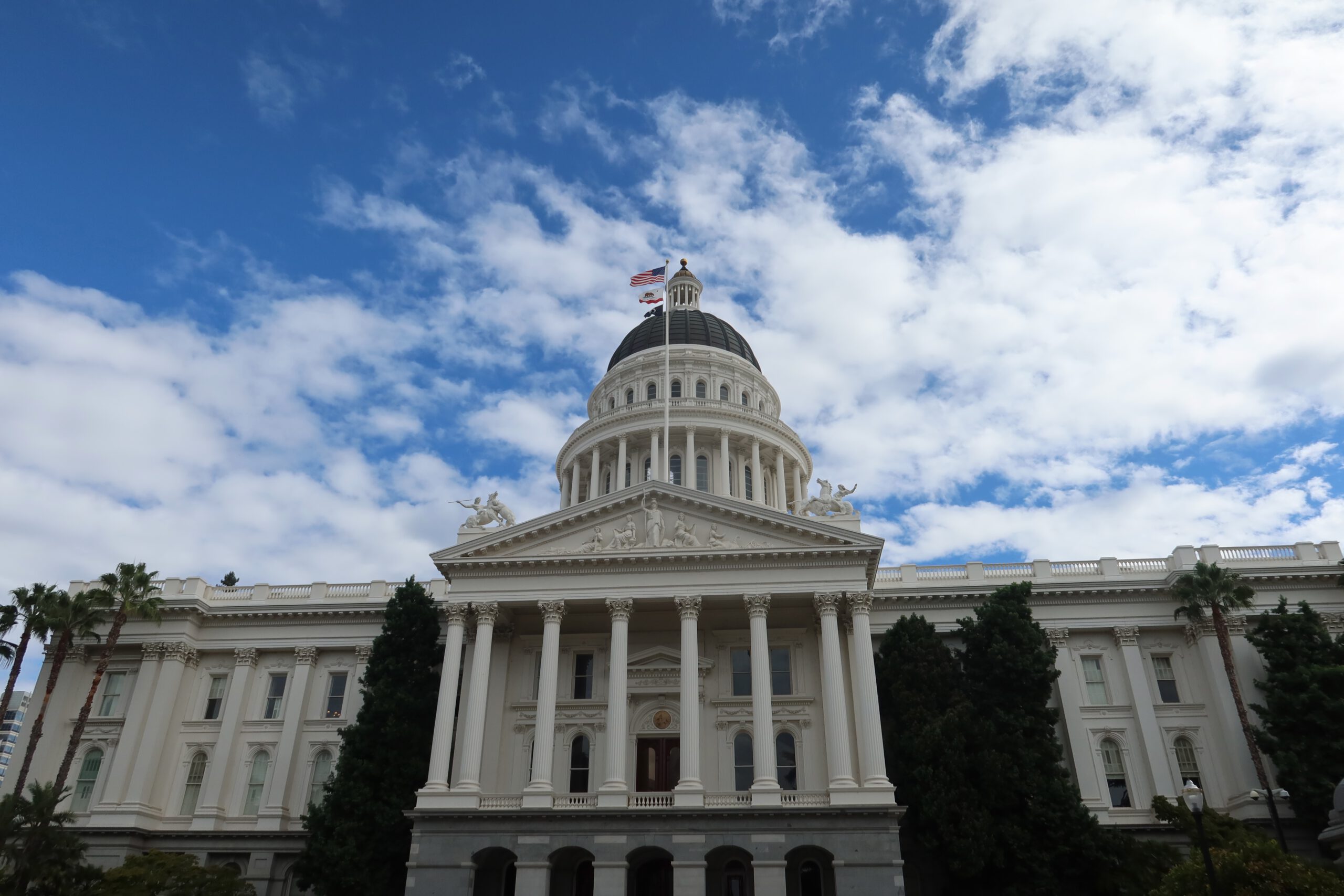


California State Capitol Museum was one of those unexpected highlights during our final road trip days through the United States. California State Capitol Museum became a natural stop while traveling from Coulterville California toward San Francisco California, as we wanted to properly close our last long drive in America with something meaningful, educational, and deeply Californian. California State Capitol Museum sits right in the heart of Sacramento California, the state capital, and turned out to be much more than just a building you quickly walk through.
Arriving in Sacramento California
Sacramento California surprised us in the best way. The city feels balanced, with modern architecture, high rise buildings, and a clear downtown structure, but at the same time you will find older low residential neighborhoods and historic areas that give the city real character. Sacramento feels lived in, governmental, and calm, without losing its identity.
Right in the middle of this modern skyline stands the California State Capitol Museum. The Capitol building almost feels like a centerpiece, perfectly placed between glass towers and city streets. It immediately draws attention, not because it is the tallest structure, but because of its classic design and historical presence.
First Encounter with the State Capitol Entrance
Before entering the California State Capitol Museum, we passed through a temporary looking entrance that had been created using a sea container style structure. This acted as the official security checkpoint for visitors. Inside, security staff guided everyone calmly and professionally.
Visitors go through a metal detector, identity checks are performed, and all bags, electronics, and personal items must be placed in bins. Anything that cannot pass through the detector must be scanned separately. Weapons are strictly forbidden inside, even for American residents who are legally allowed to carry them elsewhere. The process felt serious but not intimidating, and it made sense considering the building’s active political role.
Discovering the Museum Unexpectedly
Once inside the California State Capitol Museum, we entered a central hallway that branched out in multiple directions. At this point, we did not yet realize that we were stepping into a full museum experience. We knew the Capitol was open to visitors, as stated on the official website, but we had not expected such an extensive museum setup.
Room by room, the museum explains California’s political system, its history, and how state governance functions within the broader American system. The information was presented in a very accessible way, making it easy to follow even if you are not deeply familiar with American politics.
Historic Rooms and Storytelling
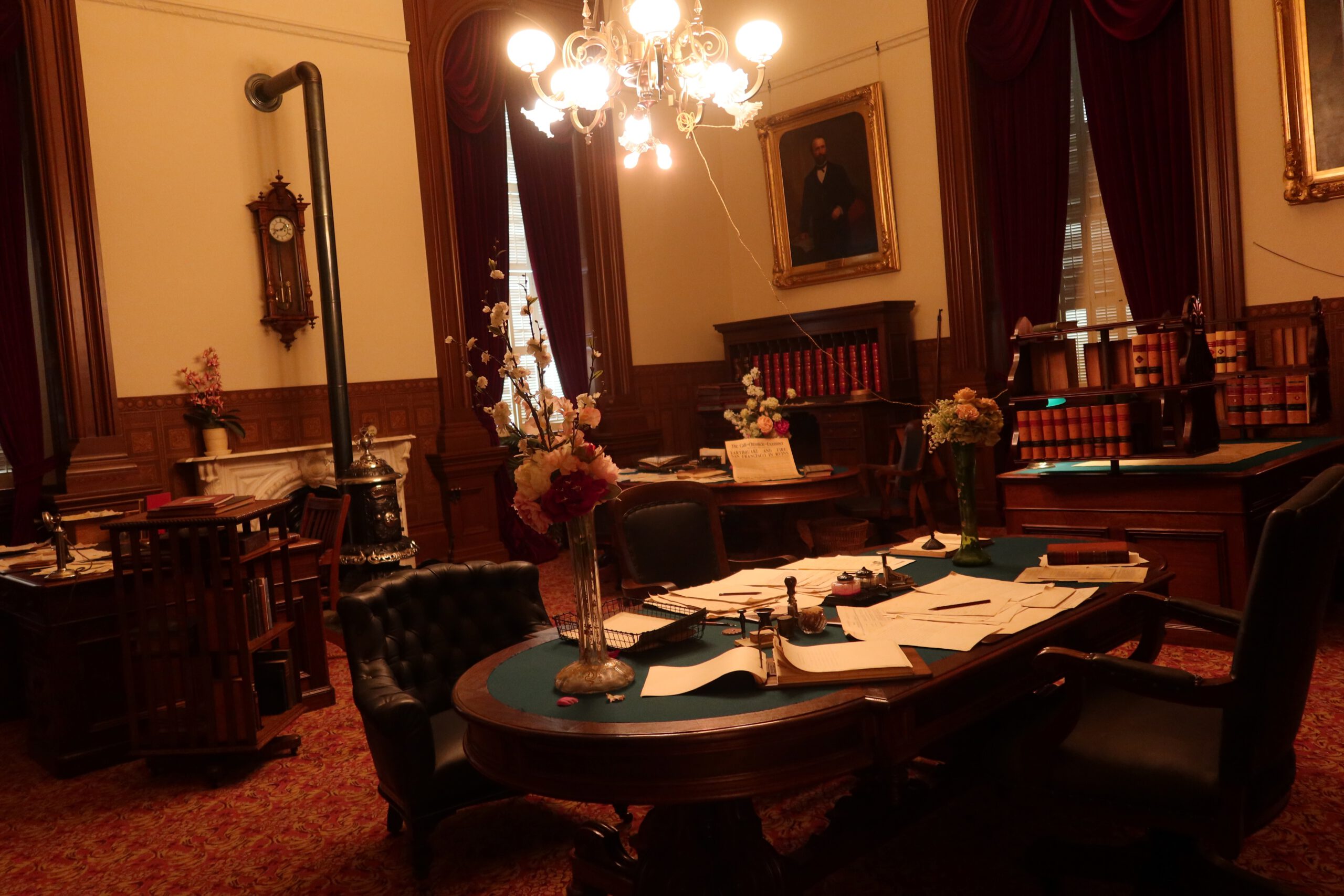
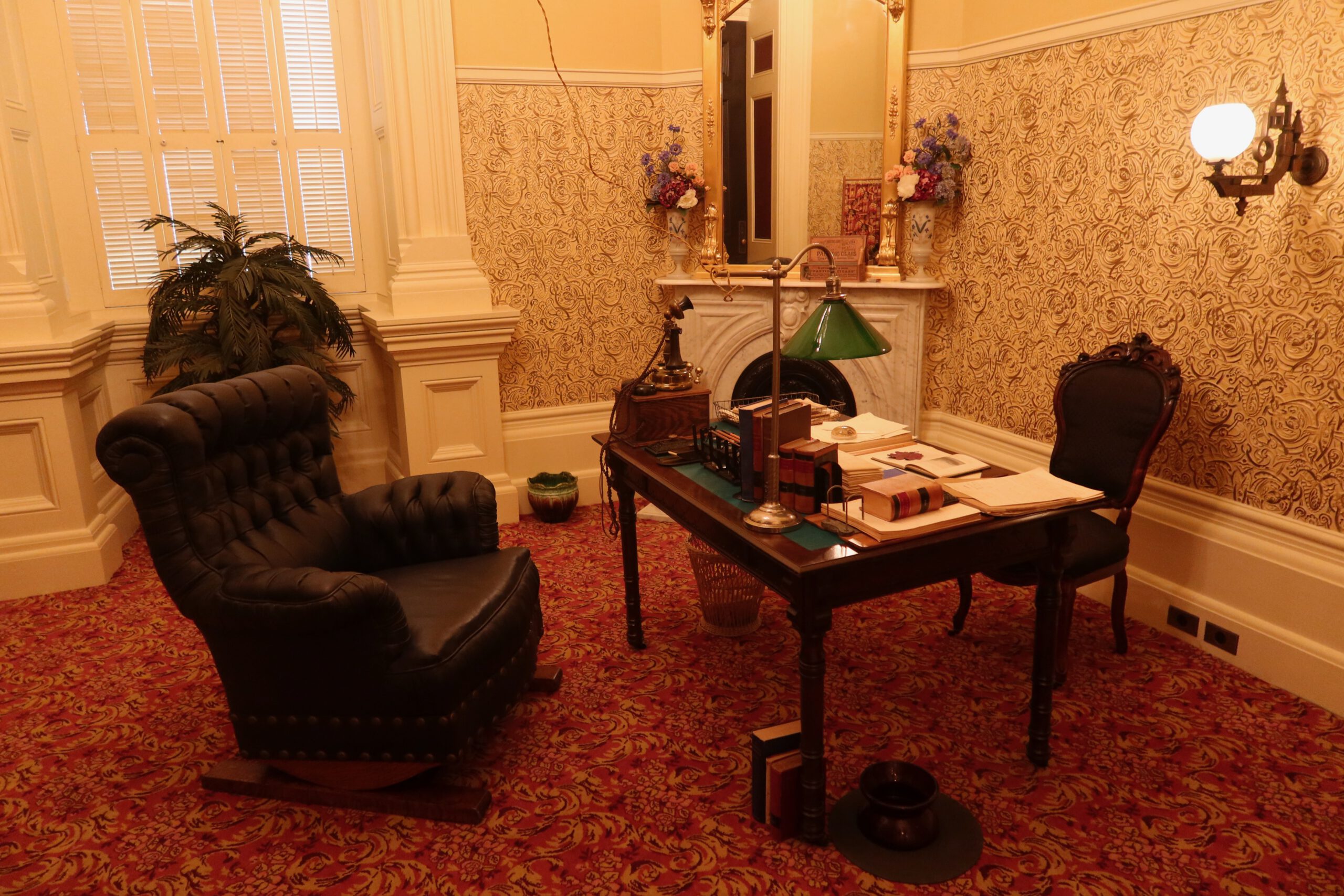
One of the most impressive parts of the California State Capitol Museum is how the historic rooms have been restored and staged. Several chambers and offices are presented in their original nineteenth century style, complete with period furniture, wall finishes, and architectural details.
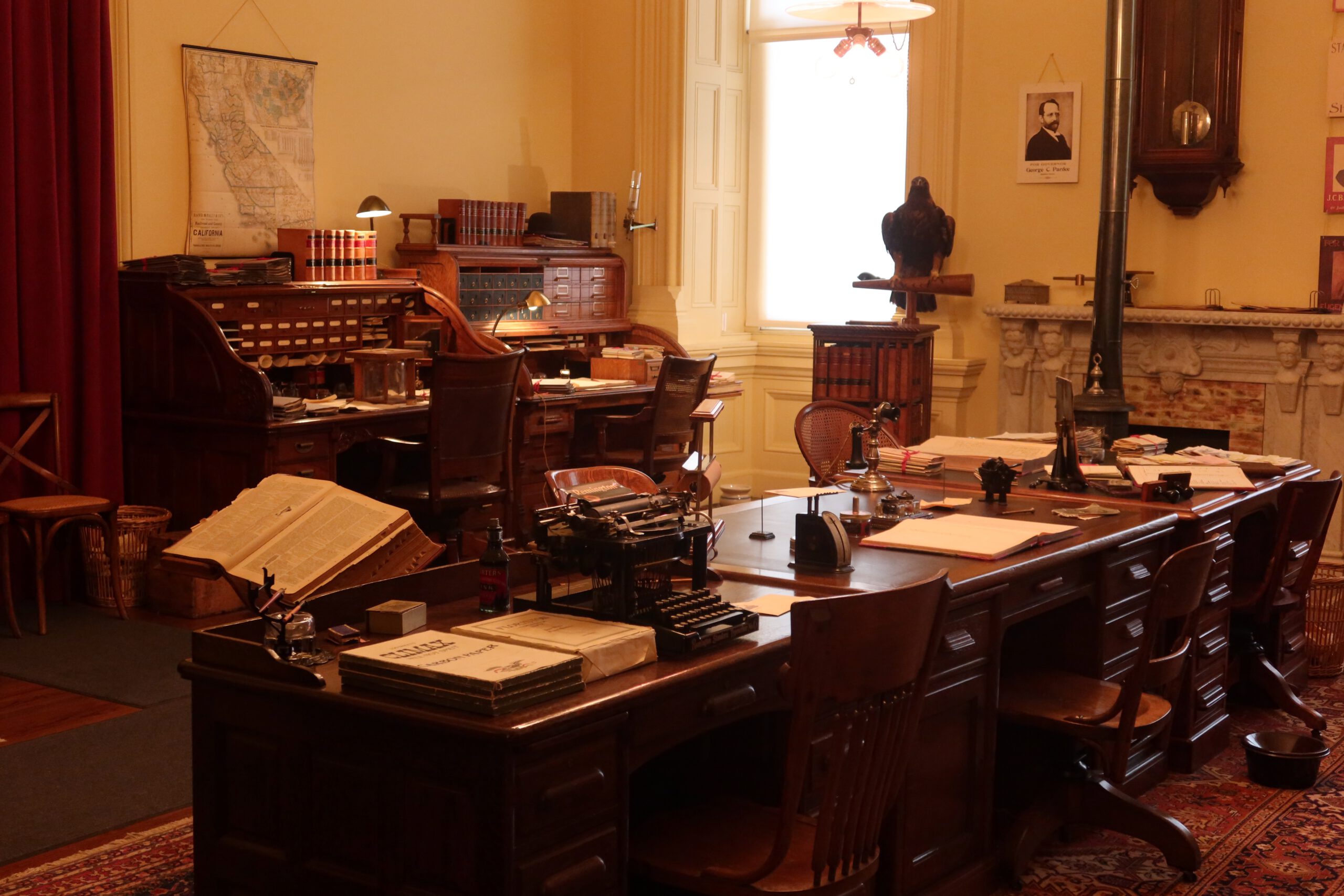
These rooms help visitors understand how California was governed in earlier times. You can clearly see the contrast between old decision making spaces and modern political processes. Photography is allowed in many areas, and we took quite a few photos inside, capturing both architectural details and the atmosphere of the building.
Accidentally Entering the Active Government Area
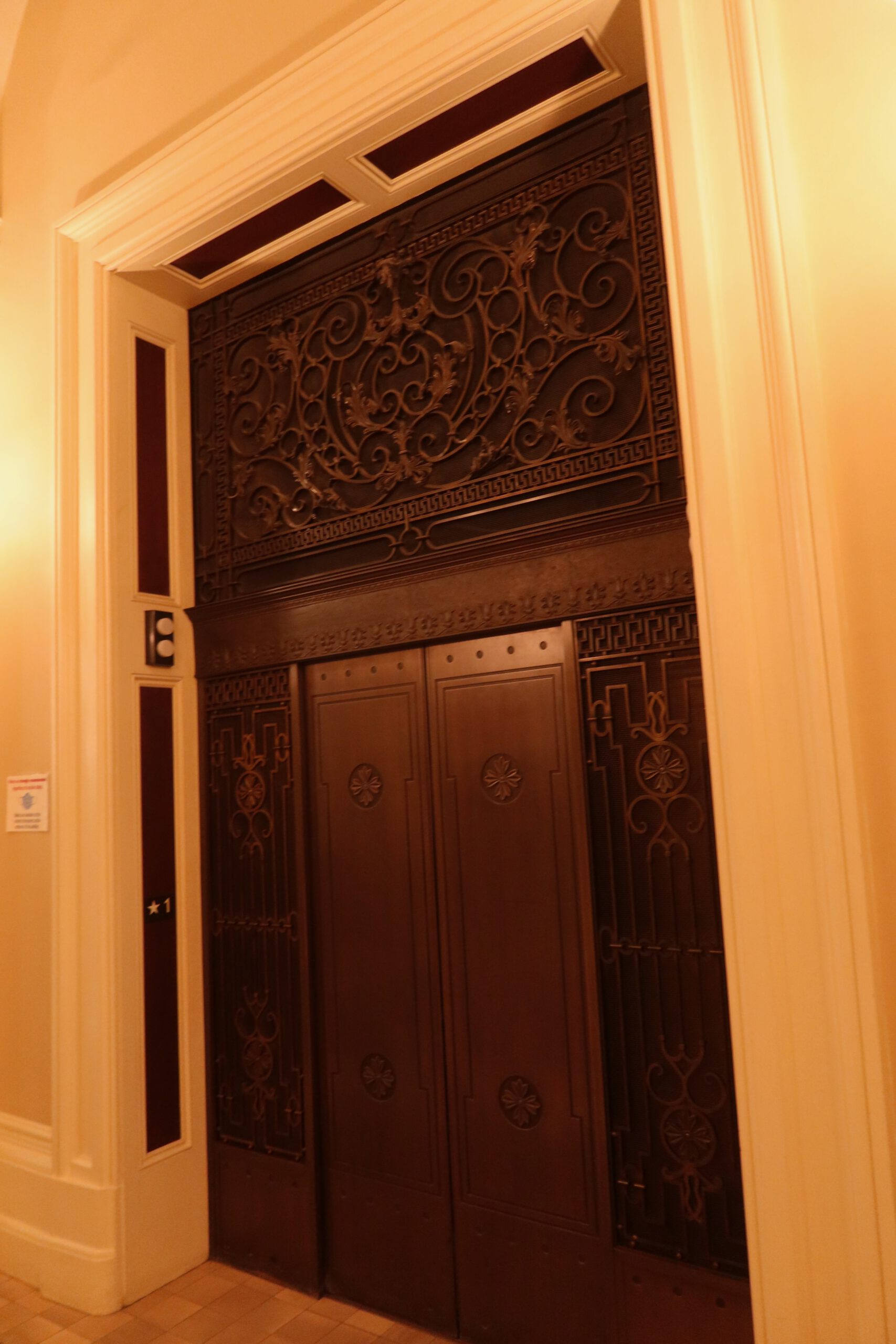
At one point, we took an elevator that we assumed would lead us to another museum section. Instead, it brought us directly into an active part of the Capitol that is still in use today. We found ourselves near actual meeting rooms and working offices.
It became immediately clear that this area was not intended for casual visitors, so we quickly made our way back down. This moment really highlighted how unique the California State Capitol Museum is, as it exists alongside the active political functions of the state.
The Central Rotunda Experience
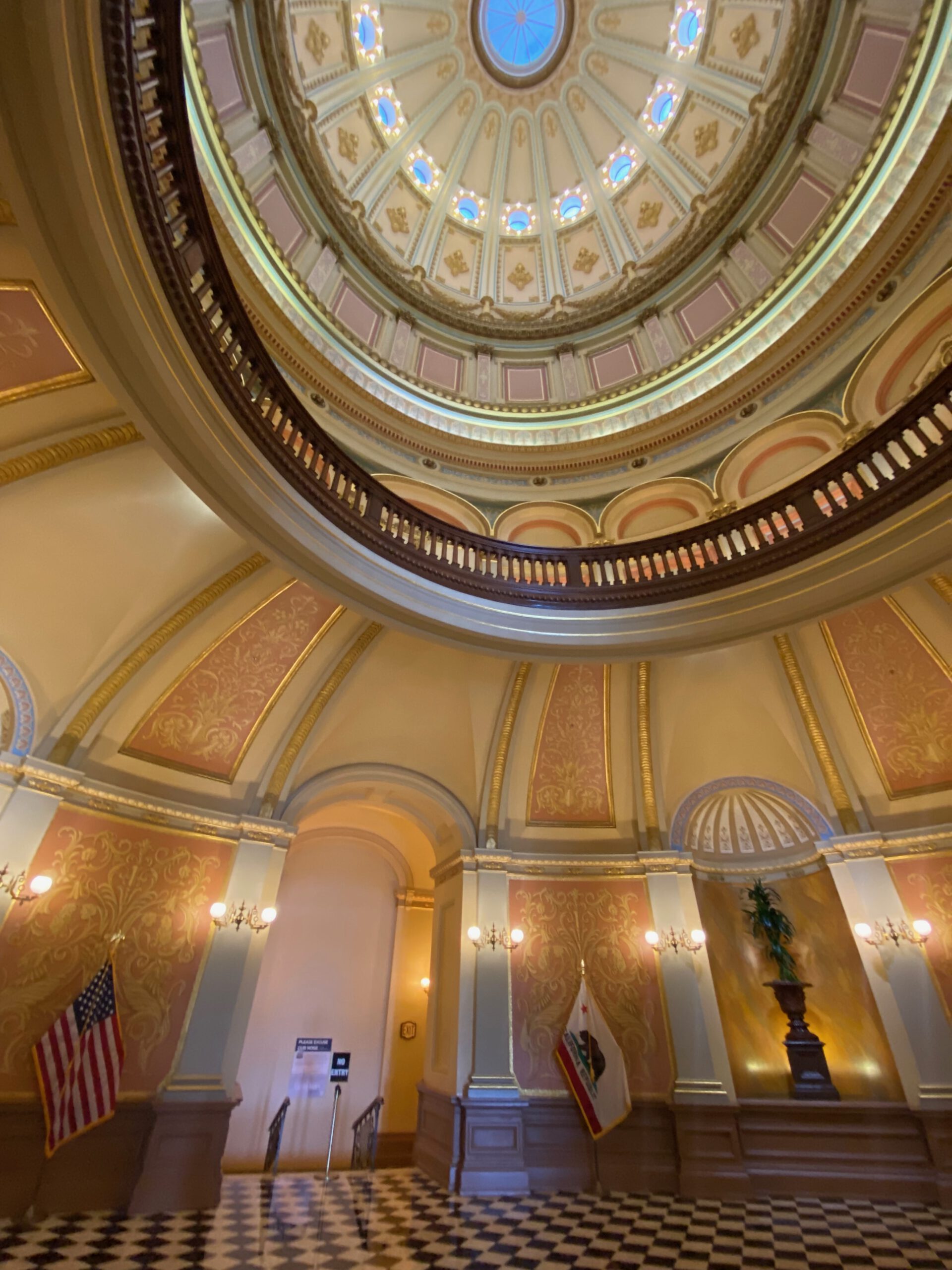
Back on the main level, we entered the central rotunda, which is without a doubt one of the most impressive spaces in the building. This large open hall forms the heart of the Capitol and feels grand without being overwhelming.
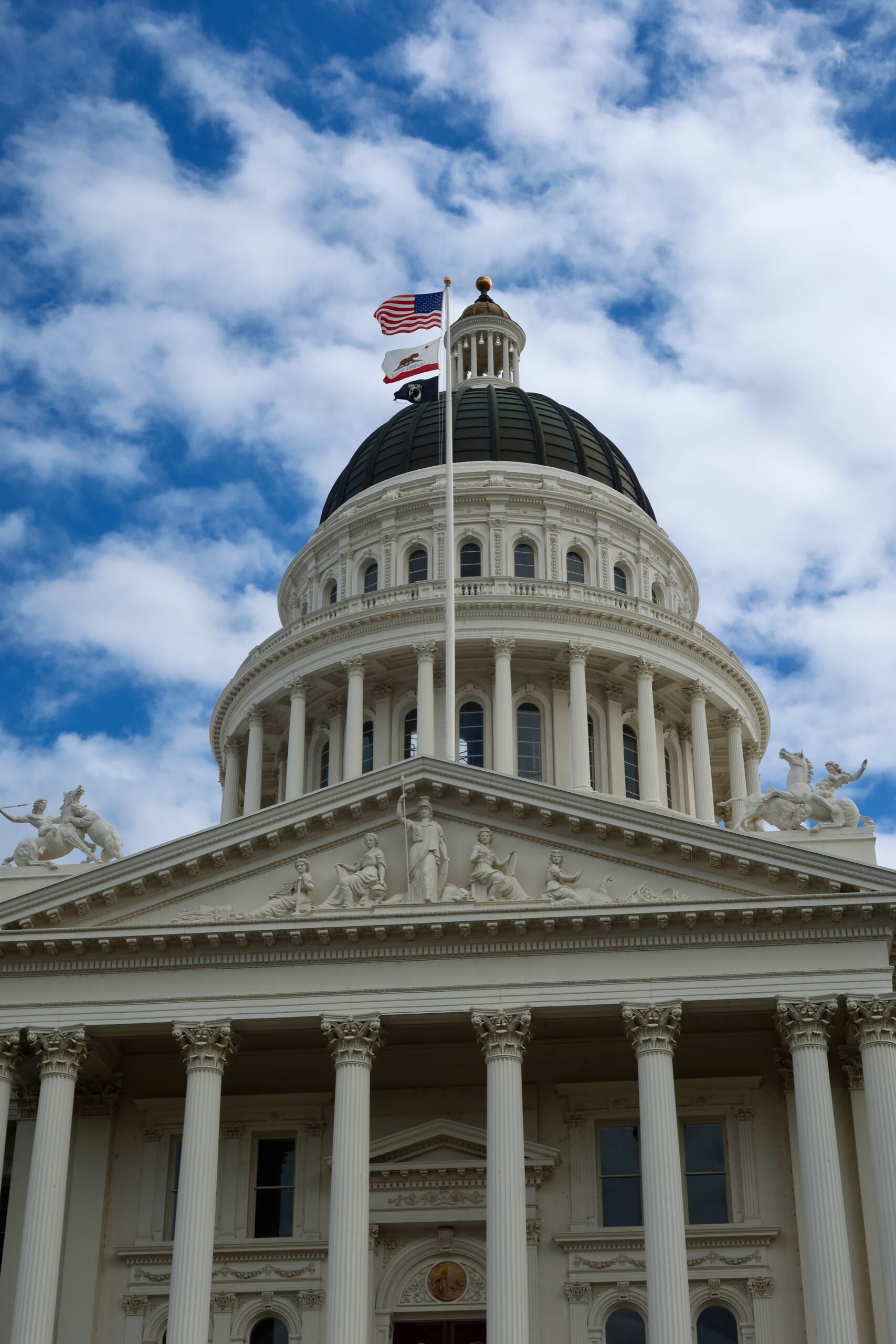
Here, the flags of the United States and the state of California are displayed proudly. Looking up, you see the dome structure and natural light pouring in, creating a calm and respectful atmosphere. This space alone is worth the visit, as it perfectly represents the symbolic role of the Capitol.
The Gift Shop and Basement Level
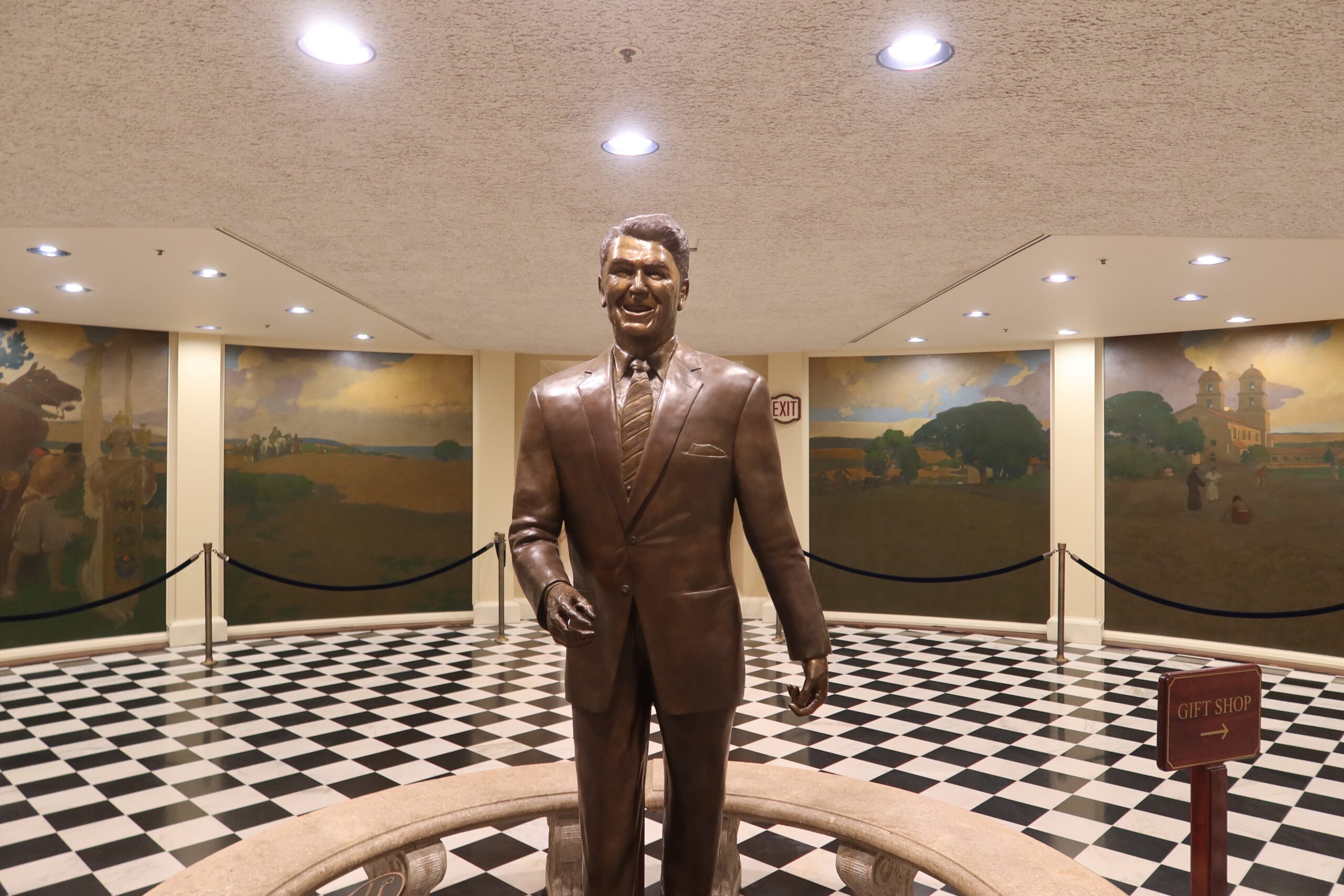
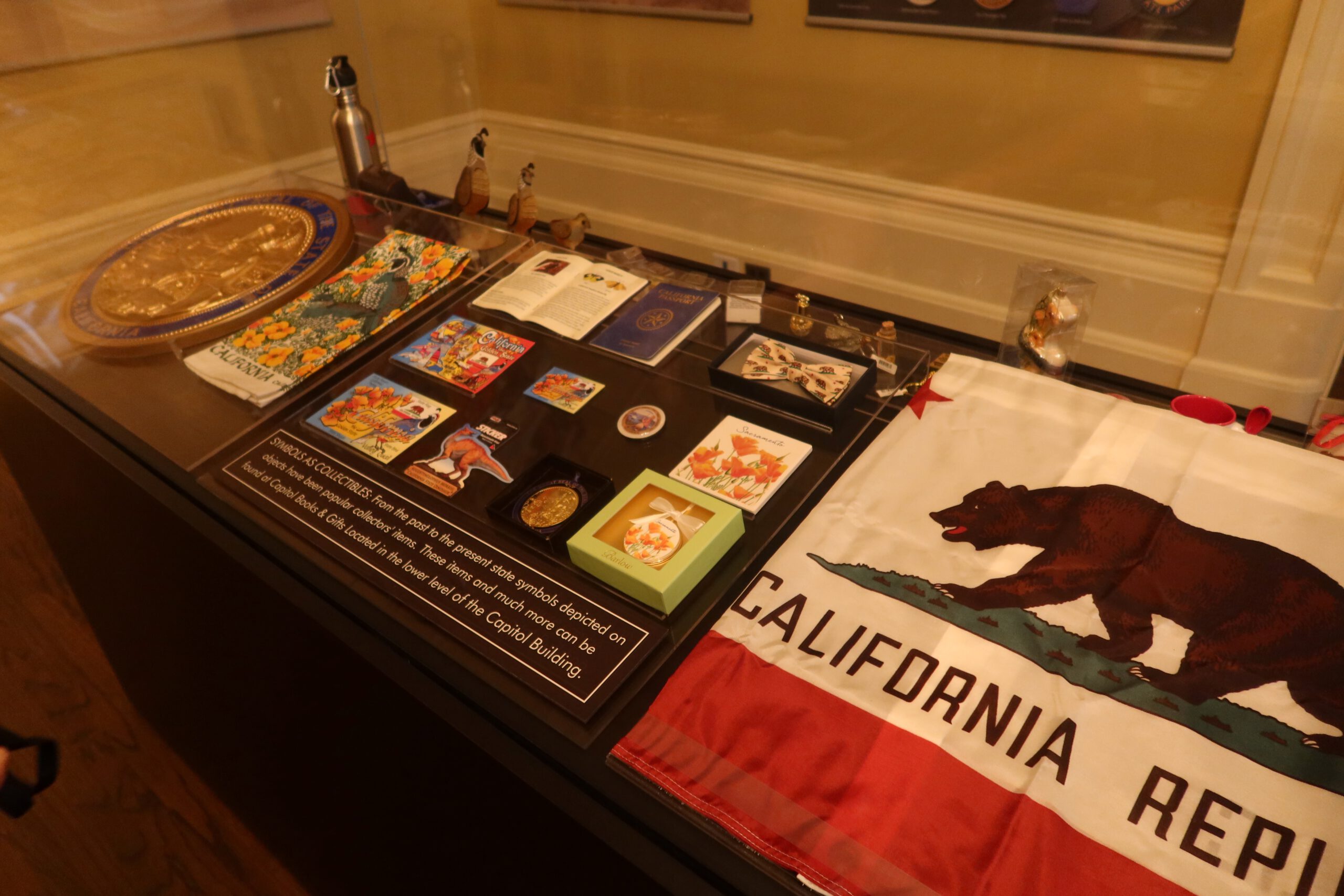
In the basement of the California State Capitol Museum, visitors will find a gift shop and additional facilities. We spent some time here browsing souvenirs. I picked up a California state flag shirt for my father, which felt like a fitting and meaningful gift.
I also bought a few smaller souvenirs for myself, including a California flag fridge magnet. The selection focused heavily on state identity, history, and symbolism, which felt appropriate for the location.
There is also a café area in the basement, but it looked more like a functional cafeteria than an inviting place to sit and relax. It was not very appealing, and it was unclear whether it was meant for extended dining or mainly for staff.

The History of the California State Capitol
The California State Capitol building was constructed between 1861 and 1874, with several pauses due to funding issues and the impact of the Civil War era. The design was inspired by classical architecture, with influences from ancient Roman and Greek styles.
Over time, the building underwent multiple renovations and restorations. The most significant restoration took place between 1976 and 1982, during which much of the historic interior was carefully restored while modern safety standards were added. This balance between preservation and functionality is one of the reasons the building works so well as both a museum and an active government space.
Why Sacramento Became California’s Capital
Sacramento was chosen as the capital of California largely because of its strategic location and historical importance during the California Gold Rush. In the mid nineteenth century, Sacramento was a major supply hub for gold miners traveling to the Sierra Nevada.
Its position along the Sacramento River made it accessible for transportation and trade, and it quickly became an administrative center. Compared to cities like San Francisco, Sacramento was considered more stable, less chaotic, and better suited for government functions.
The Role of the California Gold Rush
The California Gold Rush played a crucial role in shaping the state’s political and economic structure. Beginning in 1848, the discovery of gold led to massive population growth and rapid development.
Sacramento emerged as a key gateway to the gold fields, providing supplies, services, and governance. This growth solidified its role as a central location for political organization, which ultimately led to its selection as the permanent capital.
A Meaningful Final Stop in America
Visiting the California State Capitol Museum felt like a perfect way to wrap up our journey through the United States. It offered reflection, history, and context after weeks of national parks, long drives, and iconic landscapes.
As a final major stop before heading toward San Francisco, it grounded our trip in California’s story, showing not just its natural beauty but also its political and historical foundation. California State Capitol Museum turned out to be one of those places you did not plan extensively, but that ends up staying with you long after the visit.