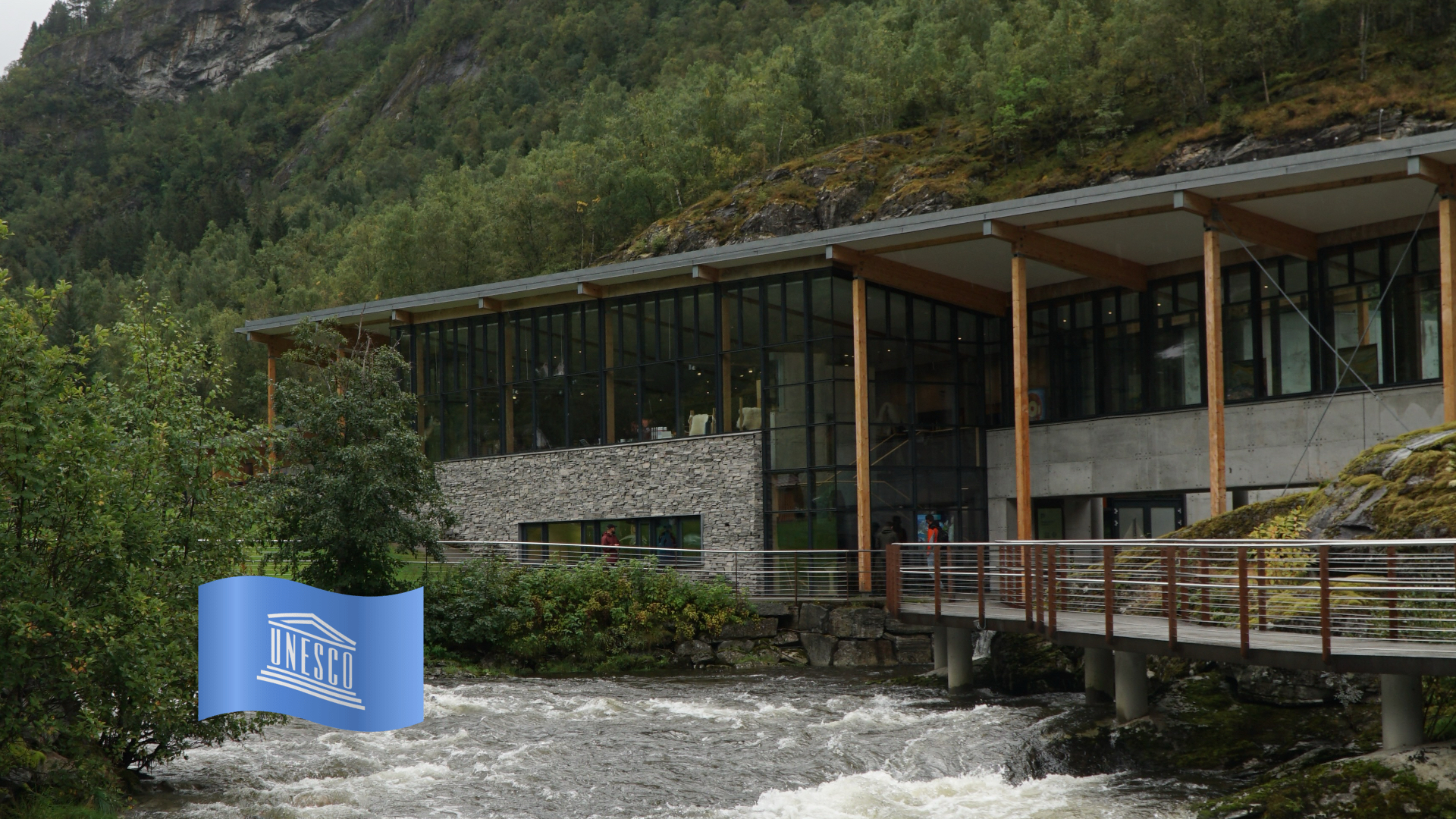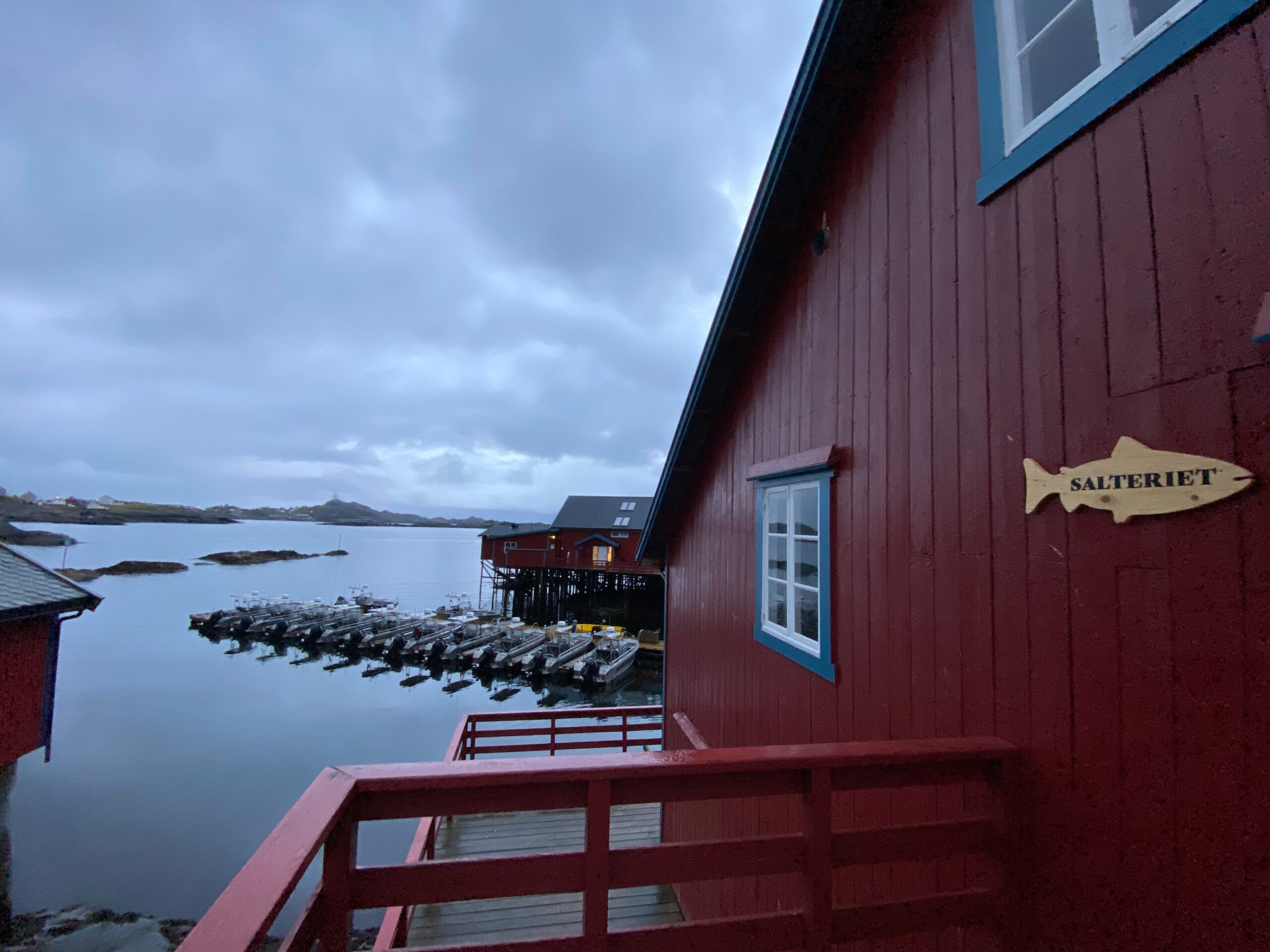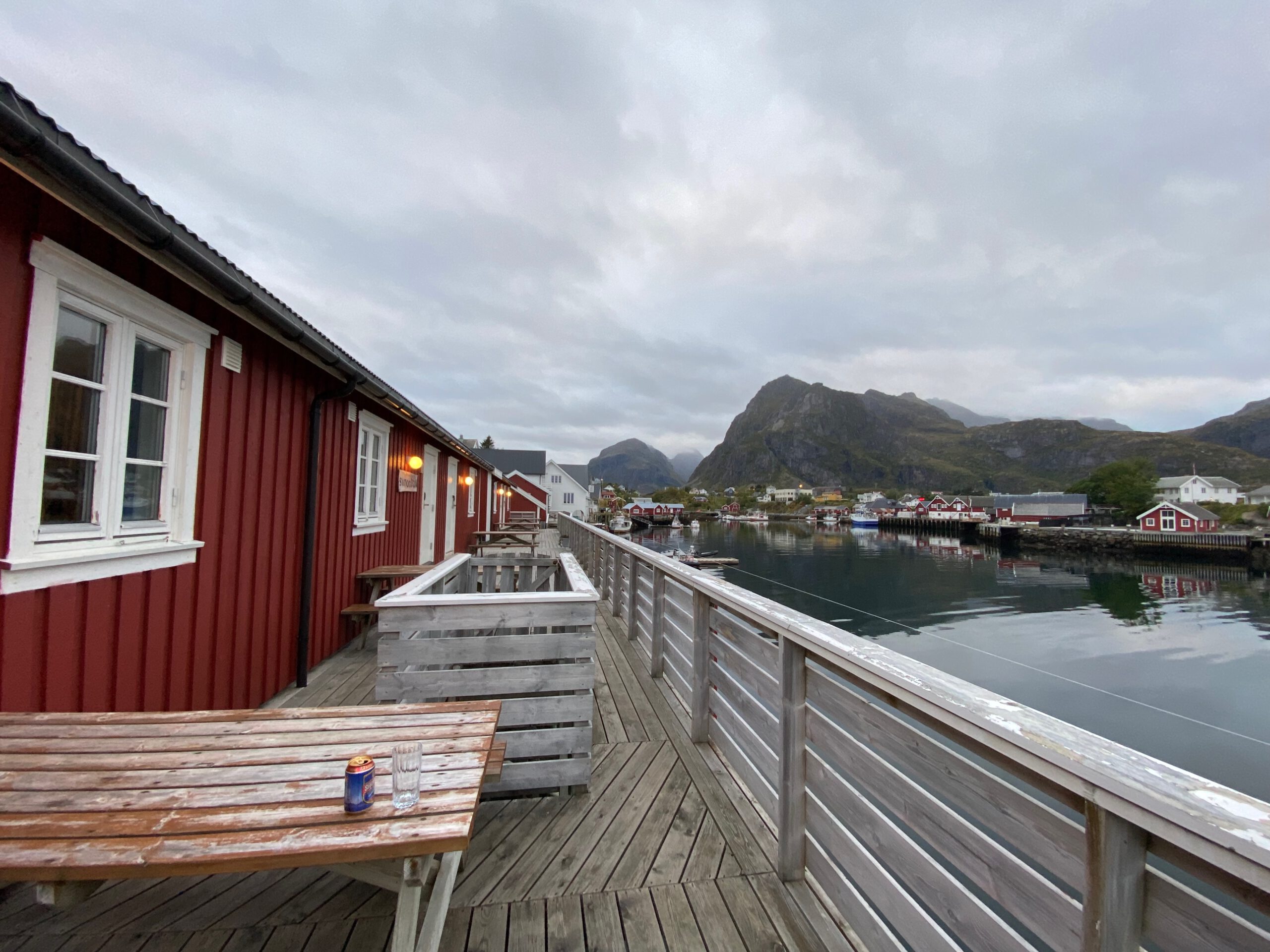

Lofotr Viking Museum was one of those stops we did not fully plan in advance. While staying on the Lofoten Islands, sleeping in a classic fishing cabin in Sørvågen, we spotted the brown road signs pointing toward the museum while driving. That alone was enough reason to turn the car and see what this place was about.
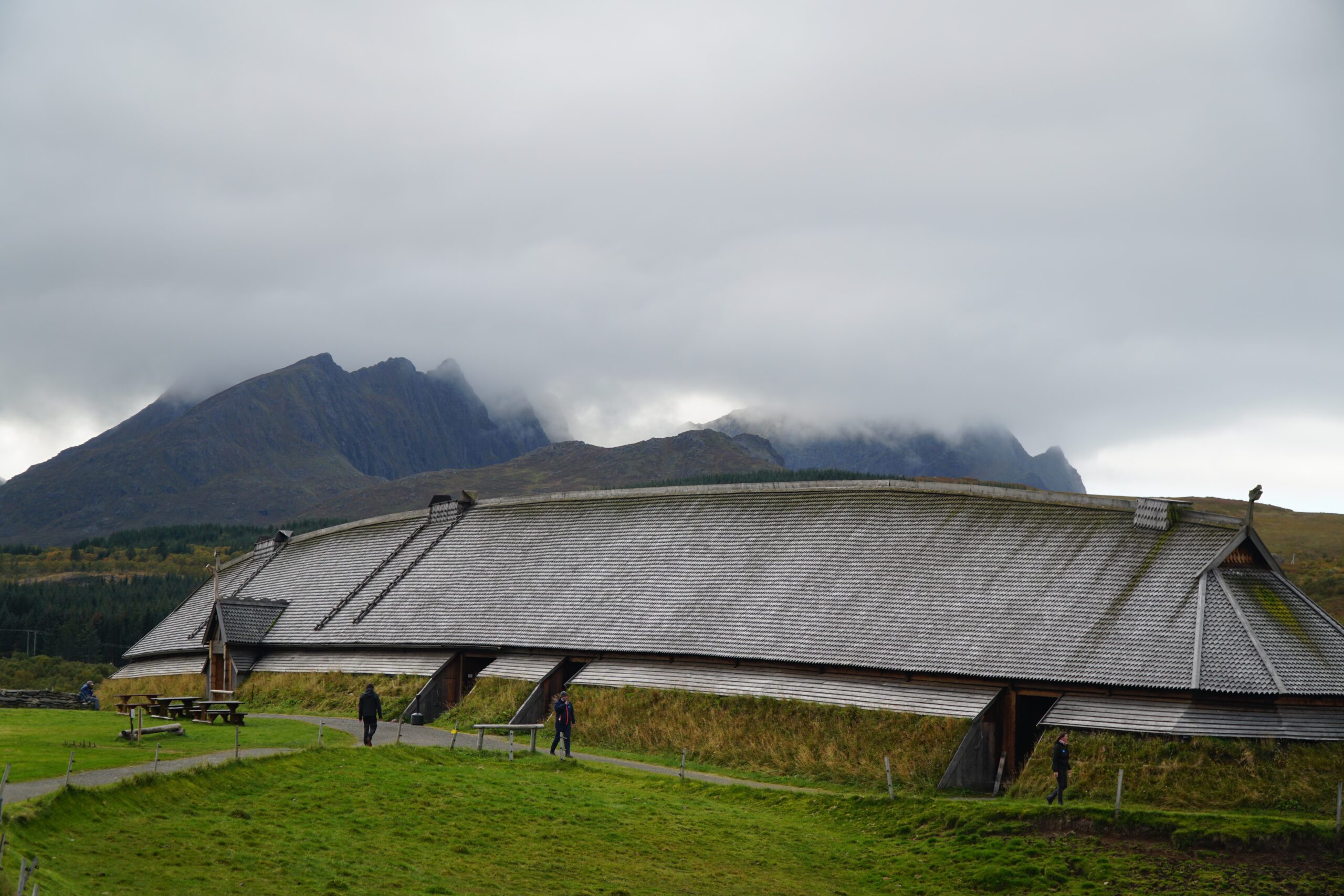
The Lofotr Viking Museum is located in Borg on Vestvågøy, and it is built around one of the most important Viking discoveries in Northern Europe. In 1983, archaeologists uncovered the remains of what turned out to be the largest Viking longhouse ever found, stretching roughly 83 meters, about 272 feet. That discovery alone already sets expectations fairly high.
Arrival and First Impressions
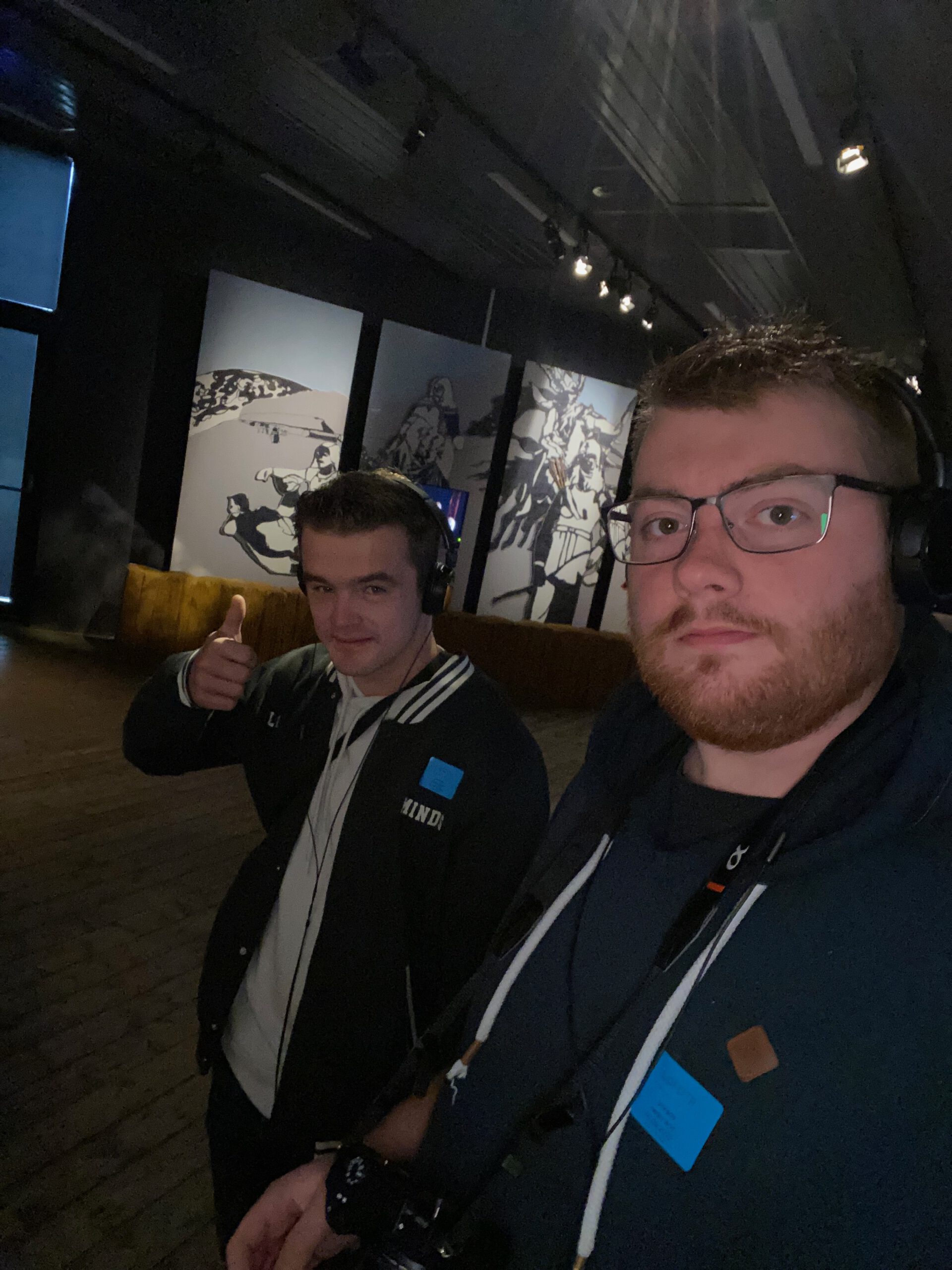
Upon arrival at the Lofotr Viking Museum, we bought our tickets at the entrance. Prices were, in my opinion, relatively reasonable when we arrived at the Lofotr Viking Museum. During our visit, based on 2020 pricing, tickets cost 18 euros per person off season, while in peak season prices go up to around 25 euros per person. Since we were visiting outside the main summer season, we benefited from the lower rate. The Lofotr Viking Museum seasons are different per year, they told me.
Instead of a traditional paper ticket, you receive a sticker that you place on your clothing. It feels a bit old school, but it works and fits the museum’s informal atmosphere.
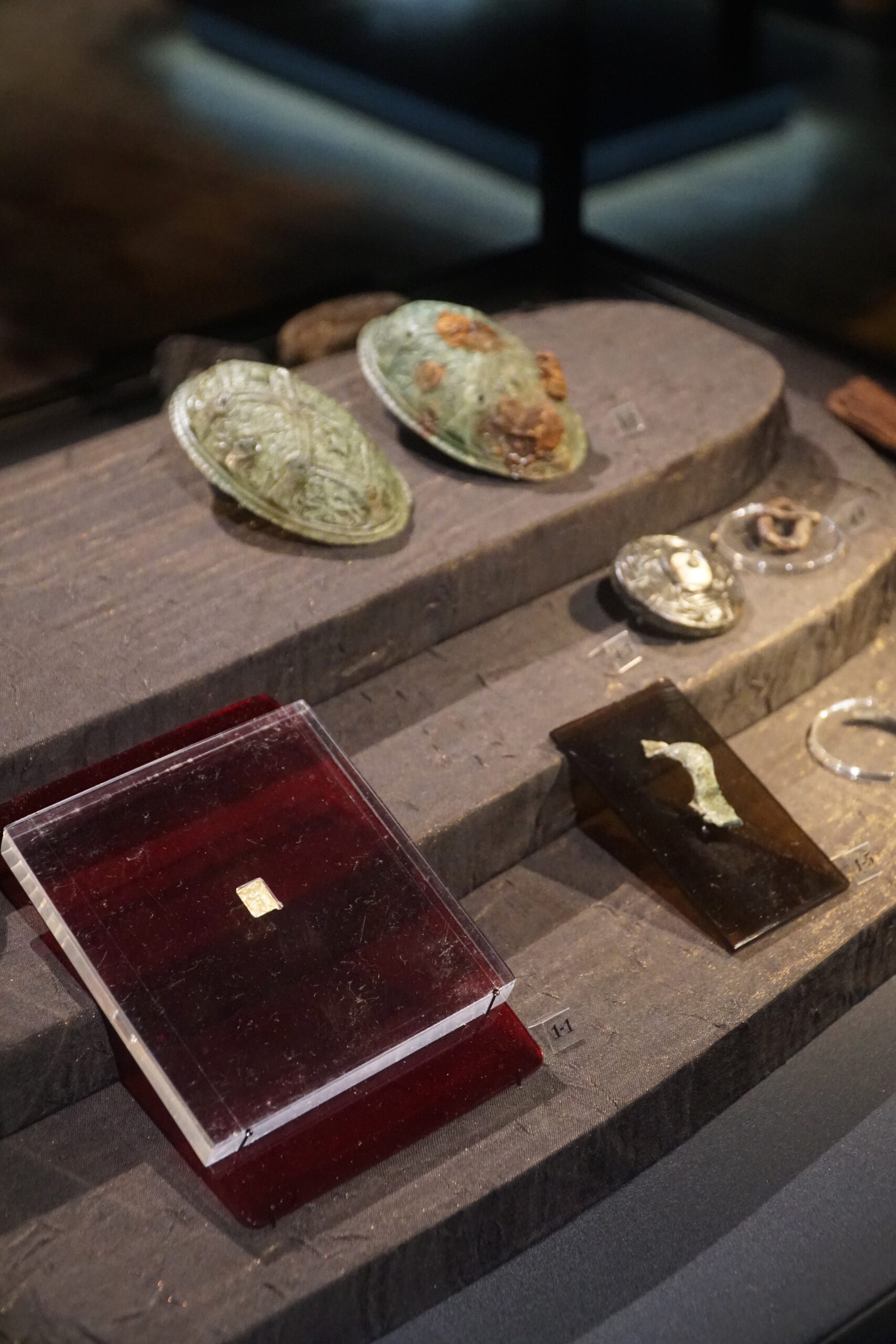
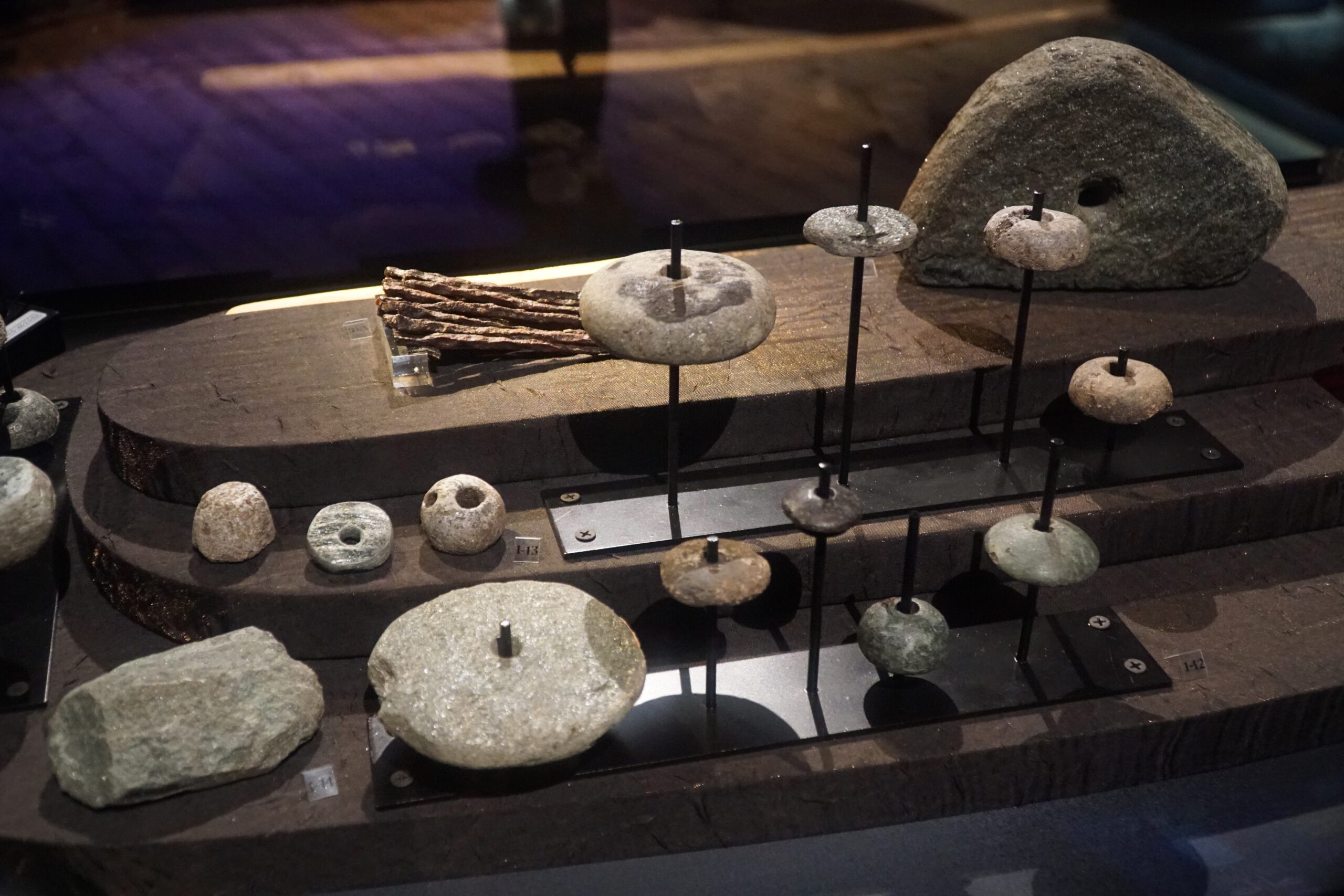
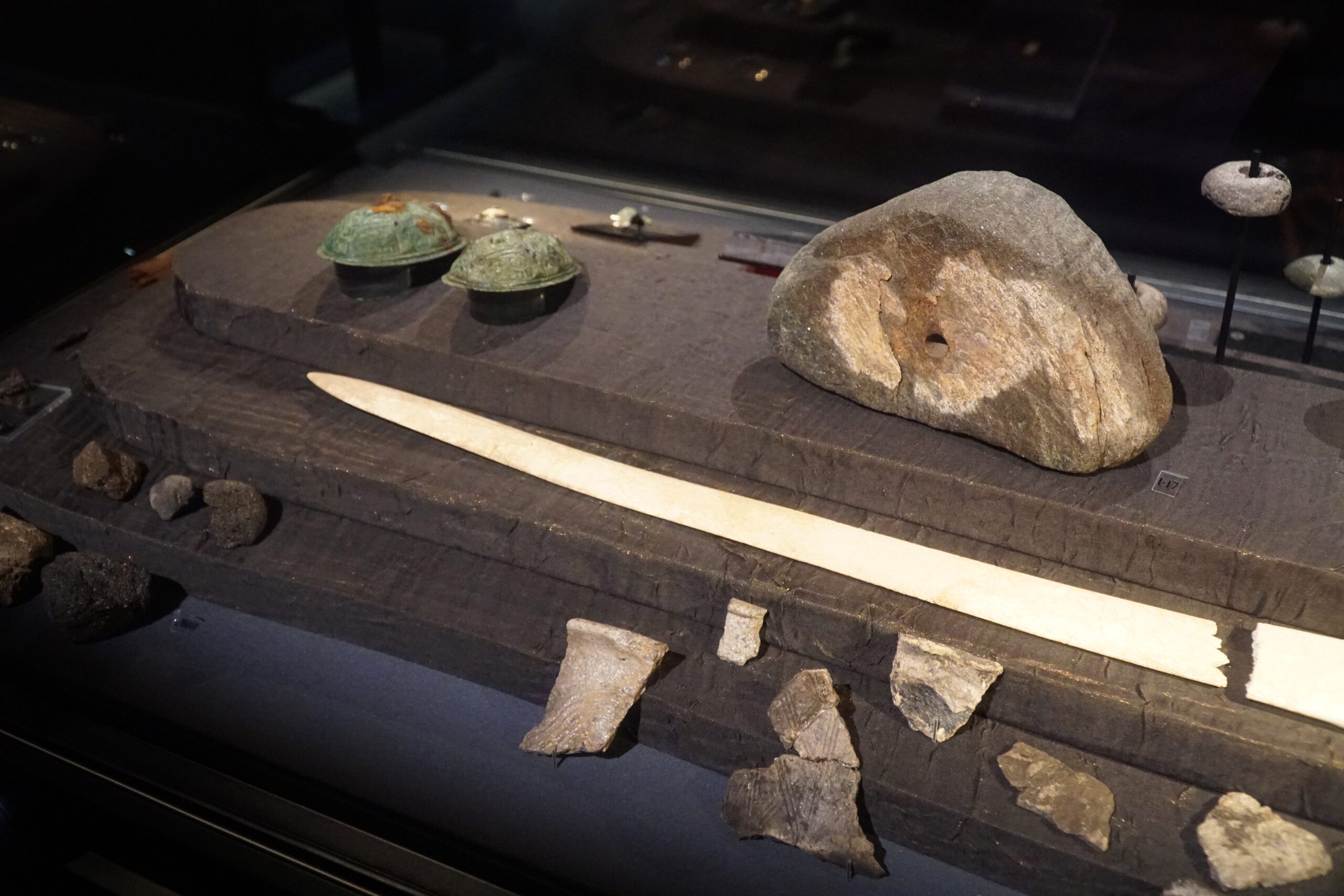
The first part of the Lofotr Viking Museum is an exhibition space filled with Viking objects and archaeological finds. These include original artifacts, tools, and reconstructed items that give context to daily Viking life. This area immediately felt like a proper museum, grounded in history rather than spectacle.
The Viking Film Experience
One of the highlights early in the visit of Lofotr Viking Museum, is the English language Viking film. The movie takes you back in time and introduces Viking life, beliefs, and power structures. What made it especially enjoyable is that many of the buildings and locations shown in the film are the exact ones you later walk through yourself in the area of the Lofotr Viking Museum. That connection between storytelling and physical space works very well.
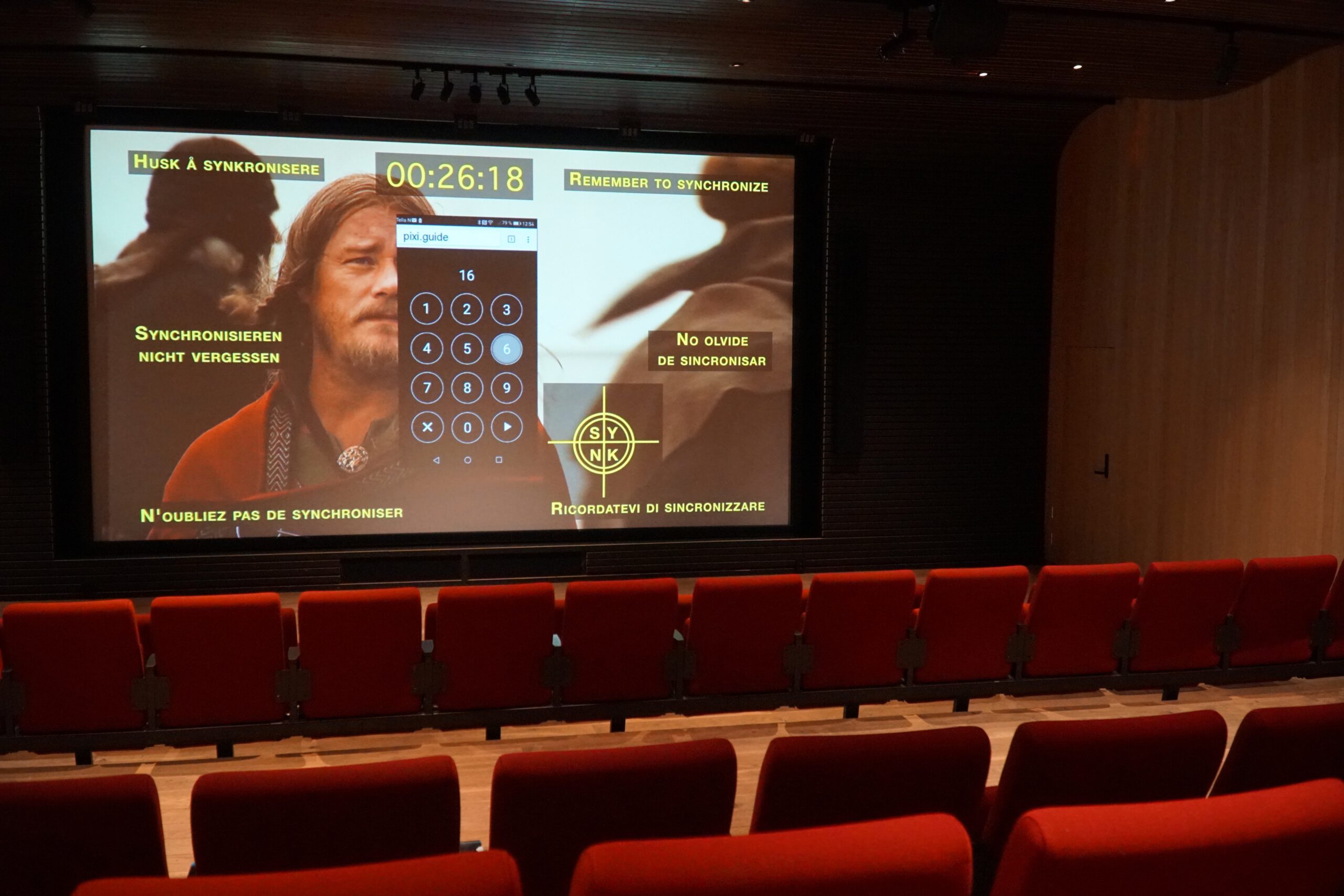
It sets the tone and makes the rest of the visit easier to understand, especially if Viking history is not something you are deeply familiar with.
Workshops and Living History
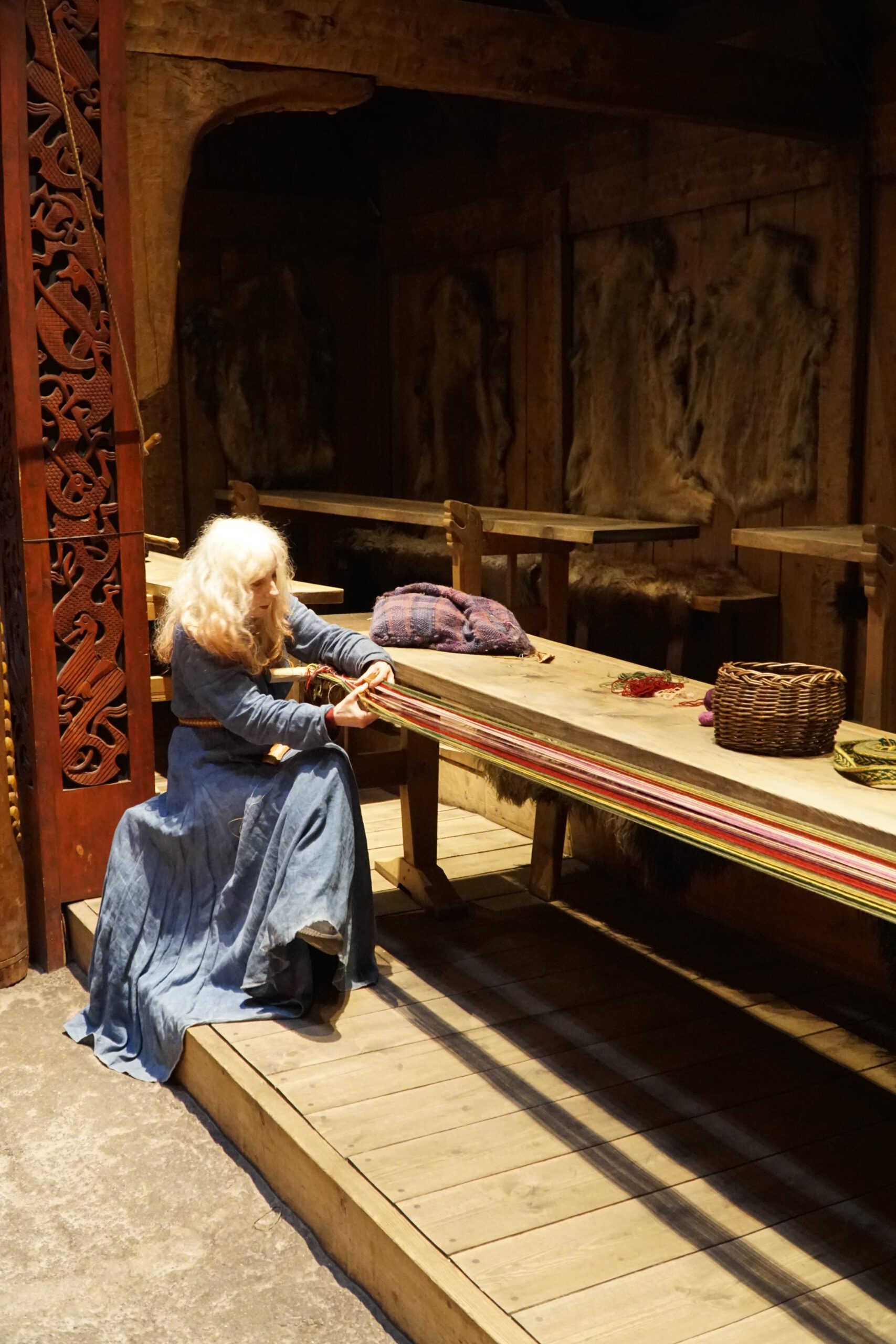
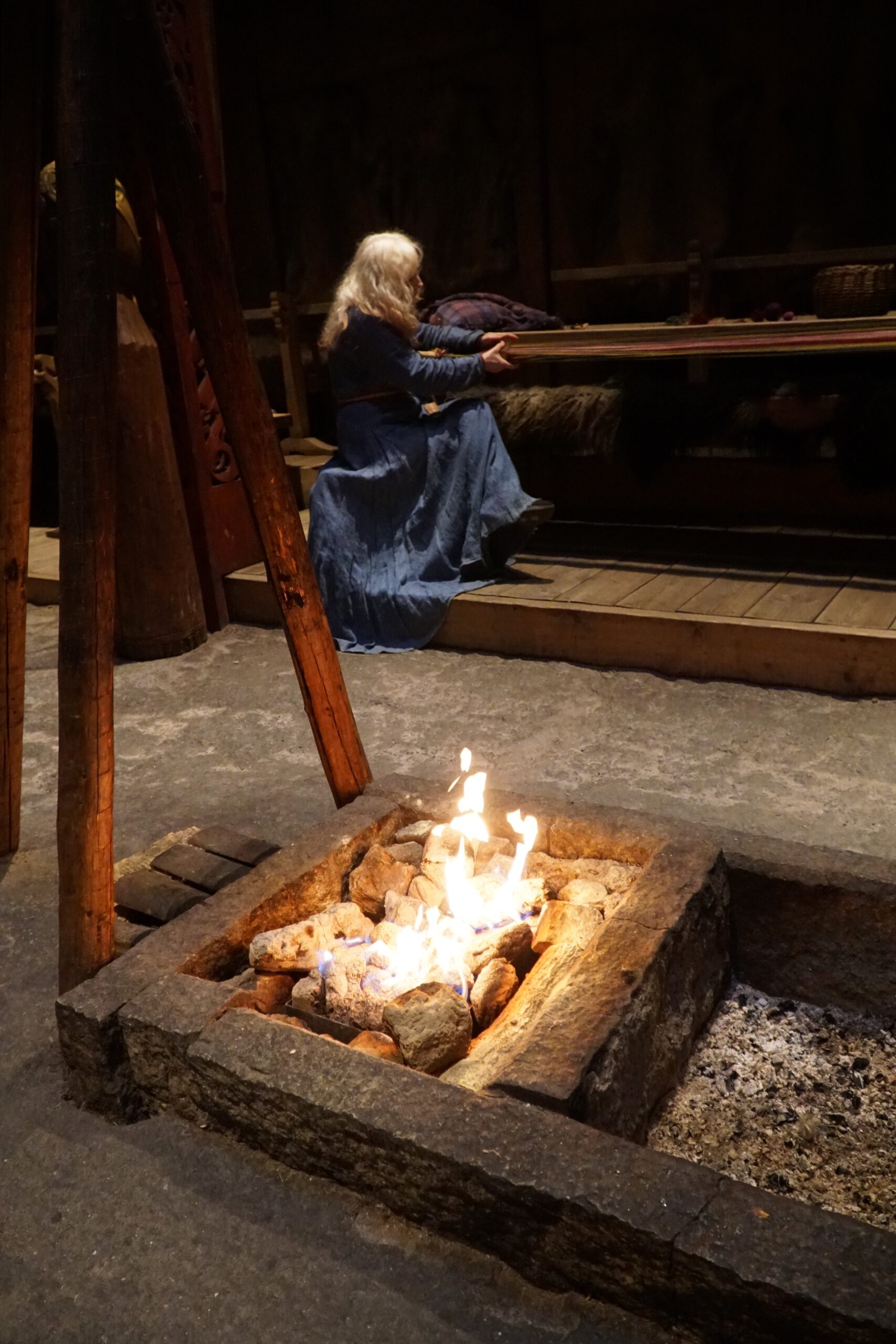
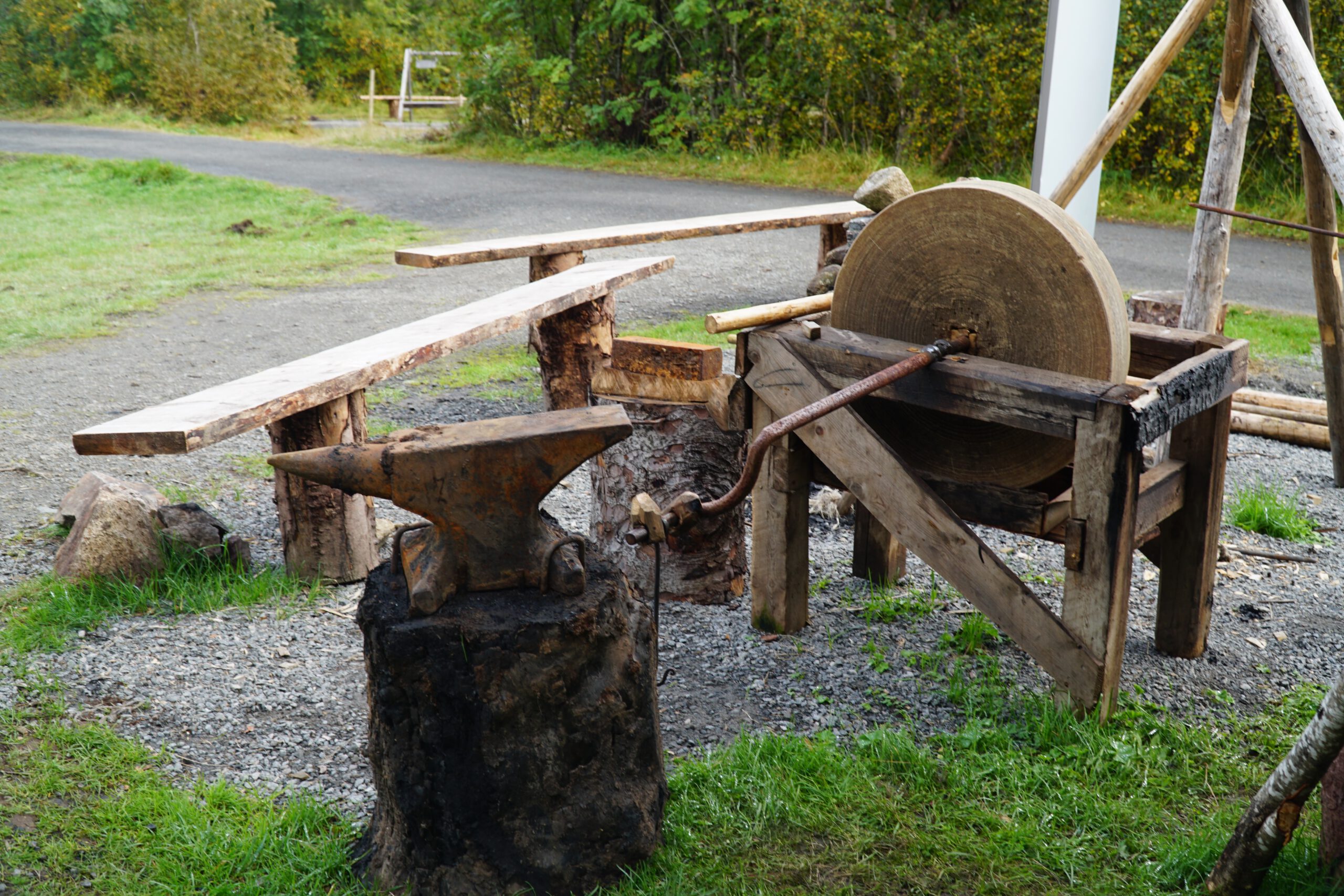
Next, we entered a workshop building, which was one of the most immersive parts of the entire museum. Here, people were actually working, making fire, weaving fabrics, and producing clothing using historical techniques. This was one of those moments where the museum truly succeeds in pulling you out of modern time and placing you, mentally, a thousand years back.
Inside this building, you also find additional objects, museum pieces, and even taxidermy animals native to the region. These animals help contextualize the environment Vikings lived in and depended on.
There was also a boat grave on display. At first glance, I honestly thought it was some kind of sleeping area. In a way, that assumption was not entirely wrong, it is a resting place after all, just the final one.
Outdoor Areas and Activities
Outside, the museum grounds are spacious and spread out. There are paths through wooded areas, open landscapes, and various historical setups. For children, there are simple but fun games, such as throwing small bags into holes or tossing pinecones into carved wooden boards. Everything is naturally integrated into the environment, which I appreciated.
There is also a burial site on the grounds of Lofotr Viking Museum, reinforcing the idea that this place was not just a home, but a full Viking settlement.
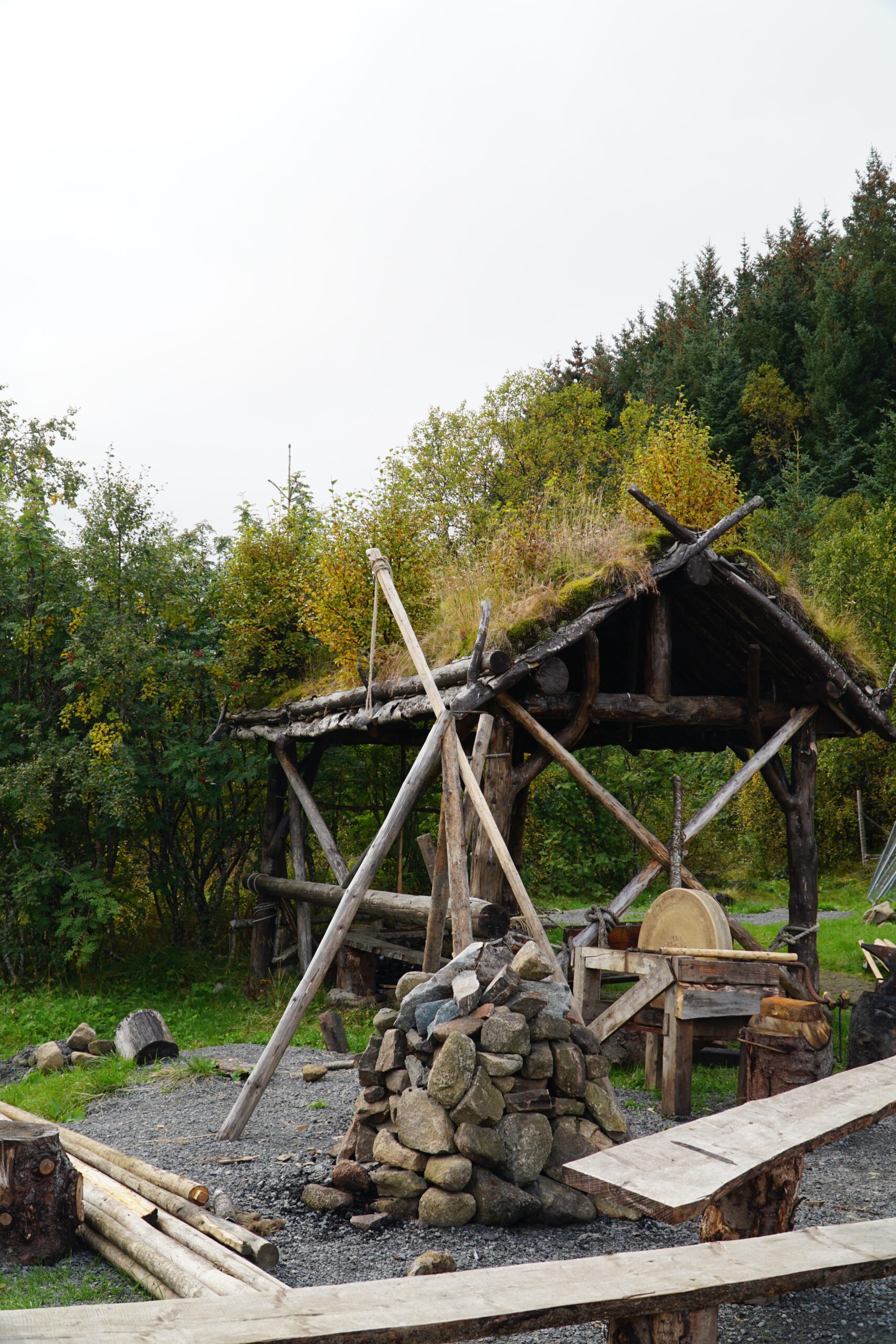
However, this is where the off season reality becomes noticeable. Much of what the museum offers outdoors is inactive outside the summer season. You can see everything, but you cannot interact with much.
The Viking Ship Area
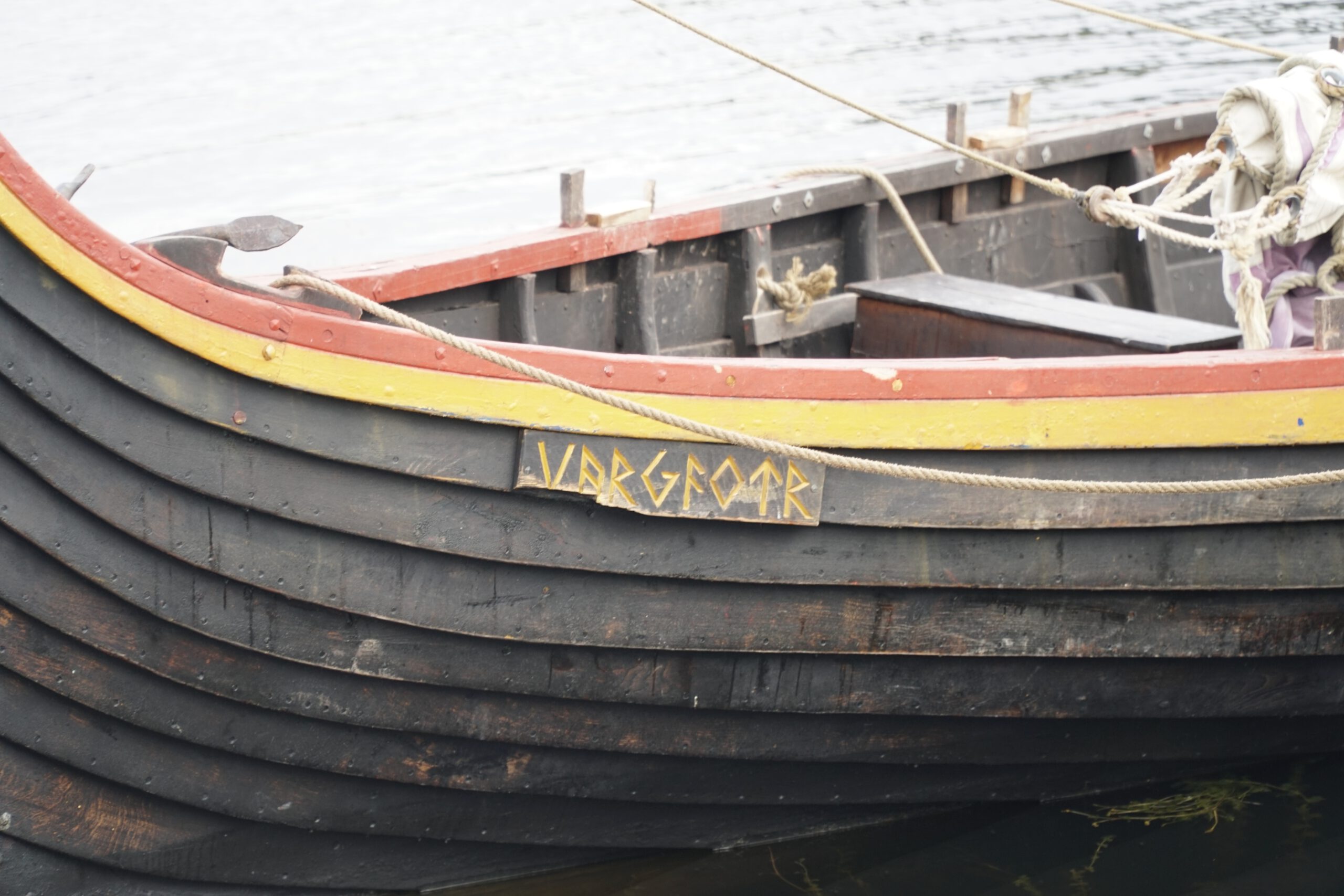
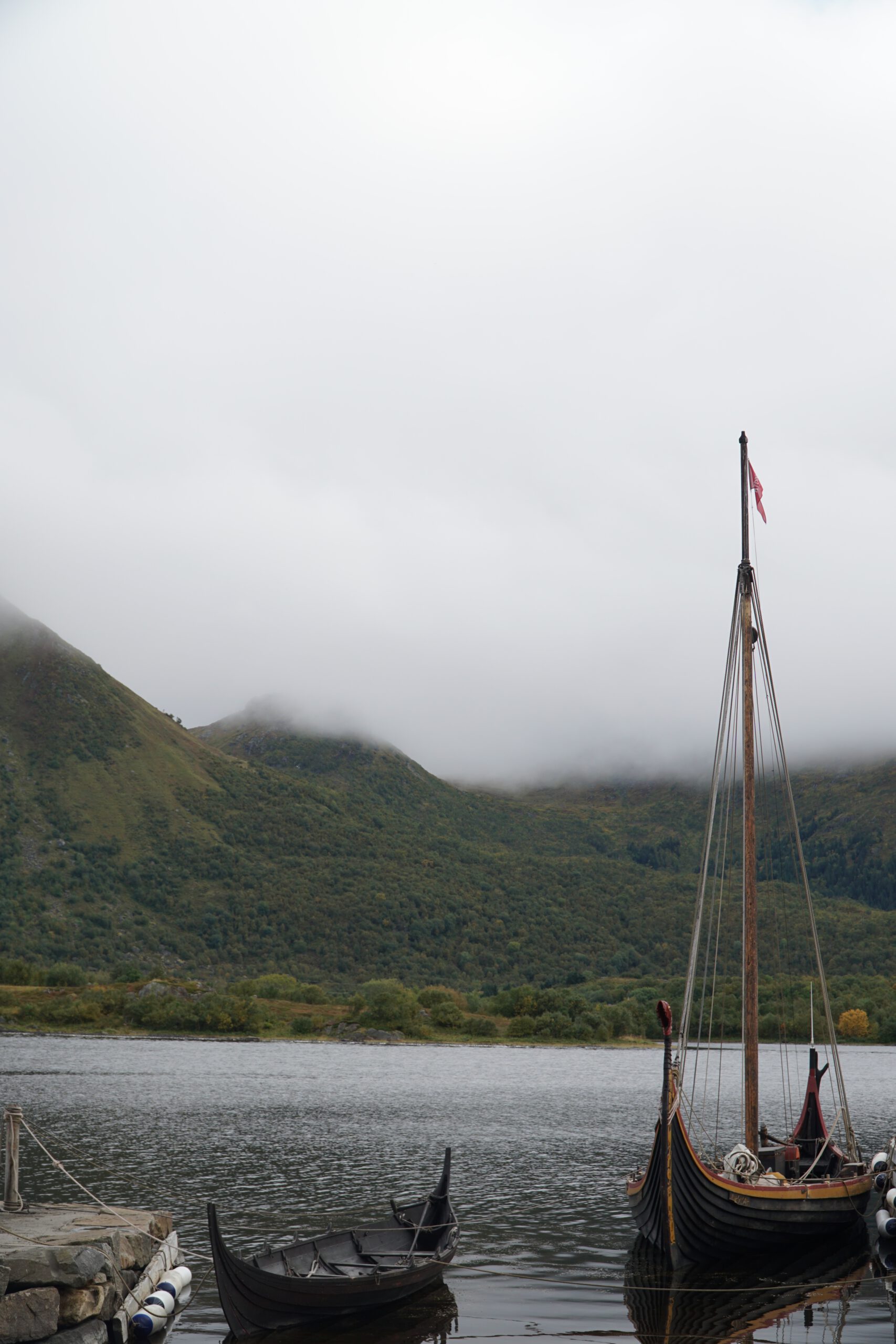
Walking further, you reach the area where the Viking ship is stored. The boat is called Vargfotr, if spelled correctly, and it is housed in a dedicated boathouse near the water. While you can see the ship and the building, actual sailing experiences only take place during the summer months.
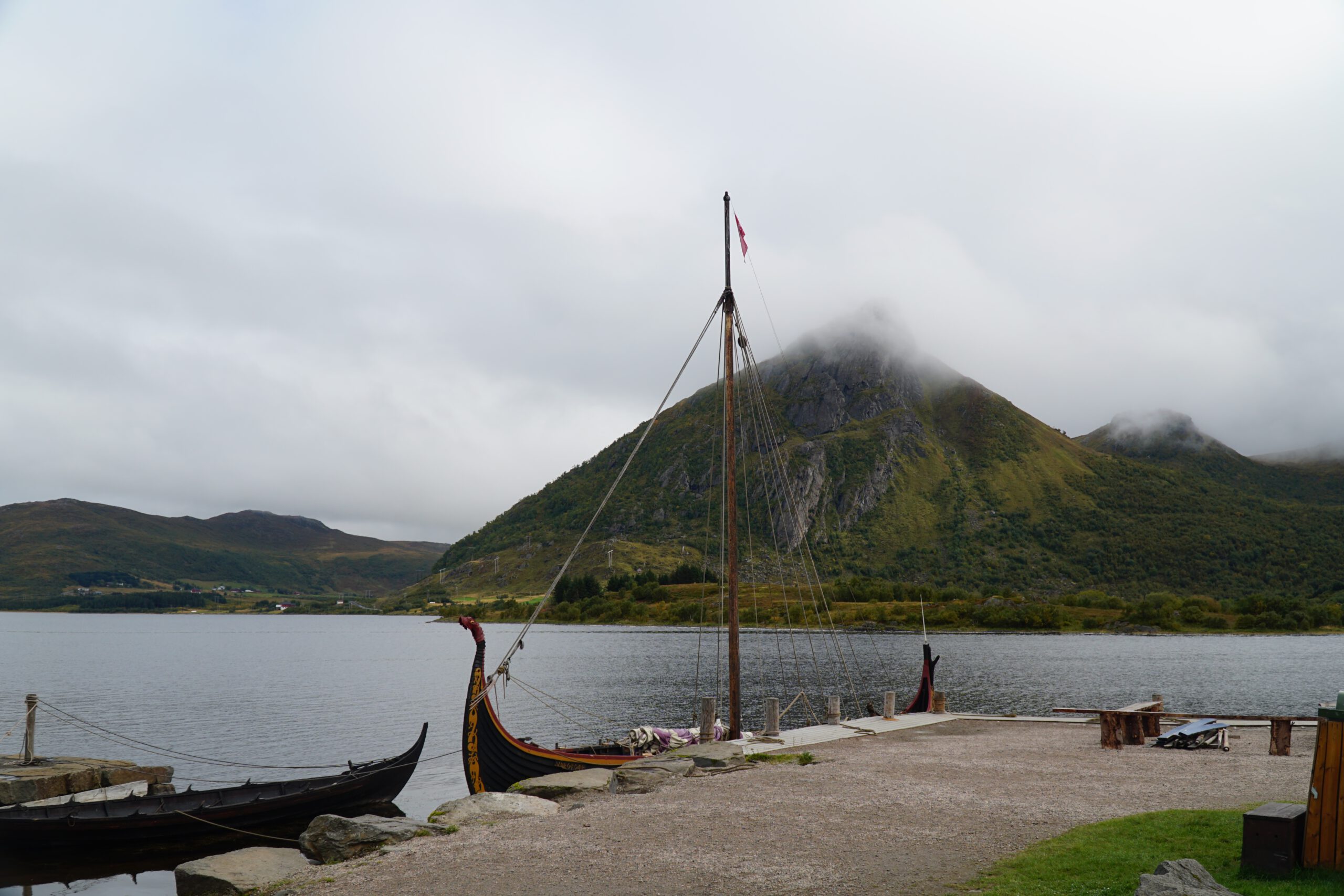
There is also supposed to be a food and drink area near the ship, but again, off season meant everything was closed. This made the area feel more like a visual stop rather than an active experience.
Firepits and Daily Life
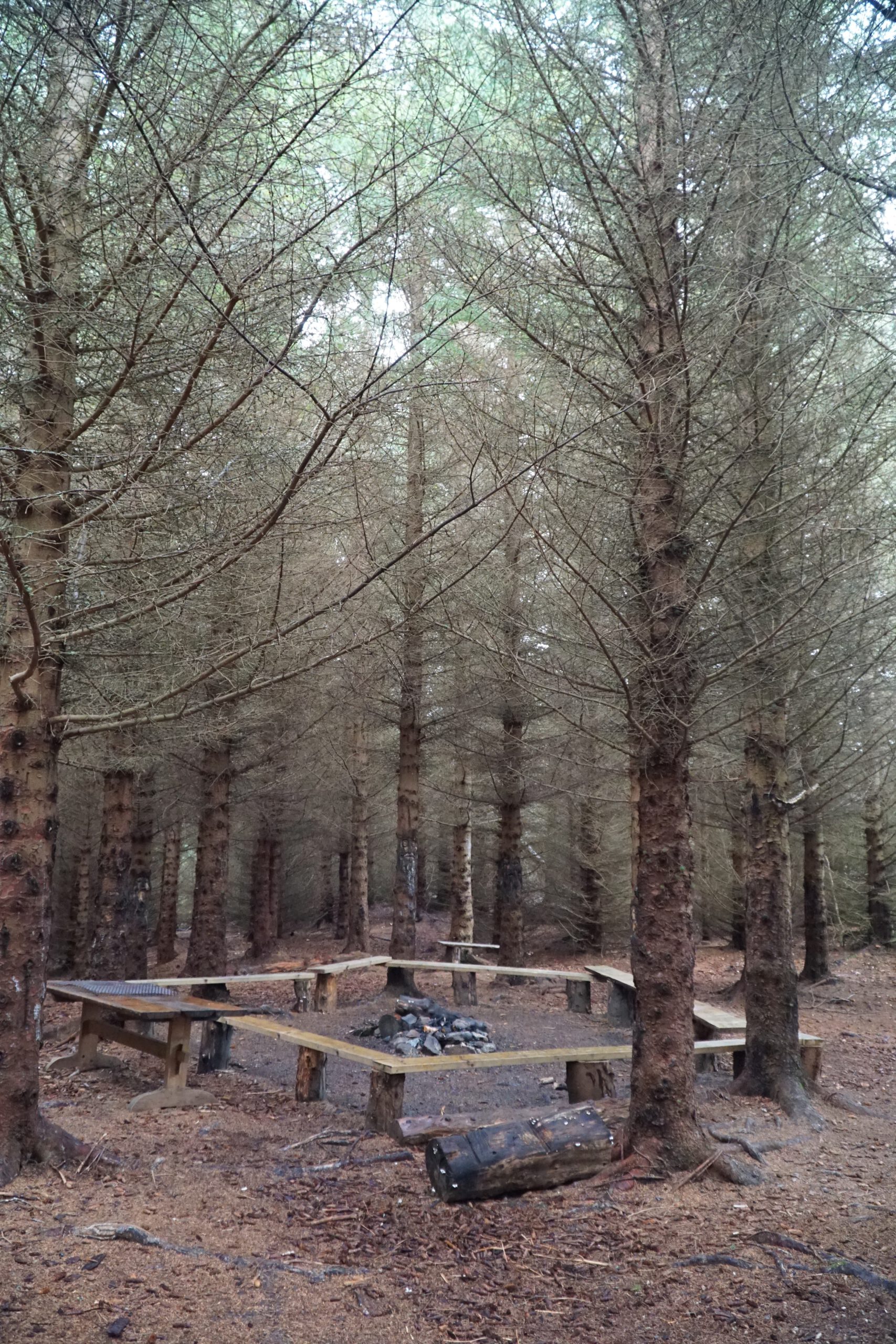
Further along the route, you pass a firepit and firewood preparation area, showing how Vikings prepared fuel and organized daily survival tasks. These small details help paint a realistic picture of everyday Viking life beyond battles and mythology.
Borge Church, A Quiet Contrast on Viking Ground
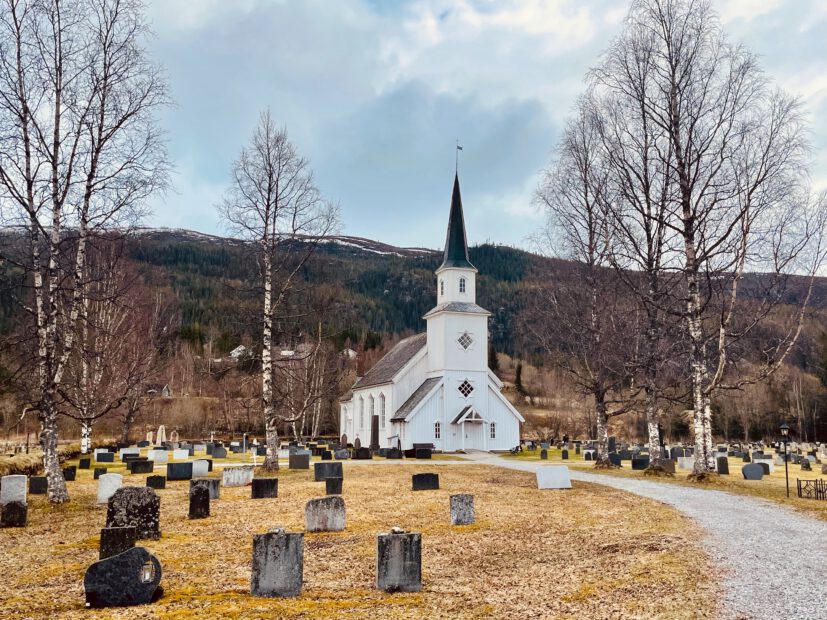
While exploring the grounds of the Borge kirke, nearby or on the grounds of Lofotr Viking Museum. we realized this church is not just nearby, it is very much part of the same historical landscape as the Viking center itself. Standing here feels different from the longhouse and workshops, but at the same time it completes the story.
Where the Viking museum focuses on power, daily life, and belief systems before Christianity, Borge Church marks the shift that followed. Christianity officially reached Lofoten around the year 999, and churches have stood on this exact spot since the early Middle Ages. The current building dates from 1987, after a devastating fire destroyed the previous church in 1983, but the location itself carries centuries of continuity.
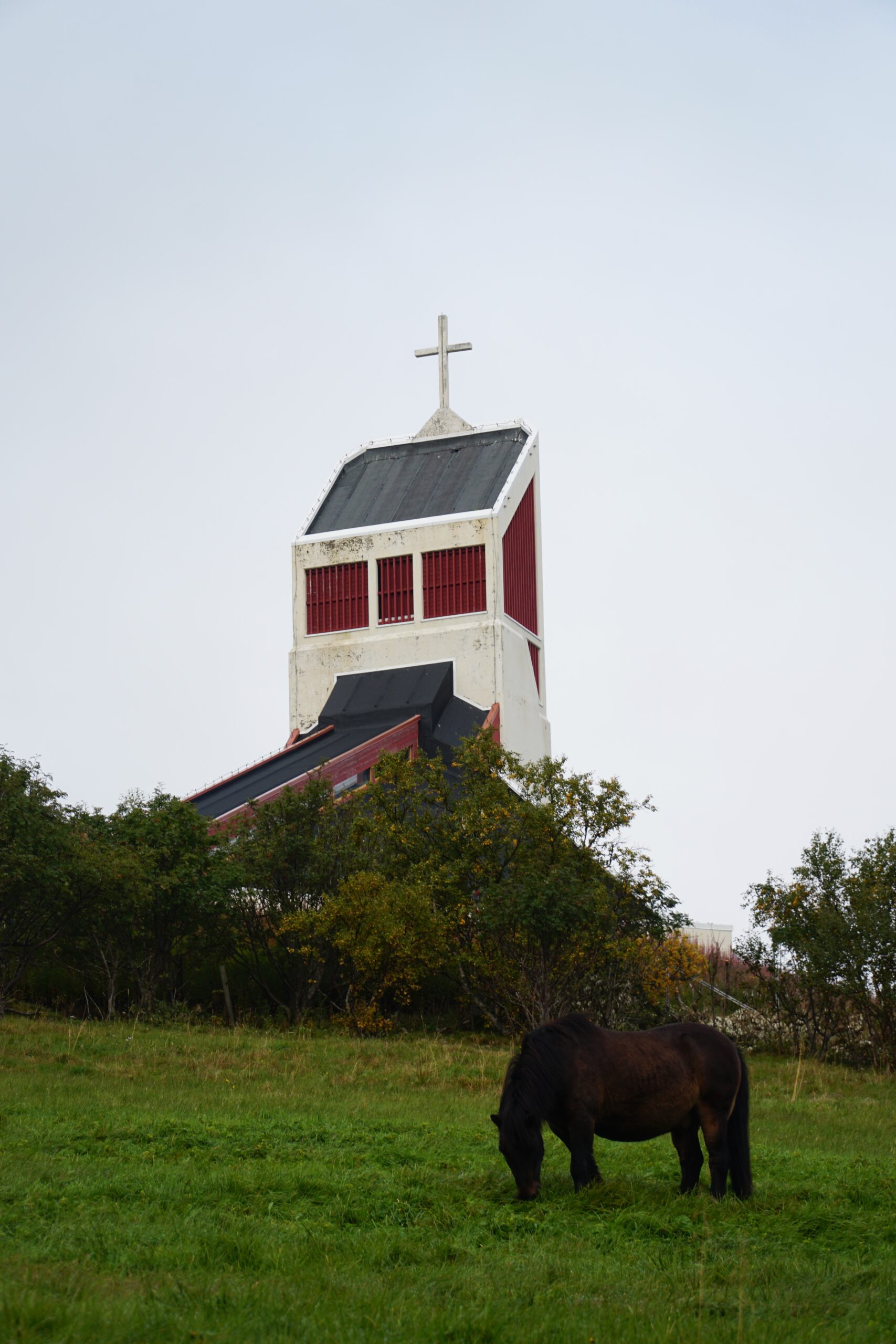
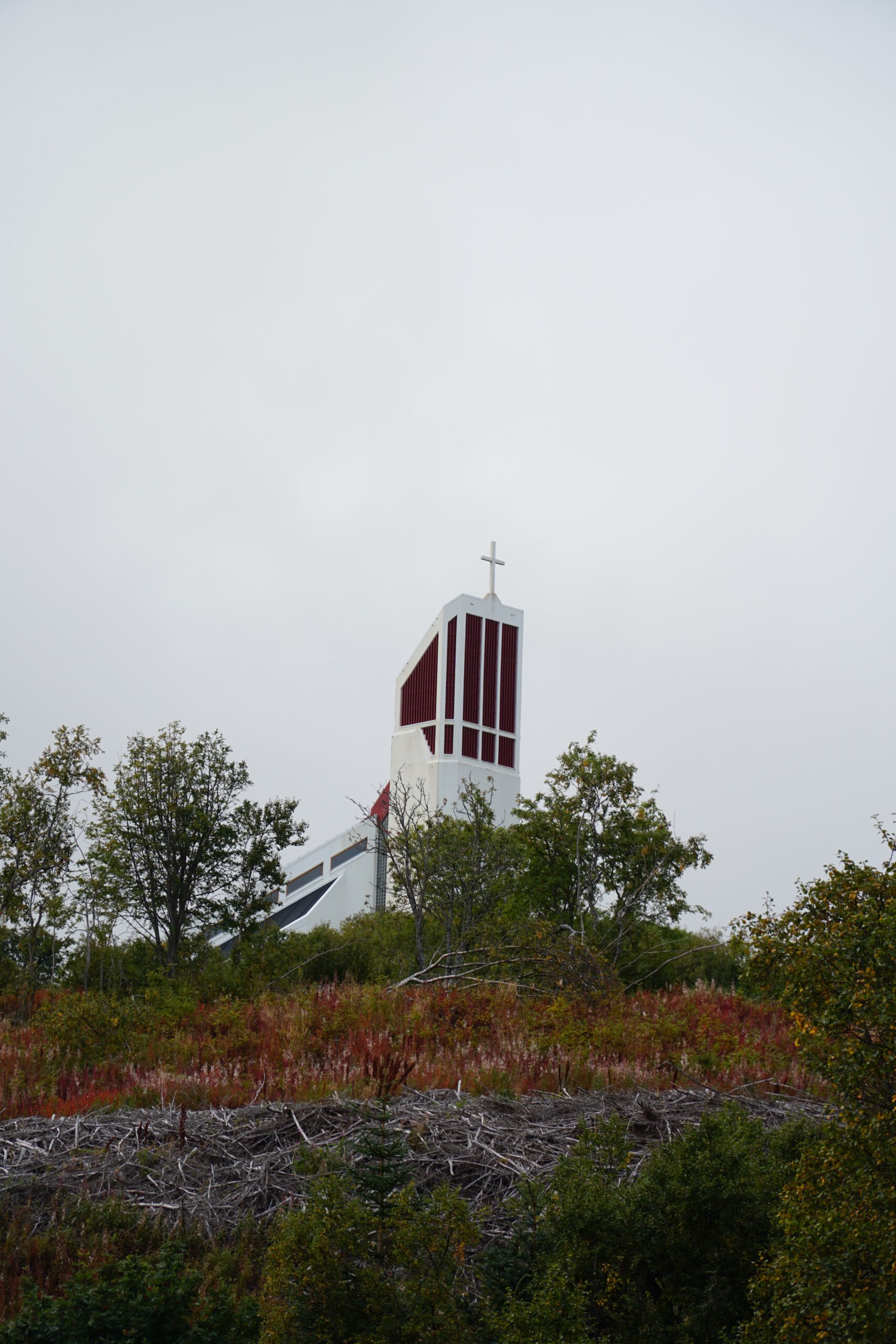
We walked around the church grounds quietly, taking in the contrast. On one side, reconstructed Viking life and pagan traditions, on the other, a modern church rooted in deep Christian history. It felt calm, almost reflective, and very different from the more active parts of the museum.
It is not a highlight in the classic sense, but it adds depth. Visiting Borge Church helped us understand how this place evolved, from Viking chieftains to Christian communities, all on the same land.
Shop, Snacks, and a Final Stop
Back at the main building, you will find a small museum shop and a snack corner. To be honest, the shop felt somewhat underwhelming. There were souvenirs and themed items, but nothing that truly stood out.
We did sit down for a short break. I had an Isbjørn Light beer, which was genuinely enjoyable, while Peter went for an apple cake. It was a nice pause, but not something I would visit on its own. Lofotr Viking Museum has some souvenirs of themselves, which are interesting to get as well, like fridge magnets and stickers.
Was It Worth the Price?
This is where the honest part comes in. Was it a bad experience? No, absolutely not. The museum is interesting, educational, and beautifully located. But was it fully worth 18 euros per person, even with a 7 euro off season discount compared to summer prices? That is debatable.
Much of the experience depends heavily on the season. In summer, with active workshops, boat trips, and outdoor demonstrations, the value is clearly higher. Off season, you are mostly looking and reading, with fewer hands on activities.
Final Thoughts on Lofotr Viking Museum
The Lofotr Viking Museum is not a classic museum filled with endless original artifacts behind glass. It is a Viking experience museum, focused on atmosphere, storytelling, and reconstructed history. When it works, it works very well. When activities are limited, it can feel a bit thin for the price.
I enjoyed the visit, but I would personally recommend timing it carefully. If you want the full experience, summer is the season to go. Off season, it is still interesting, but expectations should be adjusted.
In short, it is a place worth visiting once, especially if you are already exploring the Lofoten Islands, but not necessarily a must return attraction unless you experience it during peak season.
The Tide
Fisherman Cabins
Sørvågen
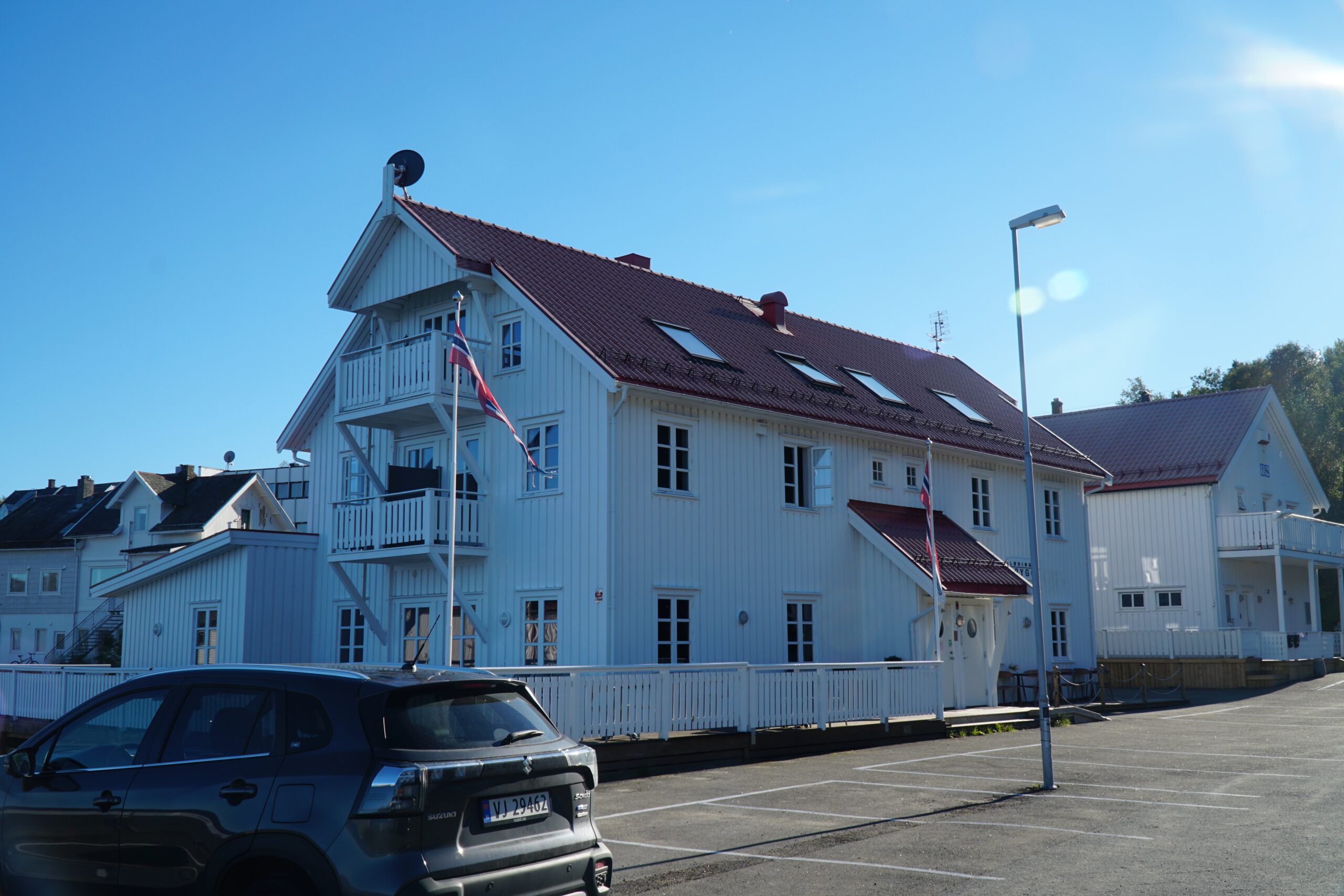
The Tide Fisherman Cabins Sørvågen mark the start of our stay in the far south of the Lofoten Islands, and we arrive without any expectations. That is intentional. This trip is about moving forward without researching every stop in advance, letting the road decide the rhythm.