

Activity Snapshot
Kornwerderzand
Afsluitdijk, 8752 TP Kornwerderzand
My review 5 out of 5 stars
Price / tickets
Website
Accessibility
Activity type
Best for
Parking
Walking Kornwerderzand is one of those experiences that quietly stays with you. It is not flashy, not busy, and not built around entertainment. Instead, walking Kornwerderzand is about space, silence, wind, history, and the feeling of standing somewhere that was never meant to be crowded. This walk took place during a cold January day, when we intentionally searched for a unique location to slow down, explore, and experience the Afsluitdijk environment on foot.
Why Walking Kornwerderzand Feels Different
A place between land, water, and history
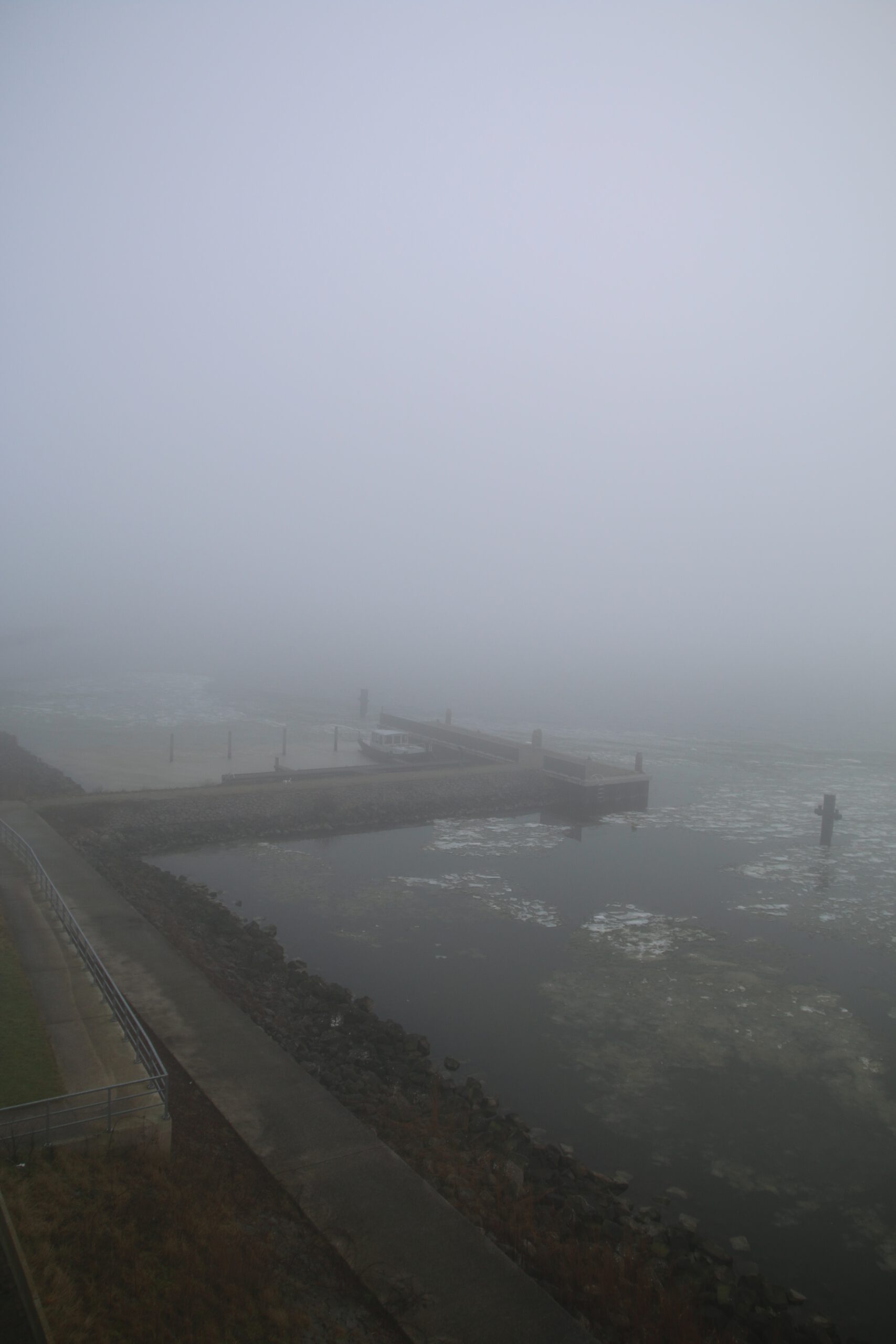
Kornwerderzand sits directly on the Afsluitdijk, connecting Friesland and North Holland while separating the Wadden Sea from the IJsselmeer. Walking here feels like stepping into a transition zone. You are not fully in a village, not fully in nature, and not fully in a museum setting. That in between feeling is exactly what makes walking Kornwerderzand so special.
The wind is constant, the horizon is wide, and there is very little visual noise. Even when cars pass in the distance, their sound is carried away by the wind and becomes part of the atmosphere rather than a disturbance.
Cold, quiet, and raw
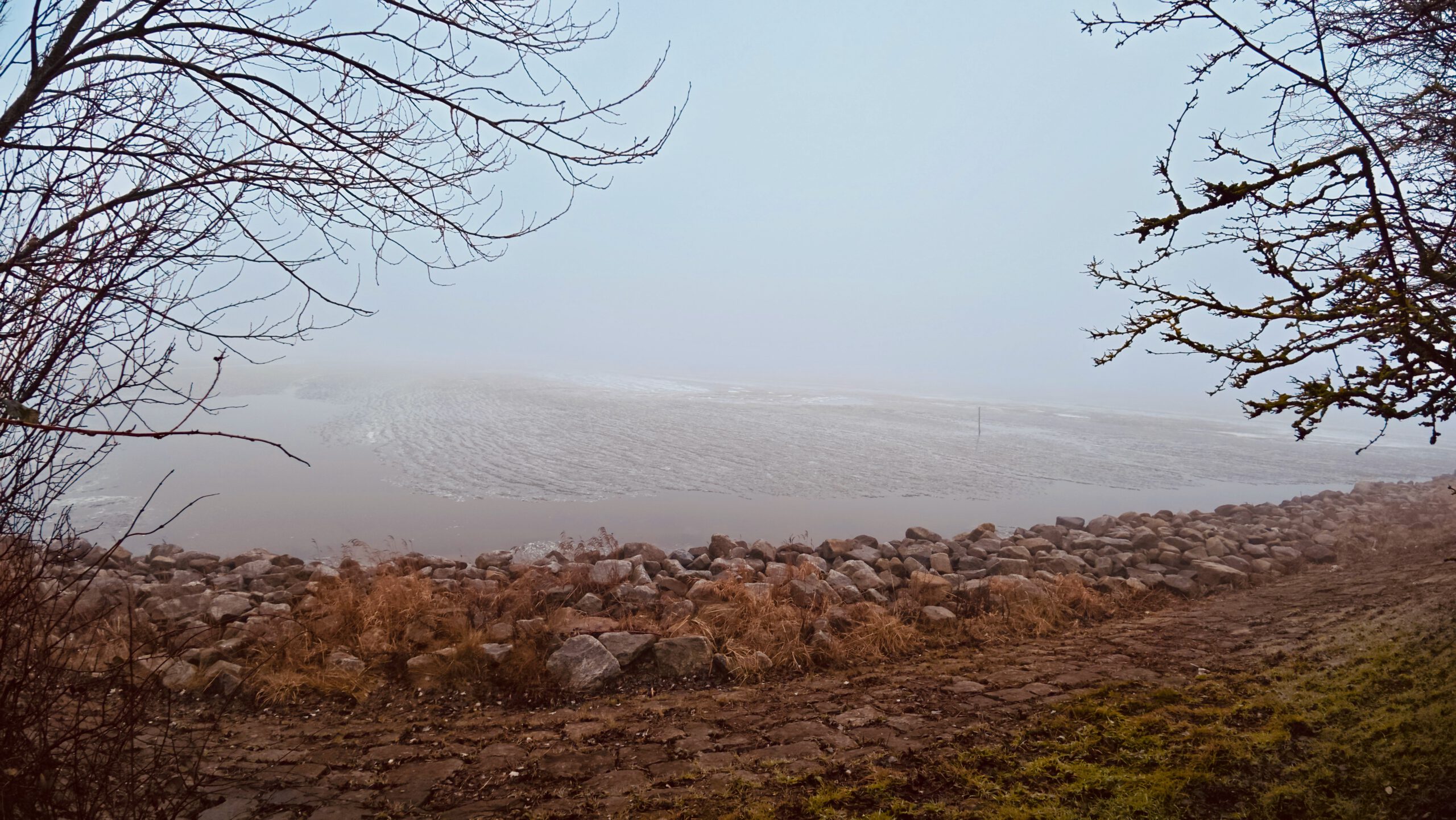
It was seriously cold during our walk. The kind of cold that makes your hands stiff and your face slightly numb. But that cold also sharpens your senses. You hear more, see more, and feel more connected to your surroundings. Walking Kornwerderzand in winter makes the environment feel honest and unfiltered.
Starting Point, The Afsluitdijk Wadden Center
Visiting the Afsluitdijk Wadden Center
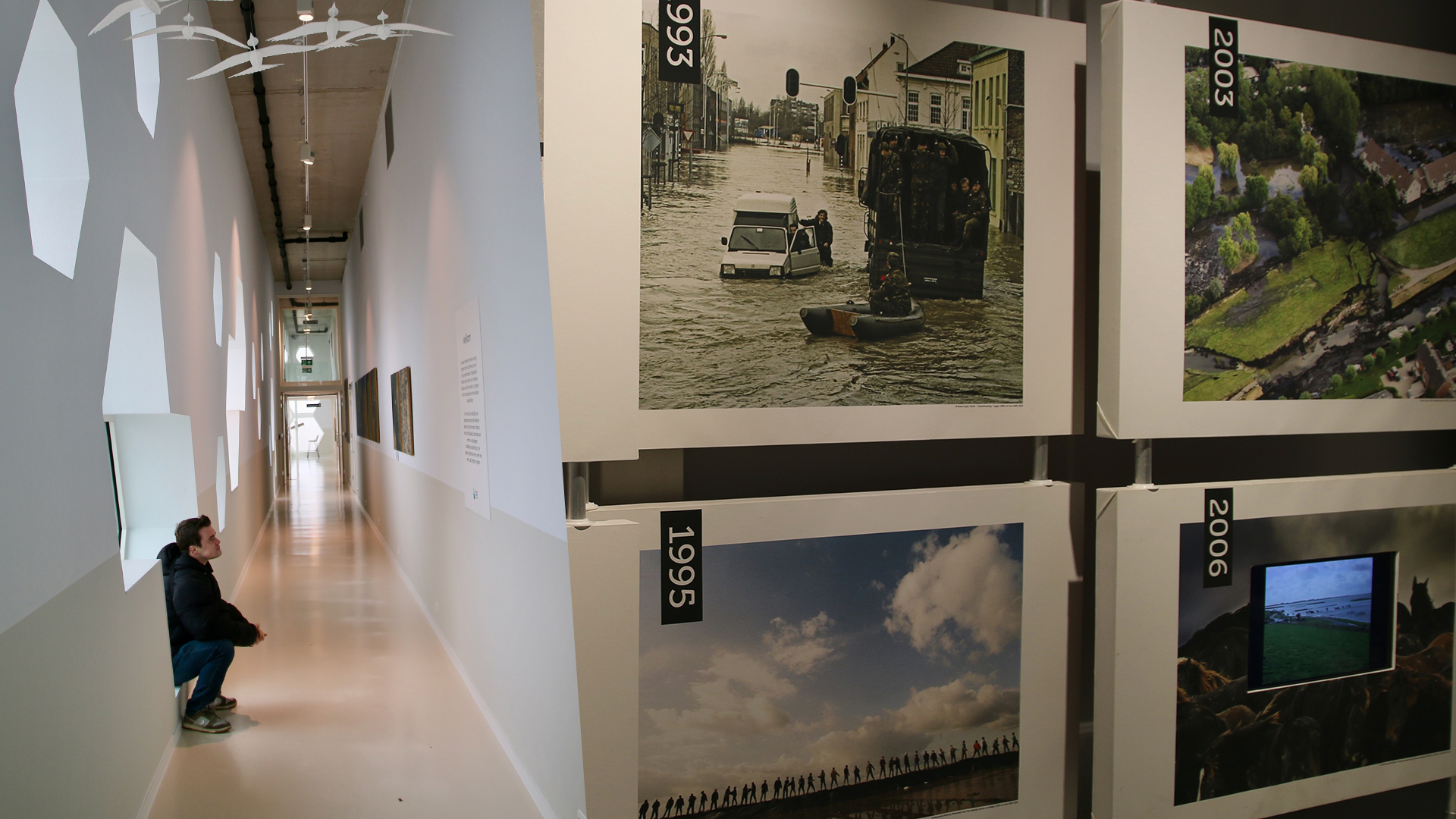
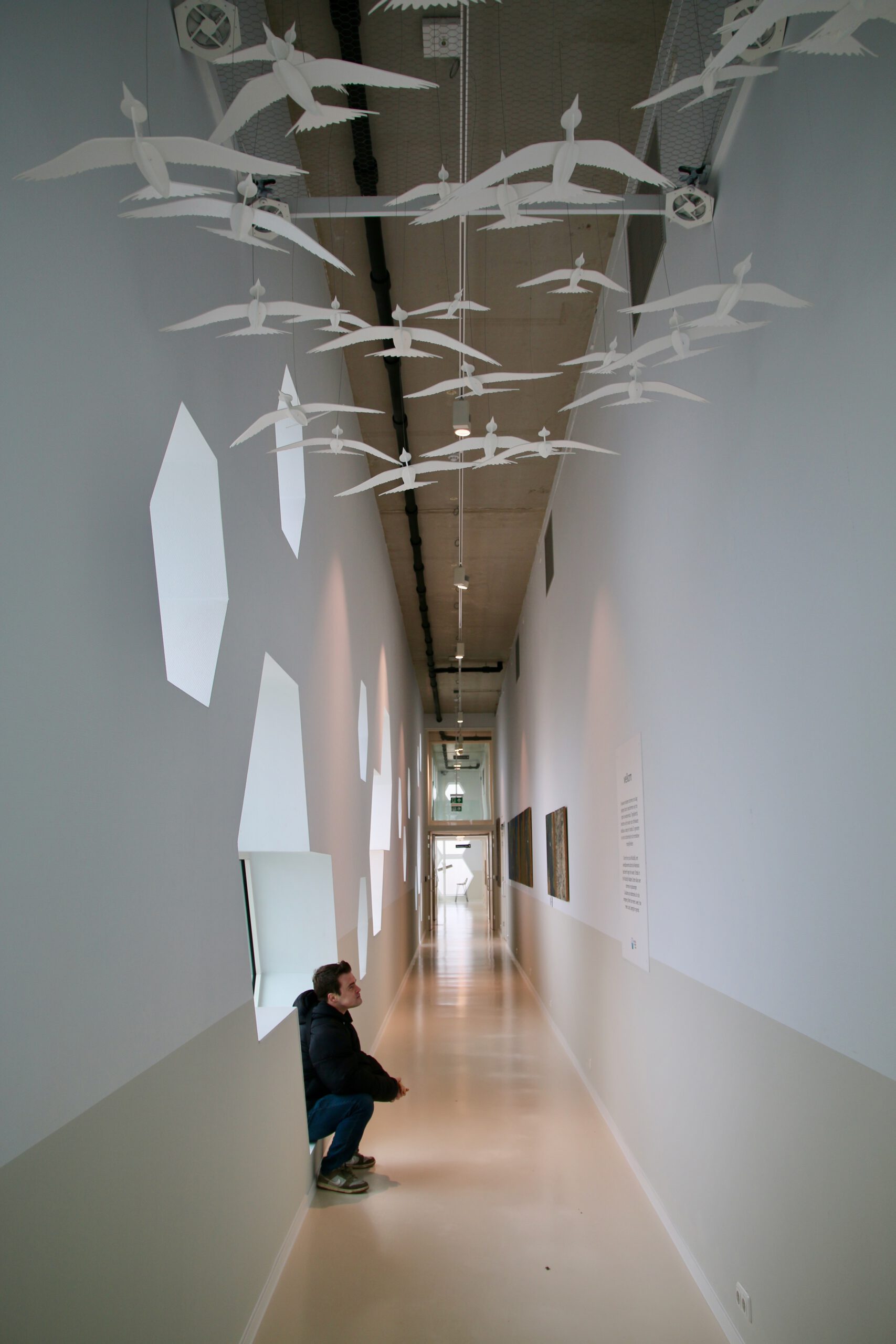
Our visit started at the Afsluitdijk Wadden Center, a modern and educational stop that explains the story of the Afsluitdijk, water management, and the surrounding Wadden Sea. I previously wrote a separate blog about this location, referred to as PDF 2 in my project, and this walk naturally connected to that experience.
The Wadden Center itself offers exhibitions, viewpoints, and information panels that help you understand why this area exists and how important it is for the Netherlands. While this blog focuses on walking Kornwerderzand, the Wadden Center adds essential context to everything you see outside.
A unique location choice
We were also playing Pokémon GO during Community Day January 2026 while walking here. We always look for unusual locations for that, and Kornwerderzand definitely qualifies. I will not go deep into that part, but it adds to the idea that this is not a standard walking route. It is a place where different interests intersect naturally.
Walking the Sluisweg Toward the Bunkers
Houses, road, and open space
From the Wadden Center, we walked along the Sluisweg, a road that feels surprisingly residential for such a remote location. There are houses here, standing exposed to wind and water, which immediately raises questions about what it must be like to live in such an isolated environment.
Walking this road slowly shifts the scenery from modern infrastructure to historical remains. The open space around you grows larger, and the feeling of being far away from everything increases with every step.
Encountering Kazemat VIII
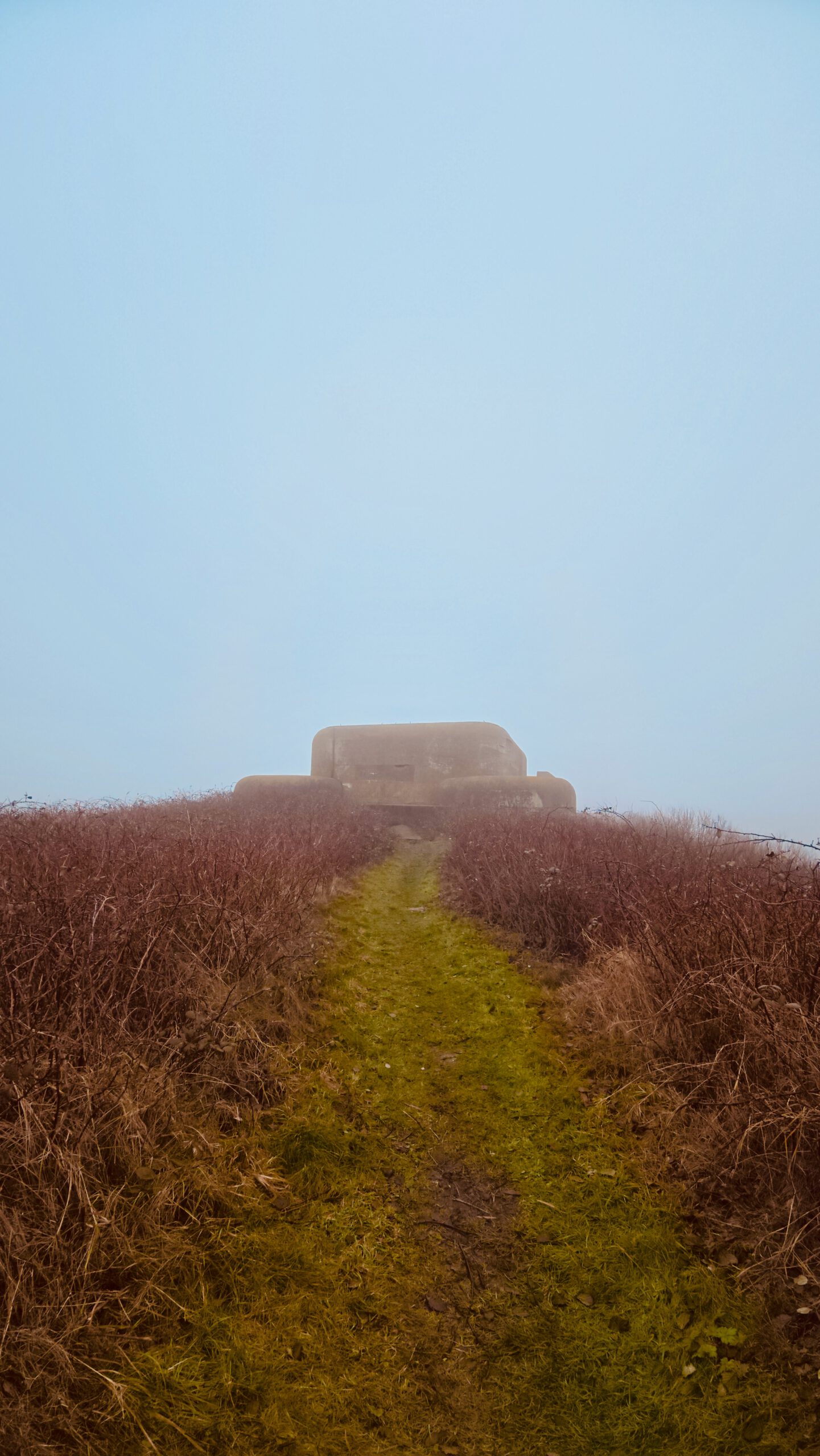
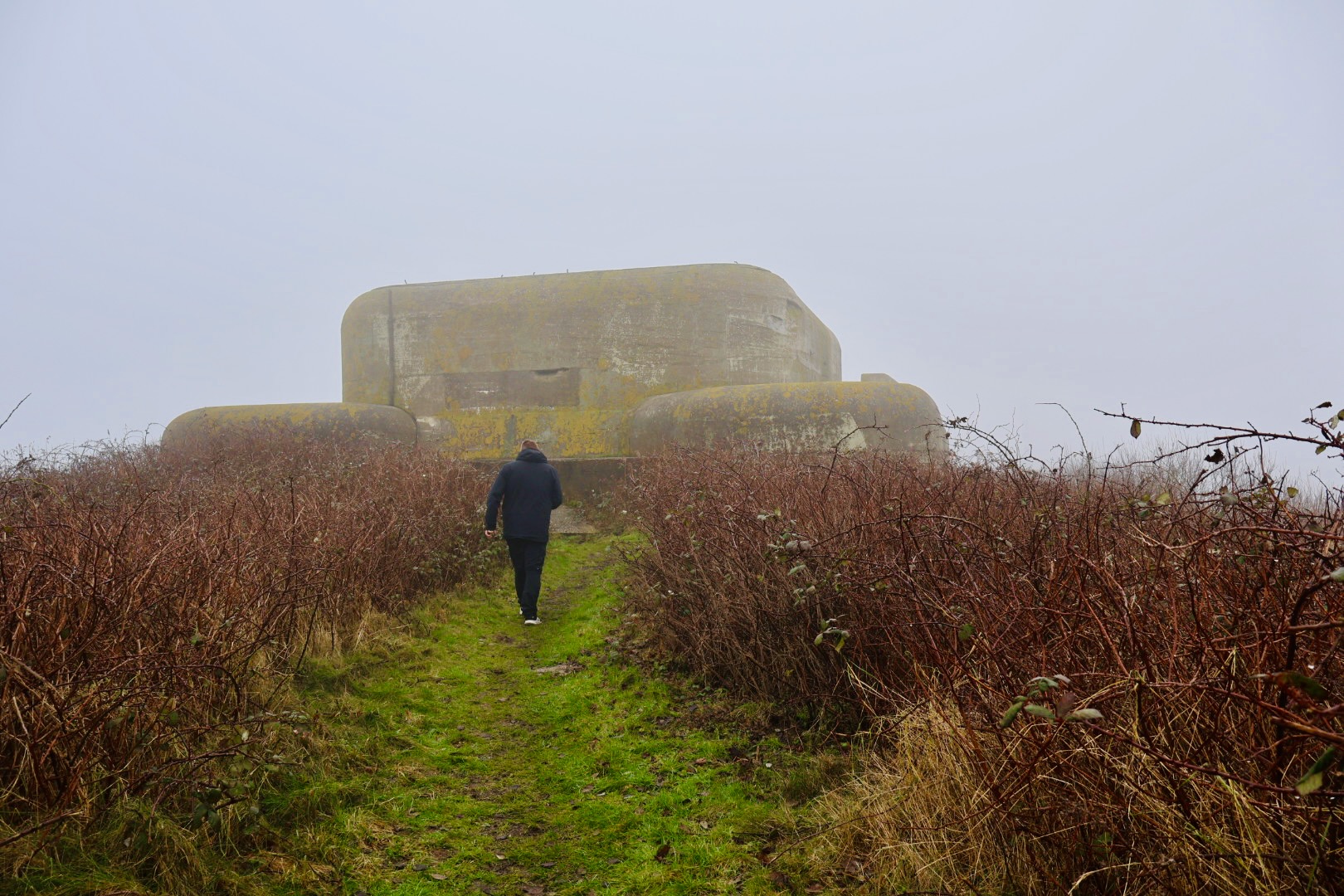
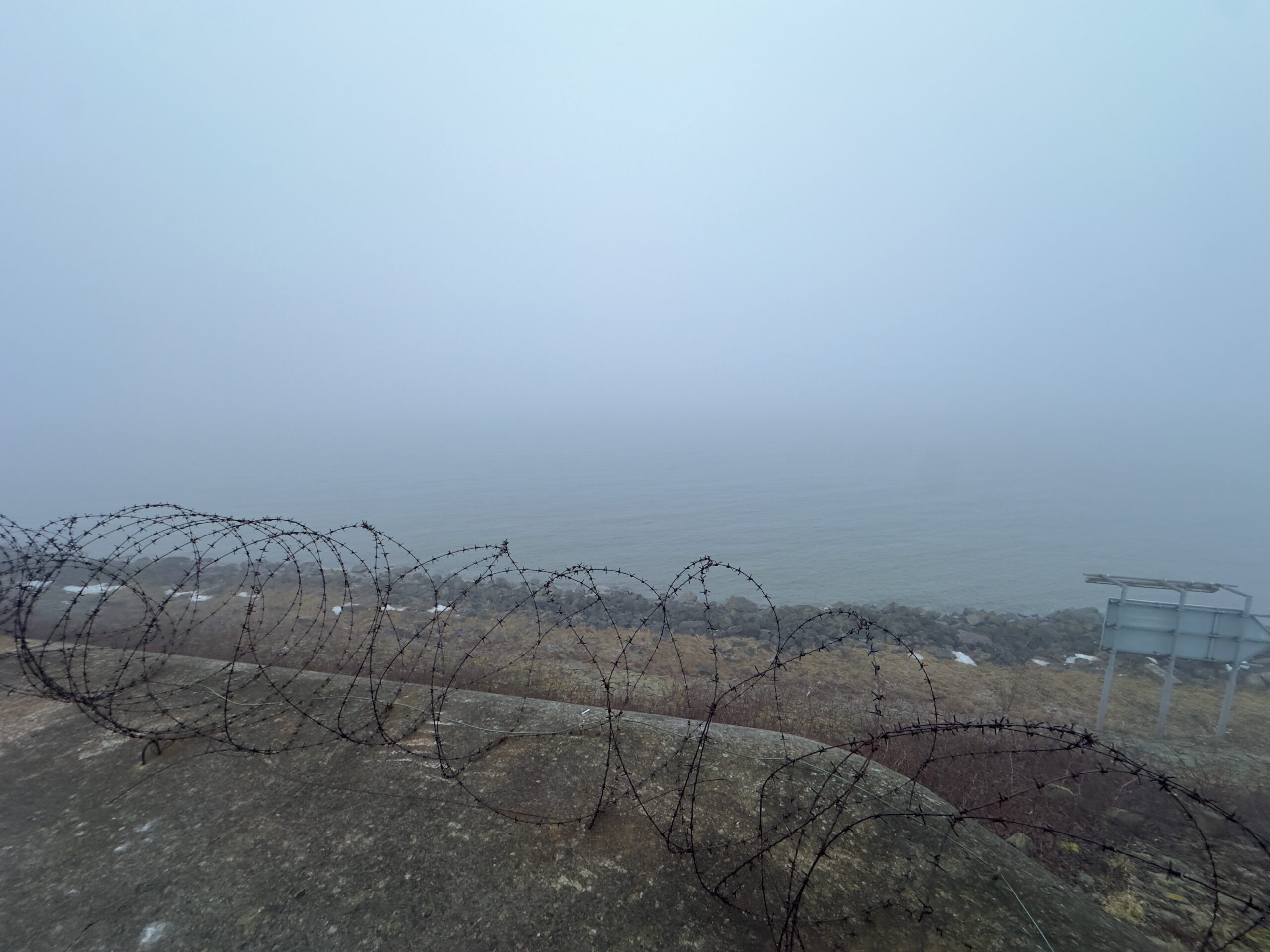
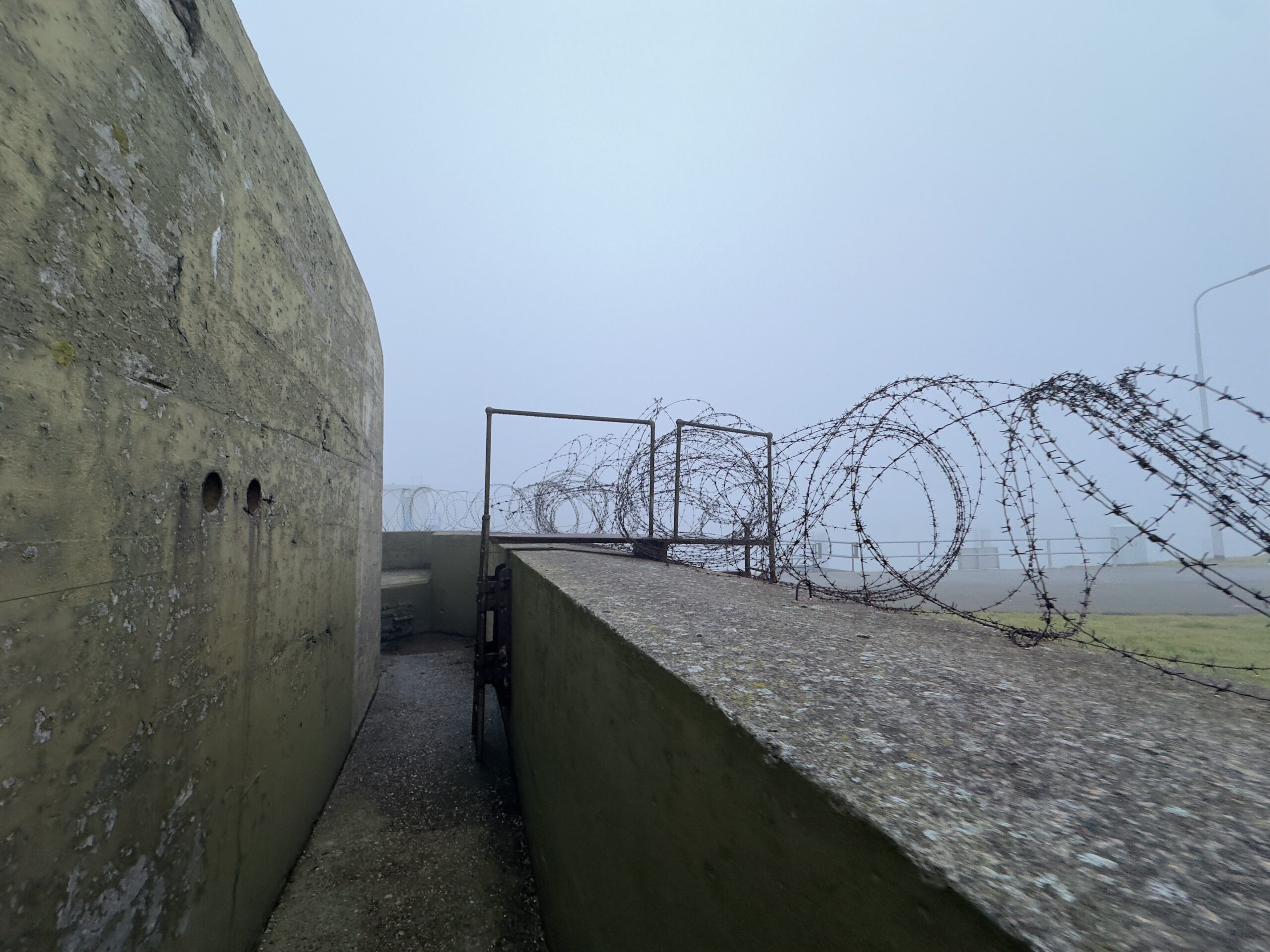
Along this route, you come across Kazemat VIII, one of the many bunkers built as part of the defensive line during the Second World War. Seeing this structure while walking, rather than during a guided visit, makes it feel more real and less staged.
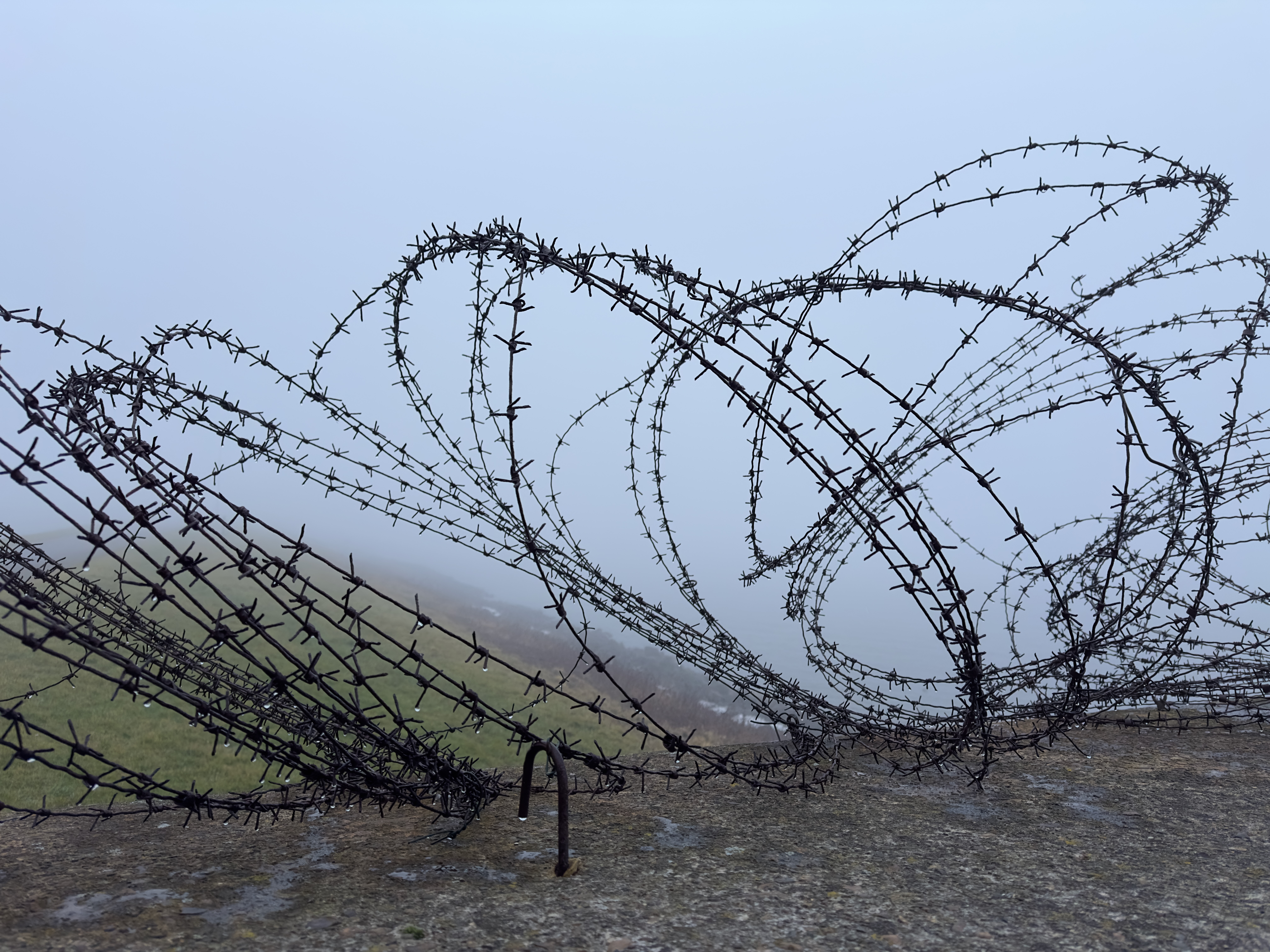
The bunker is solid, rough, and still carries the weight of its purpose. It stands quietly along the route, blending into the landscape rather than demanding attention.
Continuing at Your Own Risk
Warning signs and unstable ground
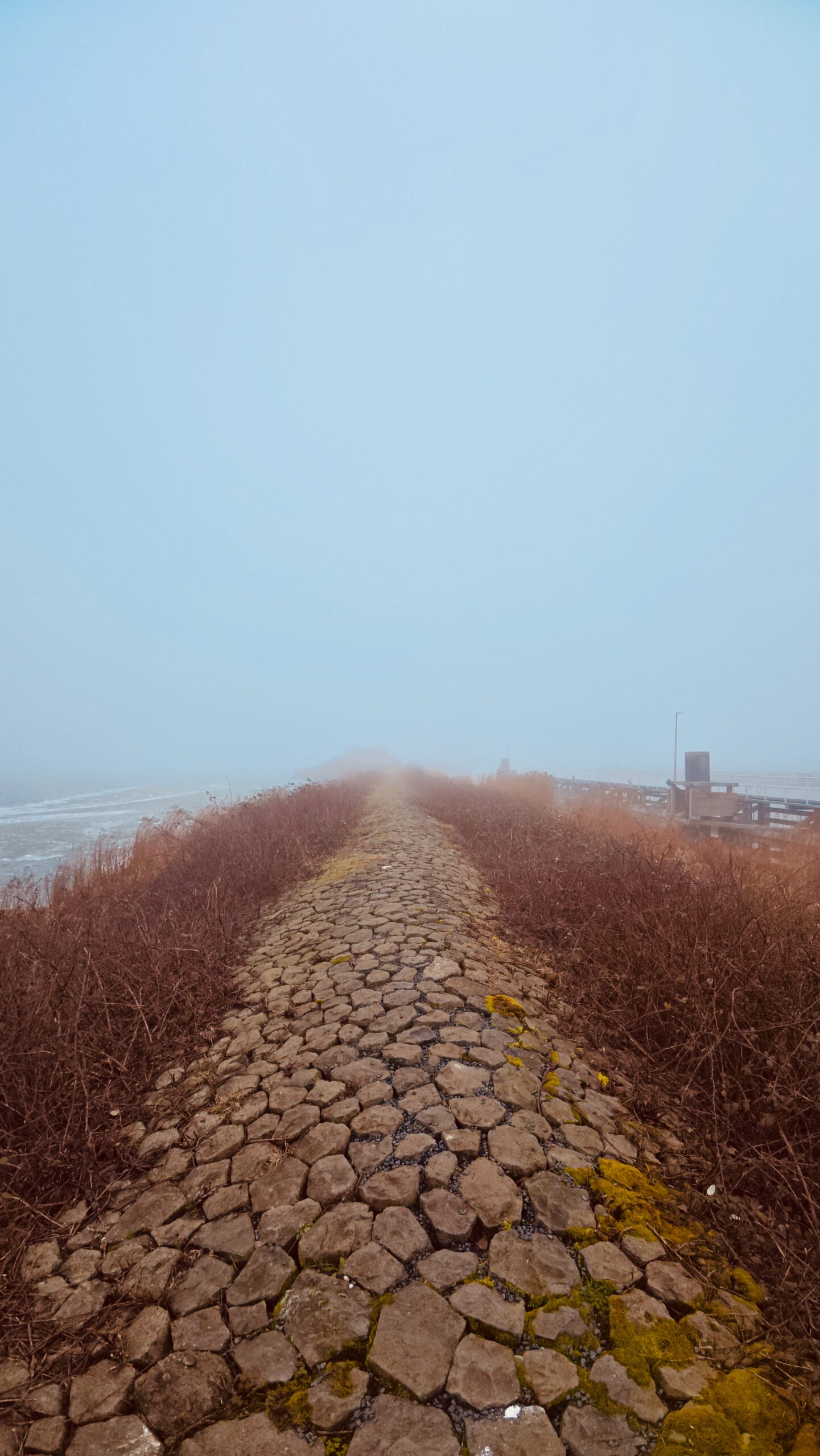
After passing Kazemat VIII, the route changes. There is a clear warning sign stating that further walking is at your own risk, due to falling stones and unstable ground that can sink away. We decided to continue, fully aware of that risk, but I strongly recommend making your own judgment here.
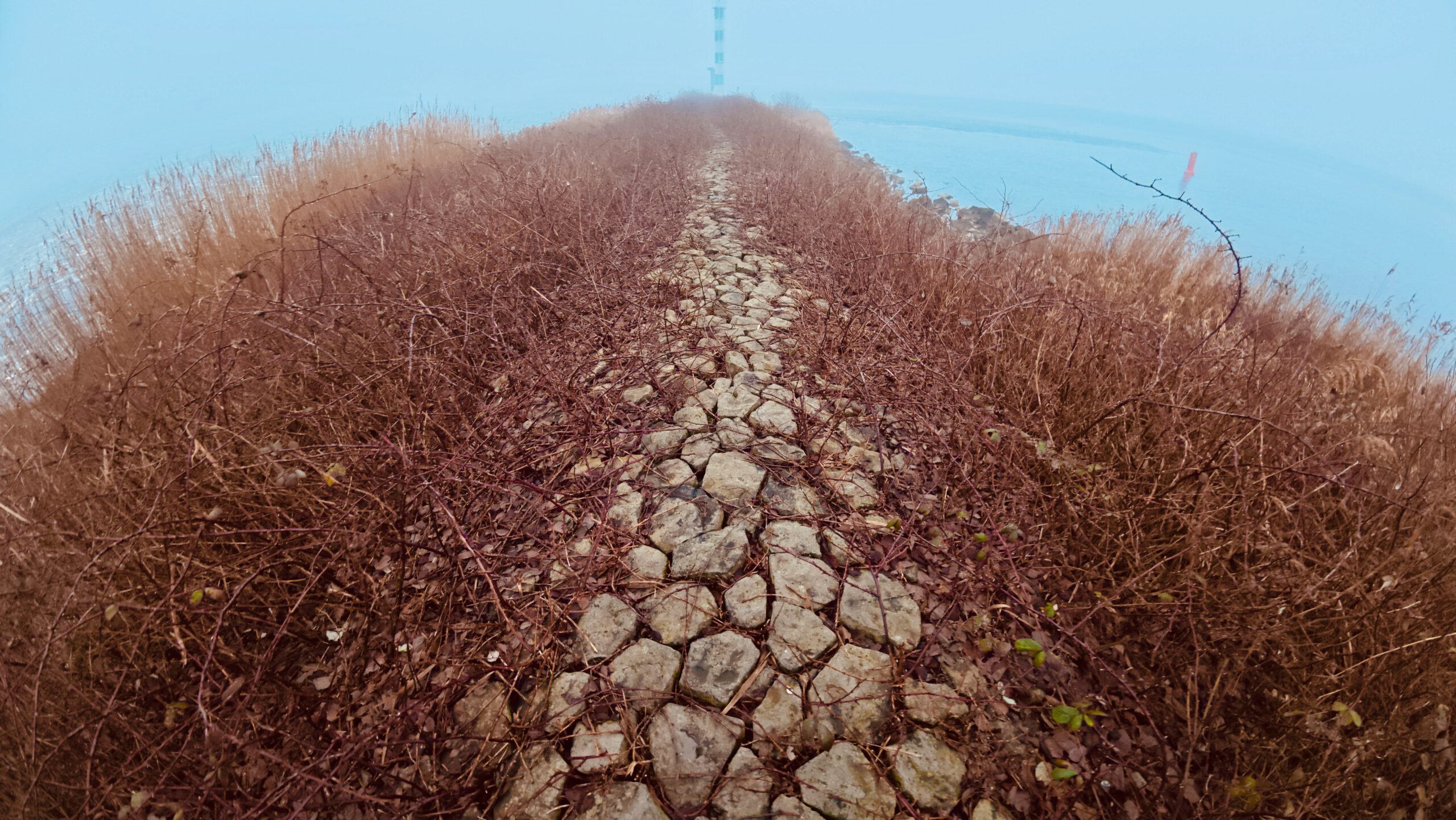
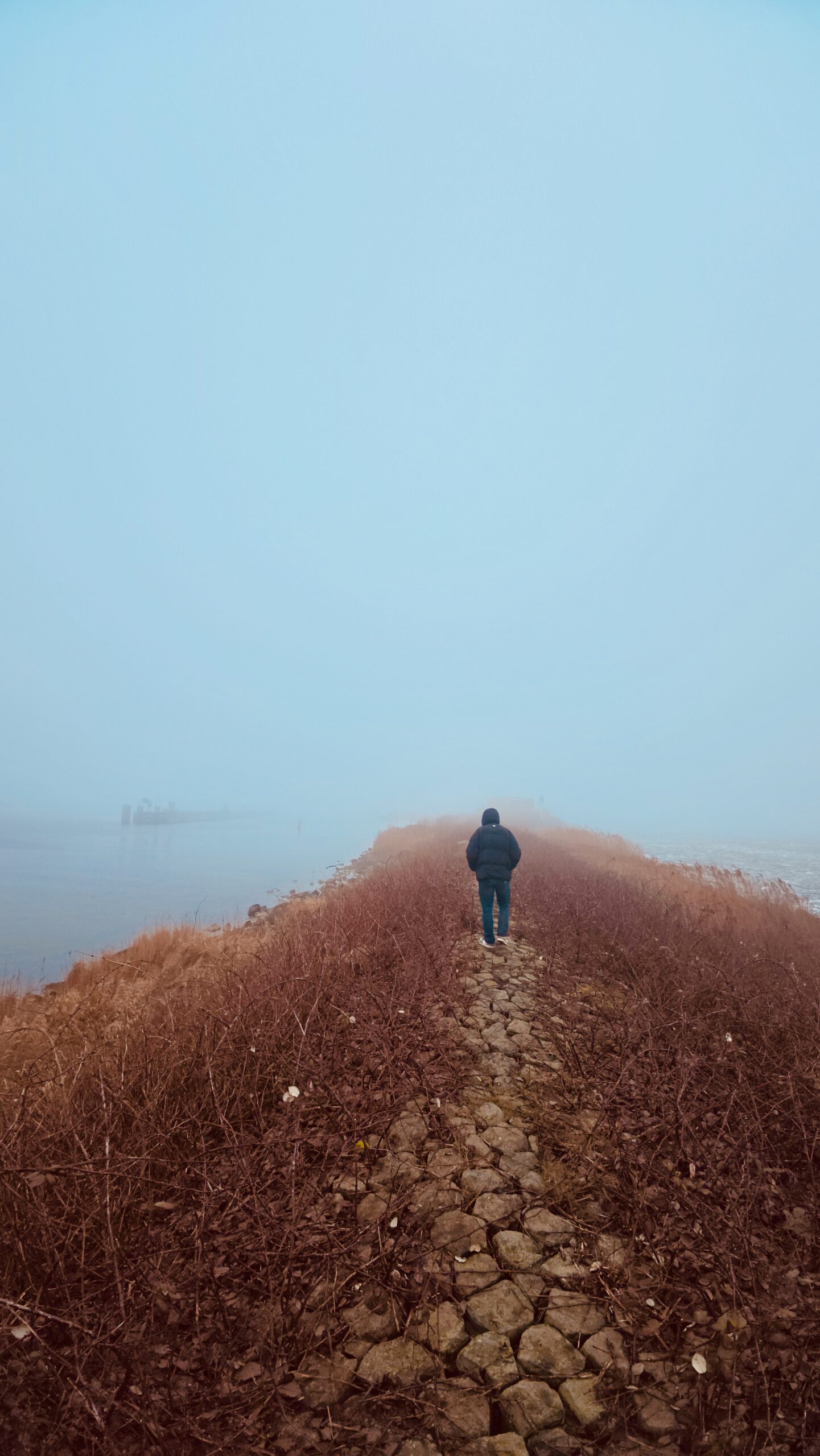
The path becomes less maintained, and nature slowly reclaims the area. Weeds and overgrowth take over the trail, making the walk physically more demanding and visually more rugged.
Nature wins, and shoes lose
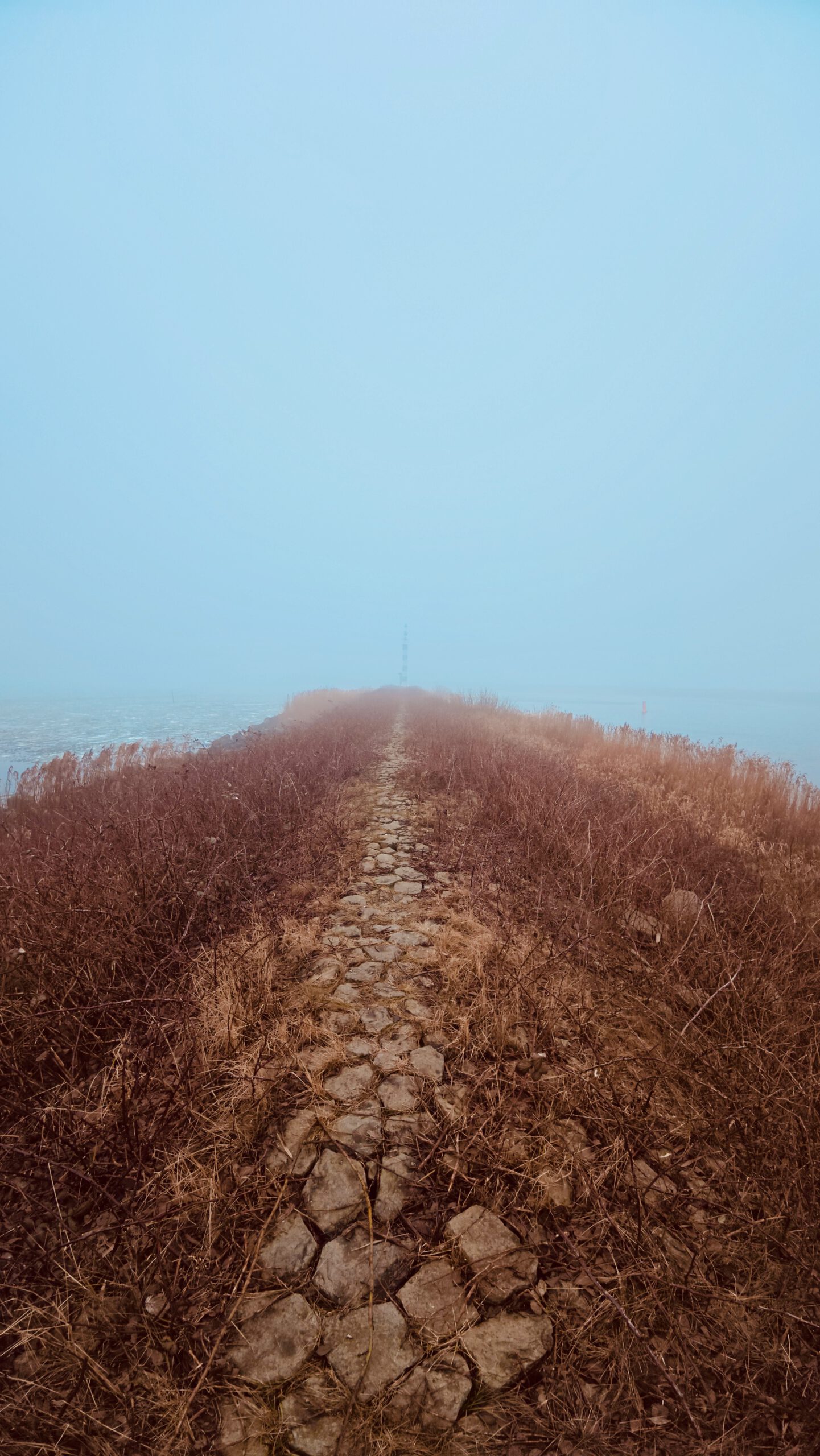
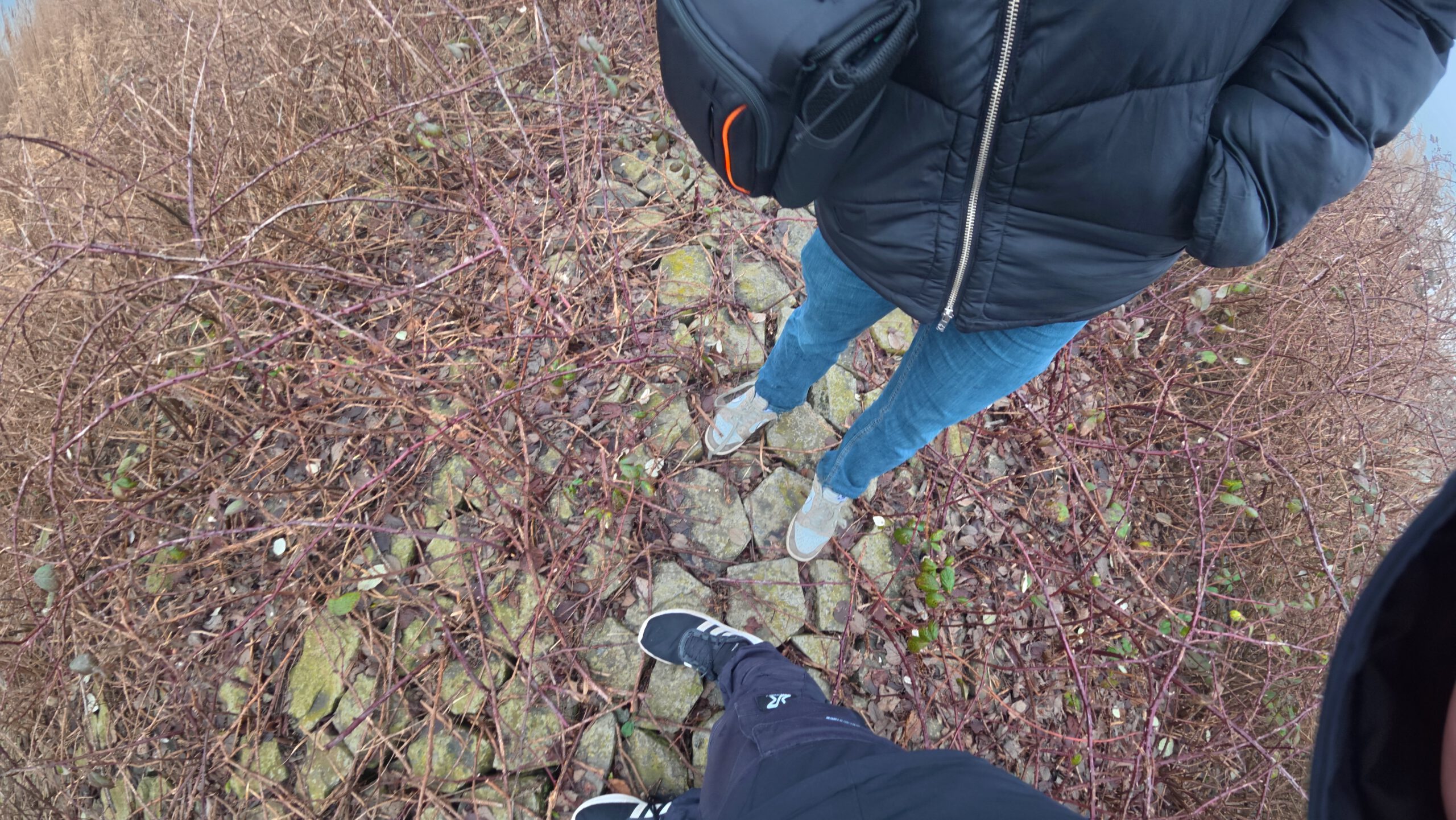
This part of the walk was heavily overgrown. The weeds were thick, and the ground uneven. Unfortunately, this section destroyed the shoelaces of my travel companion Peter. His shoes survived, but the laces did not. He now needs to replace them, which is a small but memorable reminder that walking Kornwerderzand is not polished or tourist friendly.
Reaching the Lighthouse in the Middle of Nowhere
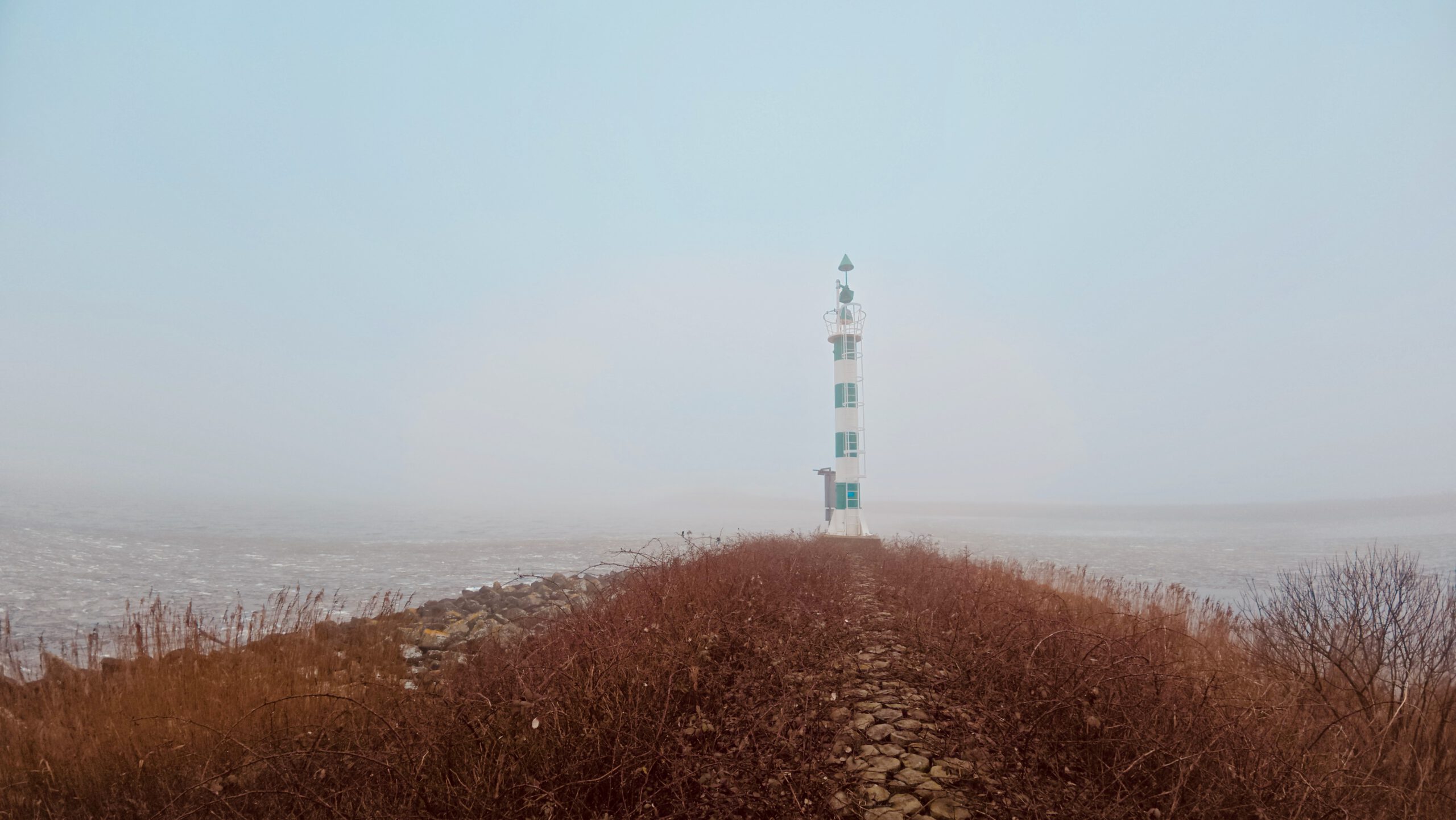
The Lichtopstand Kornwerderzand
At the end of this route, you reach the lighthouse near the Lorentzsluizen. This structure marks a powerful point in the walk. According to historical records, this lighthouse played an important role in navigation near the sluices and remains a recognizable landmark along the Afsluitdijk.
Standing here truly feels like being in the middle of nowhere. You hear cars in the distance, but only faintly, carried by the wind. The space around you feels vast and empty, especially in winter.
Cold, wind, and isolation
The cold was intense here. There is no shelter, no trees, and no buildings to break the wind. It is just you, the water, and the structure of the lighthouse. This moment alone makes walking Kornwerderzand worth it, because it offers a level of isolation that is rare in the Netherlands.
After taking time to absorb the surroundings, we turned around and walked back the same way we came.
Exploring the Sluis Area From the Parking Lot
Walking across the sluices
Another option for walking Kornwerderzand starts at the parking area along the Sluisweg. From here, you can walk toward the sluices themselves, using iron walkways and staircases to cross to the other side. This route offers a more industrial experience, focusing on engineering and scale.
The iron paths and stairs give you a different perspective on the Afsluitdijk, highlighting its technical complexity rather than its natural silence.
The Kazemattenmuseum and WWII History
Visiting the Kazemattenmuseum
On the other side of the sluices, you reach the Kazemattenmuseum. This museum focuses entirely on the military history of Kornwerderzand during the Second World War. It shows how this location played a key defensive role and how soldiers lived and operated here.
The museum was closed when we visited, but it was open during a previous visit by my parents. They explored the museum, had lunch there, and personally found it very enjoyable and informative.
Kazemat V along the road
Even without entering the museum, you can see structures like Kazemat V, which lies directly along the road. We walked around calmly, observing the bunker from the outside and imagining how this place must have felt during wartime.
Aside from these historical elements, there is not much else to do in this specific area, which again reinforces that walking is the main attraction here.
Walking Kornwerderzand as the Main Experience
Not about activities, but about movement
Walking Kornwerderzand is not about ticking off attractions. It is about movement, observation, and atmosphere. The combination of water, concrete, history, and wind creates a walking experience that feels honest and unfiltered.
This is a place where you walk slowly, think more, and talk less.
The Village of Kornwerderzand
A small village with a big position
The village of Kornwerderzand itself is small and quiet. It mainly exists because of its strategic position on the Afsluitdijk. There are limited facilities, and life here seems shaped by weather, water, and infrastructure.
What you can do, but I did not
There are other things you can do in and around Kornwerderzand, such as visiting exhibitions, guided tours, or spending more time inside the Kazemattenmuseum when open. You can also explore nearby viewpoints and cycling routes along the Afsluitdijk. I did not do these during this visit, and this blog focuses purely on the walking experience.
Final Thoughts on Walking Kornwerderzand
Walking Kornwerderzand is quiet, cold, and deeply interesting. It combines history, nature, and infrastructure in a way that feels rare. There are no crowds, no cafés on every corner, and no polished paths everywhere. What you get instead is space, silence, and a strong sense of place.
For anyone who enjoys walking as a way to experience a location rather than consume it, Kornwerderzand is absolutely worth visiting.