
Park Snapshot
Nieuw Land National Park
H9M9+C3 Lelystad
My review 5 out of 5 stars
Admission
Website
Accessibility
Parking
Marker Wadden island visit is not a standard day trip in the Netherlands. It is not a busy beach destination, not a city break, and not a place where everything is built around comfort. It is a young nature island in the Markermeer, created with a clear purpose, to bring life, birds, shallow water habitats, and ecological balance back into an area that had become too still, too cloudy, and too poor for nature.
We visited Marker Wadden on a sunny May day, partly because of Pokémon GO Community Day, but the island itself became the real highlight. The ferry crossing, the walking paths, the bird hides, the quiet beach, the strange flooded paths, the volunteers, the limited facilities, and the feeling of standing on newly created Dutch nature made this a very special trip.
A Marker Wadden island visit is not for everyone. If you expect luxury, full restaurants, endless shops, perfect mobile signal, and polished tourist entertainment, this is not the right place. If you enjoy quiet nature, open water, birds, walking, photography, and places that feel different from normal Dutch day trips, then Marker Wadden is absolutely worth considering.
Marker Wadden is not a UNESCO World Heritage Site, but it does feel like the kind of ambitious Dutch nature project that deserves international attention. Unlike the UNESCO listed Wadden Sea, Marker Wadden is a newly created freshwater archipelago in the Markermeer, built to restore nature, improve water quality, and create new habitat for birds, fish, and plants.
Marker Wadden Island Visit, What To Bring
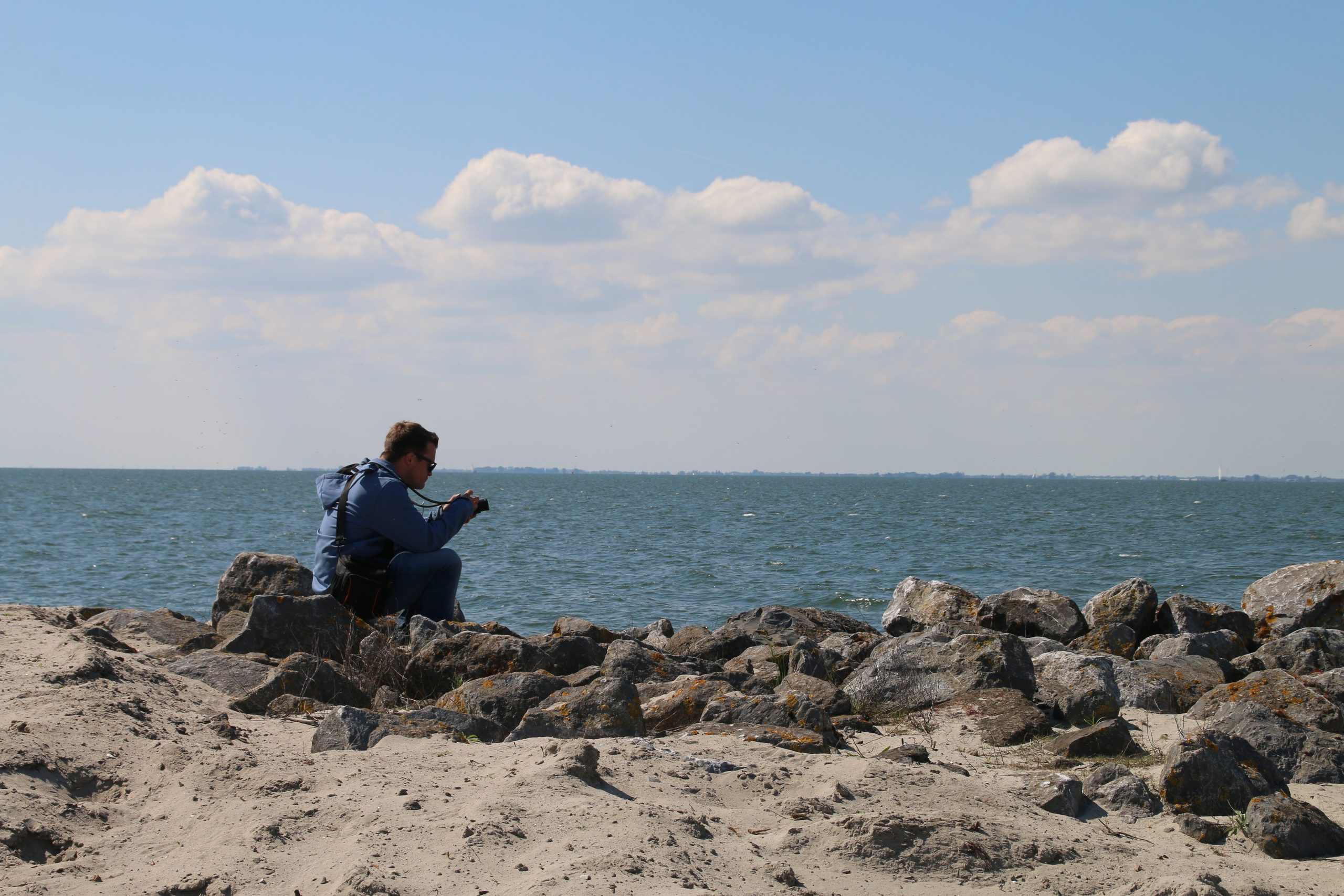
For a Marker Wadden island visit, bring a good camera with a proper lens. I had a Tamron 18 to 200mm lens with me, and that worked fine for a general island visit. Still, I would honestly prefer even more reach next time. Birds and wildlife are often far away, and you do not want to disturb them just to get a closer photo.
Peter had an 18 to 55mm kit lens, and that is simply too limited for this island if birds and wildlife are part of your goal. It works for landscapes, walking shots, ferry photos, and general atmosphere, but not for proper bird photography. Luckily, Peter can use my photos later, but if you visit with photography in mind, bring more range.
A pair of binoculars is also a smart idea. It helps you spot life first before lifting the camera. That makes the visit calmer, more respectful, and more effective. On an island like this, you should not chase wildlife. You observe first, then photograph if the moment allows it.
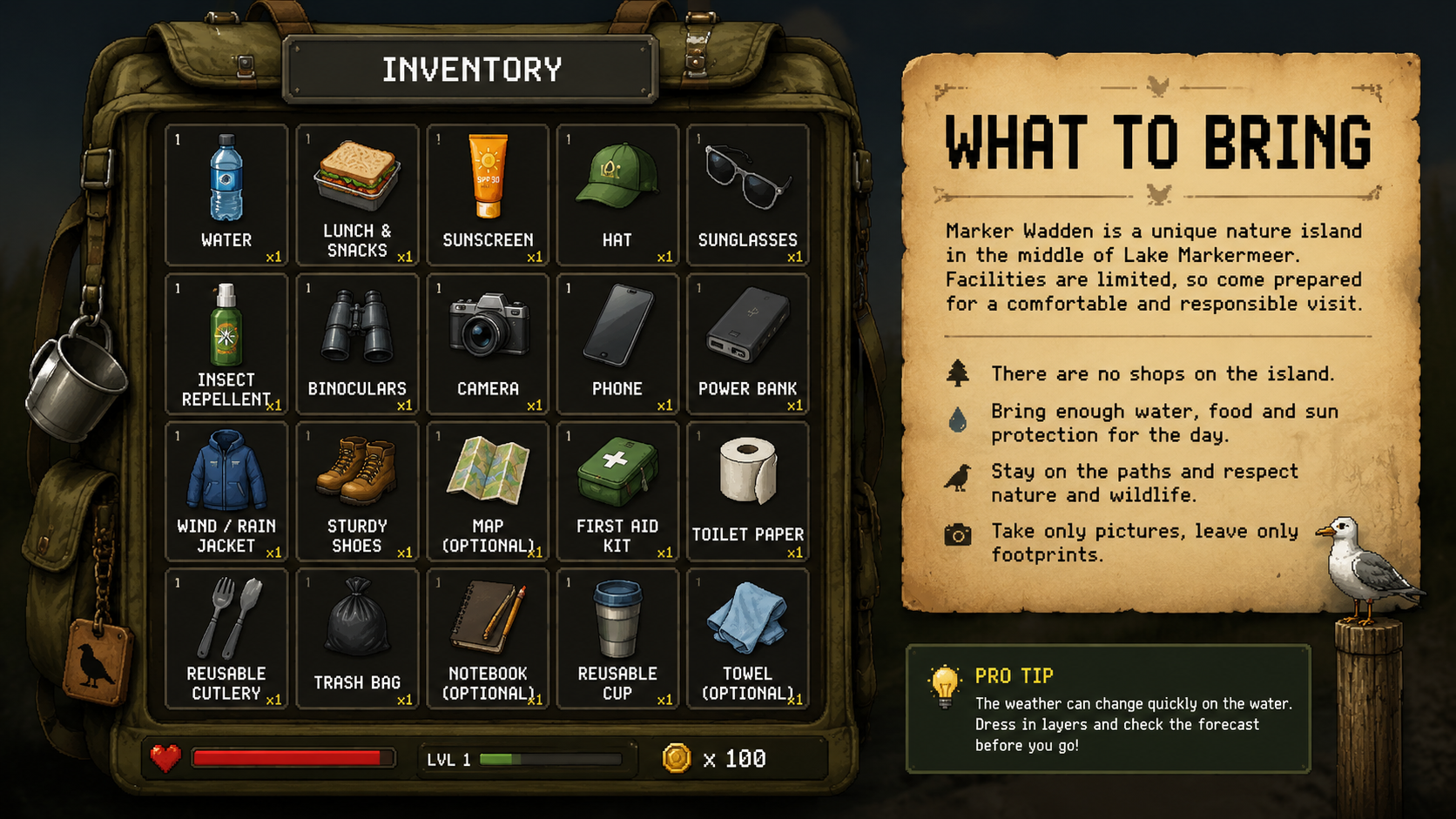
Good walking shoes are important too. Some paths can be wet or partly flooded. My shoes from Stadium in Sweden handled the water surprisingly well, but Peter’s Nikes were less protected and were not treated with water repellent spray. That made a difference.
Food, Drinks, And Facilities On Marker Wadden
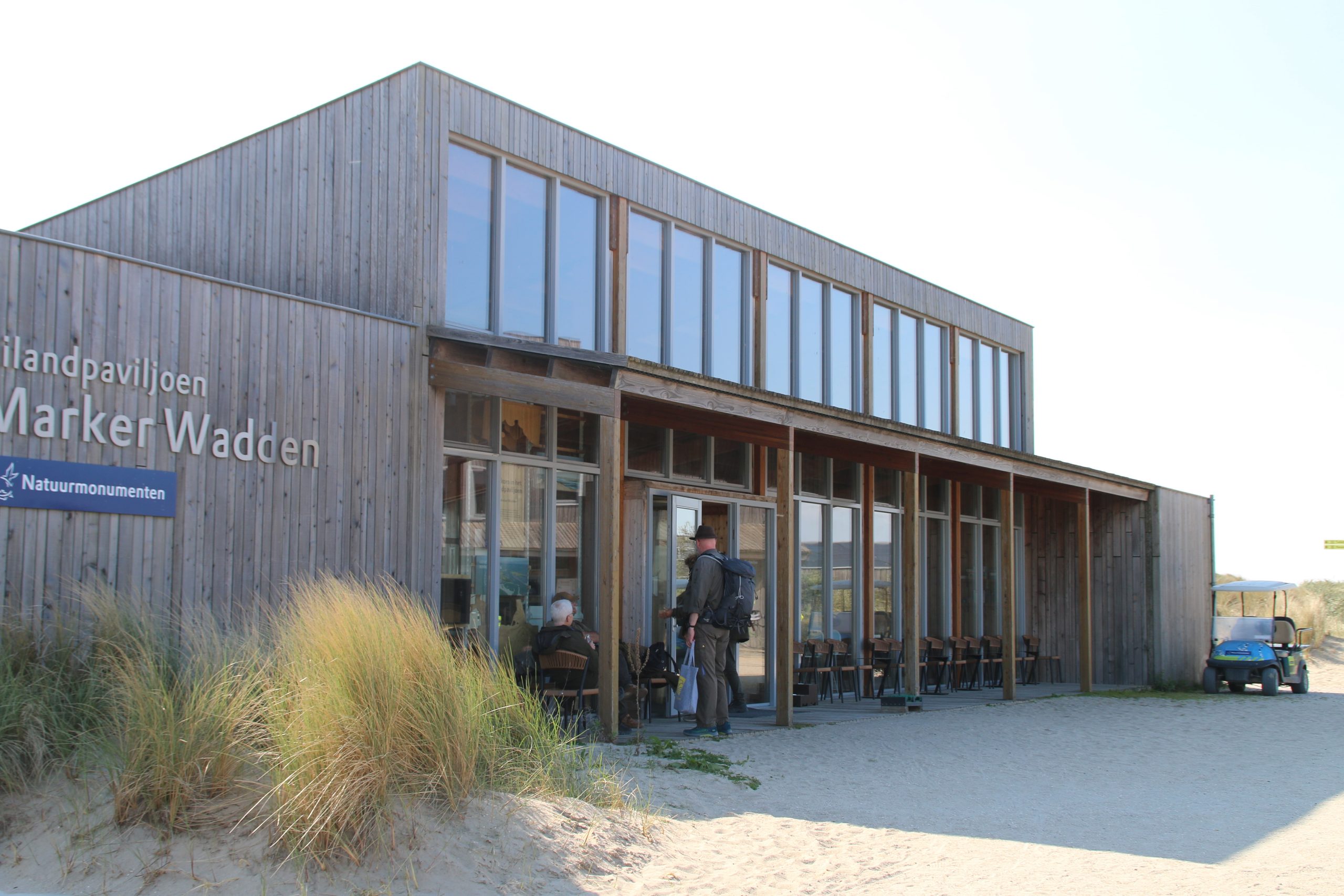
Food and drink options on Marker Wadden are very limited, so treat the island as a nature reserve first and a food stop second. Around the harbor, you mainly have the Landal and Roompot island cottages, the harbor post, and the Eilandpaviljoen. The cottages are there for overnight stays, but for day visitors they do not add much besides showing how small the “built” part of the island actually is. The harbor post felt more like a tiny emergency convenience point than a real shop, with only minimal grocery style options, during our visit the only clear answer we got was basically “hot dog.”.
Be aware that you’ll have to get items from a local supermarket somewhere in Lelystad or at your residential area for your Marker Wadden island visit, as there’s limited access to stores. If you’re staying longer, you’ll probably have to turn around by the ferry to get to a store.
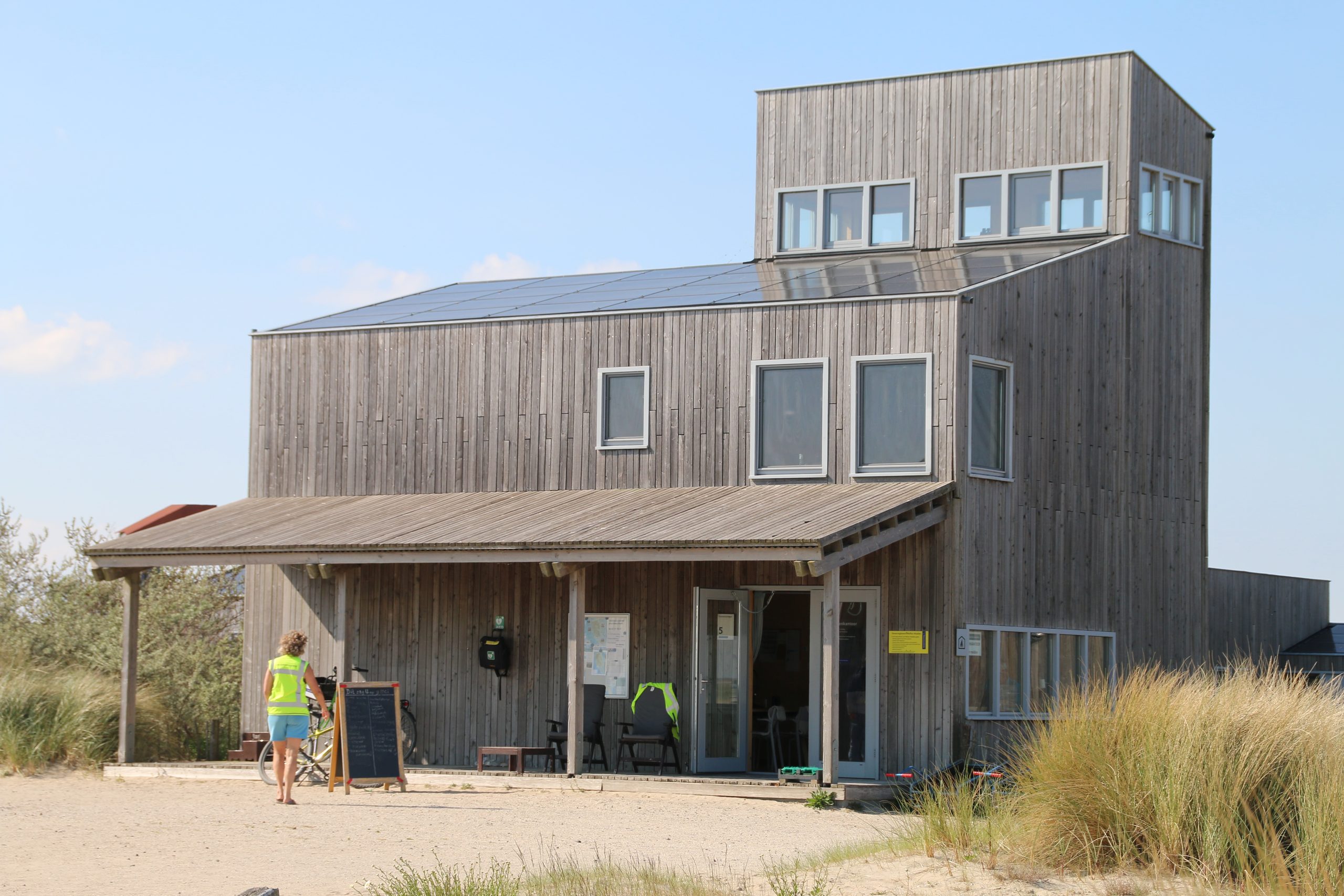
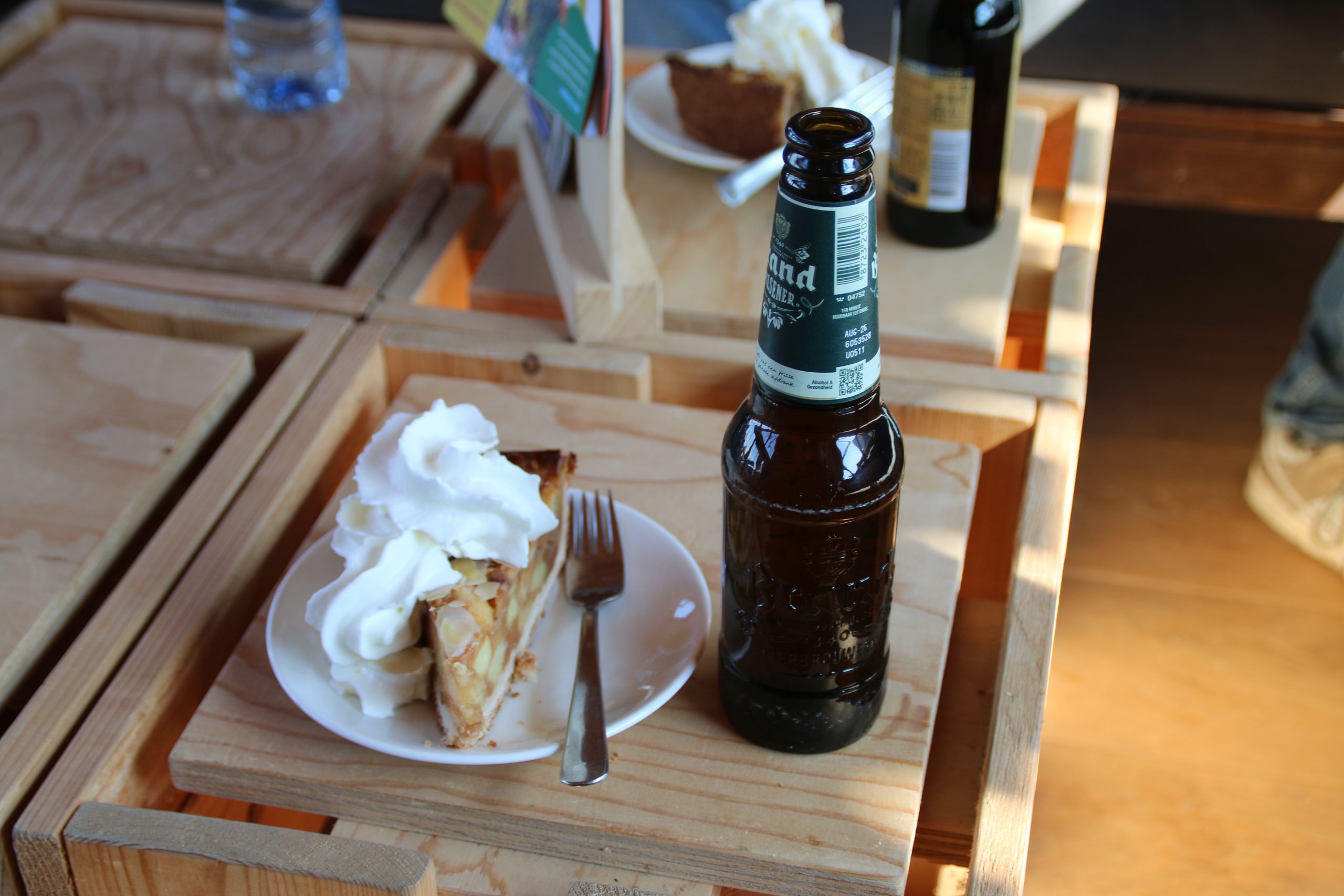
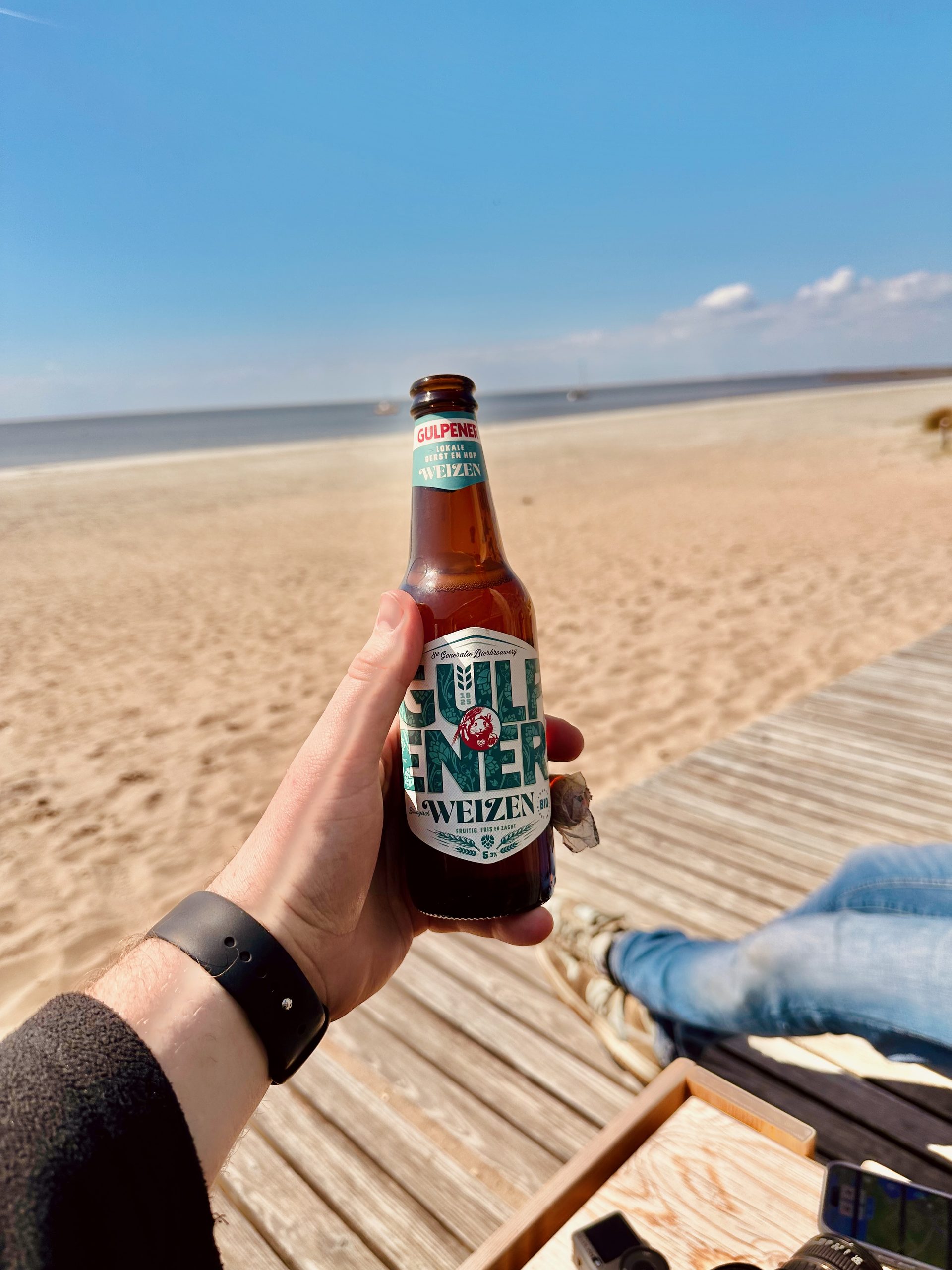
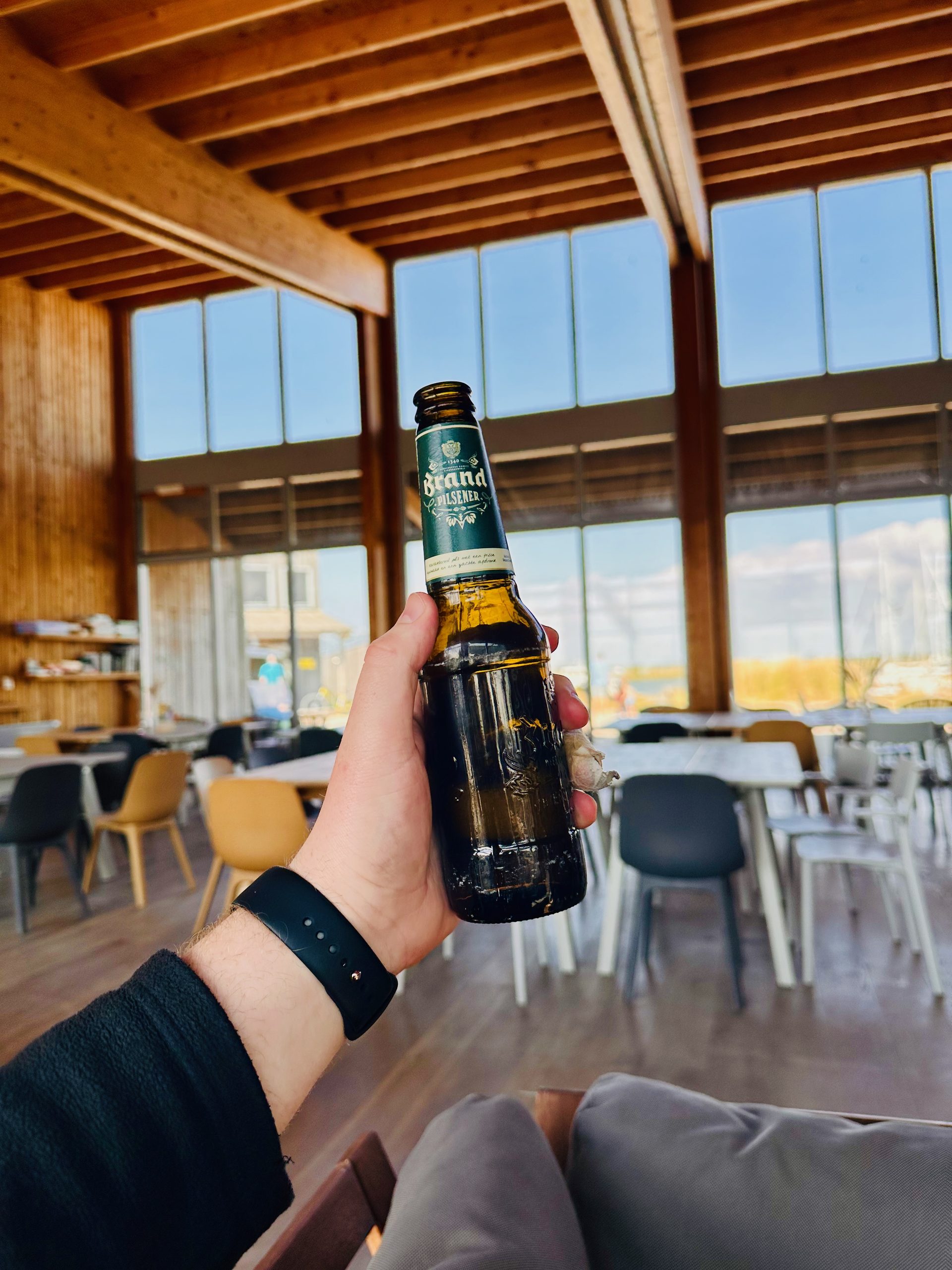
The Eilandpaviljoen is the main place to sit down, and official information describes it as a spot for coffee, tea, something sweet, ice cream, wine, beer, and a small shop or exhibition area, but do not expect a full restaurant or a serious lunch menu. In practice, it was mostly drinks, a few beer options, soft drinks, cookies, apple pie, and possibly sandwiches if available. The apple pie we had was too cold and not very flavorful, but having a beer by the water still made the start of the Marker Wadden island visit feel relaxed.
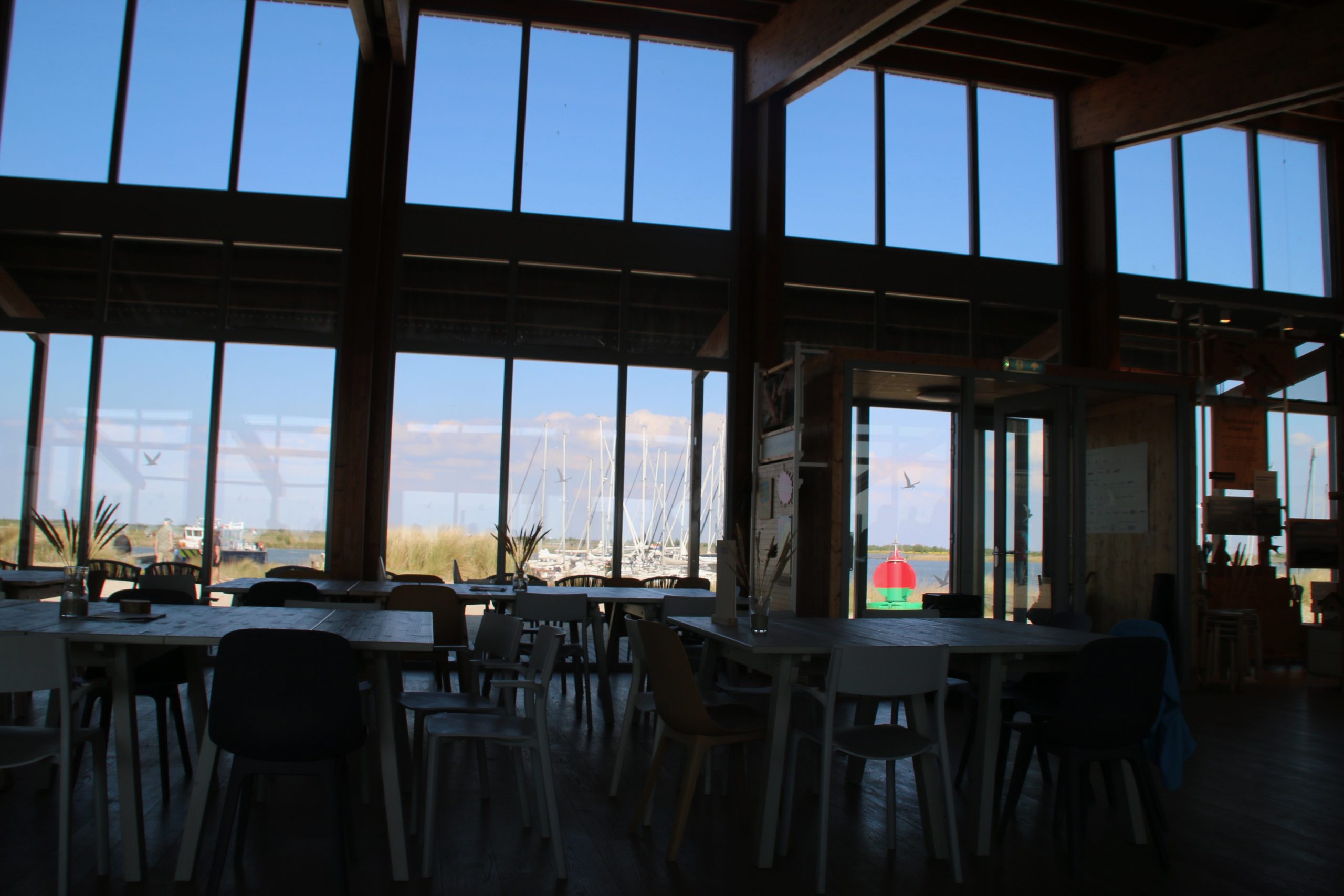
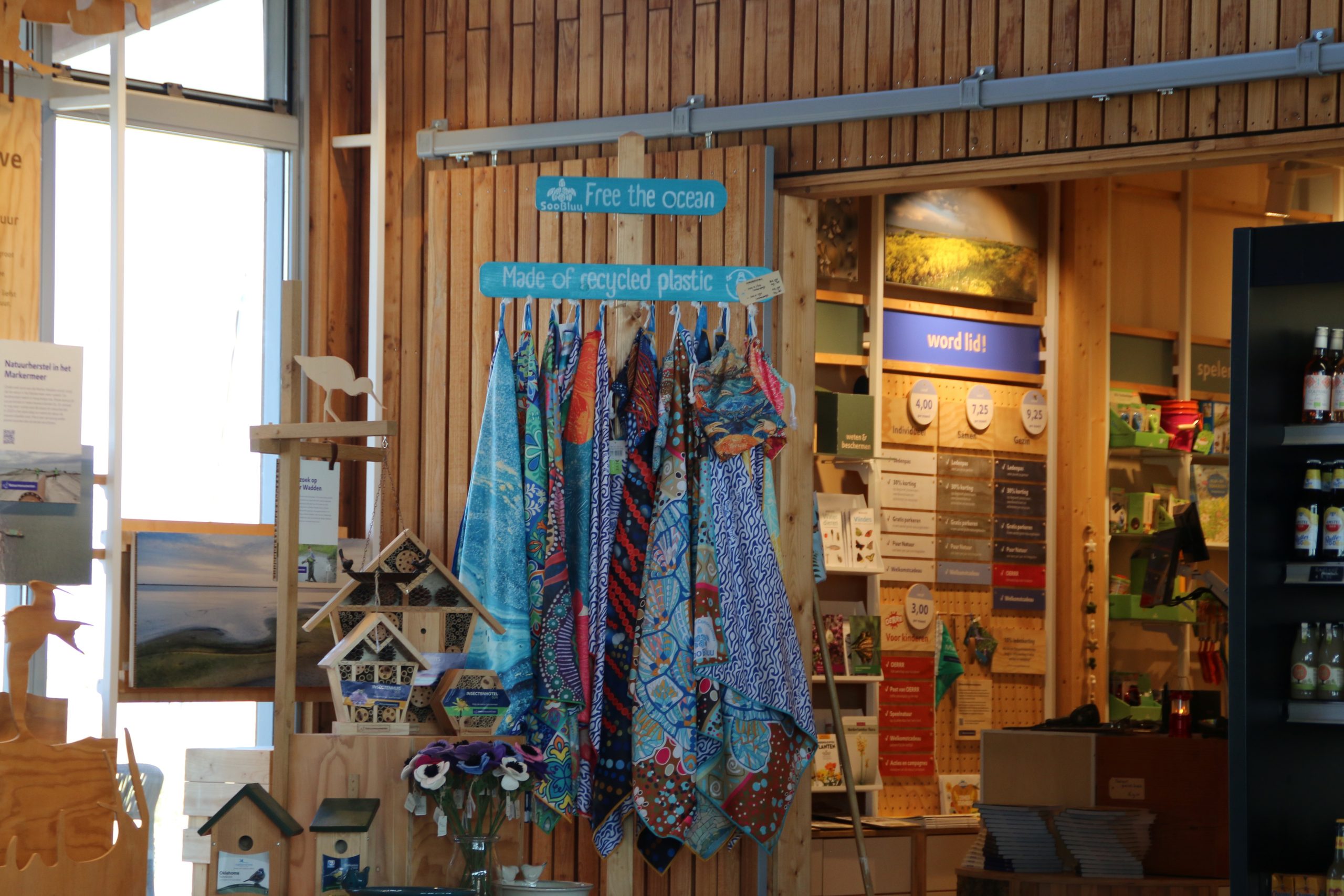
The boat is even more basic. From what we experienced, coffee and tea were available on board, but no real food, snacks, or lunch options, so bringing your own water, lunch, and snacks is the smart move for a full Marker Wadden island visit.
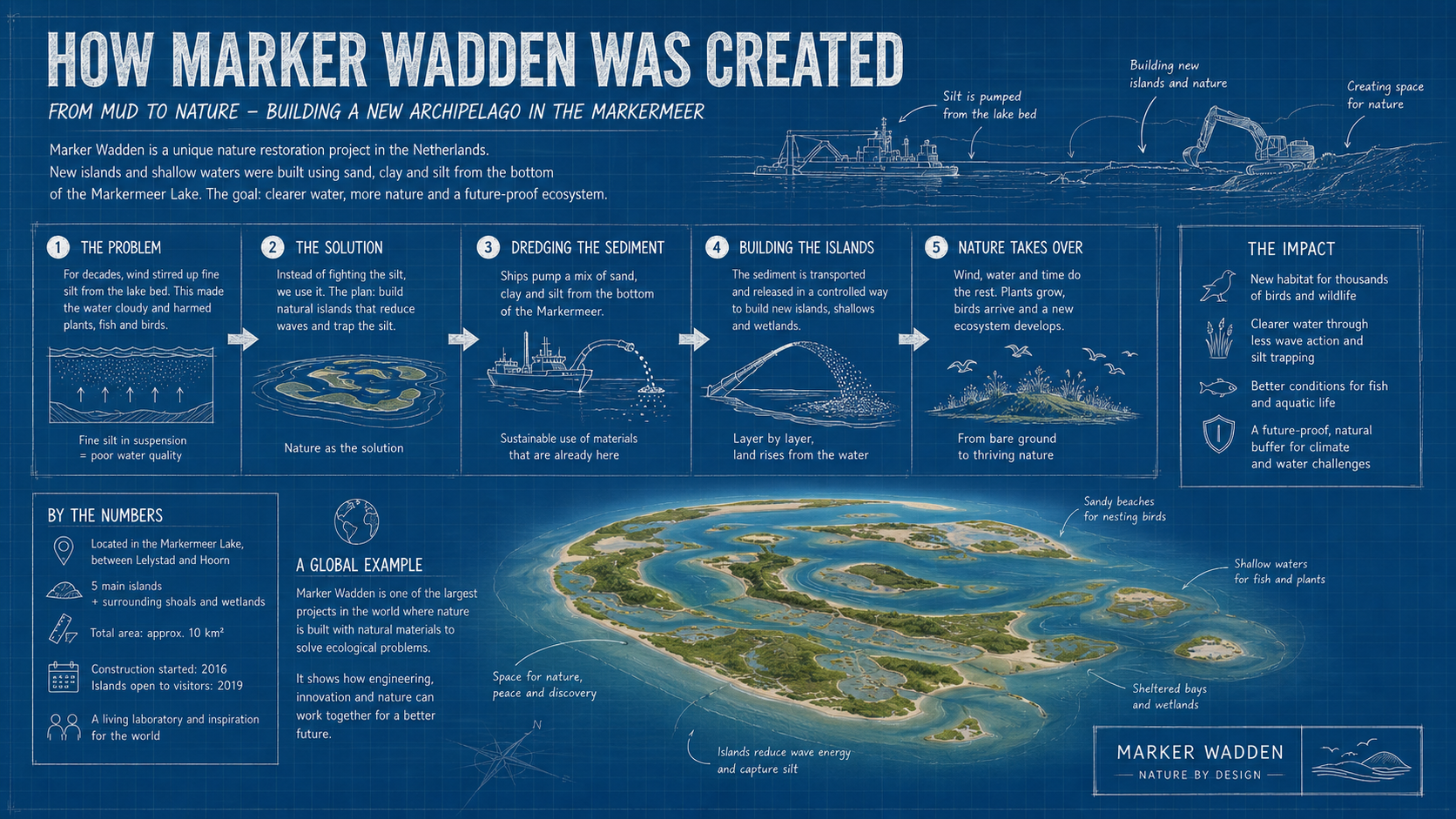
How Marker Wadden Was Created
One of the most fascinating parts of a Marker Wadden island visit is realizing that this landscape is very new. The islands were not naturally waiting there for centuries as a classic Dutch island group. They were created as a nature restoration project in the Markermeer.
The Markermeer had ecological problems. After the lake was separated by major Dutch water works, fine sediment and silt became a problem. Wind could stir it up, making the water cloudy and less suitable for plants, fish, and birds. Marker Wadden was designed as a way to use that same sand, clay, and silt to build new islands, shallow zones, marshes, beaches, and natural shores.
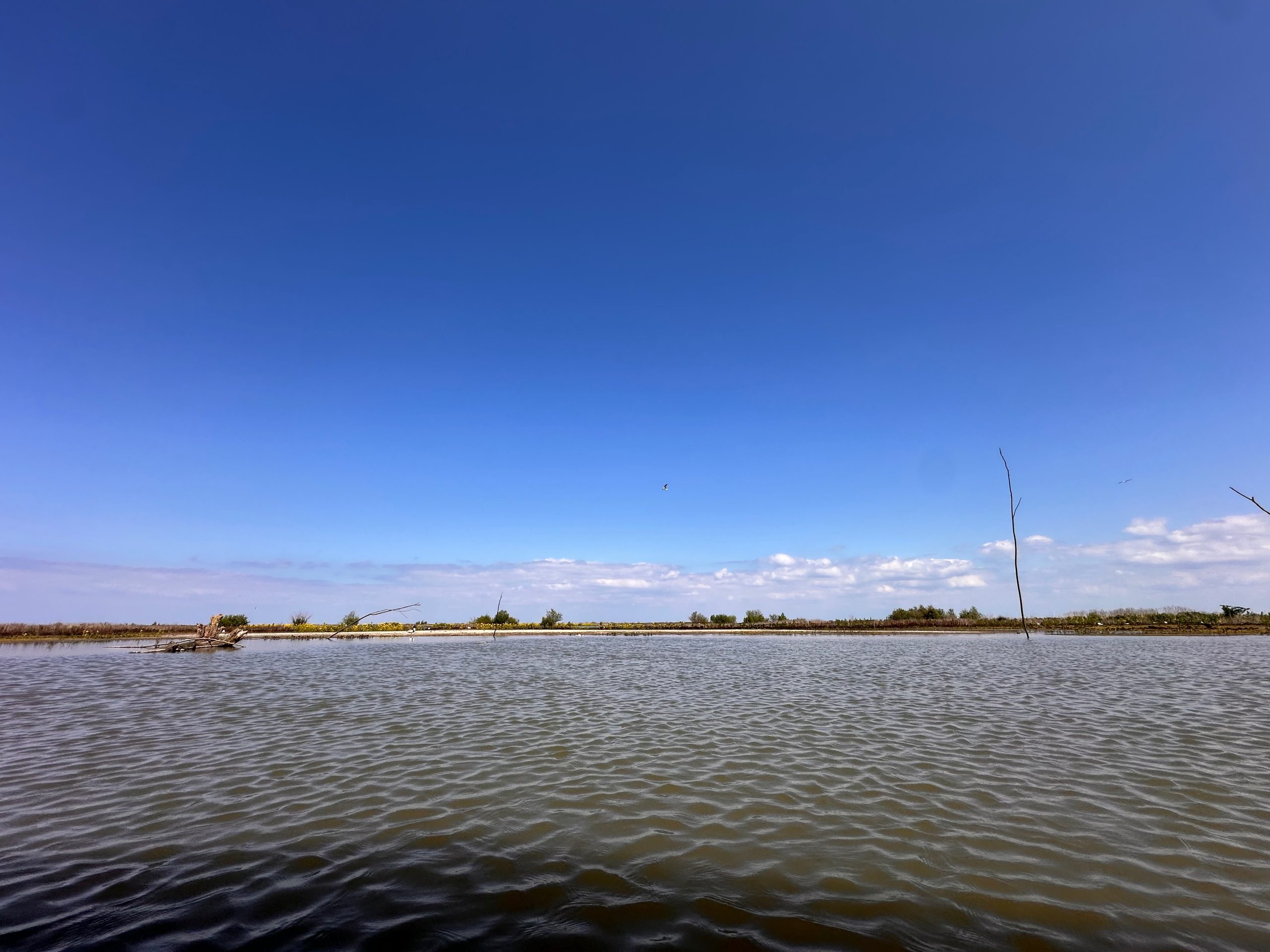
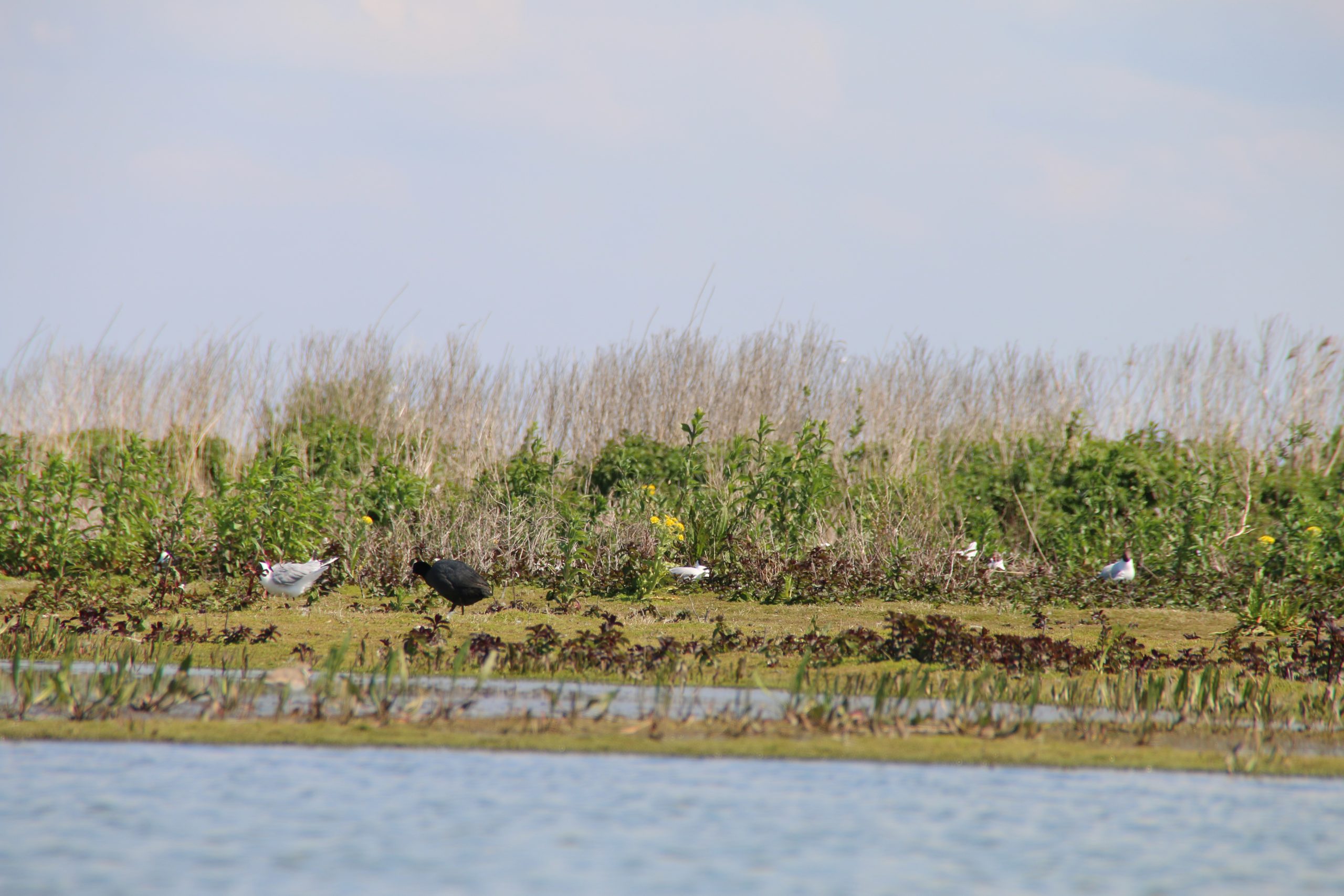
That is what makes the project special. Instead of treating the sediment only as waste or a problem, it became building material for new nature. The result is a young archipelago that creates habitat for birds, fish, plants, and small aquatic life.
This has also made Marker Wadden internationally interesting. It is not just a local day trip destination. It is a large scale example of building with nature, where engineering and ecology work together. The project has created new habitat in one of western Europe’s major fresh water lake systems and has become a living laboratory for researchers.
That impact is easy to feel when you walk there. It still feels raw and young, but also alive. Reeds are growing, birds are nesting, fish are present, paths flood, beaches shift, and the whole island feels like it is still developing.
The Ferry To Marker Wadden
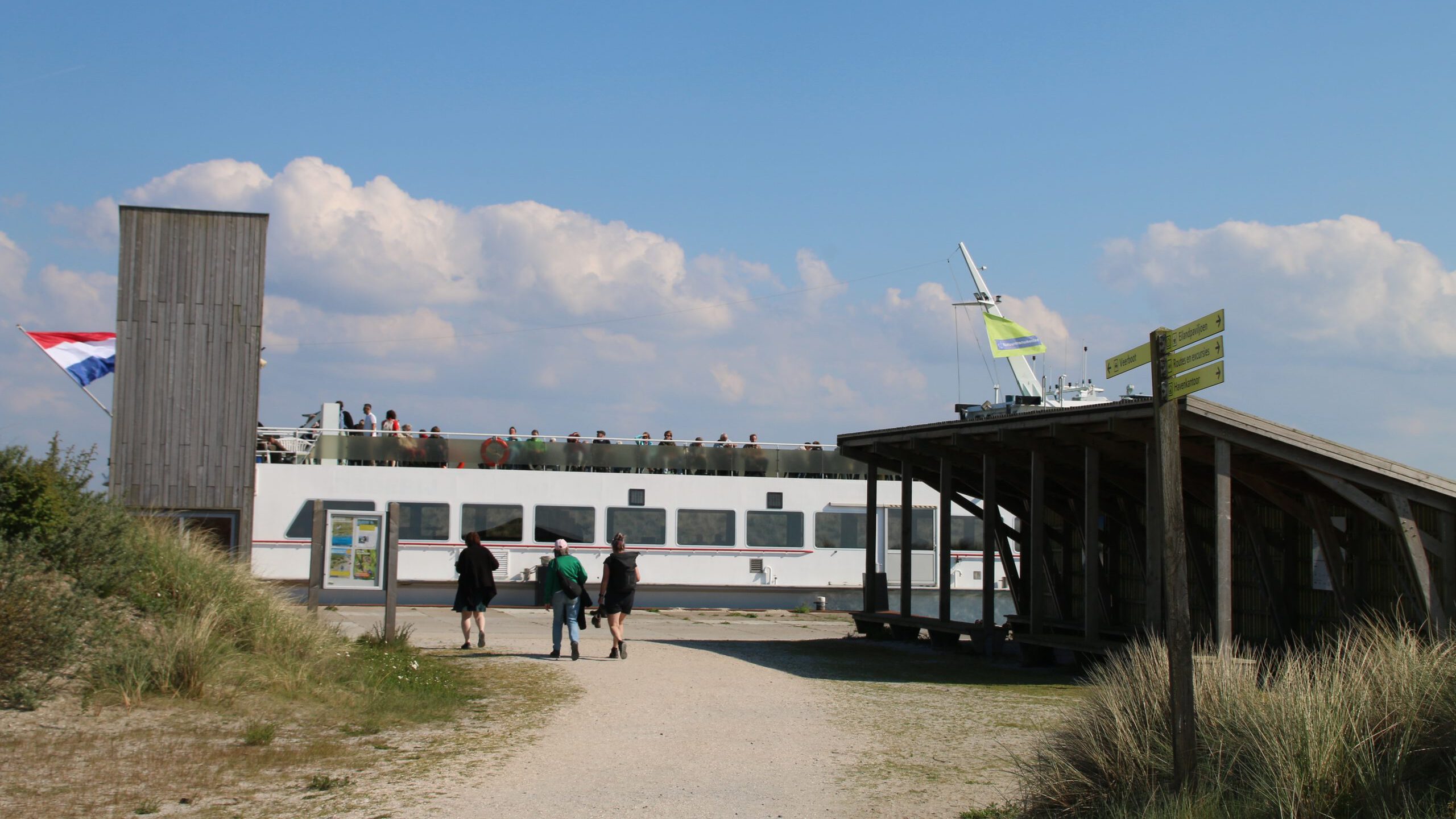
The ferry crossing went smoothly. The captain and crew did a good job, and the whole trip felt safe and relaxed. There was not much audible explanation on the boat, at least not in a way that we clearly picked up, but the practical setup was nice.
On deck, you could take your own chair, place it where you wanted, and put it back after use. That was actually ideal. We placed ours near the railing, so we could look over the water and get a feeling for the distance to the island. It made the crossing feel more personal than sitting in a fixed seat.
The boat has toilets for men and women. Coffee and tea are available, but that is basically it. Do not expect snacks, lunch, or a full café setup on board.
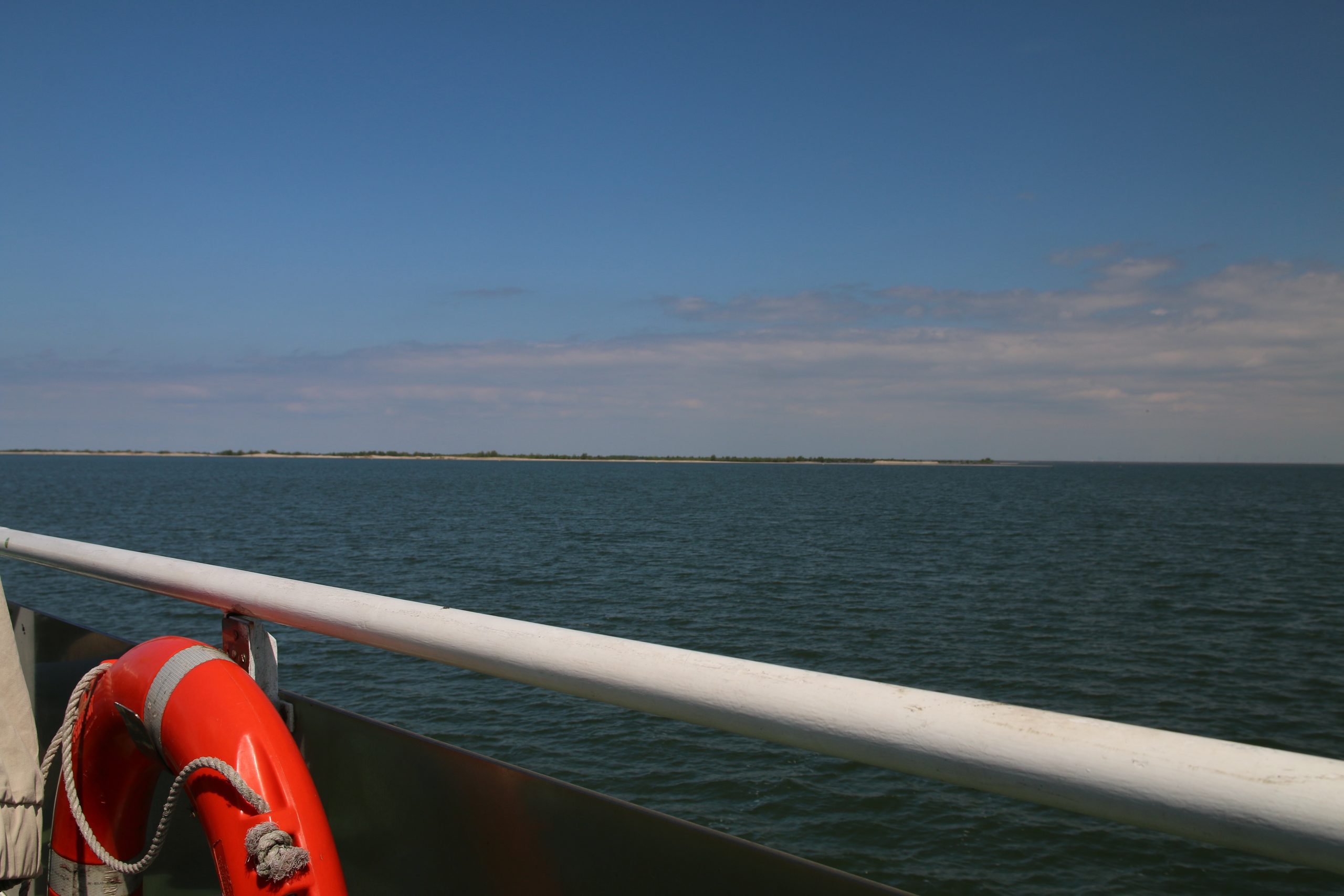
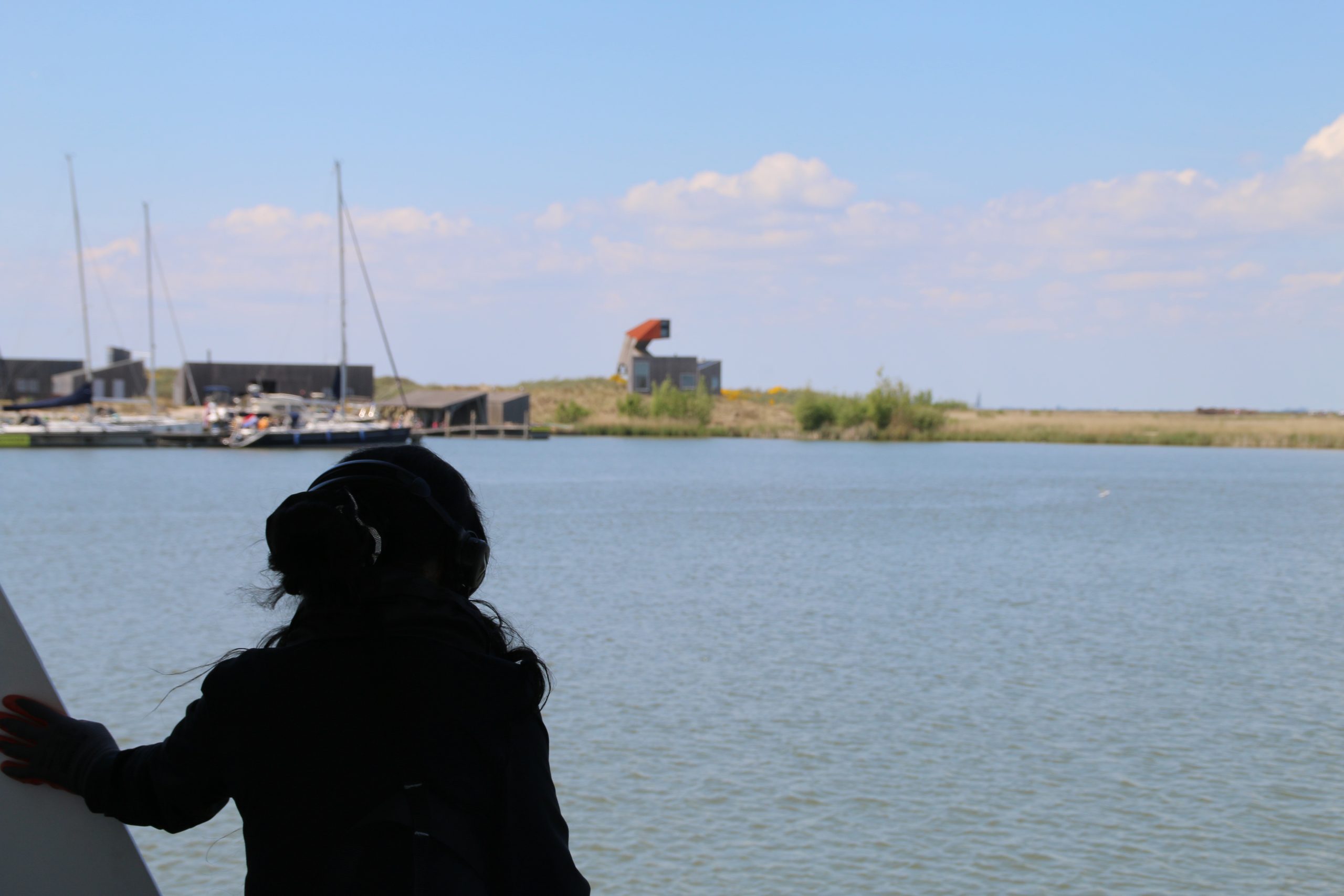
I get seasick quite quickly, but I had no problems at all during this 30 to 40 minute crossing. We did the trip both ways without taking anything against seasickness, and it was fine. Of course, weather matters, but on our day the ride was comfortable.
Arrival On Marker Wadden
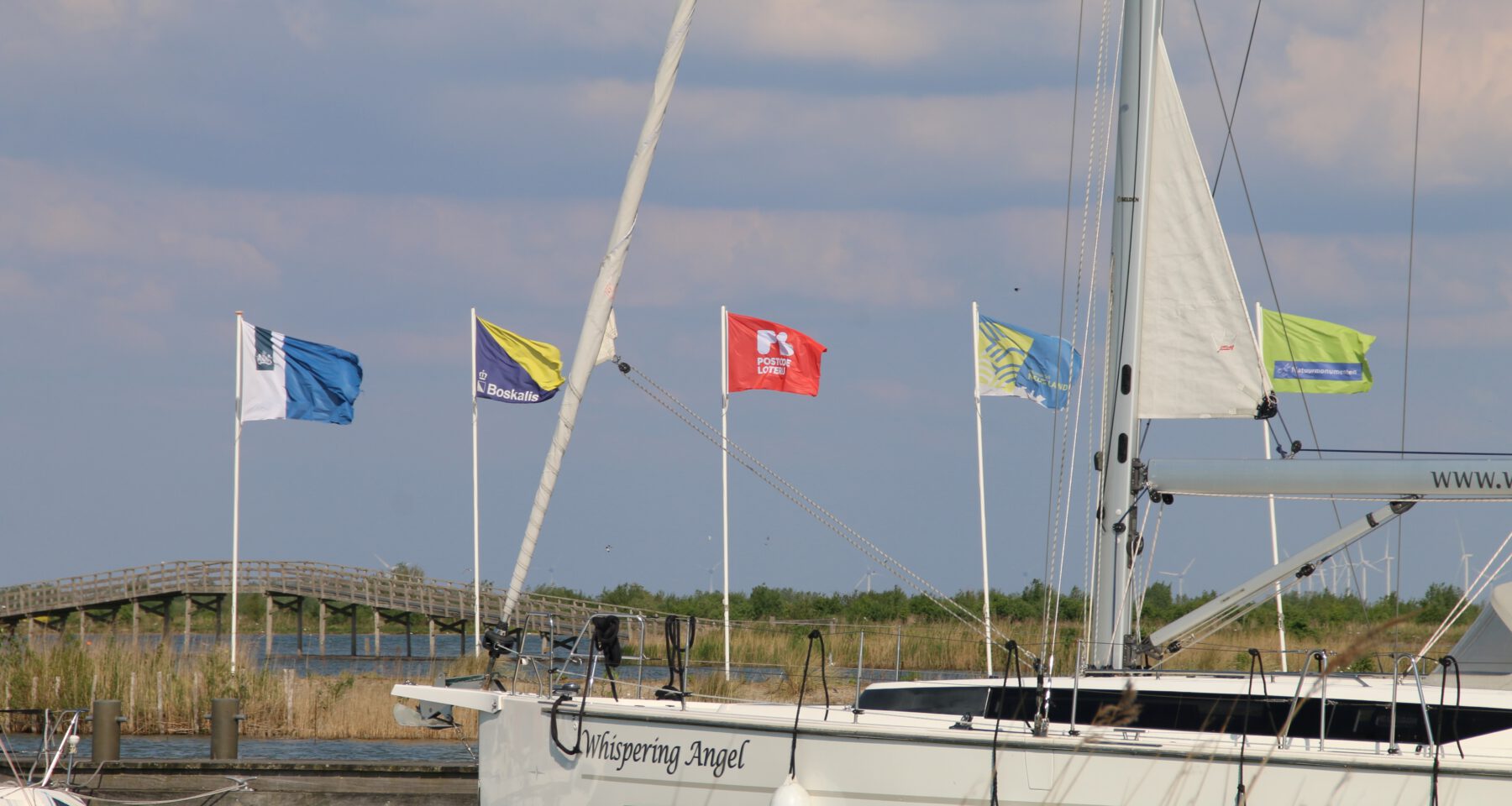
After arrival, the boat docks close to the main visitor area. From the dock, it is roughly 100 meters, maybe even less, to the small developed part of the island. This is where Roompot and Landal have a handful of rental houses, a small harbor, a restaurant, and a harbor post.
The rental houses look interesting because the location is special, but the prices feel unnecessarily high for what the place is. You are paying for the uniqueness of sleeping on Marker Wadden, not for a luxury resort experience.
The harbor post was not very inviting during our visit. When I asked what they sold, the answer was basically “not much.” When I pointed at the products, the answer was “hot dog.” That was enough for me to turn around.
The restaurant was better, but still very limited. It had a small menu with sandwiches, cookies, a cold apple pie that was not very tasty, several beers, not many alcoholic options, soft drinks, and a small gift shop. Nobody seemed very actively present in the gift shop, so we did not buy anything.
Still, we started the day the right way, with a cold beer by the water. There were genuinely nice people sitting around us, left and right, and that gave the place a friendly feeling. Marker Wadden may be basic, but the atmosphere was calm and pleasant.
Walking The Official Paths
For our Marker Wadden island visit, we followed the official walking paths. That is important, because this is a protected nature area. We were there mainly for Pokémon GO Community Day May 2026, not specifically for birds or wildlife, but that does not change the rules. You stay on the paths, you keep the island calm, and you respect the reason this place exists.
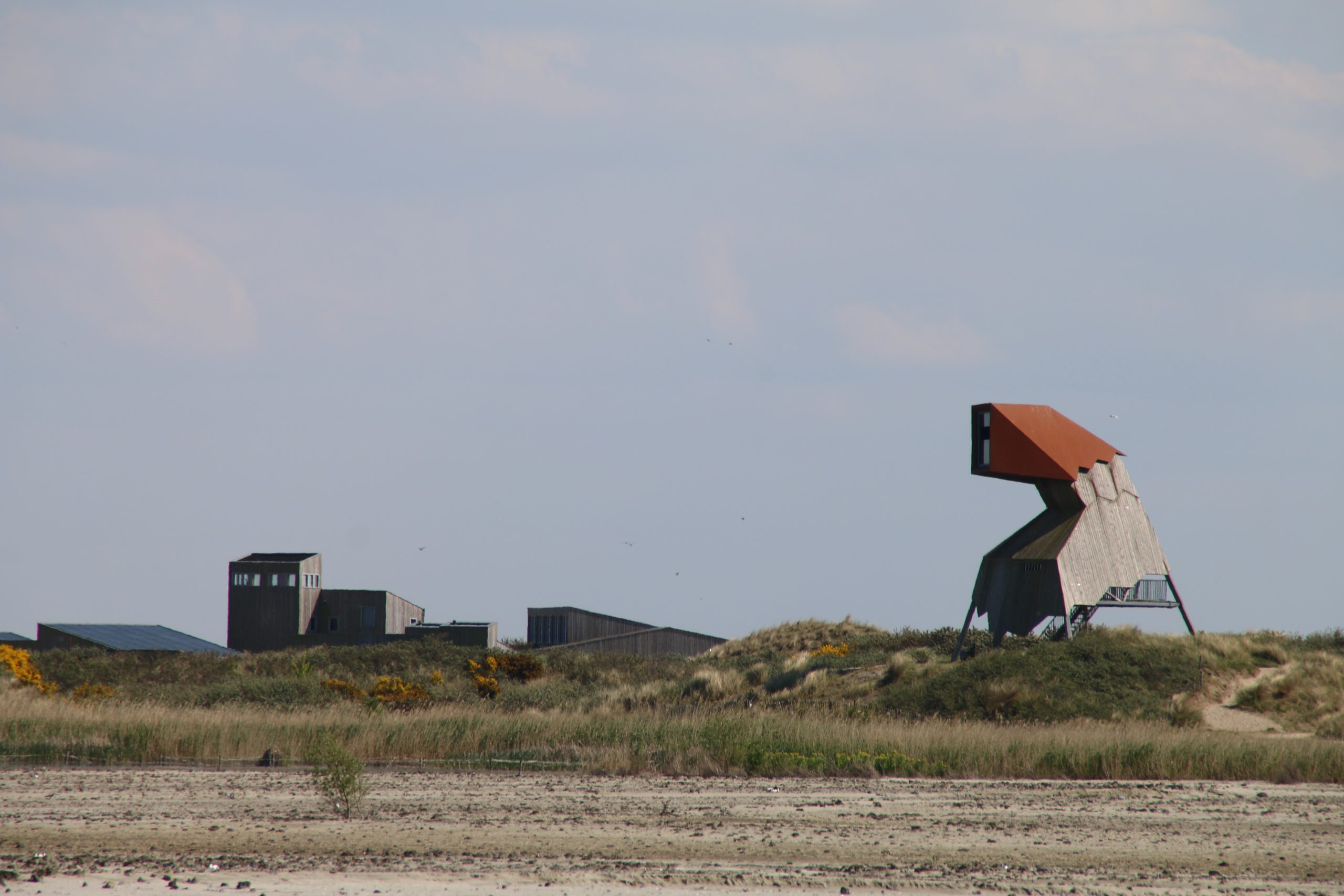
The walking route took us past several beautifully placed and well maintained bird hides and viewing towers. These structures are part of what makes the island interesting. They are simple, sturdy, and designed around watching nature without disturbing it.
At Vogelkijkhut Duikeend, we spoke with one of the volunteer rangers. He had also spoken to us earlier because we had accidentally gone a little too far from the path. We did not realize it was too far, because there was also a small fence and we were standing behind it, but he was right to correct us. This is a protected bird island, and the rules matter.
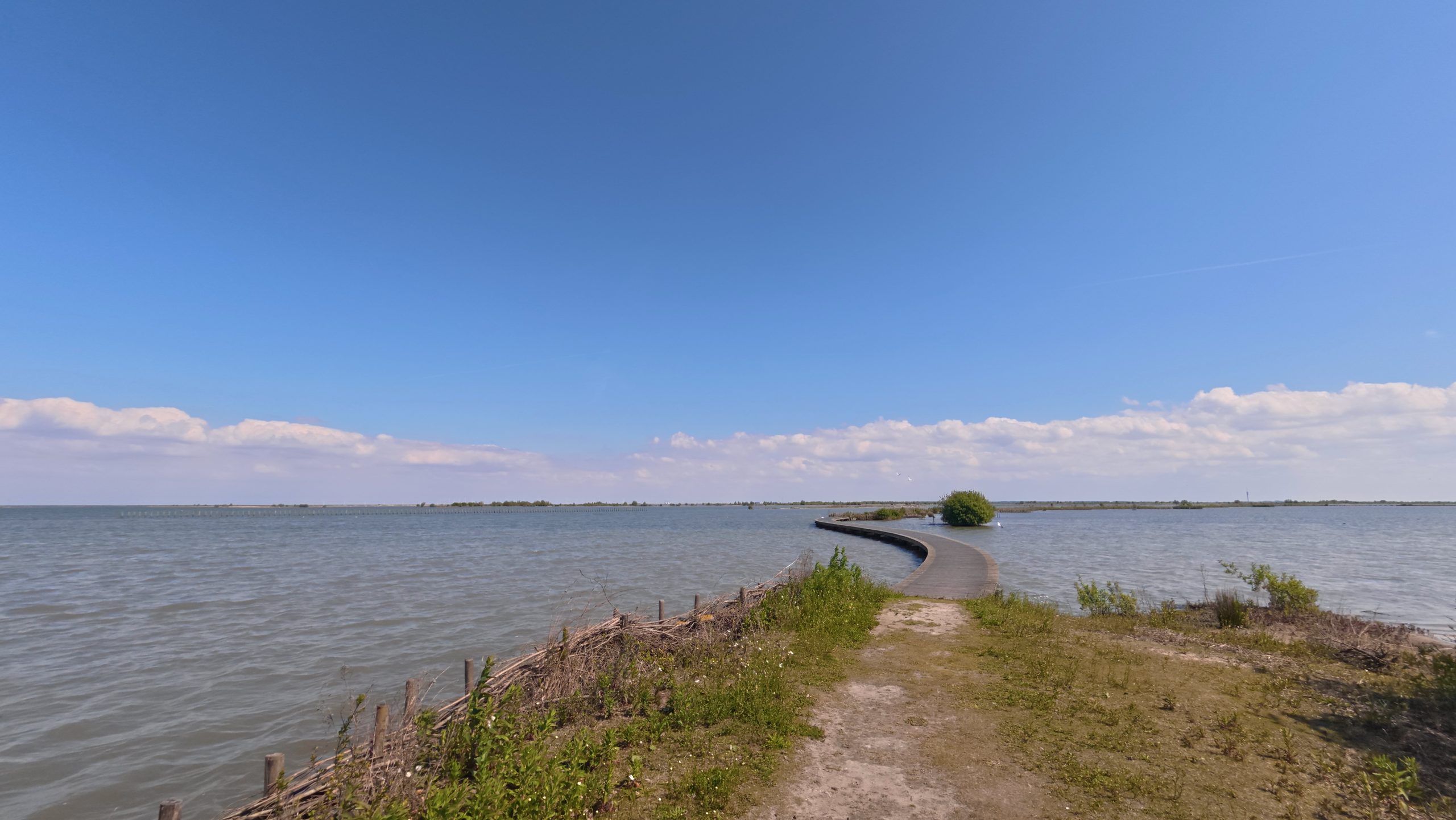
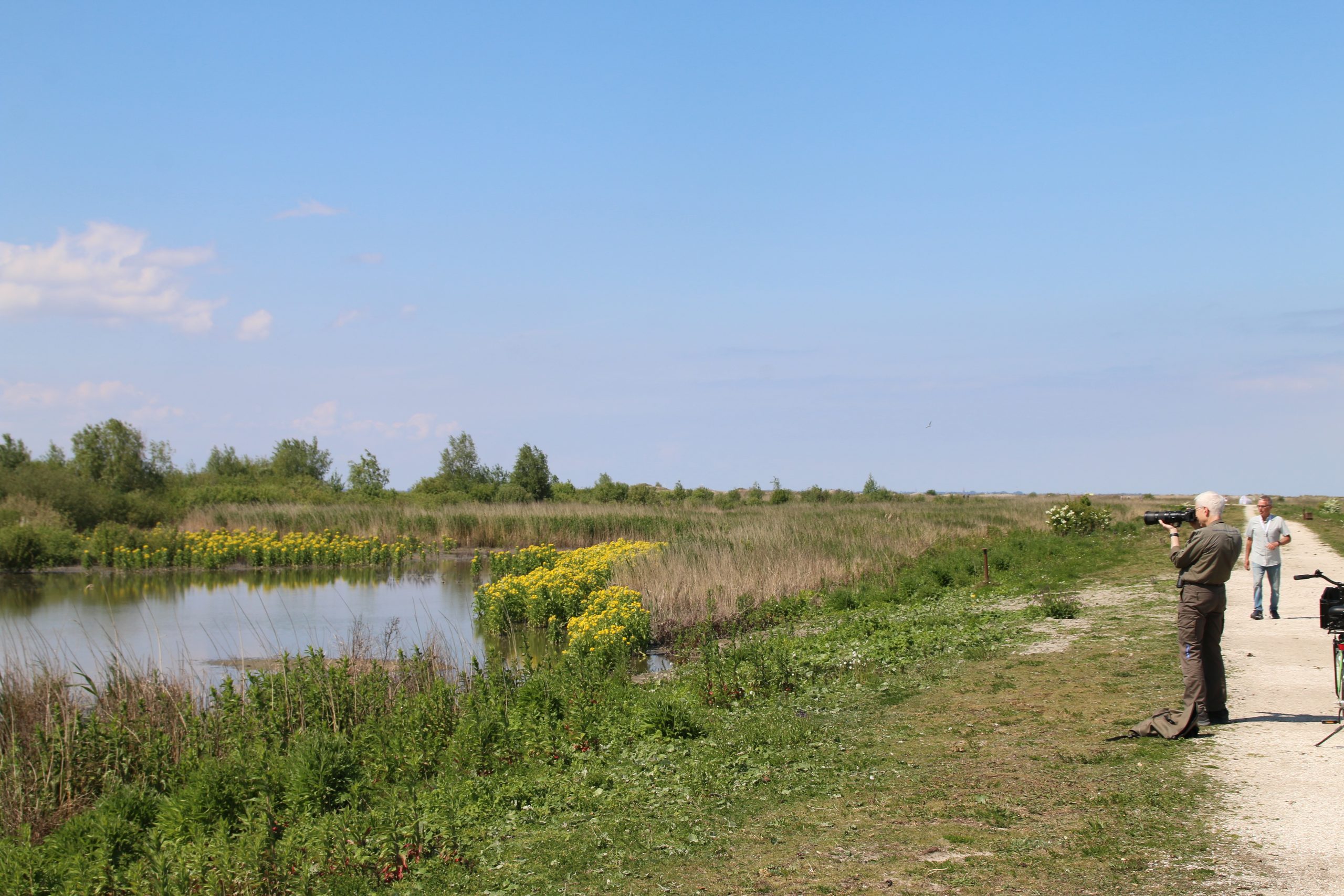
He explained that water levels can rise and that strong winds can push water into areas around the bird hides. Sometimes the huts can partly flood. That also explained why concrete is used in some parts of the structure. It is not there for looks, it is there for strength.
Bird Hides, Dead End Paths, And The Beach
At another bird hide, we found a path that looked like it continued, but it turned into a dead end because the area was closed. This was likely related to the bird breeding season. We did not continue there and went around via the upper route instead.
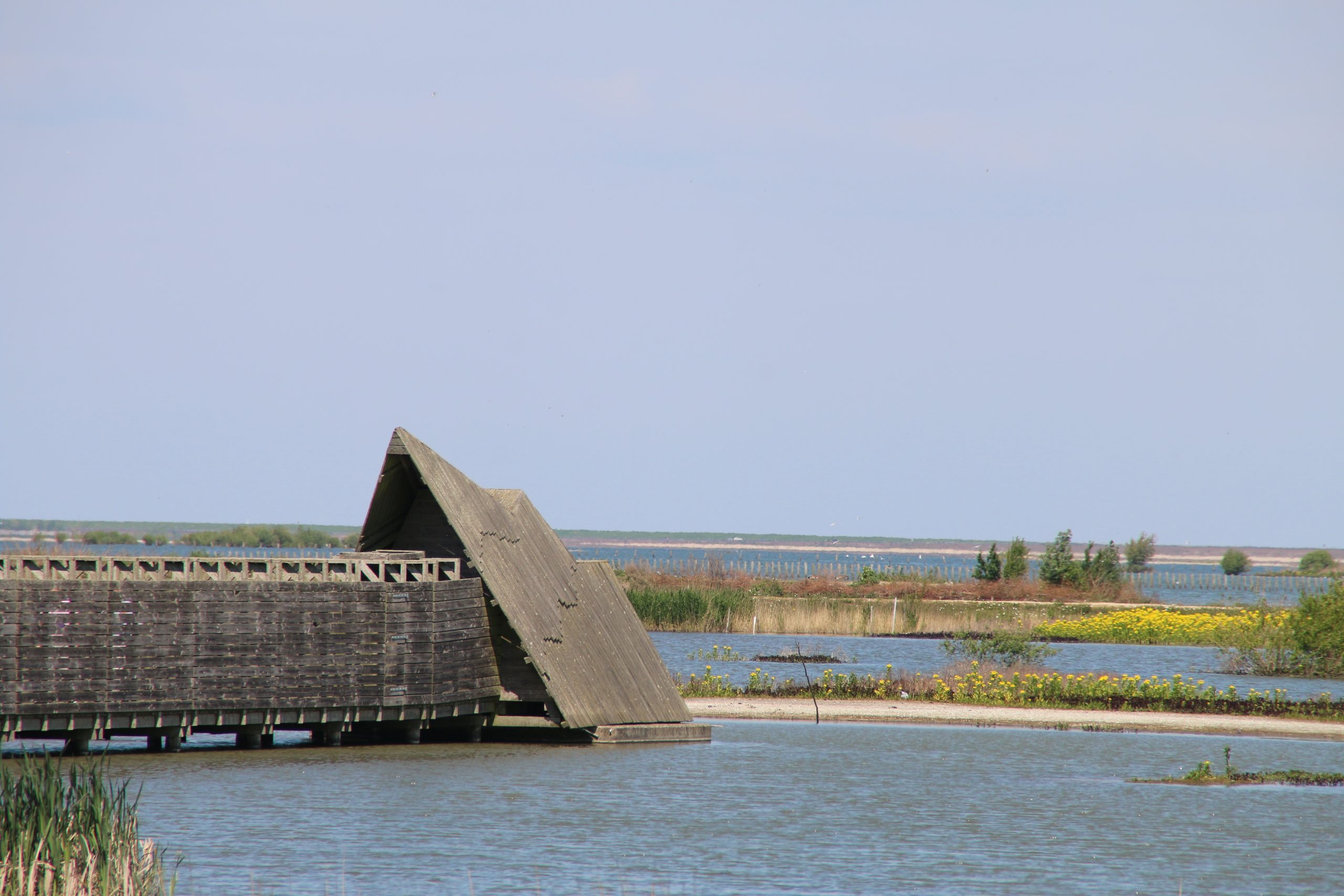
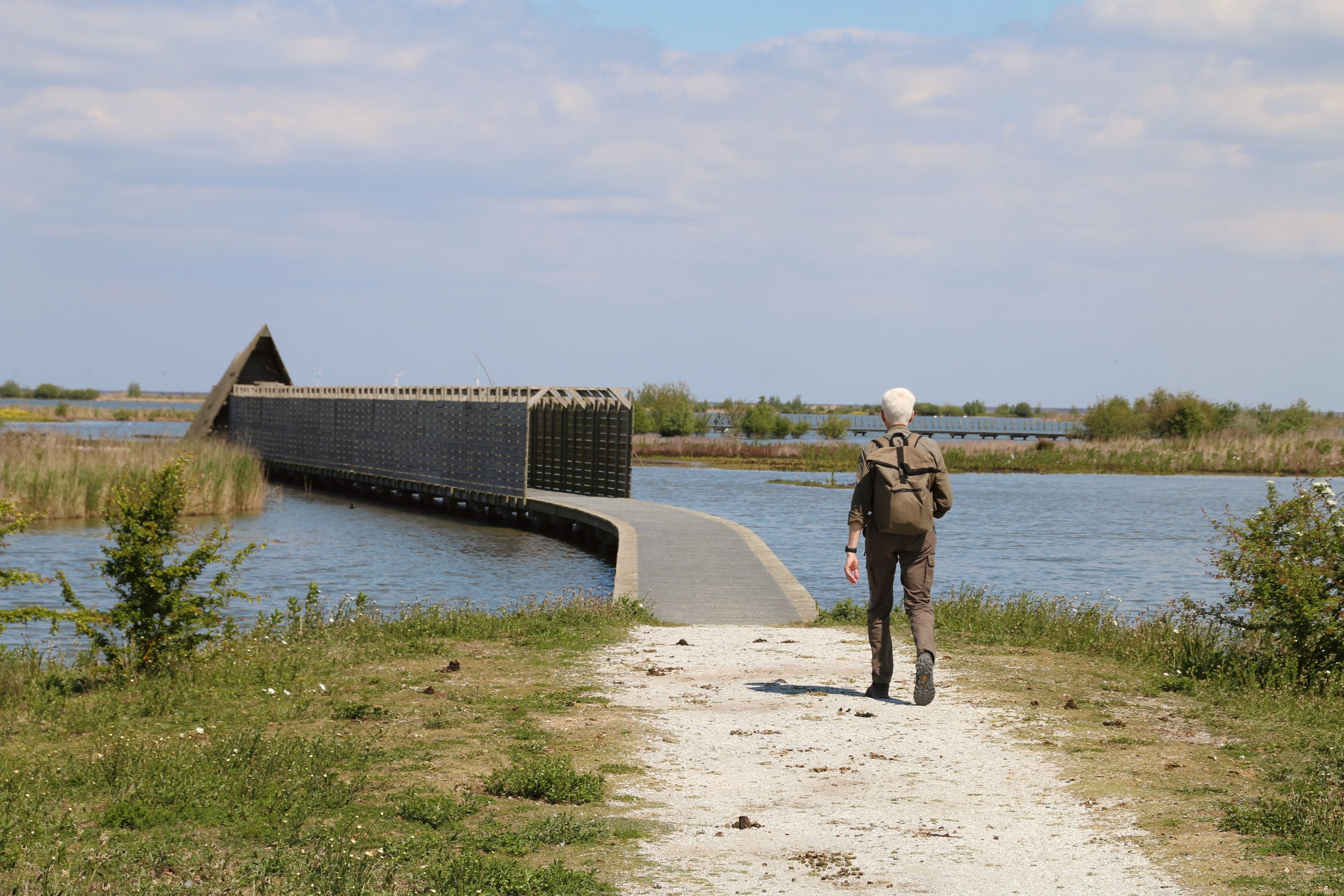
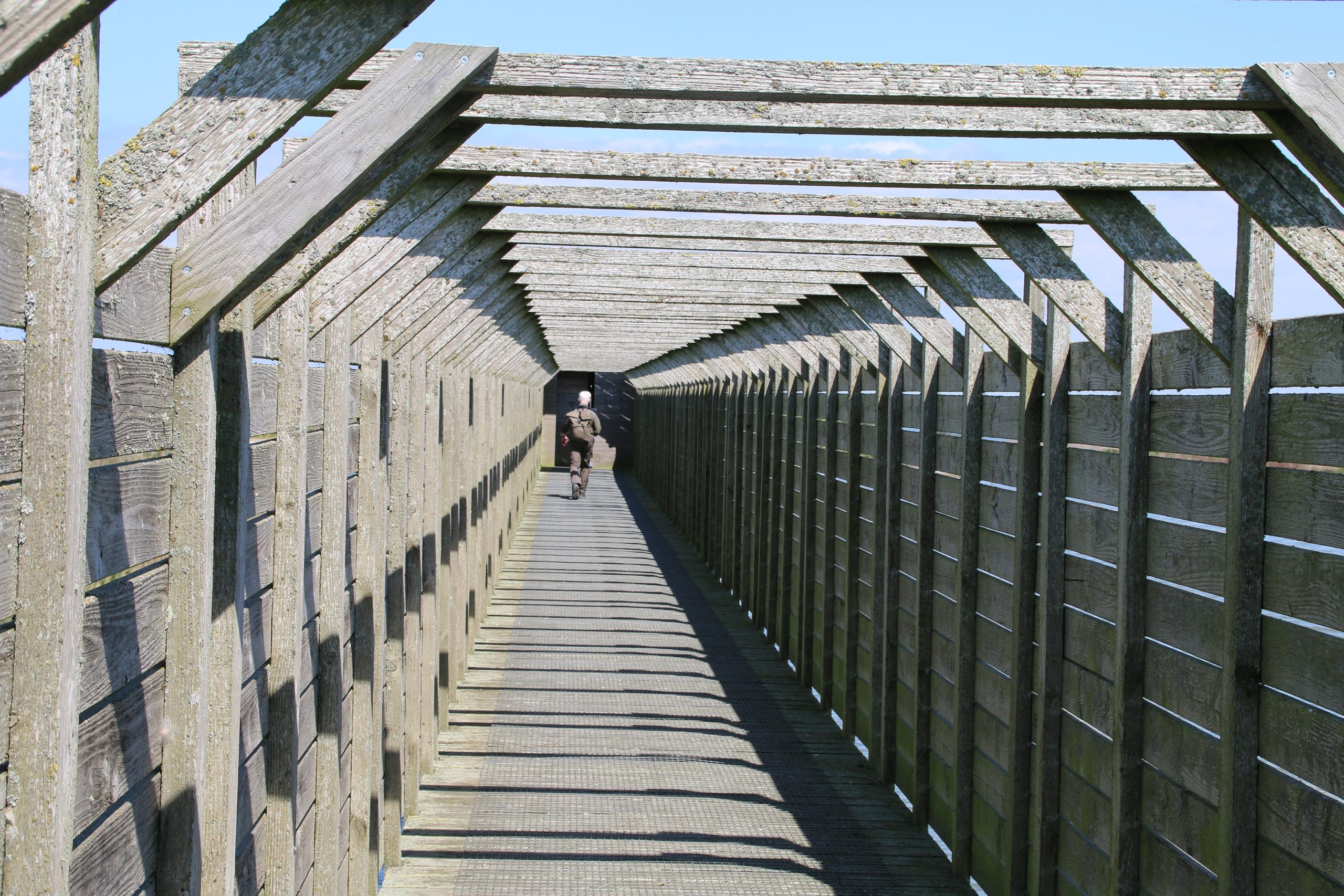
Eventually, we reached the beach through a small bridge. The beach is quiet and surprisingly beautiful. It is not a classic beach day destination, and that is exactly what makes it nice. Many people do not walk all the way along the upper side of the island. A lot of visitors stop earlier to watch birds, so the northern beach area stays peaceful.
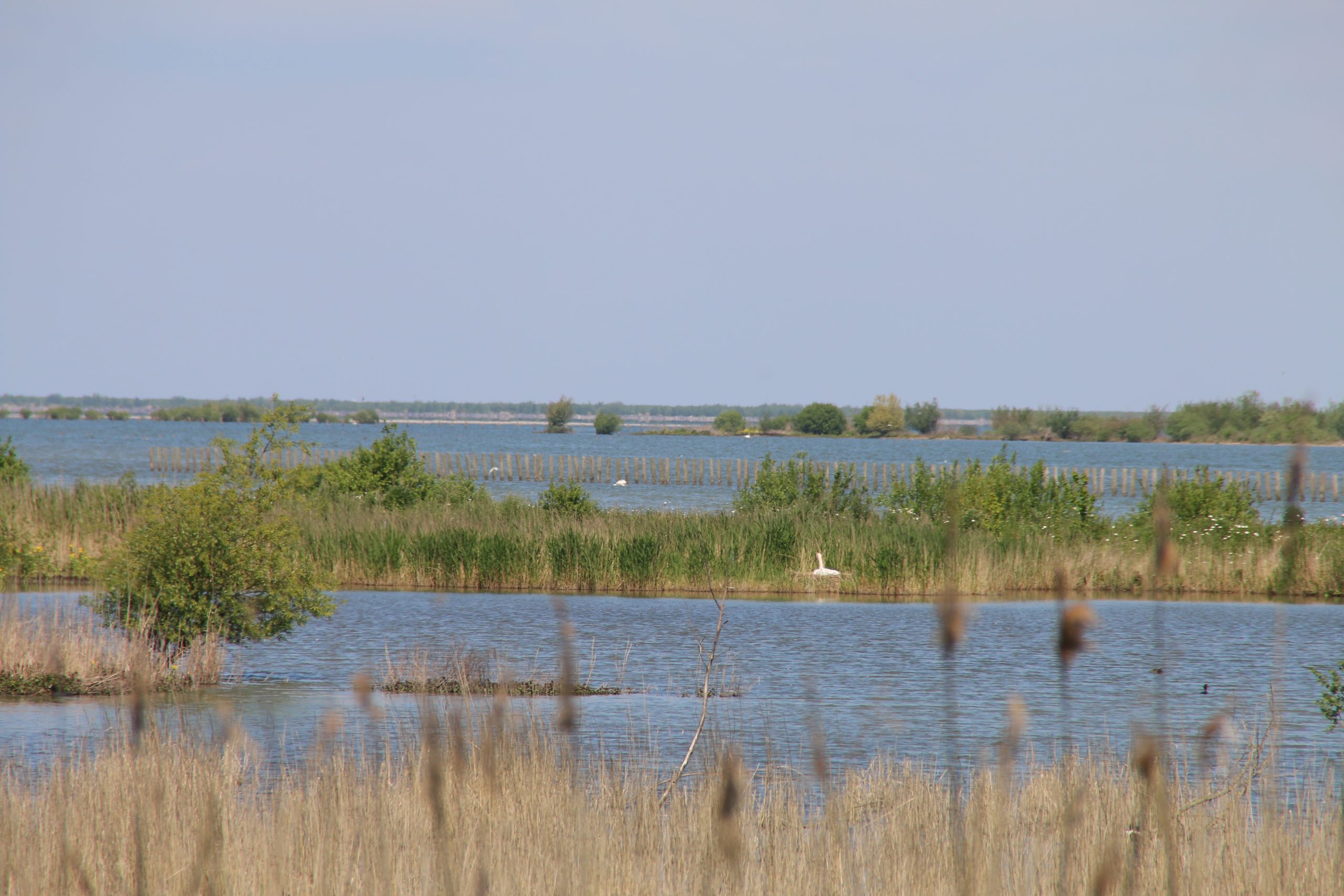
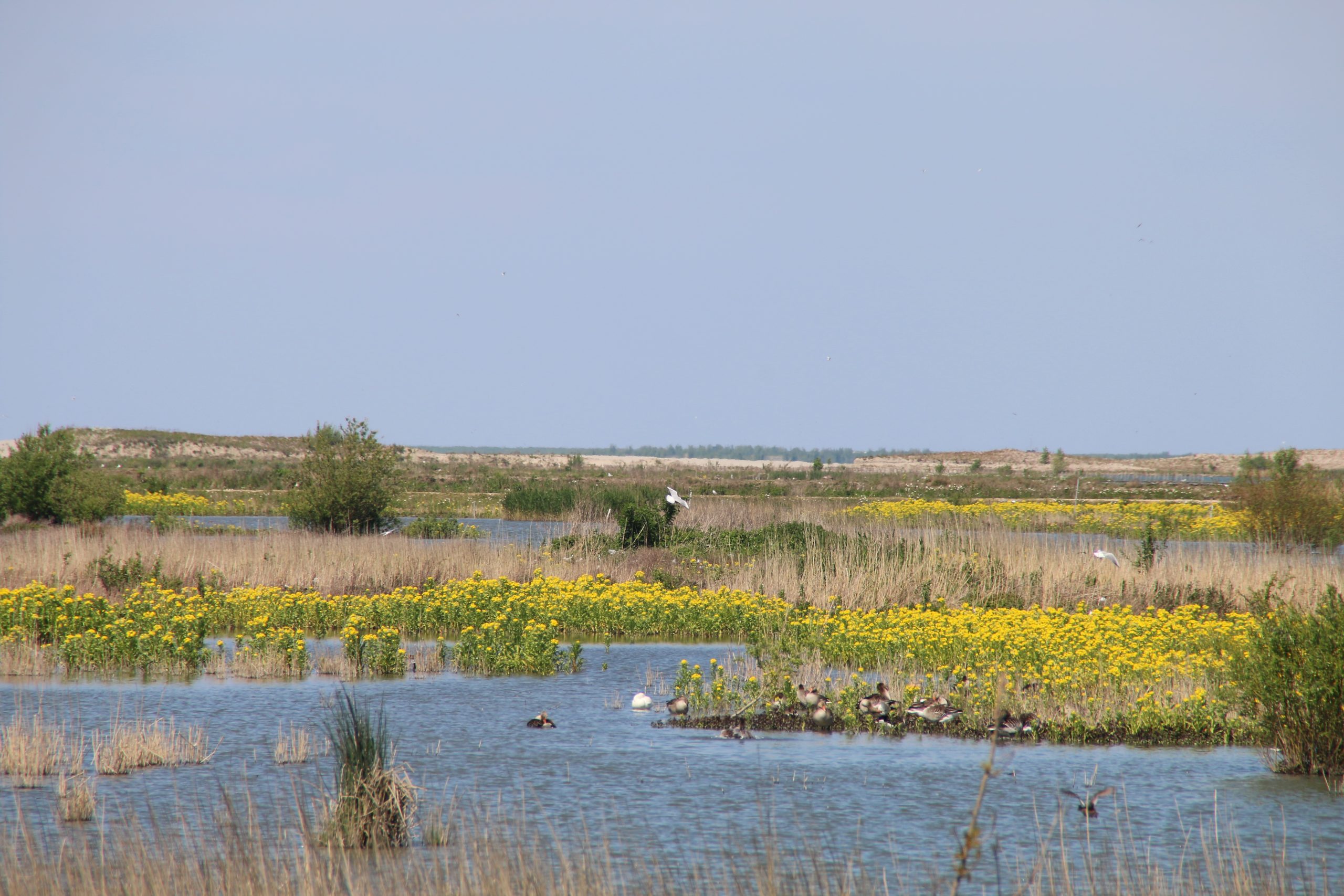
The water here is fresh water, not salt water. Marker Wadden lies in the Markermeer, which is used as part of the Dutch fresh water system. The lake is not directly connected to the sea in the way a coastal salt water area would be. That makes the beach feel unusual, almost like a remote coast, but technically still part of a fresh water lake.
The West Side And Wet Feet
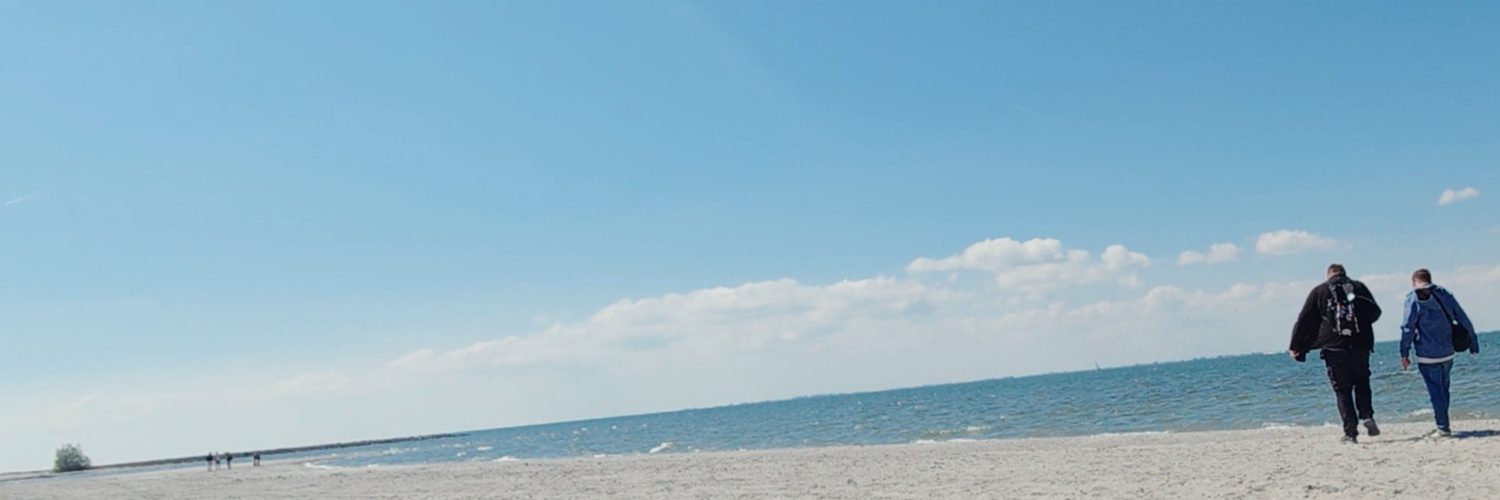
The west side of the island was harder to walk. Some of the straight paths heading downward were flooded. I do not know if that was intentional, seasonal, or just the result of wind and water levels, but it meant we had to cross water during the walk. That is where proper shoes matter. My shoes handled it well, but Peter’s shoes let in more water. If you visit after windy weather or during a wet period, assume that parts of the route can be muddy or flooded.
After that, we followed the path back and passed Uitkijktoren Steltloper. From there, it became clear we were already close to the main area again. The island feels remote while walking, but the public route is still manageable in a normal day trip.
Wildlife We Actually Saw
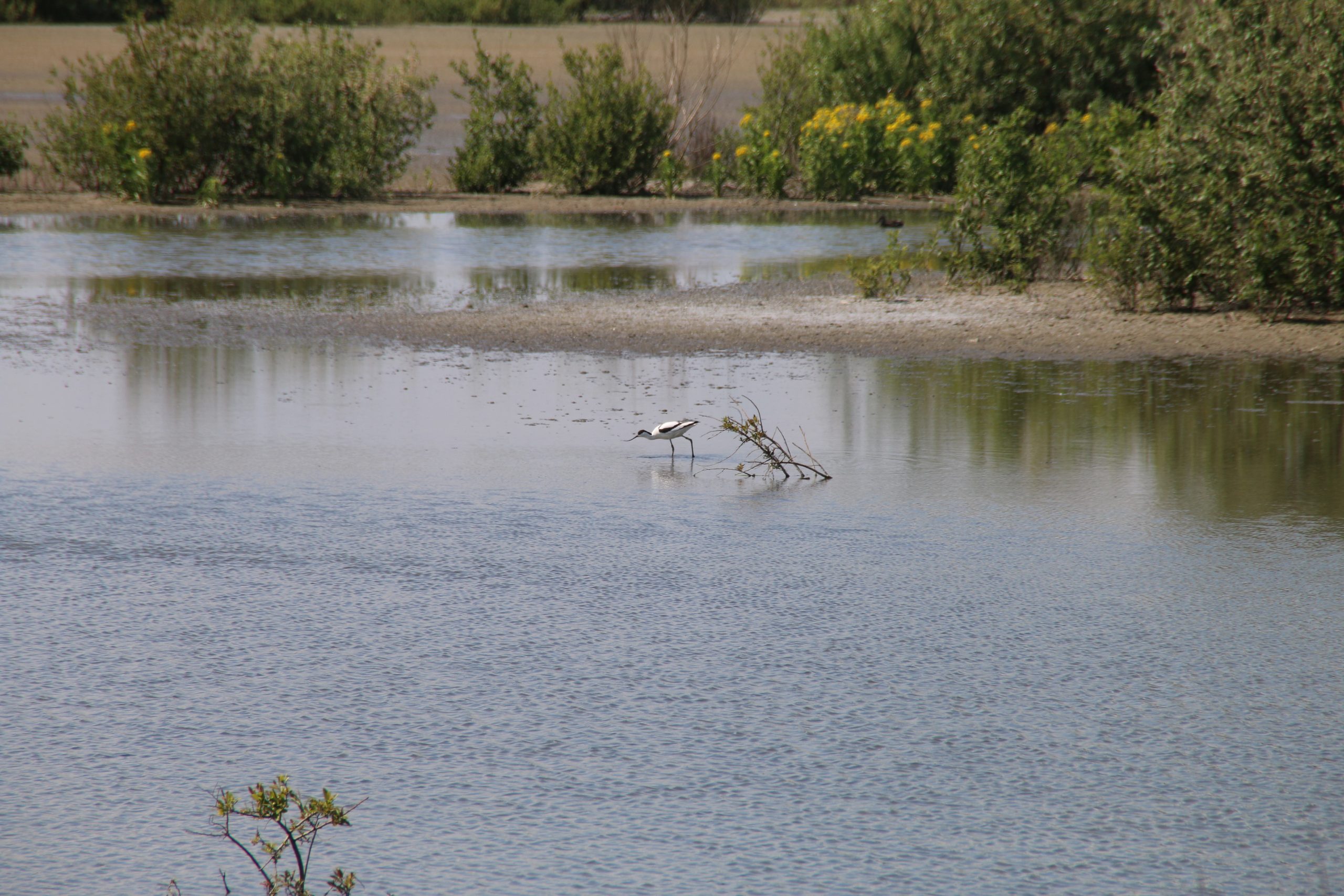
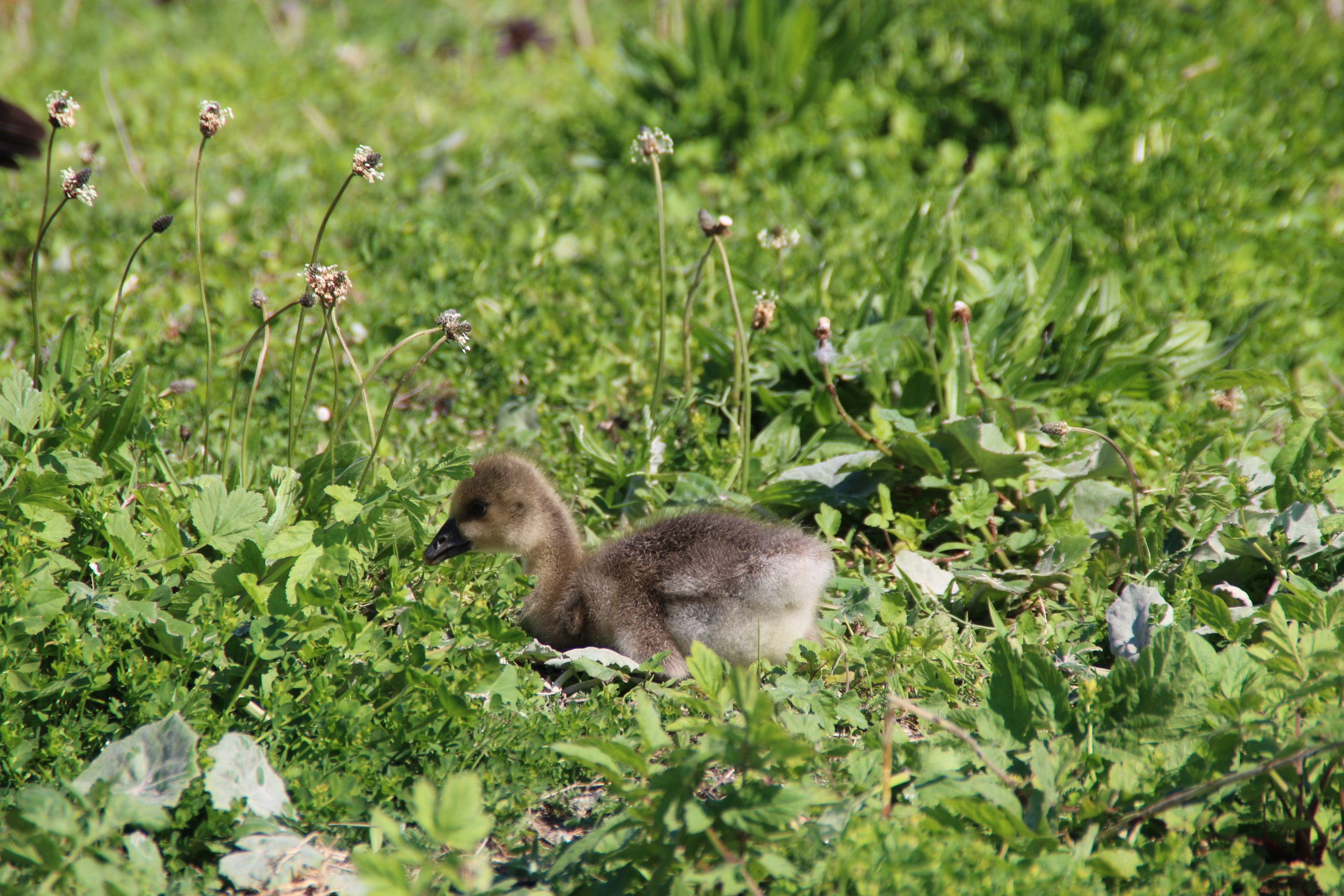
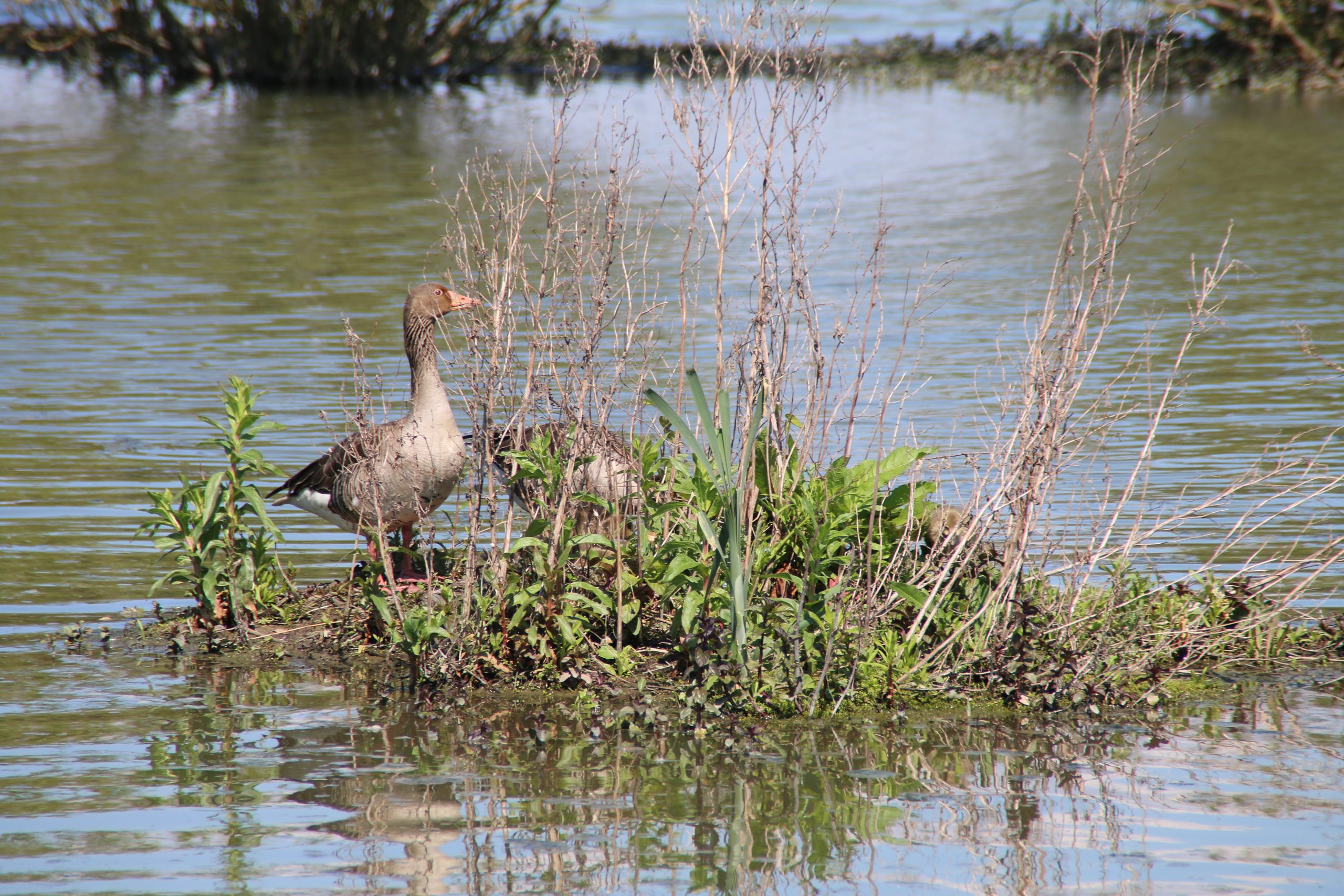
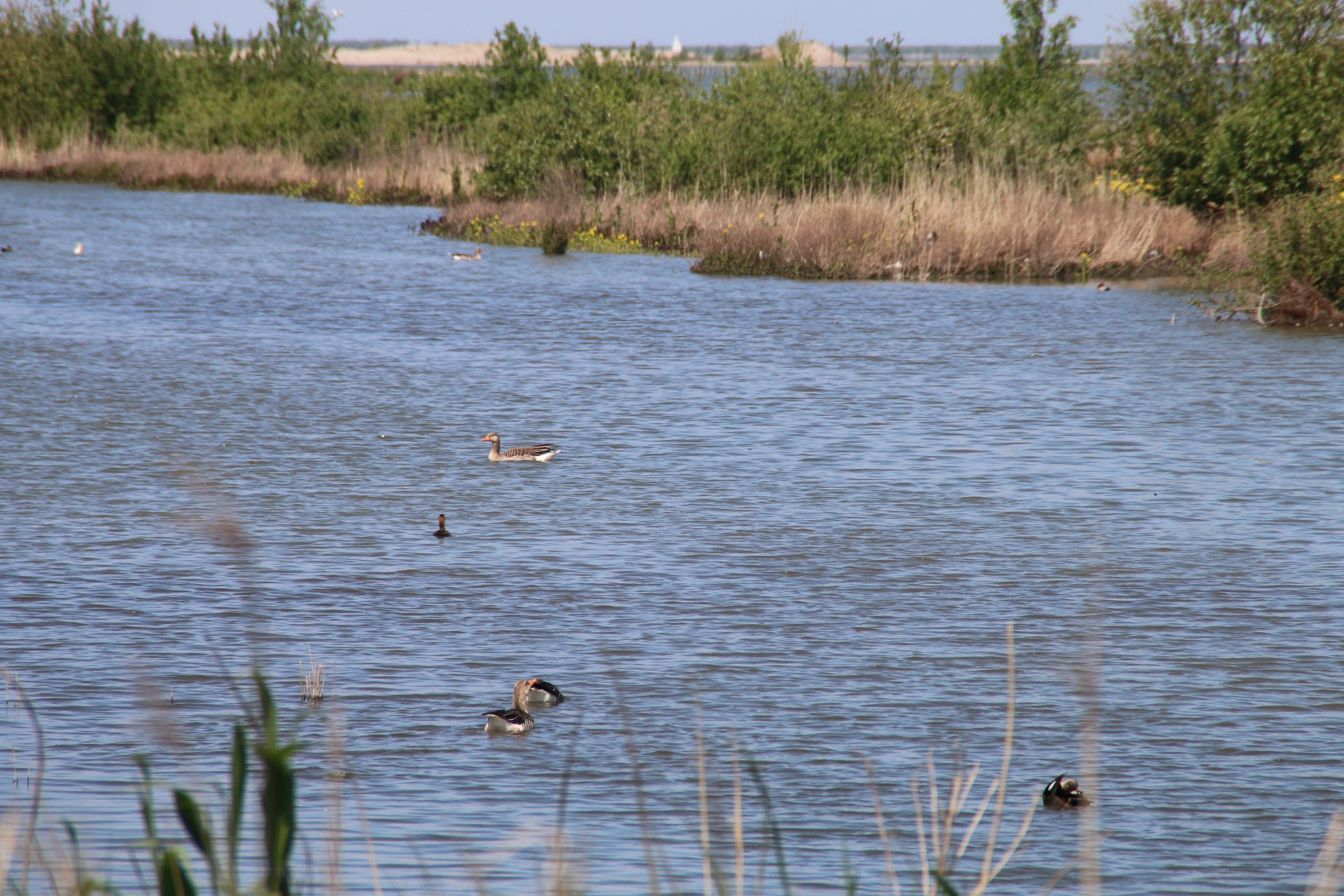
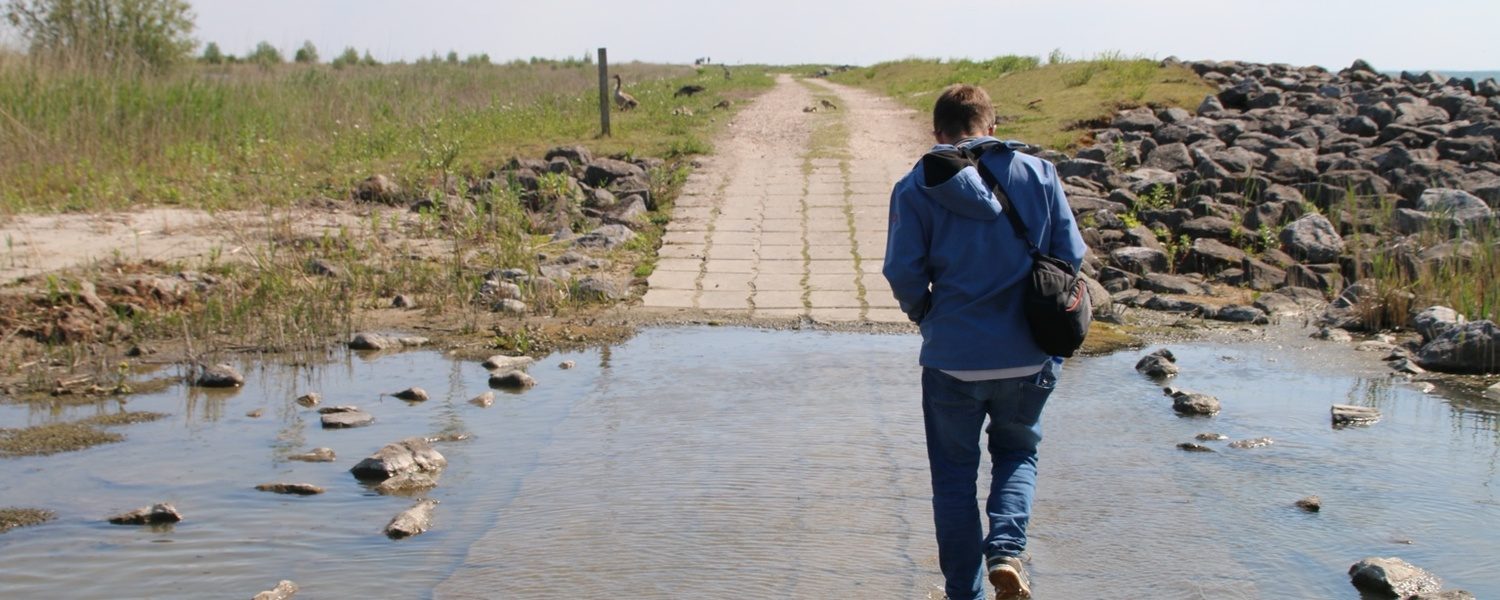
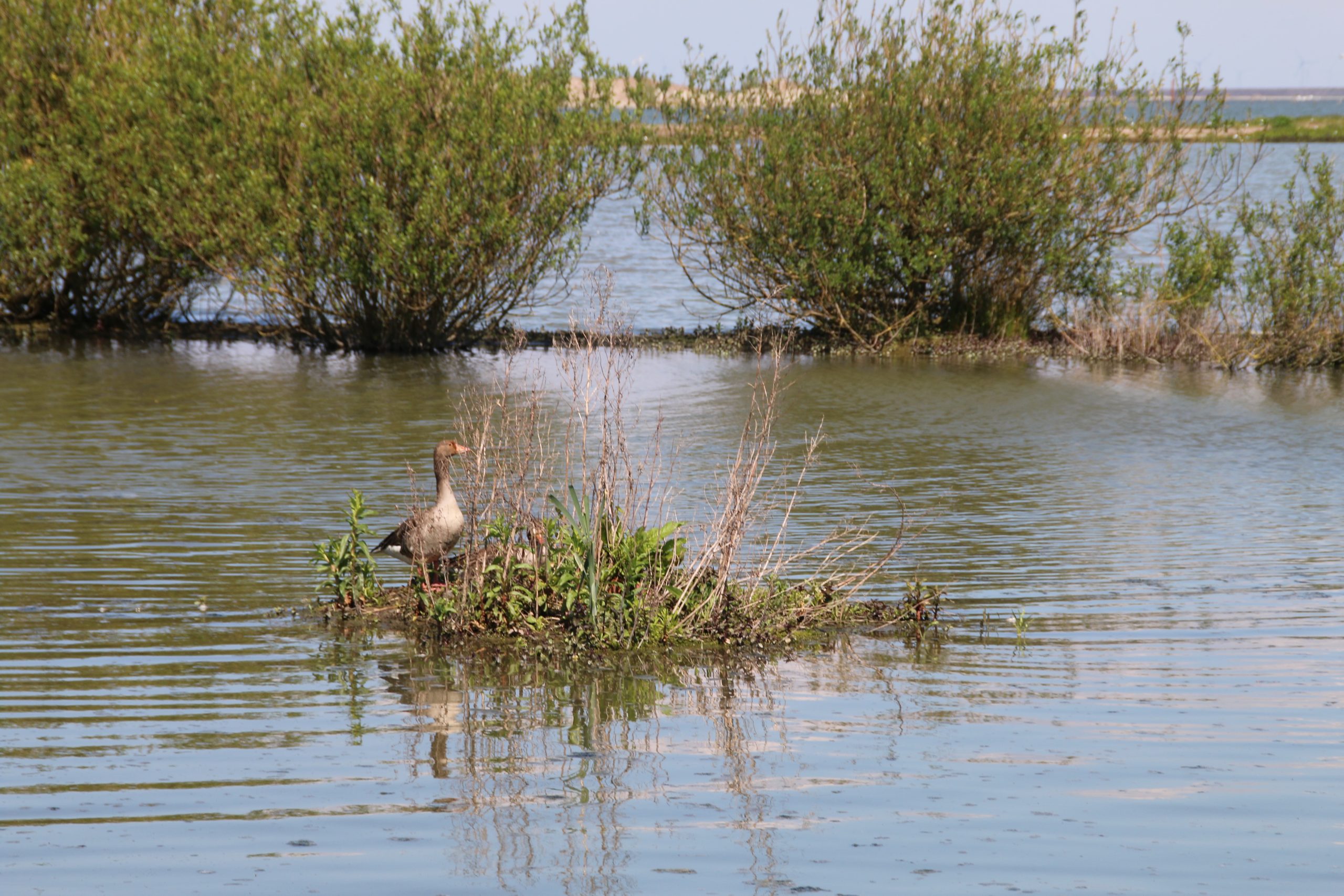
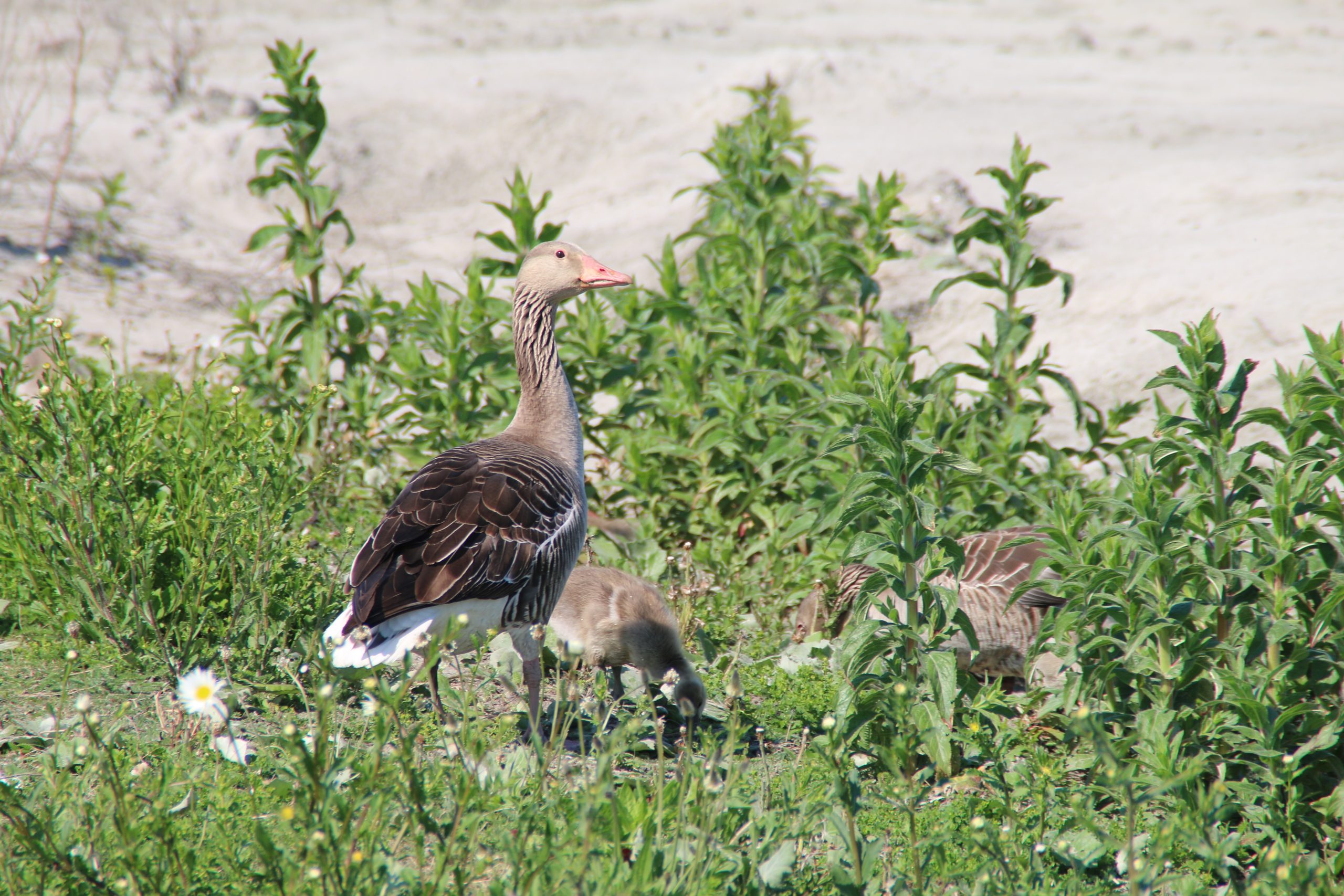
During our Marker Wadden island visit, we mostly saw geese with young birds. We also saw ducks, wagtails, a small group of spoonbills, several ground nesting birds, dead fish on some paths, and one bird with a yellow chest. I am not a bird expert, so I will not pretend to identify everything perfectly.
What stood out to us was the lack of insects. In Lelystad and on the ferry, we saw some insects here and there. On Marker Wadden itself, there were surprisingly few. Maybe it was the weather, the wind, the season, or simply where we walked, but it was noticeable.
Below is a general bird table based on public information about Marker Wadden and species known from the area. This is not a personal checklist from our visit. It is meant as helpful context for a May visit.
| Bird species | What to know for May visitors |
|---|---|
| Avocet | A well known pioneer breeding bird for young wetland areas like Marker Wadden |
| Common tern | Often linked to open, sandy, and wet breeding habitats |
| Little tern | A sensitive breeding species that benefits from quiet, protected zones |
| Little ringed plover | A small ground nesting bird that can use open, bare areas |
| Kentish plover | One of the special species connected to this type of habitat |
| Common ringed plover | Another ground nesting species that fits the island’s open landscape |
| White wagtail | A species visitors may see walking or foraging on open ground |
| Yellow wagtail | A yellow chested bird is possible in this type of open wetland landscape |
| Gadwall | A duck species connected to wetland habitats |
| Tufted duck | One of the duck species reported around Marker Wadden |
| Common shelduck | A striking duck species that can occur in open wetland areas |
| Spoonbill | We saw a small group, and the island habitat makes sense for this species |
| Greylag goose | Very common looking during our visit, including young birds |
| Common tern and gull species | Likely around open water, shores, and resting areas |
Final Thoughts On Our Marker Wadden Island Visit
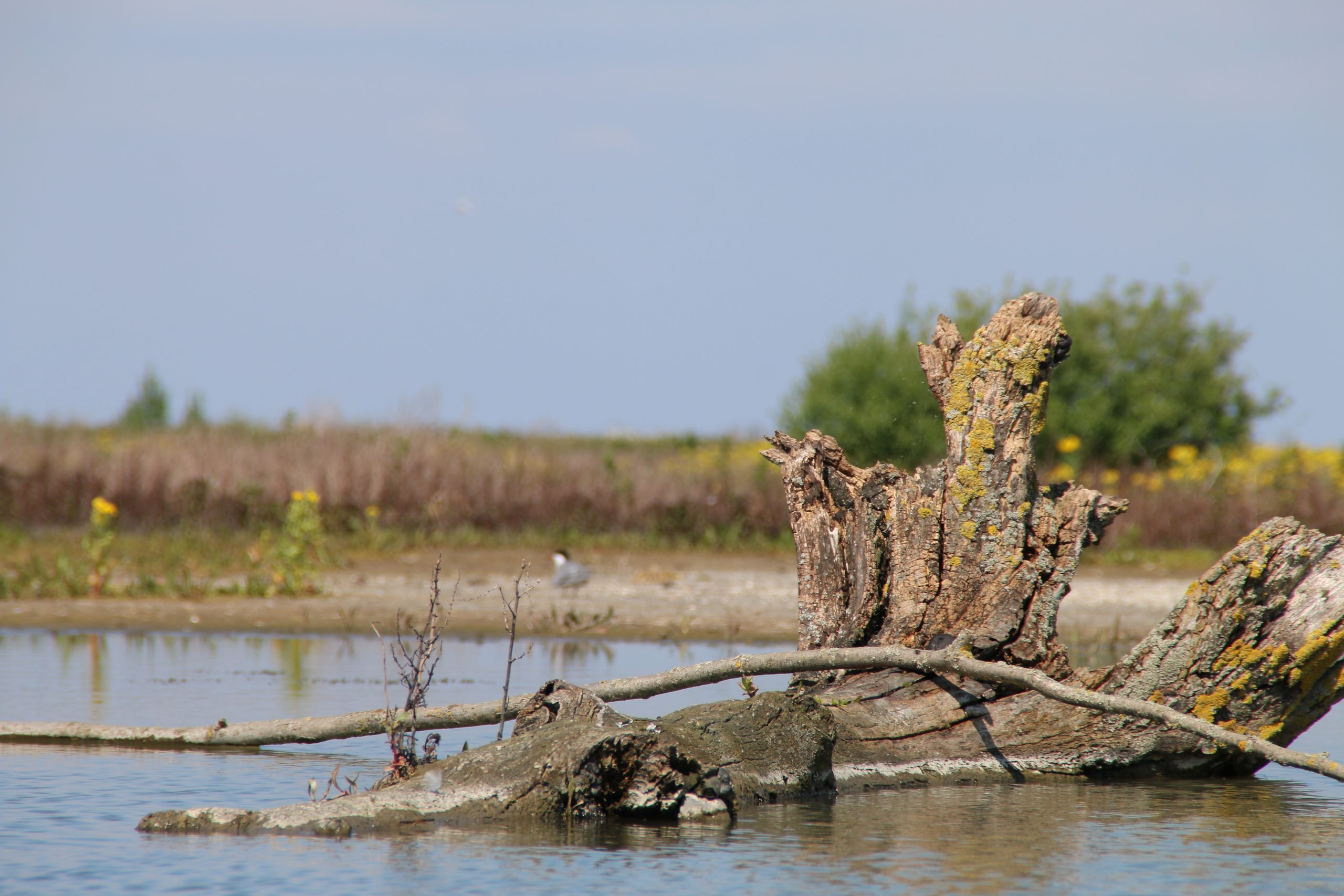
Our Marker Wadden island visit was a top experience. The weather was sunny all day, the ferry was smooth, the walking route was unique, and the nature felt different from almost anywhere else in the Netherlands. We also had our Pokémon GO Community Day running in the background, with 13 shiny Lechonk for me, but the real memory is the island itself.
Marker Wadden is not polished tourism. It is a protected bird island with limited facilities, volunteers, basic food, weak mobile signal, and walking paths that can get wet. But that is also the charm. It feels real, quiet, and purposeful.
I would recommend a Marker Wadden island visit if you enjoy nature, photography, birds, walking, unusual Dutch landscapes, and places with a story. Bring a good camera, a longer lens, binoculars, food, drinks, water resistant shoes, and a calm mindset.
Most importantly, respect the island. Stay on the paths, give birds space, listen to volunteers and rangers, and treat the place like the rare nature project it is. The Netherlands built something special here, and it deserves to stay special.