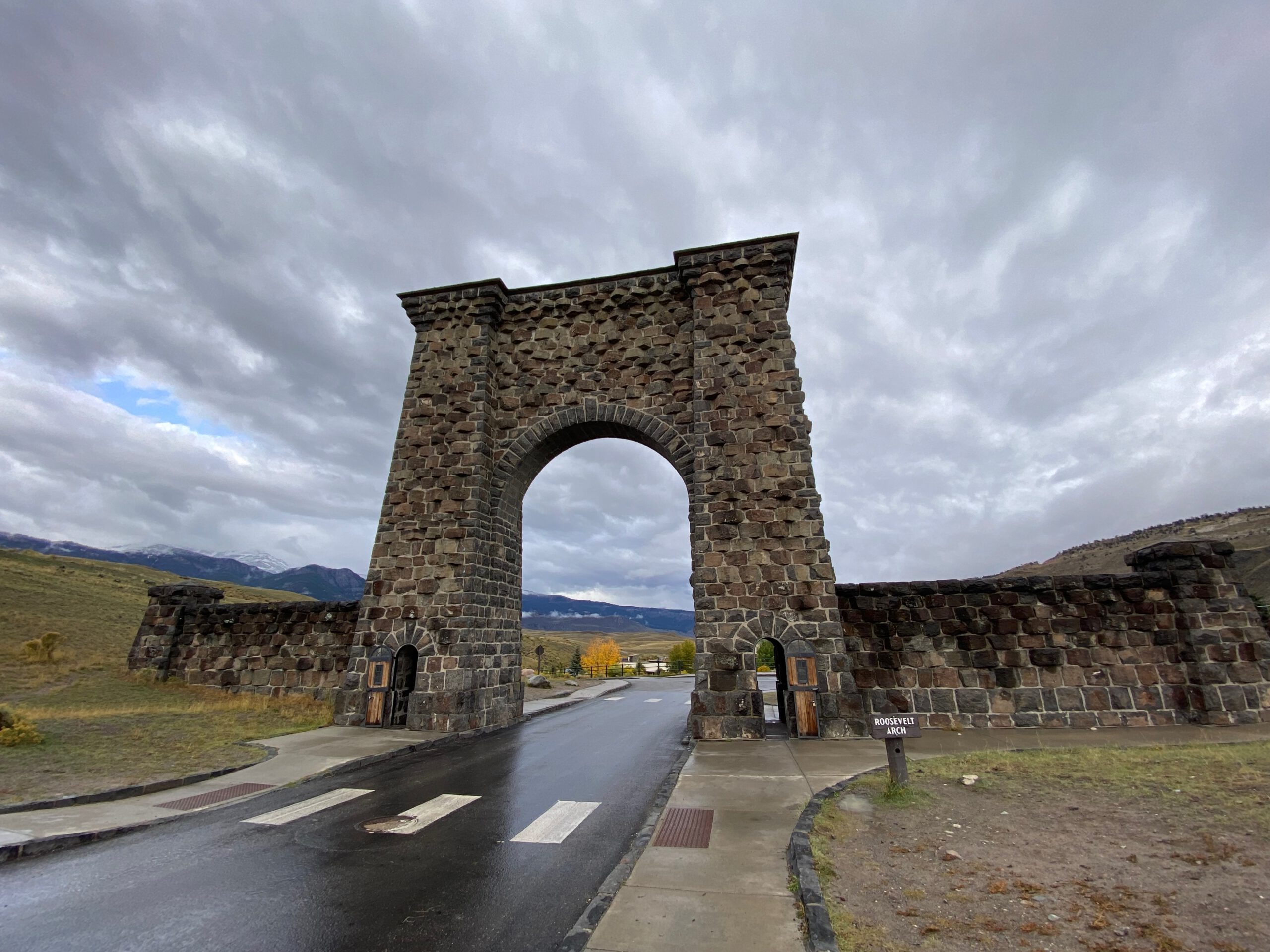


Roosevelt Arch Yellowstone is the historic north entrance to Yellowstone National Park, located in the small town of Gardiner, Montana. For many travelers, this stone gateway is the very first physical moment where the Yellowstone adventure truly begins. It is not just an arch, it is a statement, carved in stone, announcing arrival at one of America’s most important protected landscapes.
Roosevelt Arch Yellowstone, a First Impression That Sticks
Driving into Gardiner, Montana, the arch appears almost suddenly against the wide valley and mountain backdrop. Roosevelt Arch Yellowstone stands just outside the official park boundary, yet it feels like a ceremonial threshold. Passing beneath it creates a sense of transition, from town to wilderness, from road trip mode to national park mindset.
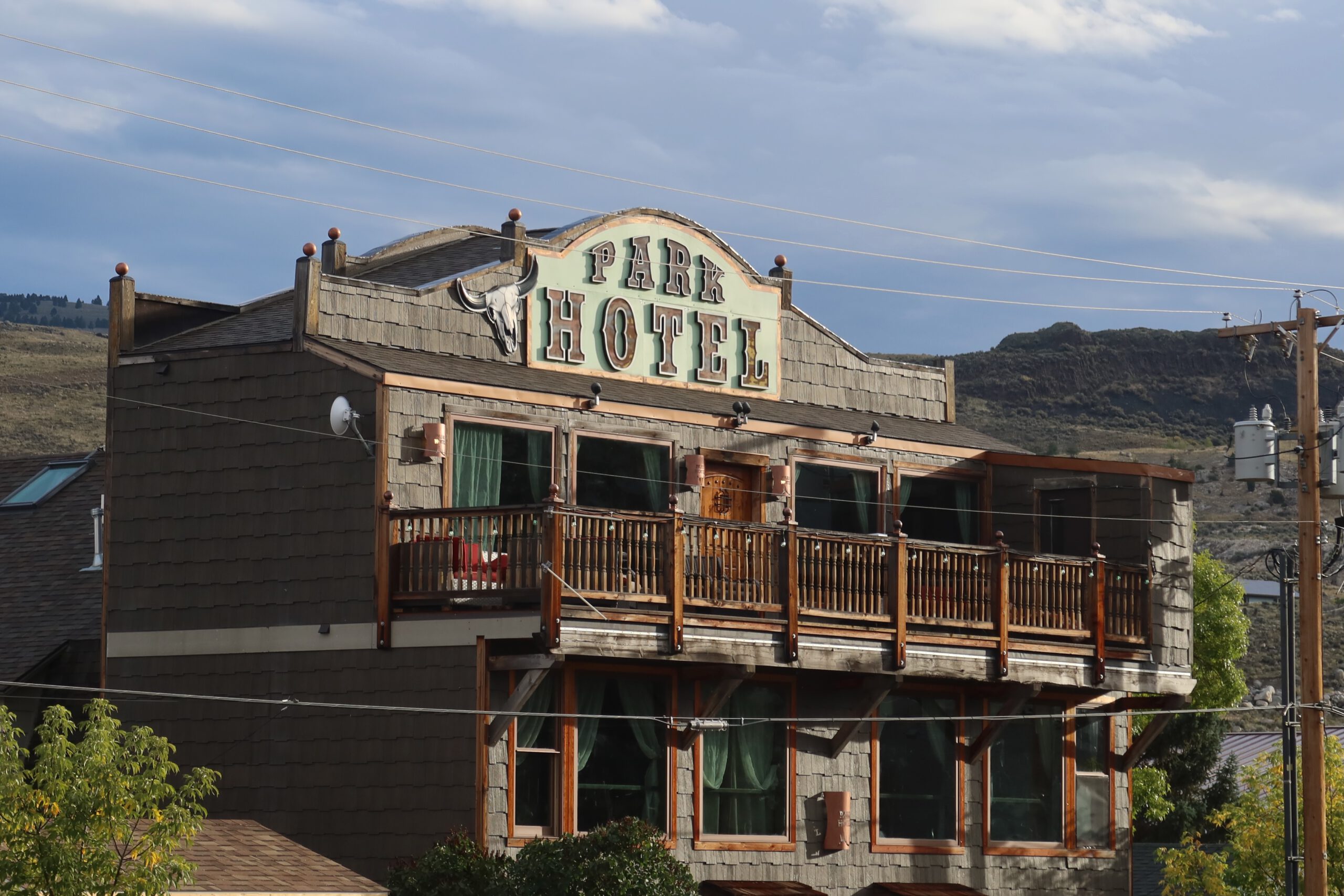
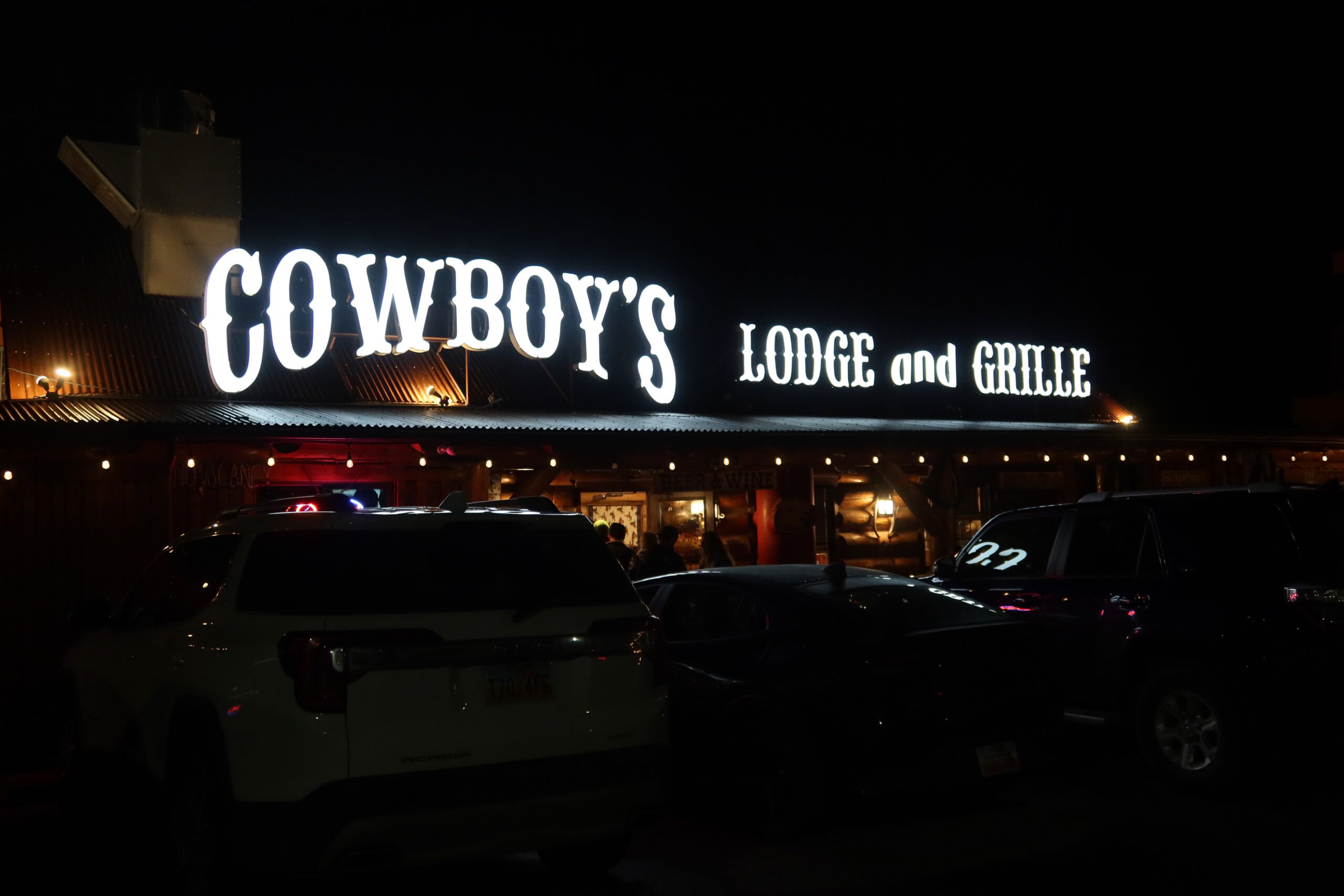
When we arrived via the Roosevelt Arch Yellowstone entrance, we were on our way to Park Hotel Yellowstone and later dinner at Cowboy Lodge and Grill. The next day, right before starting our Yellowstone adventure, we returned to the arch to properly explore it and take photos. It attracts visitors, but never feels overcrowded. People pause, walk underneath, read the inscription, and quietly take in the moment.
The History Behind Roosevelt Arch Yellowstone
The story of Roosevelt Arch Yellowstone goes back to the early 1900s. The arch was completed in 1903, during a time when Yellowstone was still shaping its identity as the world’s first national park. The cornerstone was laid by Theodore Roosevelt himself, giving the monument its name and historical weight.
At the time, most visitors arrived by train in Gardiner before entering Yellowstone by horse drawn carriage. The arch was designed to create a grand sense of arrival, something bold and unmistakable. Its purpose was symbolic as much as practical, marking Yellowstone as a place of national importance rather than just another scenic area.
The Famous Inscription Above the Arch
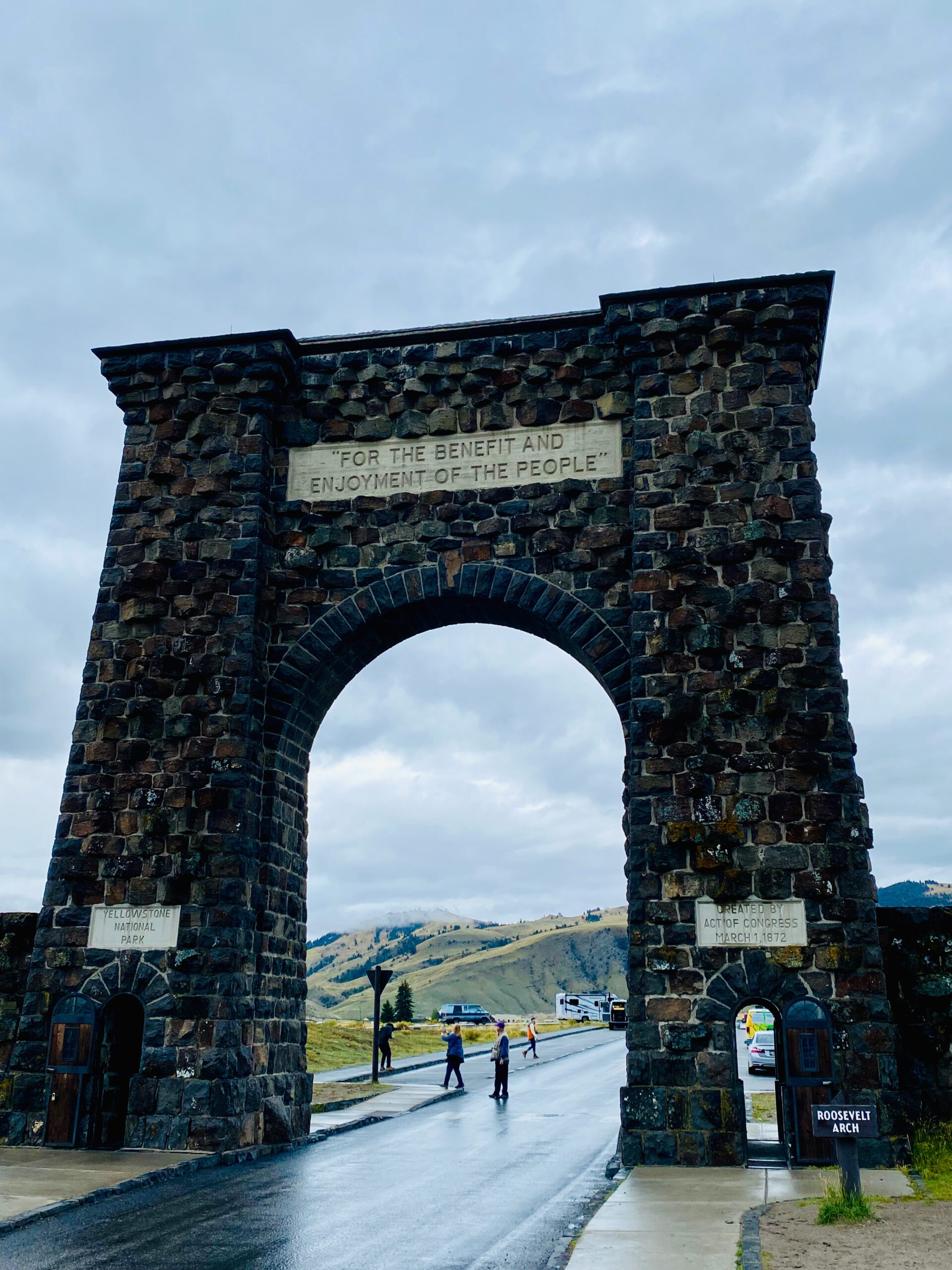
One of the most meaningful elements of Roosevelt Arch Yellowstone is the inscription carved into the stone. Above the roadway, the words read:
“For the Benefit and Enjoyment of the People”
This sentence comes directly from the 1872 act that established Yellowstone National Park. Seeing it in person adds context and gravity. The message still feels relevant today, reminding visitors that Yellowstone was created not for private ownership, but for everyone.
Architecture and Design of Roosevelt Arch Yellowstone
Roosevelt Arch Yellowstone is built from locally quarried basalt stone, giving it a rugged, natural look that blends with the surrounding landscape. The arch rises approximately 16 meters, about 52 feet, creating a surprisingly tall and solid structure when viewed up close.
On both sides of the main archway are smaller pedestrian passages with heavy wooden doors, a detail that adds character and hints at its early twentieth century origins. The design is intentionally rustic, meant to feel like part of the land rather than imposed upon it.
Visiting Roosevelt Arch Yellowstone Today
Roosevelt Arch Yellowstone is accessible 24 hours a day and completely free to visit. There is parking nearby, making it easy to stop, walk around, and take photos. Traffic no longer drives directly through the arch at speed, which improves safety and allows visitors to enjoy the site without stress.
During our visit, we saw elk the following day standing not far from the arch, calmly grazing near the road. Moments like that reinforce how closely history and wildlife are connected at Yellowstone’s north entrance.
Why Roosevelt Arch Yellowstone Is Worth the Stop
Roosevelt Arch Yellowstone may seem simple compared to geysers and hot springs deeper in the park, but it plays an important role in setting the tone. It represents conservation, early American park history, and the idea that nature should be protected and shared.
For anyone entering Yellowstone through Gardiner, Montana, stopping at Roosevelt Arch Yellowstone is more than a quick photo opportunity. It is a quiet, meaningful start to the journey ahead.