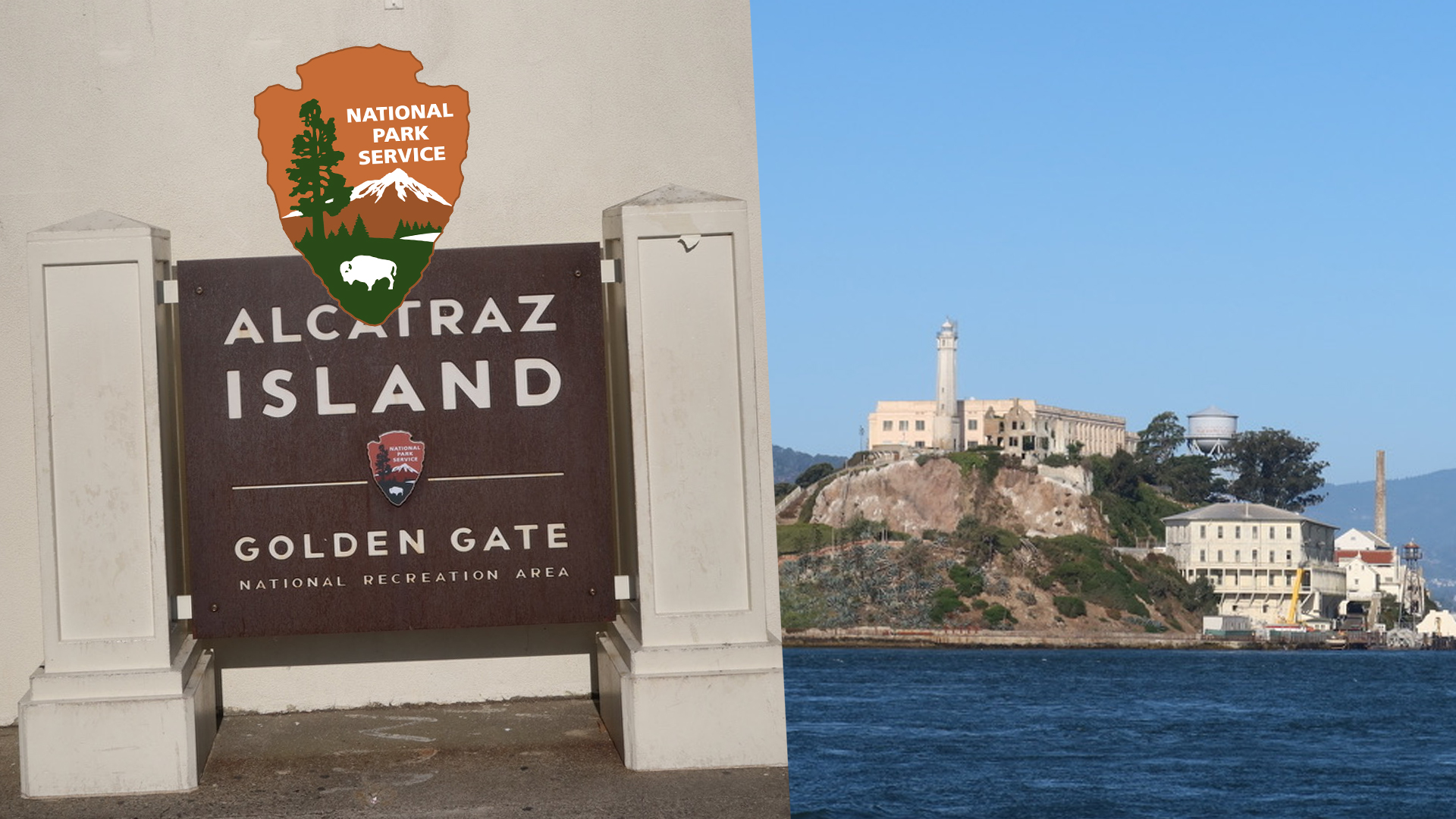


Alcatraz Island is one of those places that instantly triggers a certain feeling. Even before stepping onto the ferry, you already know this is not just another sightseeing stop. Alcatraz Island is history, isolation, resistance, and raw American storytelling all wrapped into one small rock in San Francisco Bay.
We visited Alcatraz Island on one of our final days in the United States, with a morning tour booked for November 10, 2023, at 9:20 AM. Knowing how popular Alcatraz Island is, booking in advance is absolutely essential. We took an Uber early in the morning to Pier 33, where Alcatraz City Cruises operates the only official ferry service to the island.
From the moment the boat left the pier, the city skyline slowly fading behind us, it became clear why Alcatraz Island has fascinated people for generations.


Arriving At Alcatraz Island
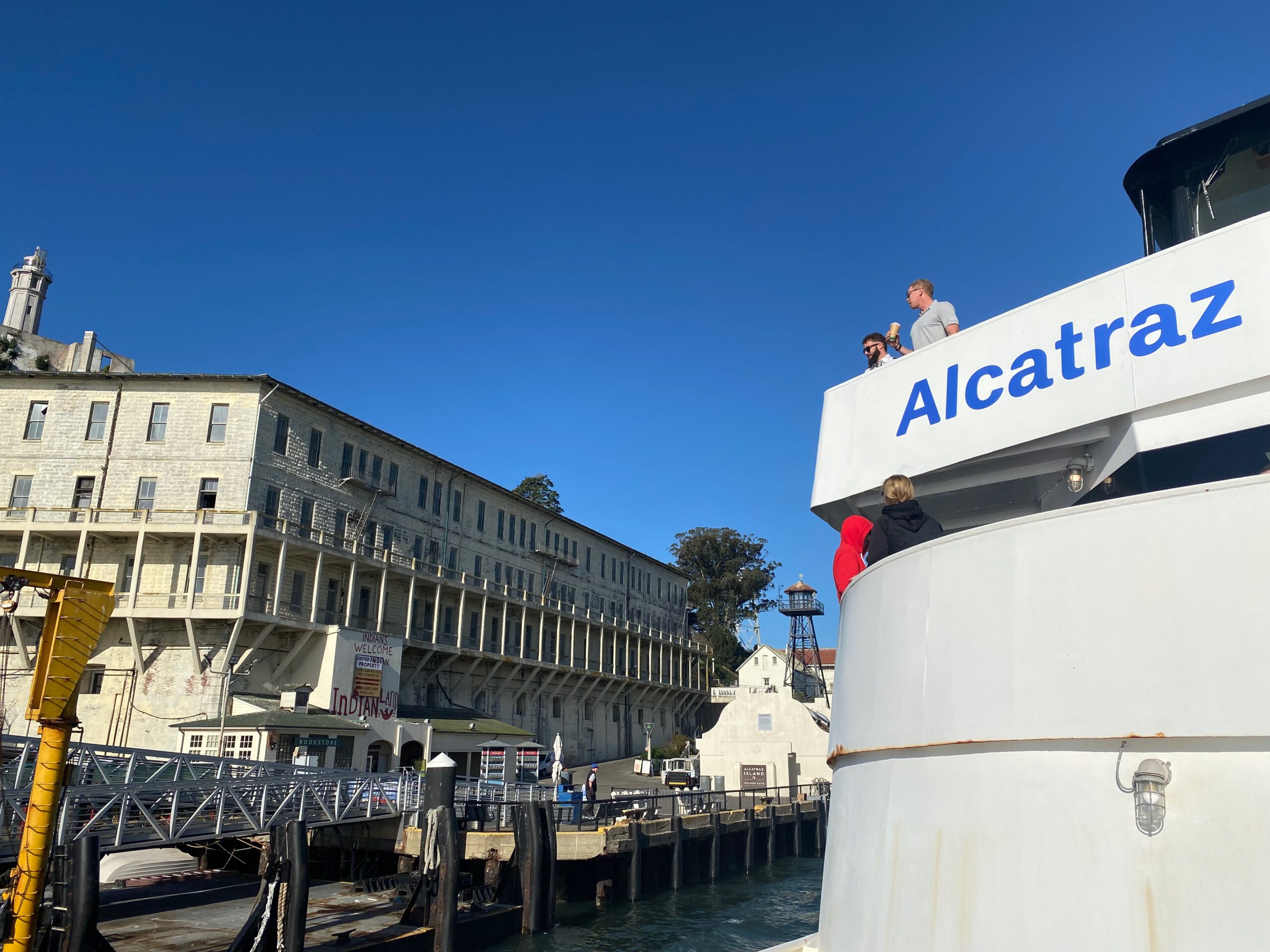
The ferry ride to Alcatraz Island is short, but it already sets the tone. Cold bay air, strong currents beneath the boat, and the island growing larger with every minute. When you arrive at the harbor, you step onto a wide square where National Park Service staff welcome visitors and explain how the island works.
You are free to explore Alcatraz Island at your own pace. The audio guide is optional but highly recommended. Right away, you can choose your preferred language, and there are many available, including English, Dutch, German, French, Japanese, Chinese, and more.
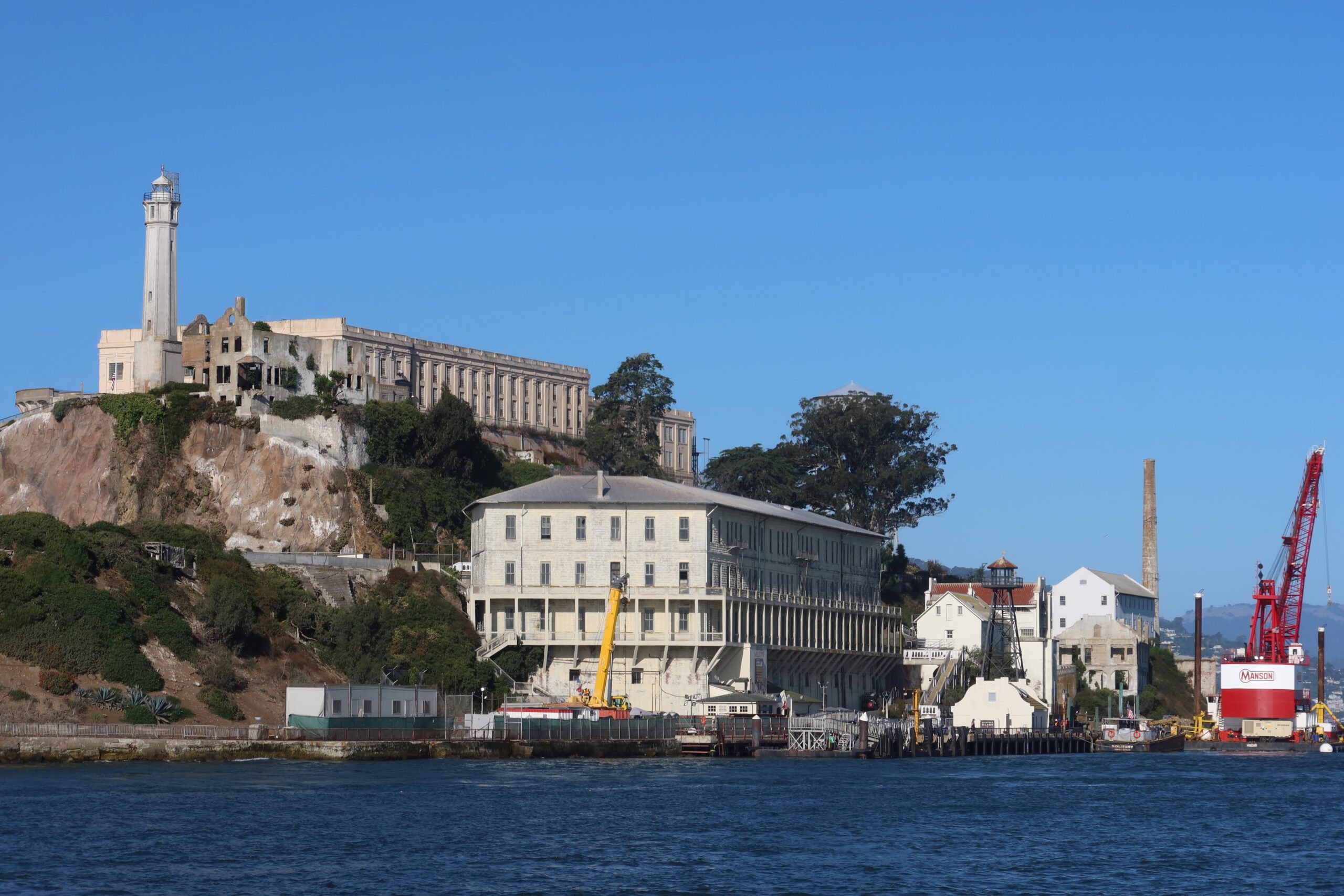
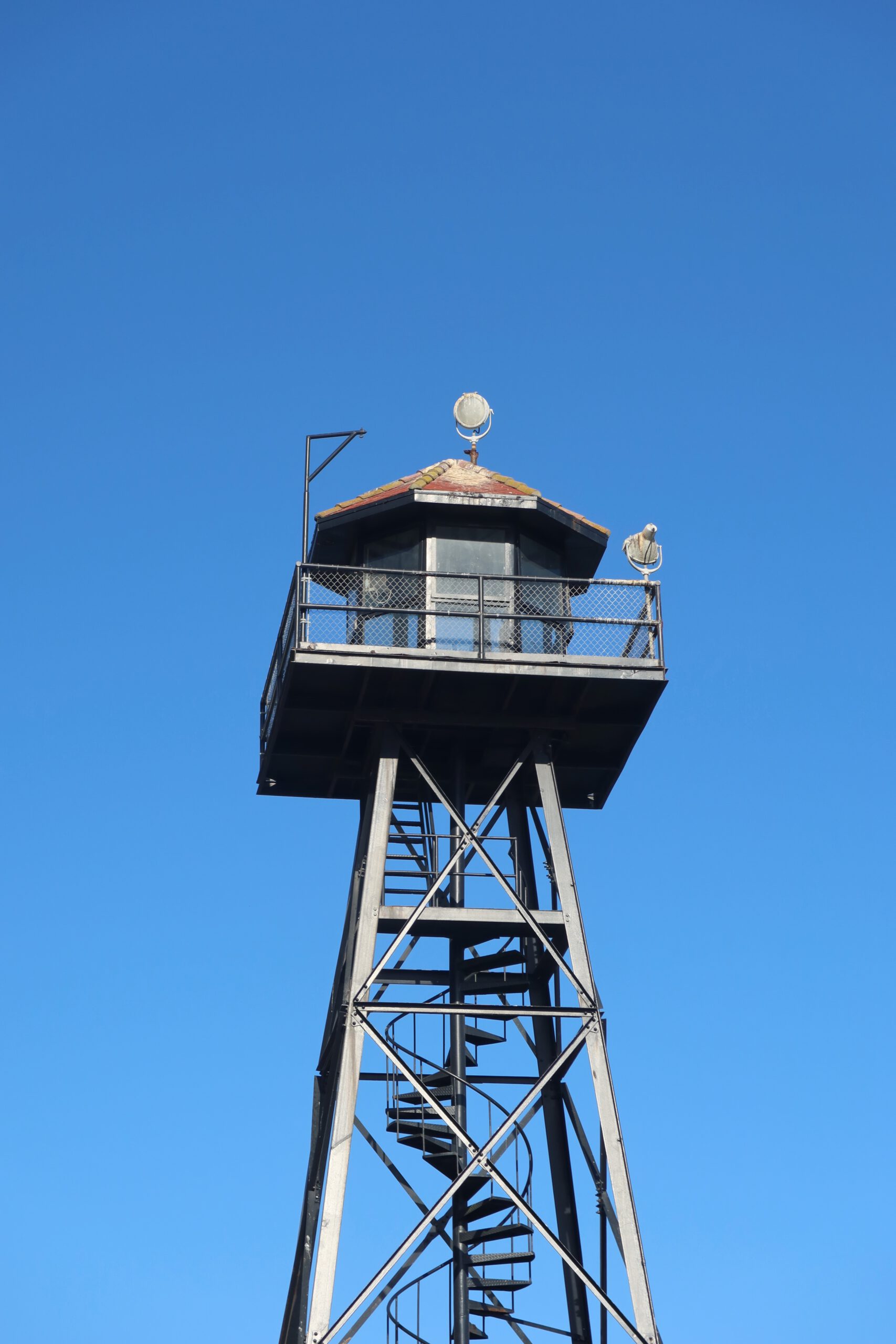
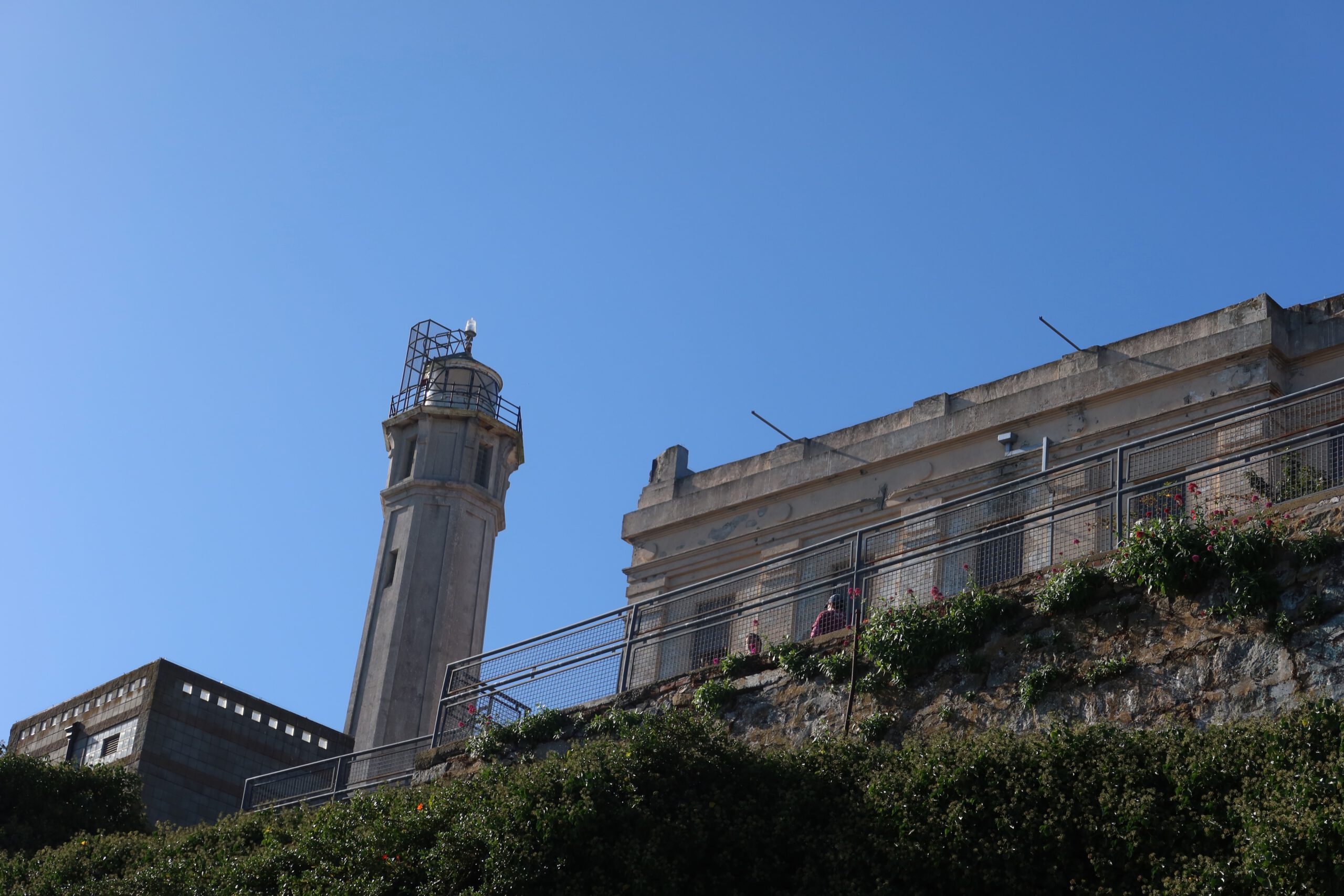
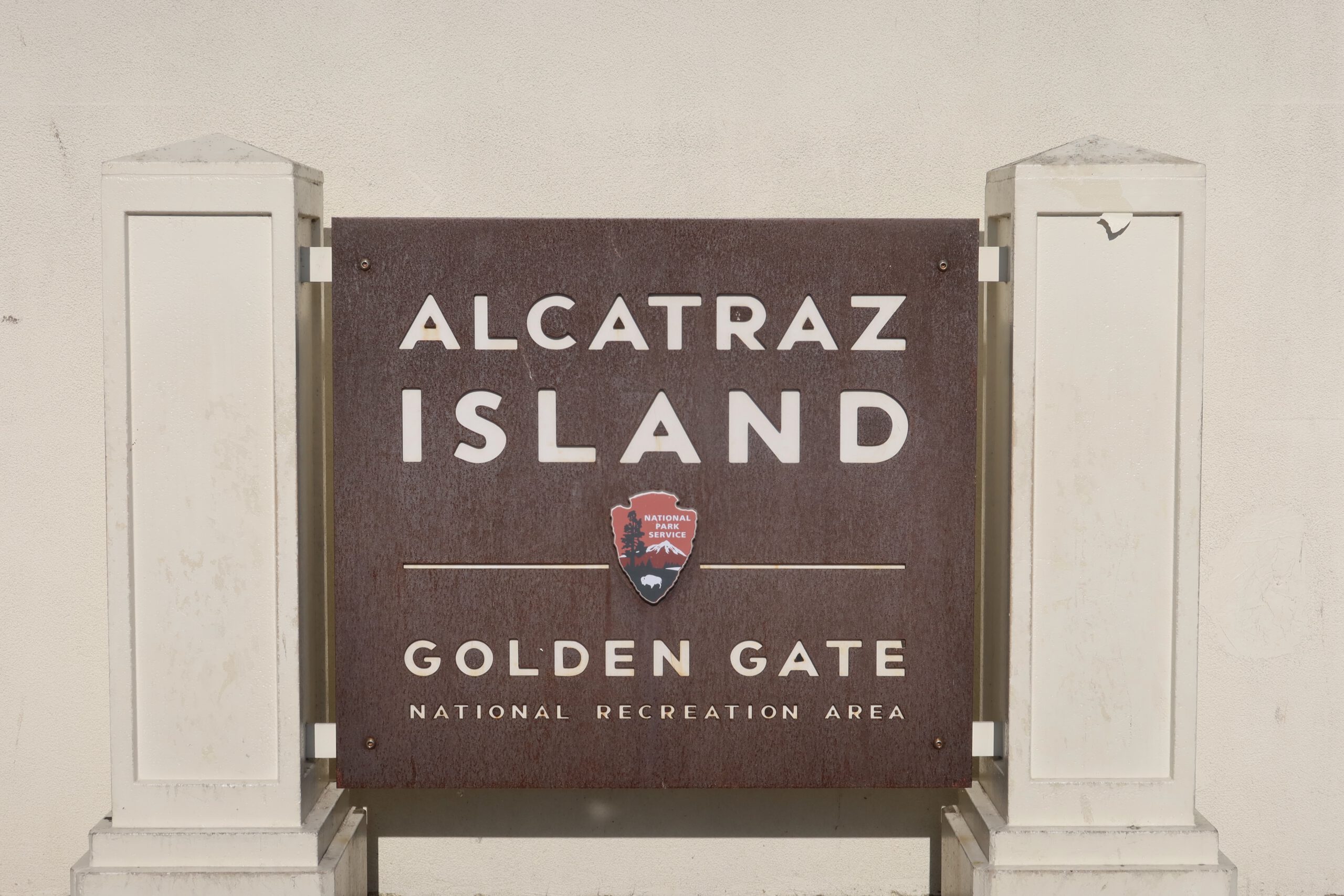
From the arrival square, you already have a clear view of the Guard Tower and the Main Cell House. Nearby you will find the National Park Service signage and a bookstore that focuses heavily on history, civil rights, and the deeper meaning of the island.
The Early History Of Alcatraz Island
Long before Alcatraz Island became a prison, it already played an important role in American history. Originally used by Indigenous peoples, the island later became a military fortification in the mid nineteenth century. Due to its strategic location in San Francisco Bay, Alcatraz Island was fortified to protect the harbor during the American Civil War.
It also housed the first operational lighthouse on the West Coast of the United States. This lighthouse still stands today and remains one of the oldest active lighthouses in the country.
Over time, Alcatraz Island evolved from military defense to military prison. Its isolation and cold waters made it an ideal location for detaining prisoners long before it became a federal penitentiary.
Walking Toward The Guardhouse And Powerhouse
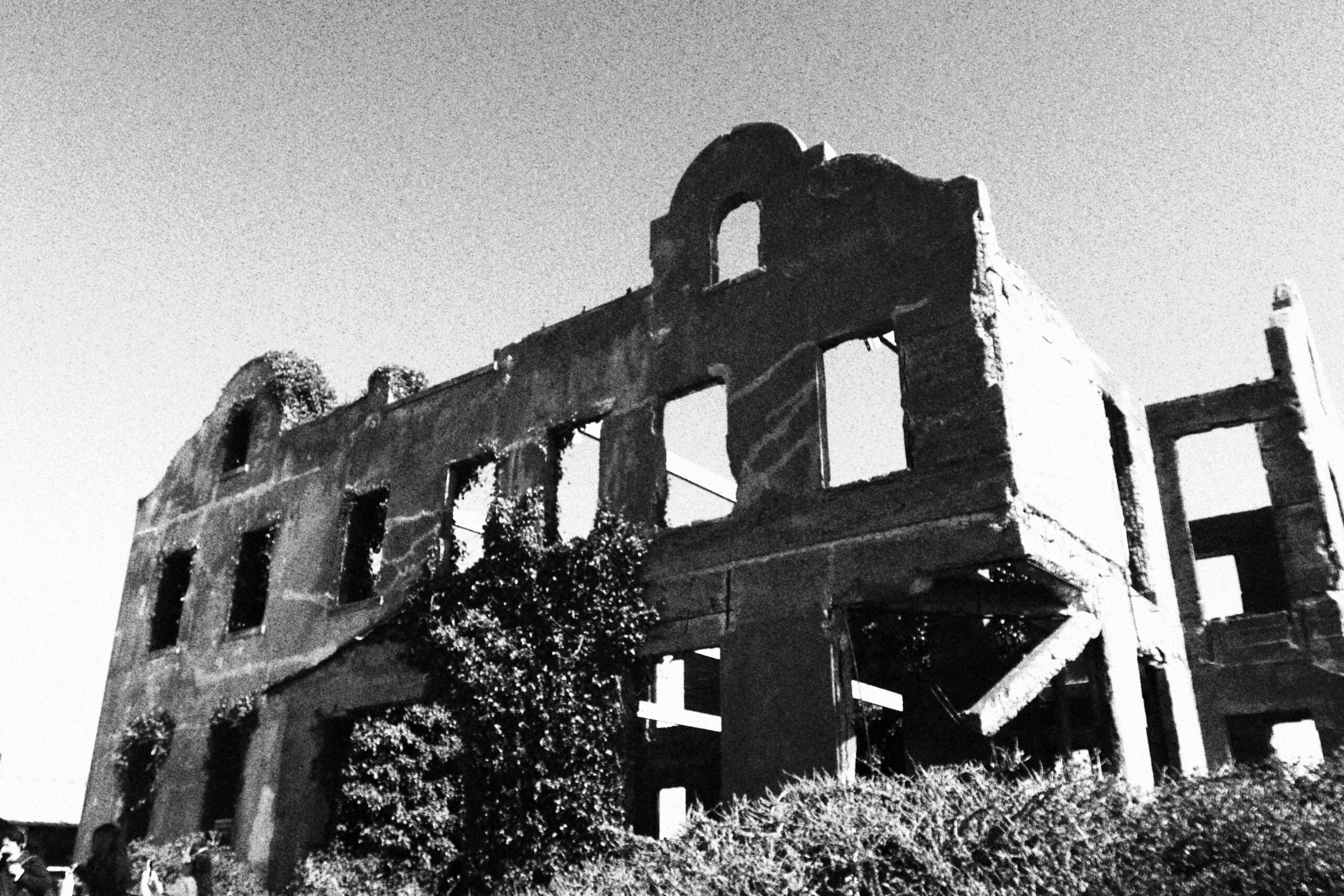
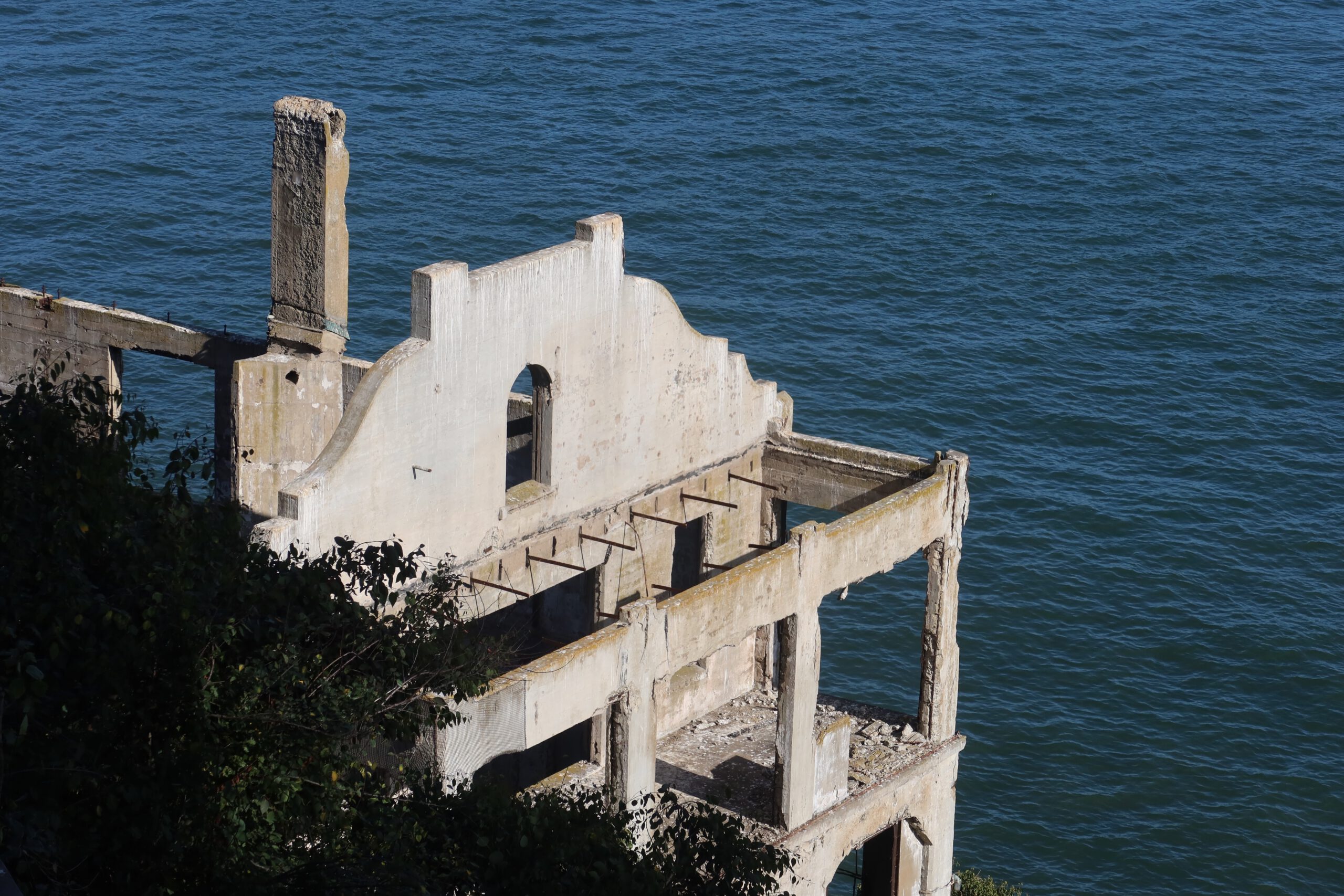
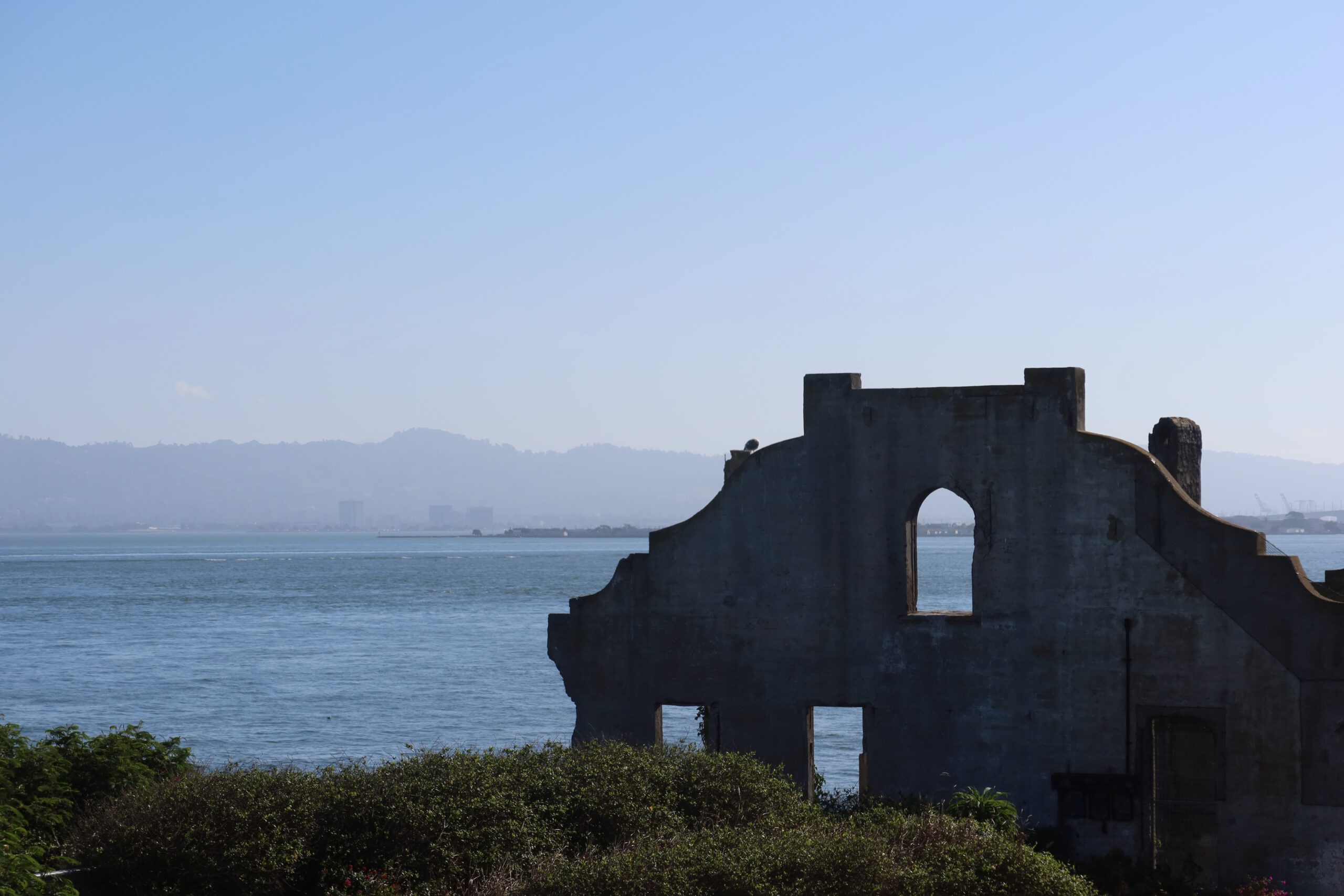
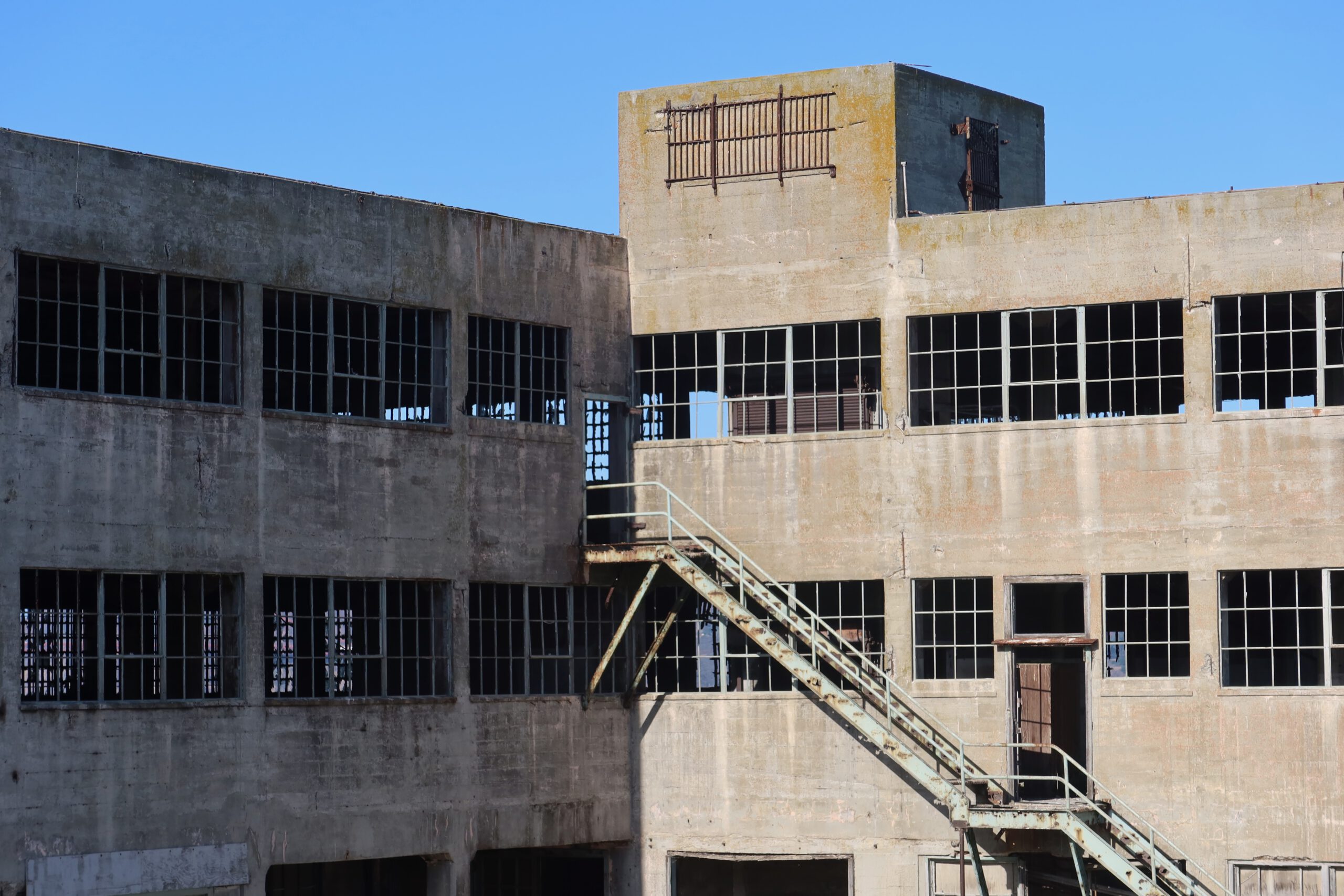
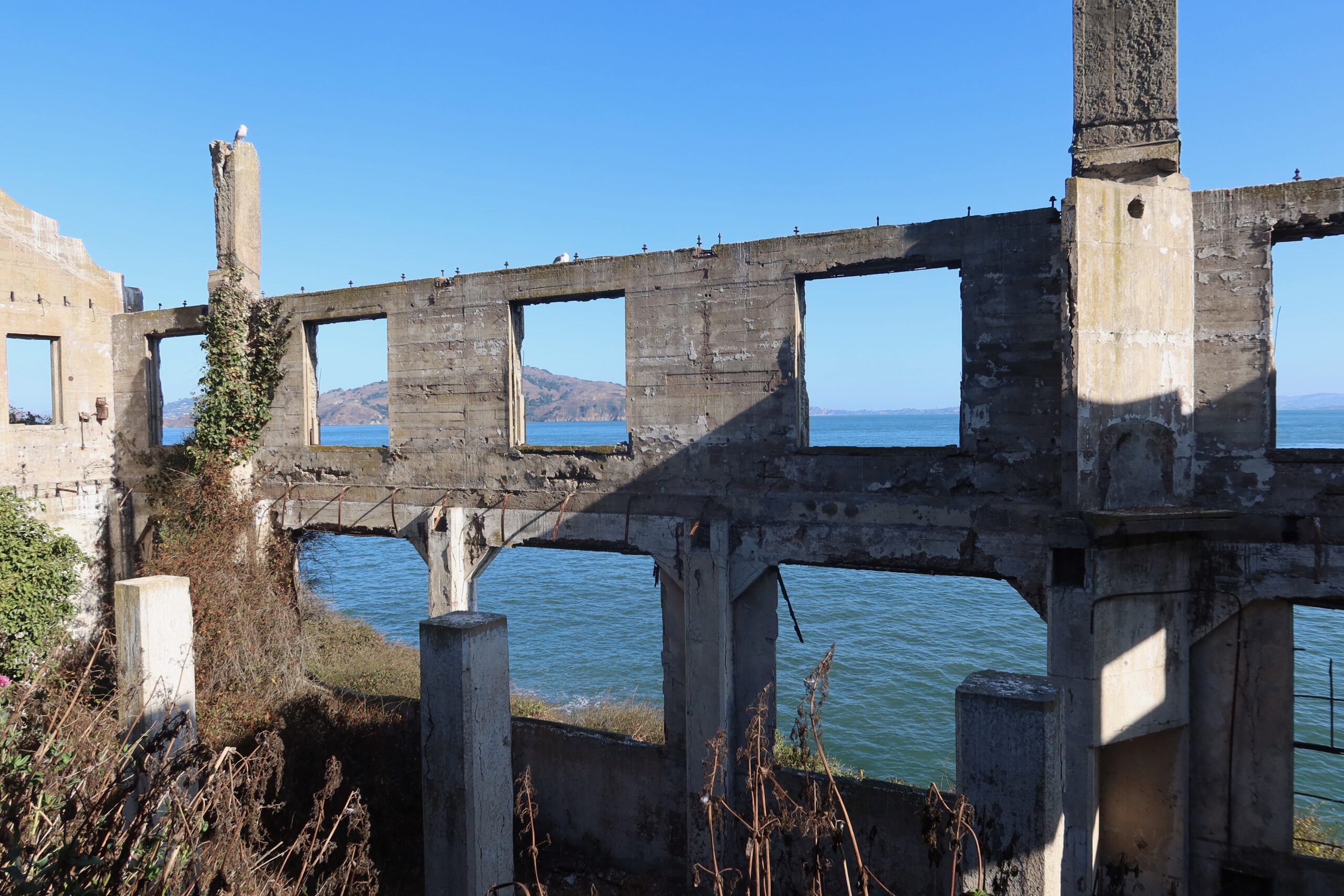
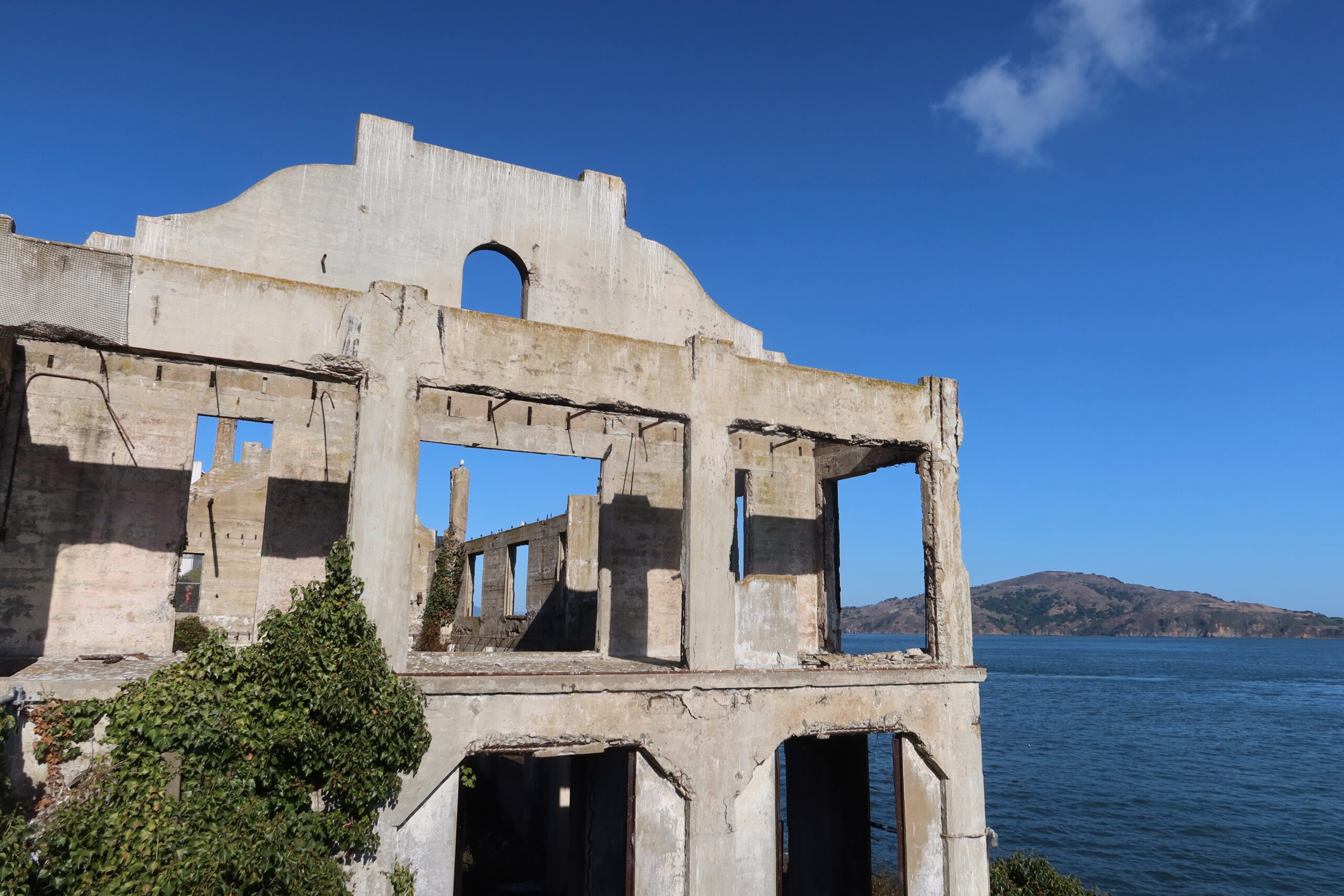
After orientation, we walked uphill toward the Alcatraz Island Guardhouse. Along this route, you pass remnants of old buildings and skeletal ruins that quietly tell stories of earlier eras. The island feels layered, as if multiple chapters of American history exist at the same time.
Further along, you reach the Powerhouse, which once generated electricity for the entire island. Standing here gives you a real sense of how self contained Alcatraz Island had to be. Everything from power to fresh water had to be carefully managed and transported.
From the Powerhouse, the path continues toward the Main Cell House, the most iconic structure on Alcatraz Island.
Inside The Main Cell House
The Main Cell House is where Alcatraz Island truly comes alive. We chose the Dutch version of the audio tour, and it immediately pulled us into the experience. The narration includes real voices of former guards and inmates, creating an immersive and often emotional journey.

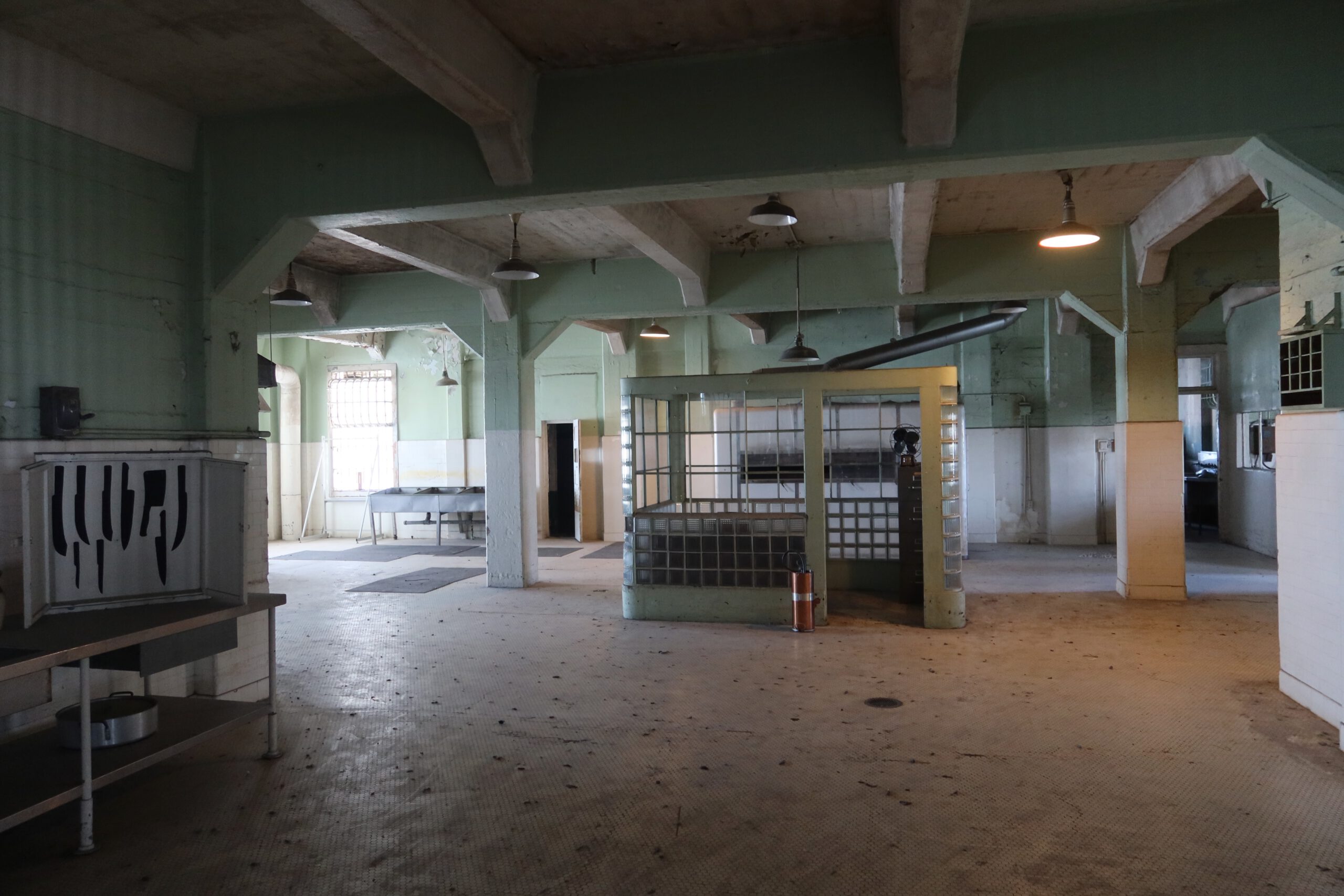
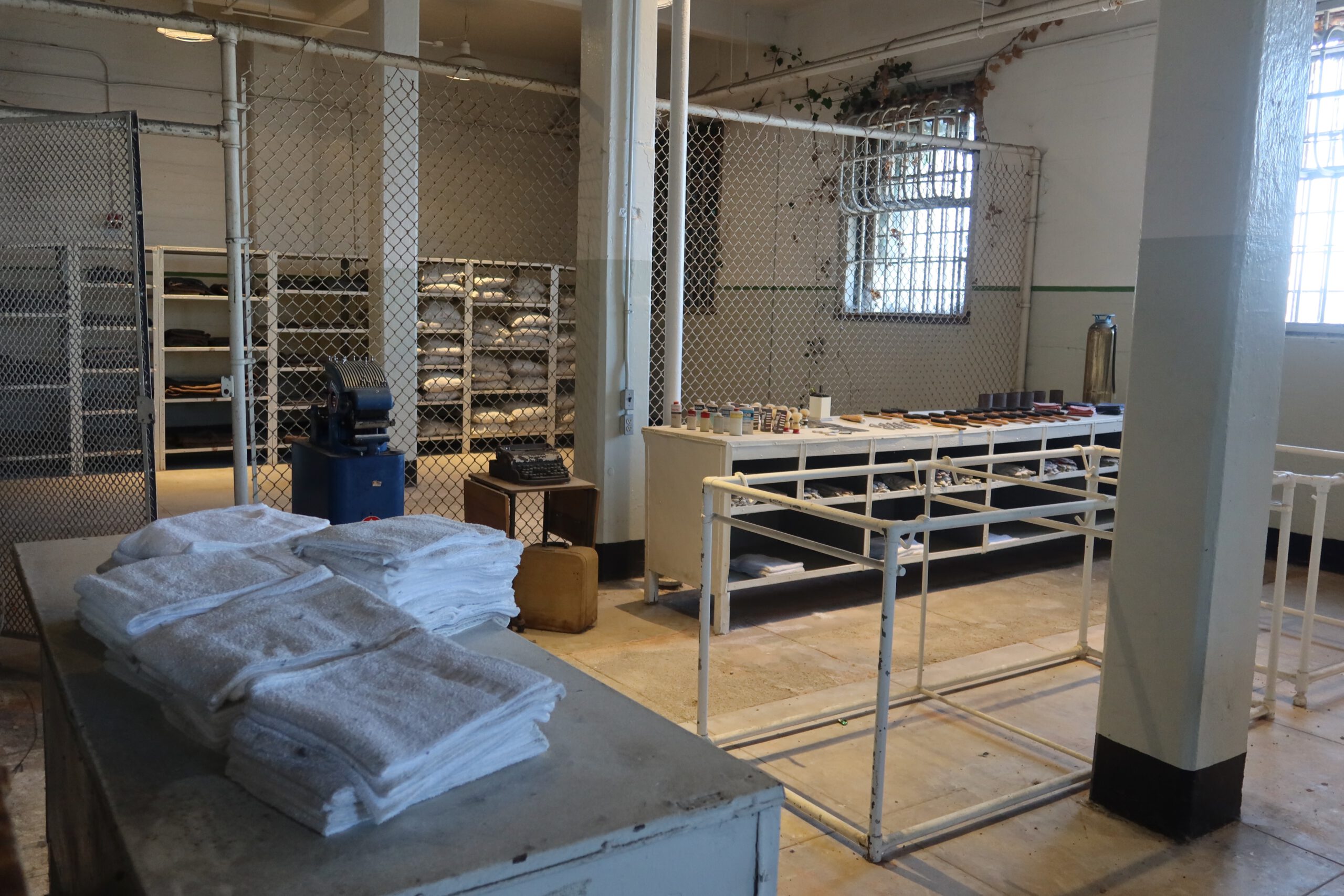
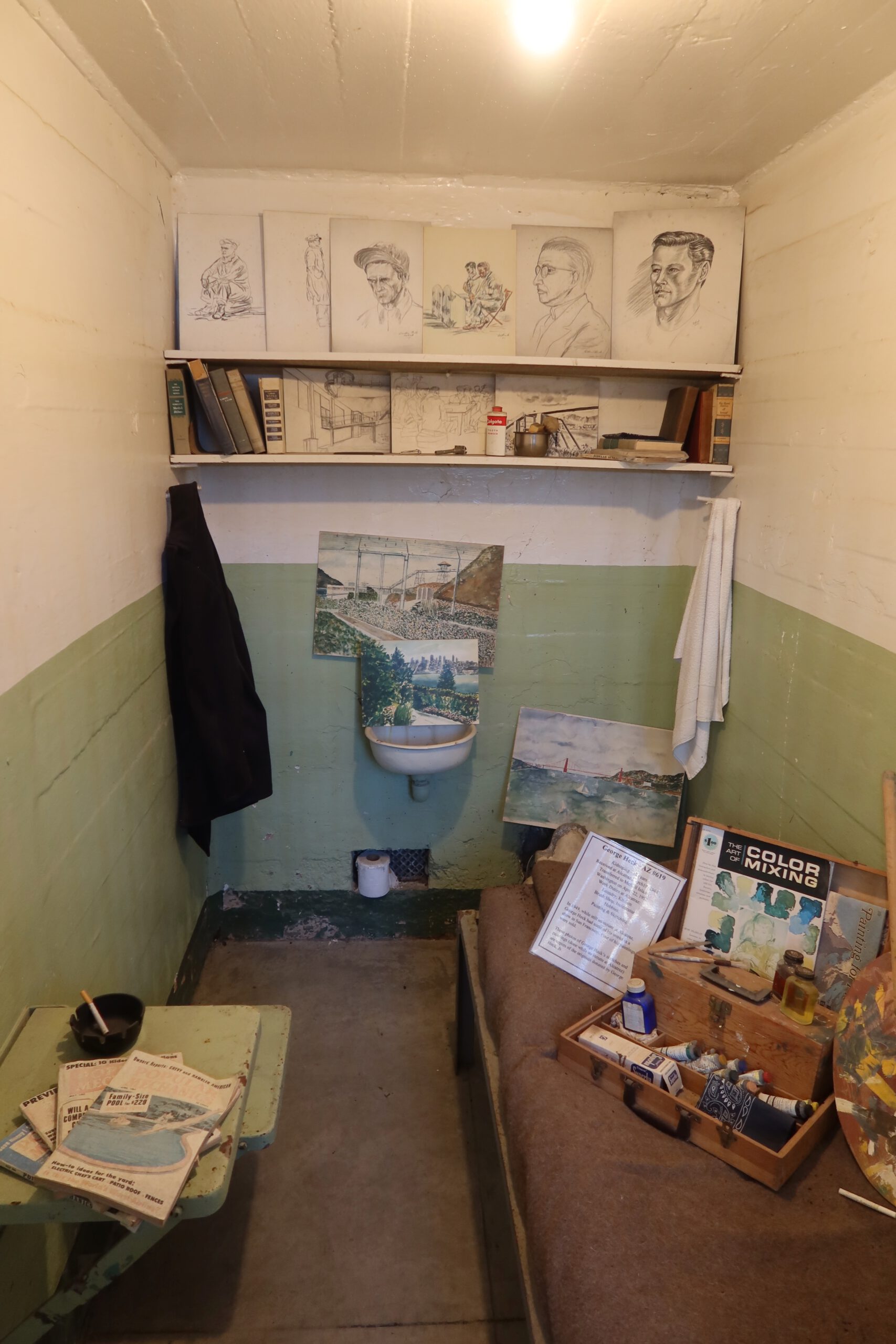
You walk through narrow corridors lined with cells, each one small, cold, and unforgiving. The audio tour explains daily routines, punishments, and the psychological weight of isolation. You also visit D Block, where solitary confinement was used as punishment.
One of the most striking moments is seeing the recreated escape scenes inside the original cells. Dummy heads made of paper mache still lie on beds, exactly where prisoners placed them to fool guards during night checks.


The Famous Escape From Alcatraz
No visit to Alcatraz Island is complete without learning about the most famous escape attempt. In June 1962, Frank Morris and brothers John and Clarence Anglin carried out an escape plan that remains one of America’s greatest mysteries.
Using spoons, makeshift tools, and incredible patience, they widened ventilation ducts behind their cells. They crafted realistic dummy heads and built a raft using raincoats stitched together. One night, they disappeared into the cold waters of San Francisco Bay.
Officially, the men were declared missing and presumed drowned. However, no bodies were ever found. Evidence discovered years later suggests they may have survived, fueling endless speculation. Standing in those cells, hearing the story in the exact place where it happened, is genuinely chilling.
Life Beyond The Prison Walls
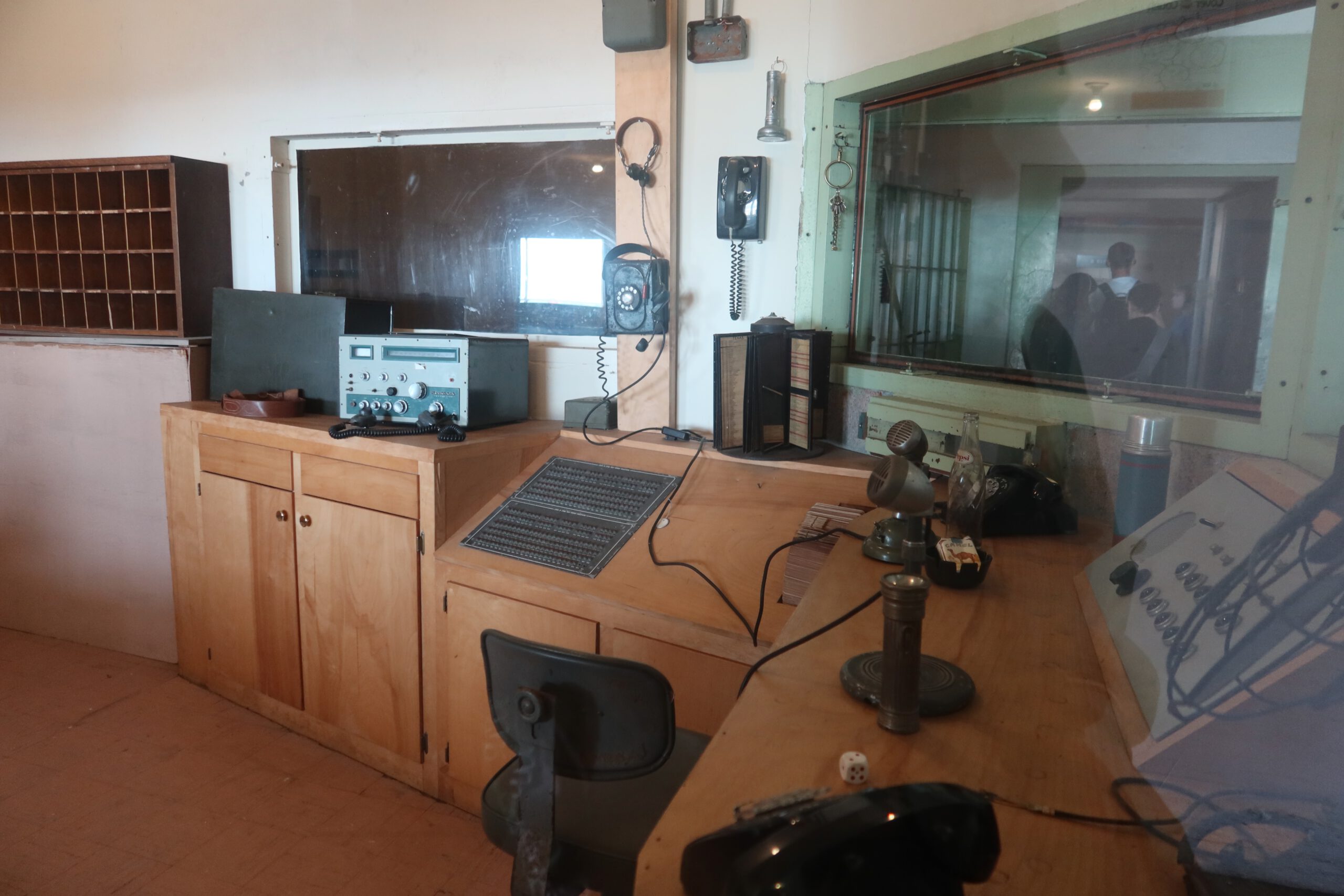
Alcatraz Island was not only a prison for inmates. Correctional officers and their families lived on the island as well. Children attended school, played baseball, and lived relatively normal lives despite the surroundings.
This contrast between family life and maximum security imprisonment adds another emotional layer to the island. Alcatraz Island was a community, not just a prison.
Exploring The Island Grounds
Outside the Cell House, there is much more to explore. You can walk past the Recreation Yard, where inmates exercised while staring at the San Francisco skyline, so close yet completely unreachable.
There are also gardens on Alcatraz Island, surprisingly colorful and peaceful. These gardens were maintained by both inmates and staff families and now provide a striking contrast to the harsh concrete structures.
Indian Land, Resistance And Activism
One of the most powerful chapters of Alcatraz Island’s history has nothing to do with the prison itself. From 1969 to 1971, the island was occupied by Native American activists from the group Indians of All Tribes.
They claimed Alcatraz Island based on treaty rights and used the occupation to protest federal policies toward Indigenous peoples. The occupation lasted nineteen months and became a turning point for Native American civil rights movements across the United States.
Today, traces of this occupation are still visible. Graffiti remains on walls, and exhibits tell the story of resistance, resilience, and activism. The Welcome to Indian Land exhibition highlights this period in a respectful and powerful way, reminding visitors that Alcatraz Island is also a symbol of Indigenous sovereignty and protest.
This part of the island left a strong impression on us. It adds depth and relevance, connecting past injustice with ongoing conversations about rights and recognition.
Souvenir Shops, A Small Letdown
There are two souvenir shops on Alcatraz Island, and while the selection is interesting, we did notice some quality issues. The clothing, especially T shirts, felt thin and oddly shaped. Our Alcatraz shirt fits strangely, with uneven sleeves and an overall awkward cut.
That said, we did pick up Alcatraz key souvenirs, which felt more fitting as keepsakes. The historical books and prints in the bookstore are also worth browsing if you are interested in deeper context.

Heading Back To San Francisco
After exploring the island, time passes quickly. Before you know it, you are boarding the ferry back to Pier 33. The return trip gives you one last look at Alcatraz Island, now quieter, but still heavy with stories.
Within minutes, you are back on the San Francisco waterfront, surrounded by city noise and movement. The contrast makes the experience even more impactful.
Why Alcatraz Island Is A Must Visit
Alcatraz Island is not just about crime or punishment. It is about isolation, resilience, justice, resistance, and the human spirit. From military fort to federal prison, from escape legends to Indigenous activism, Alcatraz Island represents multiple layers of American history in one place.
Visiting Alcatraz Island is confronting, emotional, and unforgettable. It stays with you long after you leave.
If you are visiting San Francisco, Alcatraz Island is not optional. It is essential.

Final short summary
Alcatraz Island is a layered historical landmark combining prison history, famous escape stories, Indigenous activism, and powerful storytelling. The audio tour and original settings make the experience intense and immersive. This is one of the most meaningful visits you can make in San Francisco.