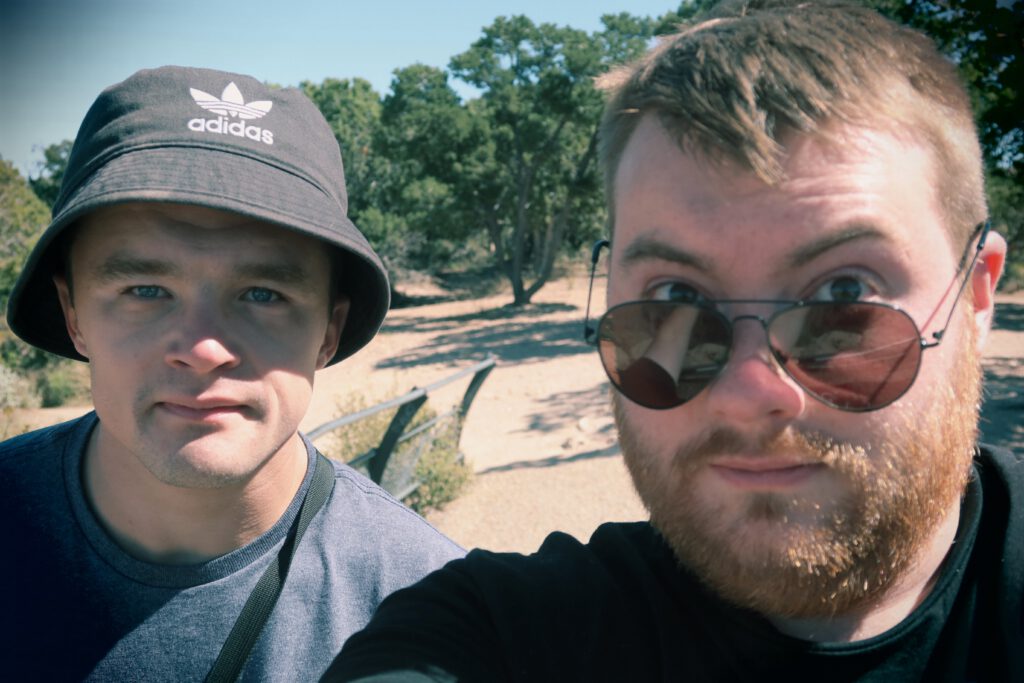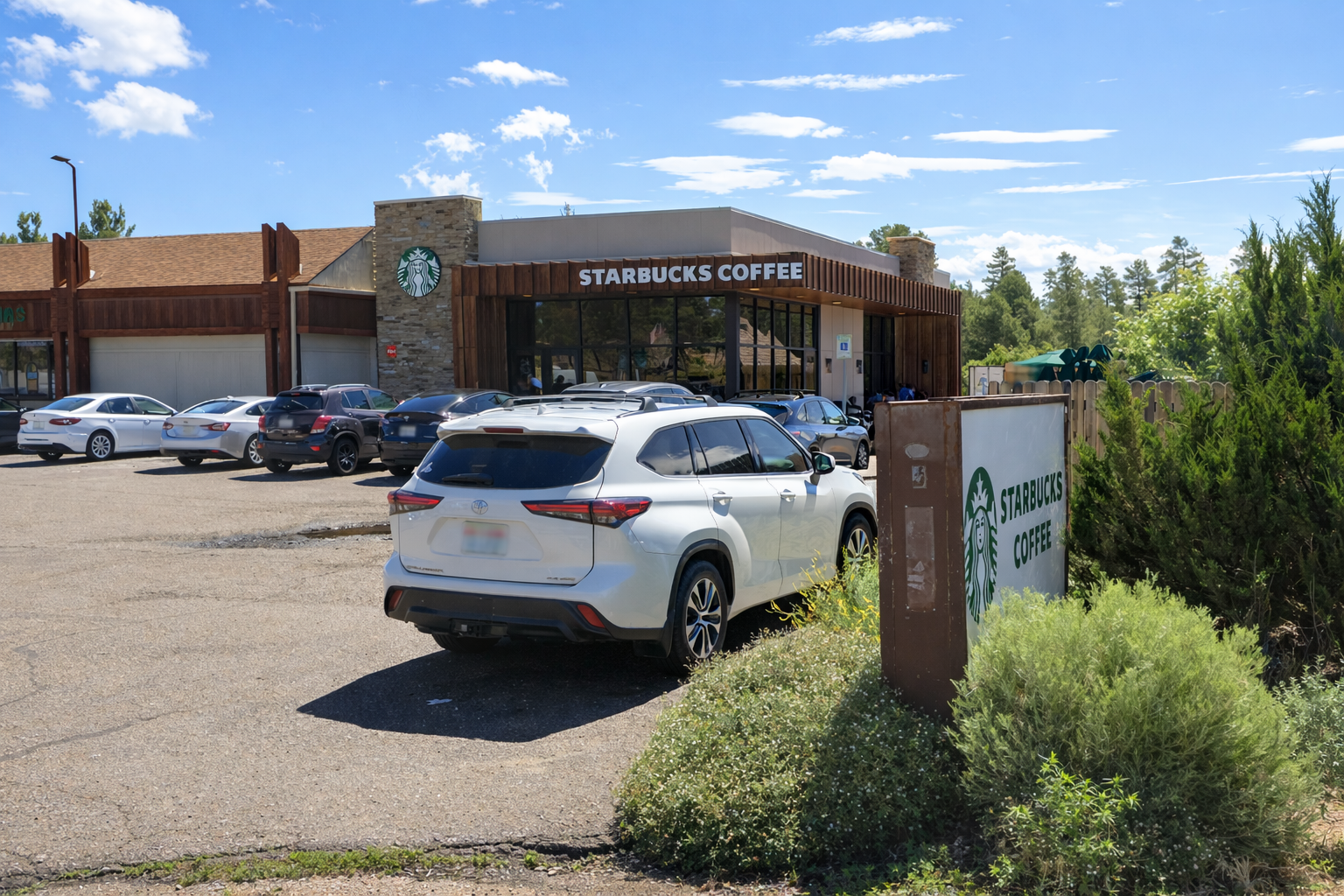
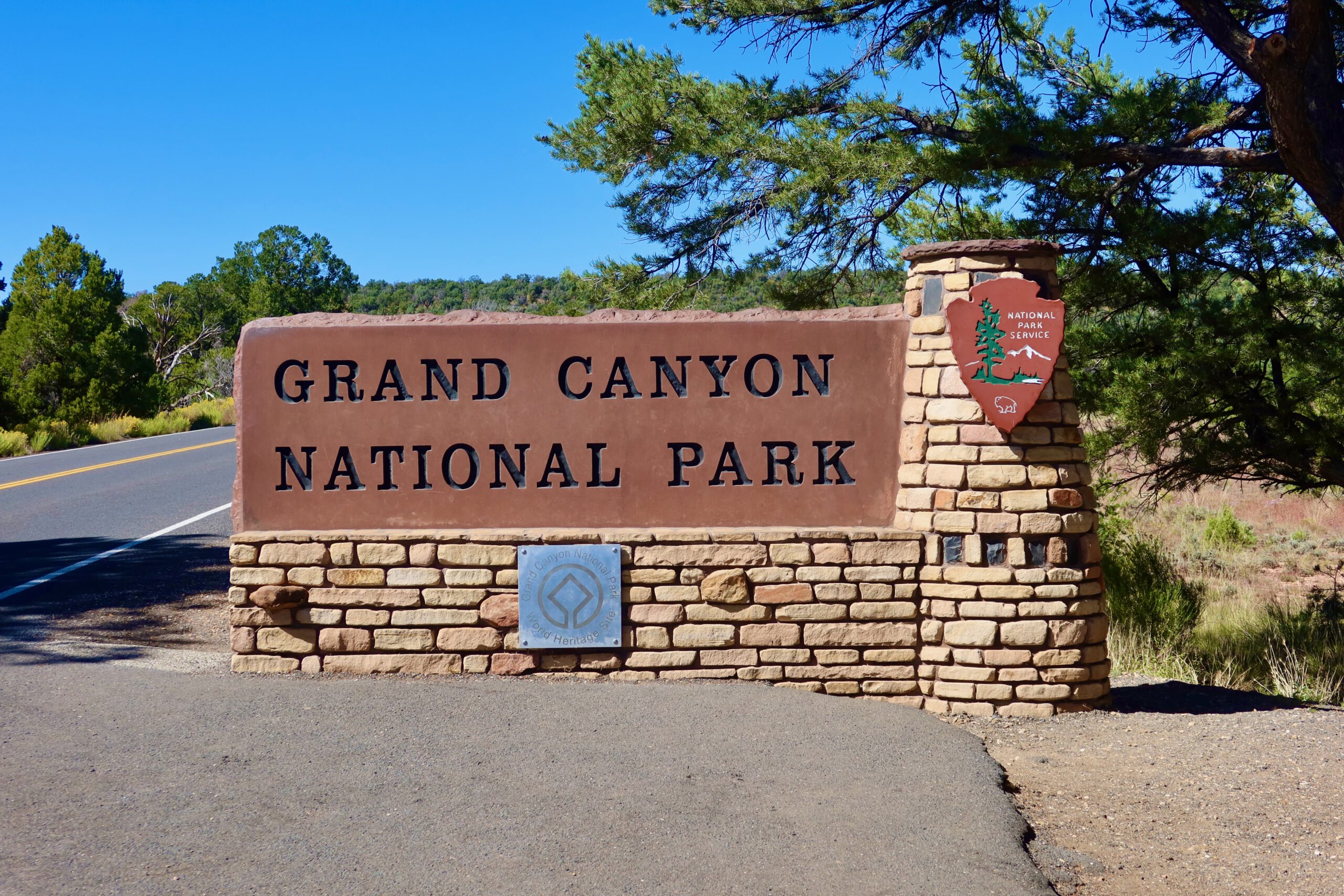


Grand Canyon National Park was the first major stop of our day after grabbing coffee and breakfast at the Starbucks near the South Rim entrance. Starting the morning there gave us the energy and calm mindset needed before entering one of the most iconic landscapes in the United States. From the moment you leave Tusayan and head toward the park gates, the scale of Grand Canyon National Park slowly begins to reveal itself.
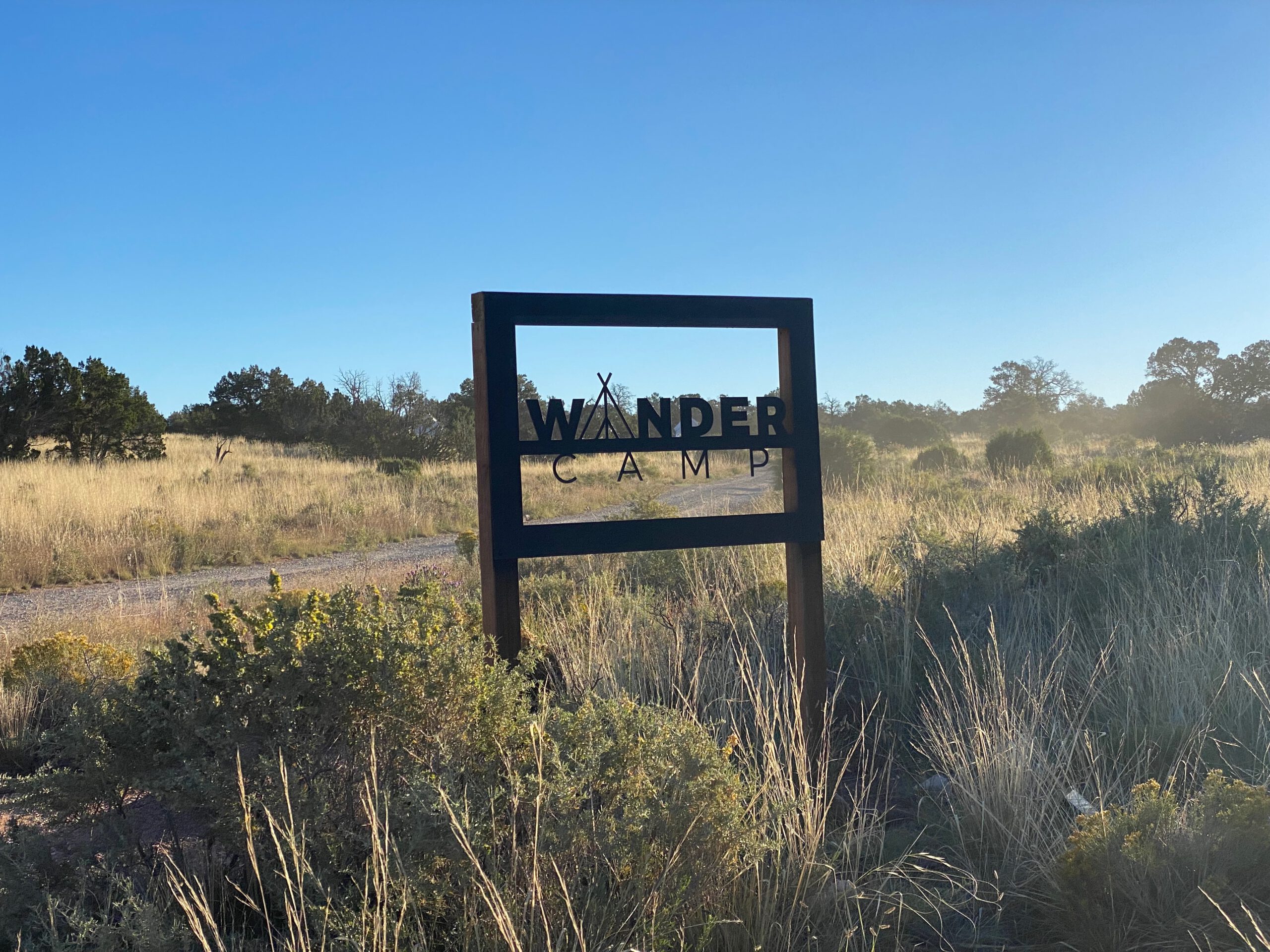
We left Wander Camp Ground to go to our visit in this National Park.
The History of Grand Canyon National Park
From Ancient Geology to Protected Landmark
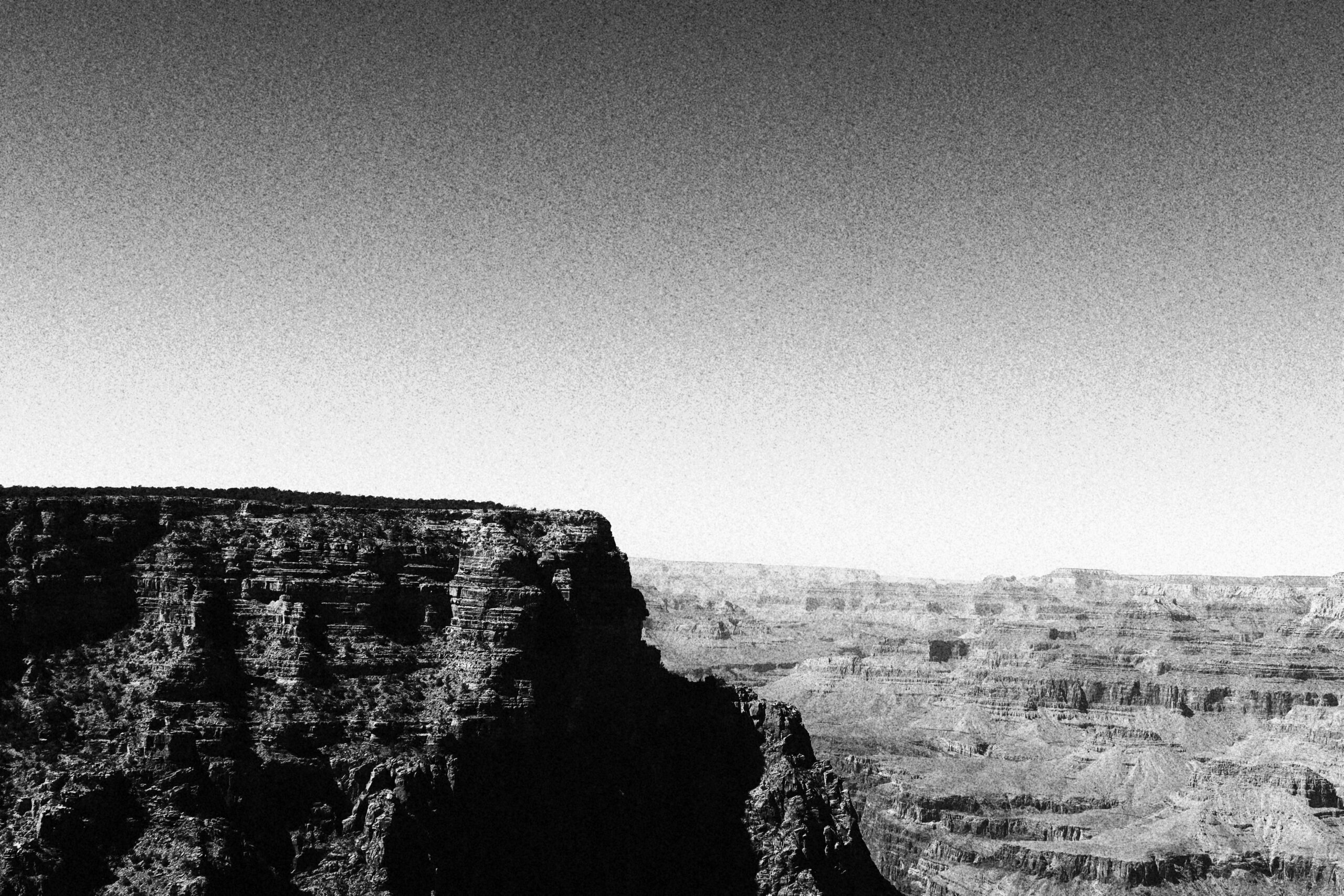
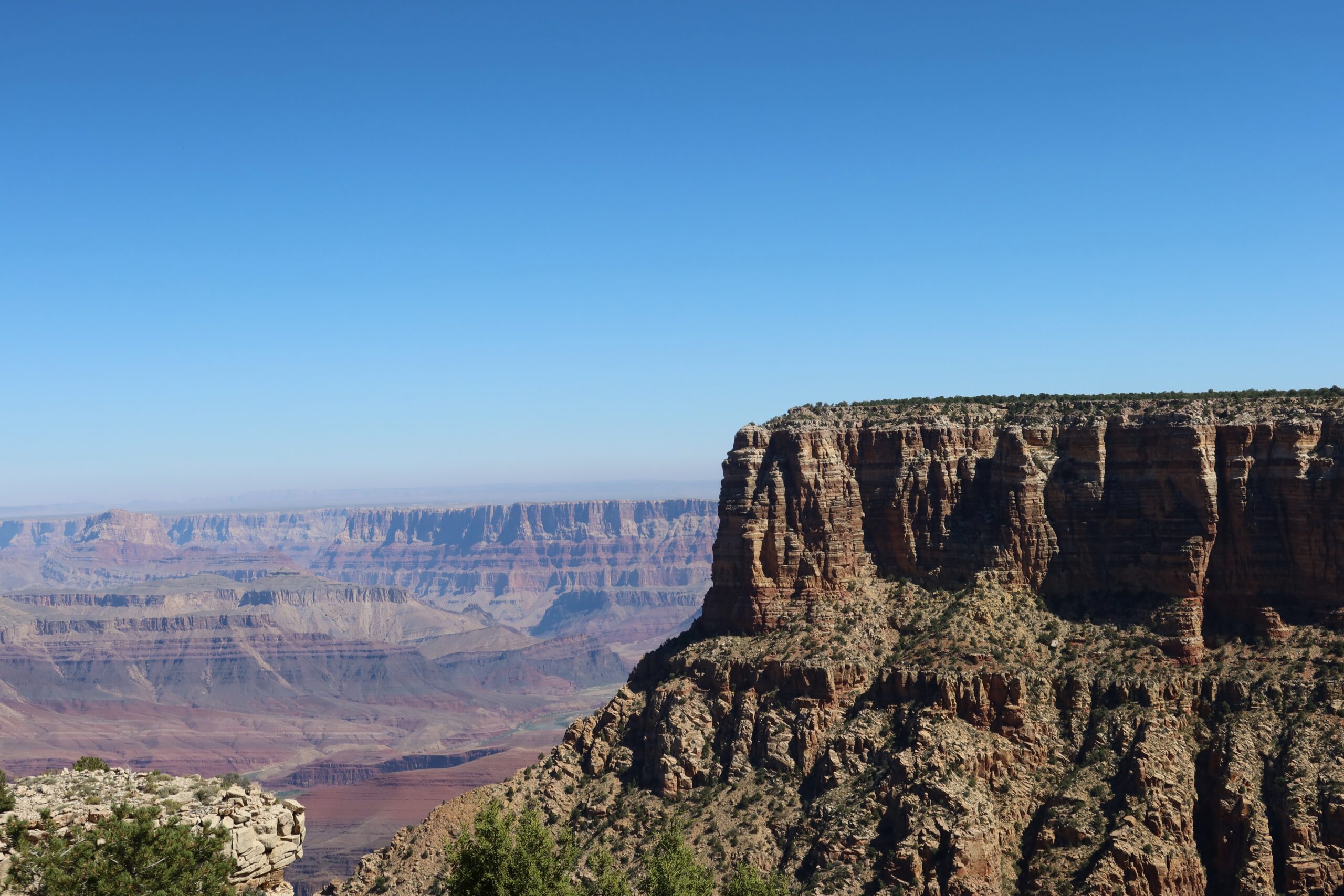
Grand Canyon National Park is not only vast in size but also deep in history. The canyon itself was carved by the Colorado River over millions of years, exposing layered rock formations that date back nearly two billion years. Long before modern tourism, Indigenous tribes such as the Hopi, Havasupai, Hualapai, Navajo, and Pueblo peoples lived in and around the canyon, forming deep cultural and spiritual connections to the land.
The Birth of a National Park
In the late 1800s, railroads brought increased access and attention to the canyon. Conservation efforts followed, strongly supported by President Theodore Roosevelt, who famously urged the nation to preserve the canyon without altering its natural beauty. Grand Canyon National Park officially became a national park in 1919 and has since become one of the most visited National Park Service locations in the country.

The Role of the National Park Service
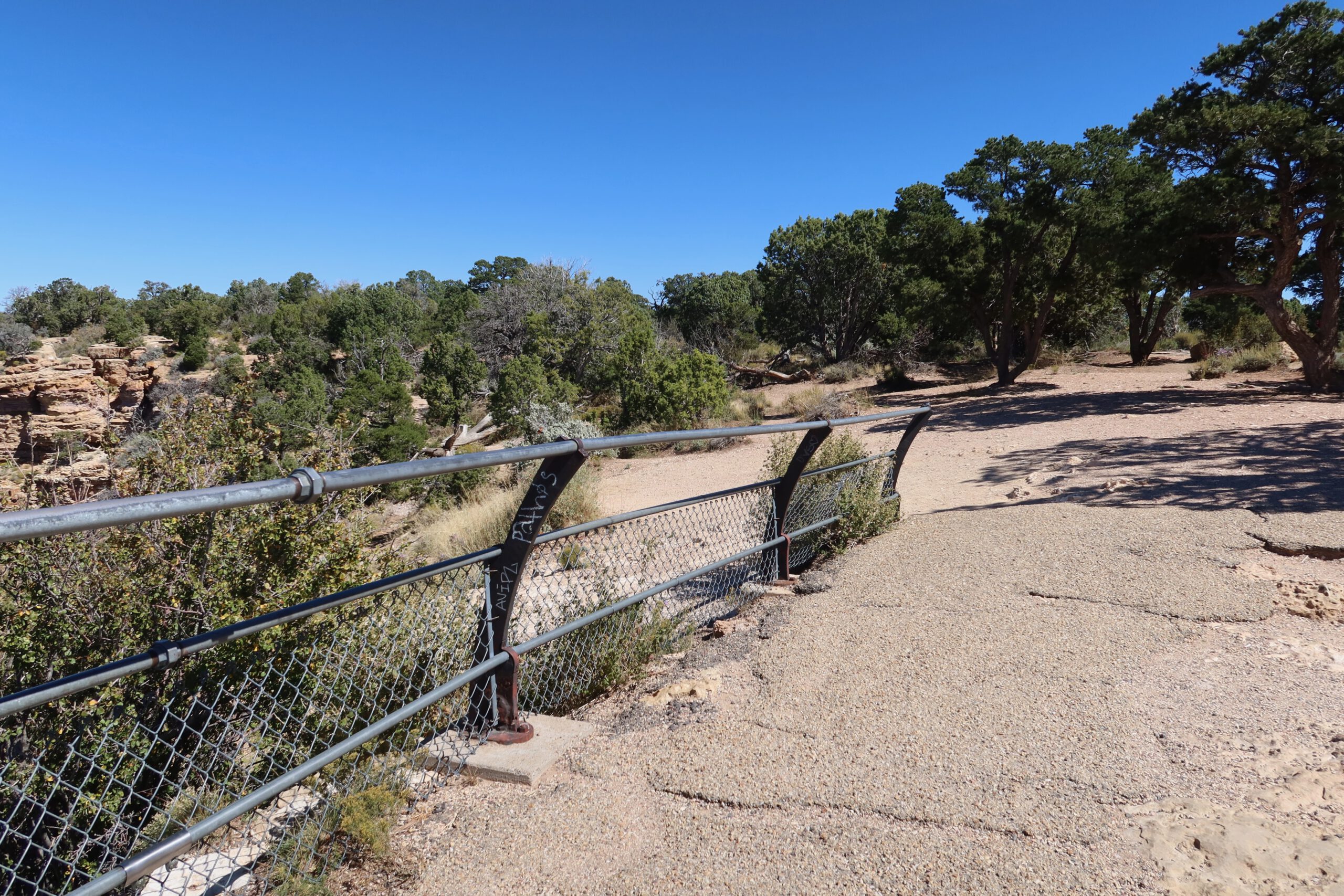
The National Park Service manages Grand Canyon National Park with a strong focus on preservation, visitor safety, and education. Rangers play an essential role, offering guidance, enforcing conservation rules, and helping visitors understand the fragile environment they are exploring.
Things to Do Inside Grand Canyon National Park
Scenic Viewpoints and Lookouts
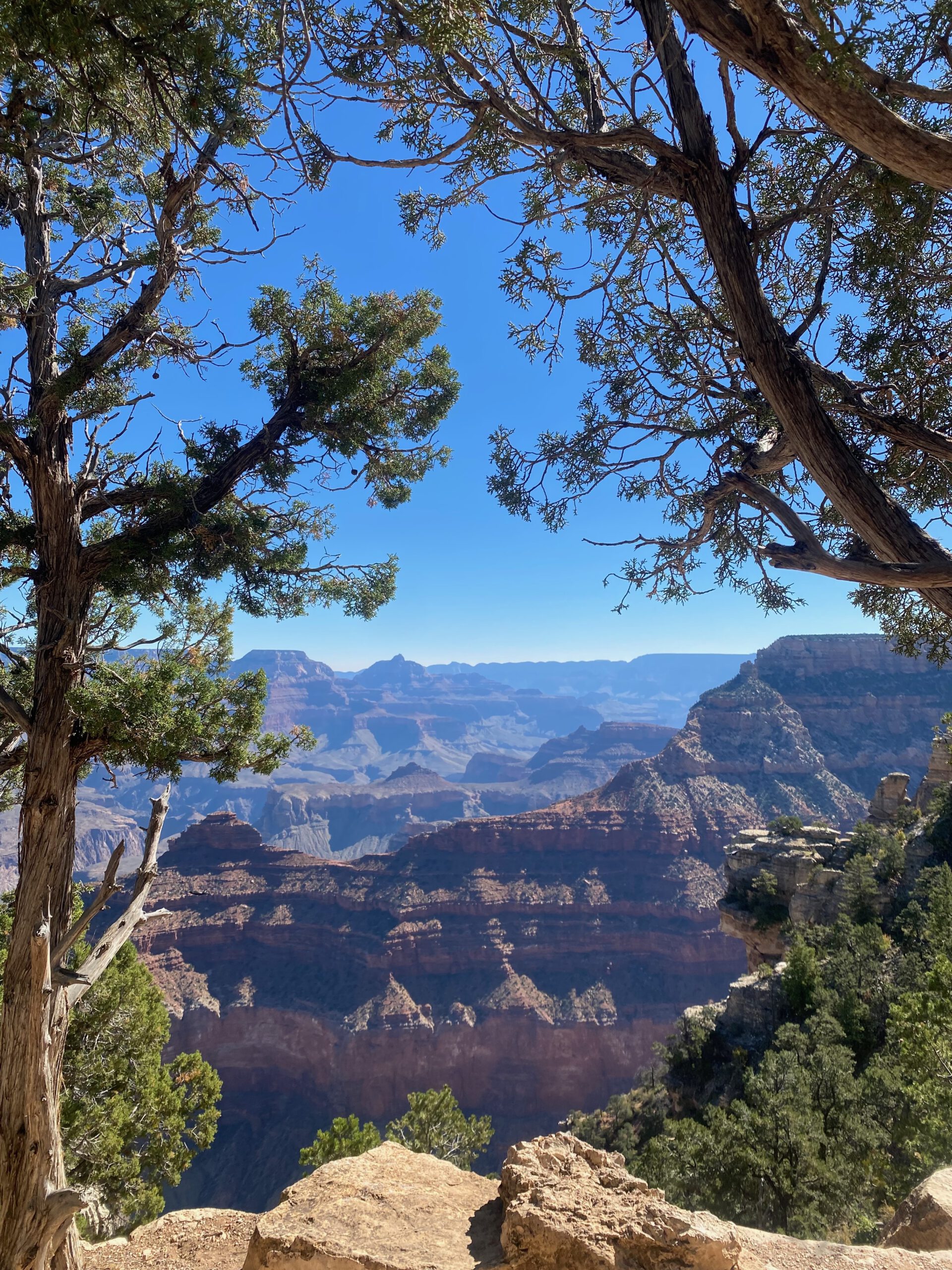
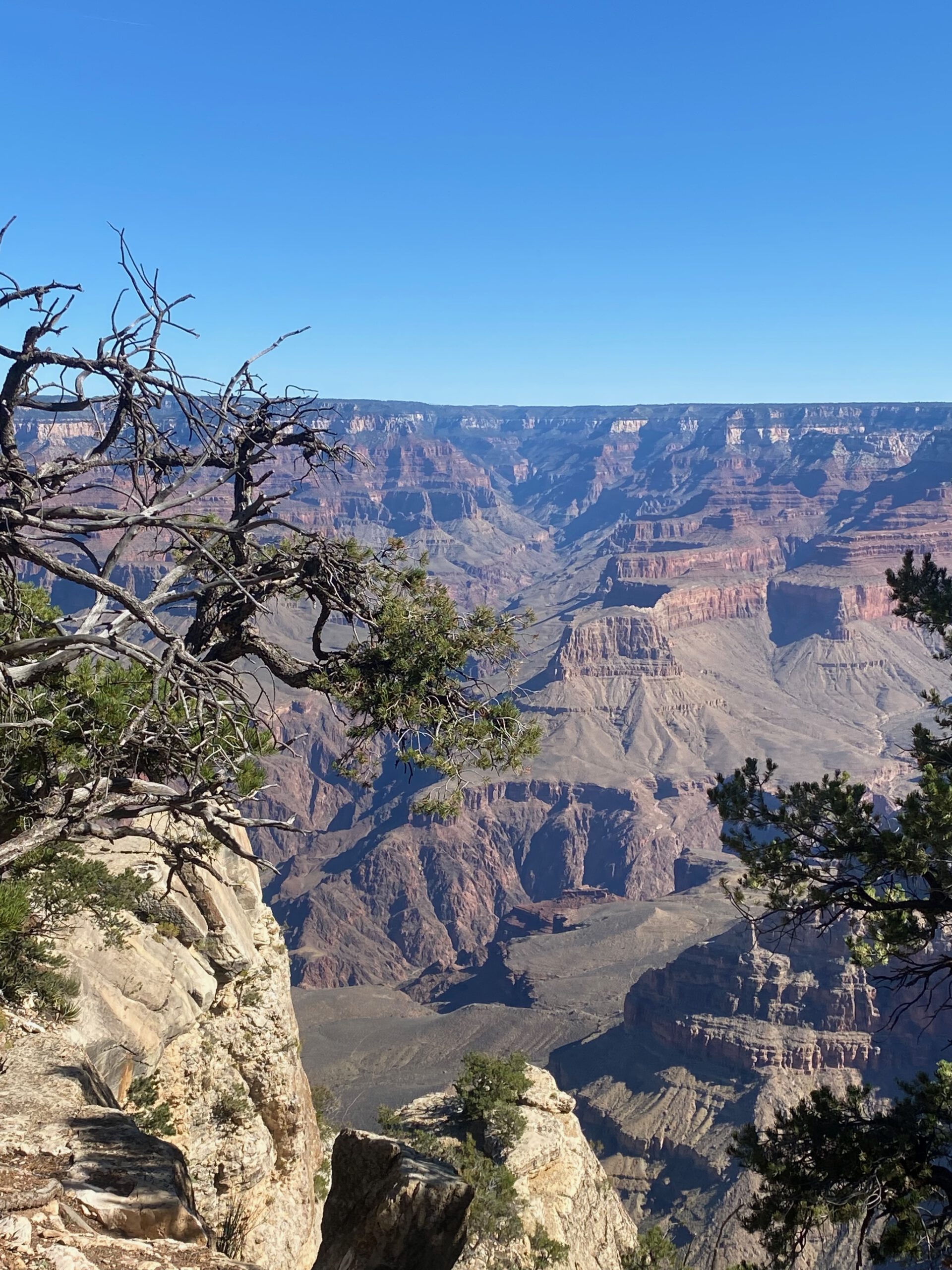
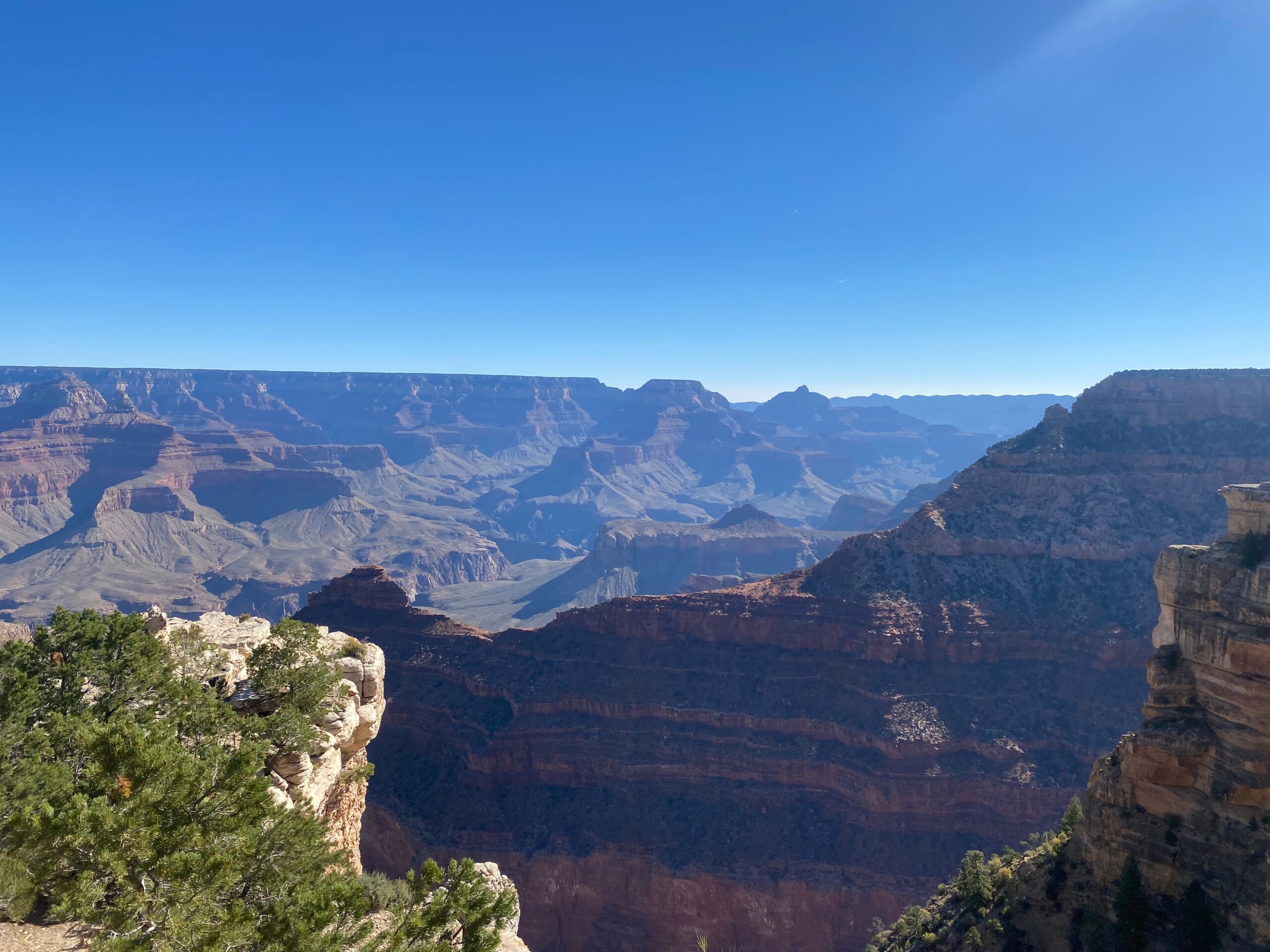
The South Rim offers easily accessible viewpoints such as Mather Point, Yavapai Point, and Desert View. Parking is free throughout Grand Canyon National Park, and many viewpoints are a short walk from designated parking areas.
Hiking Trails for Every Level
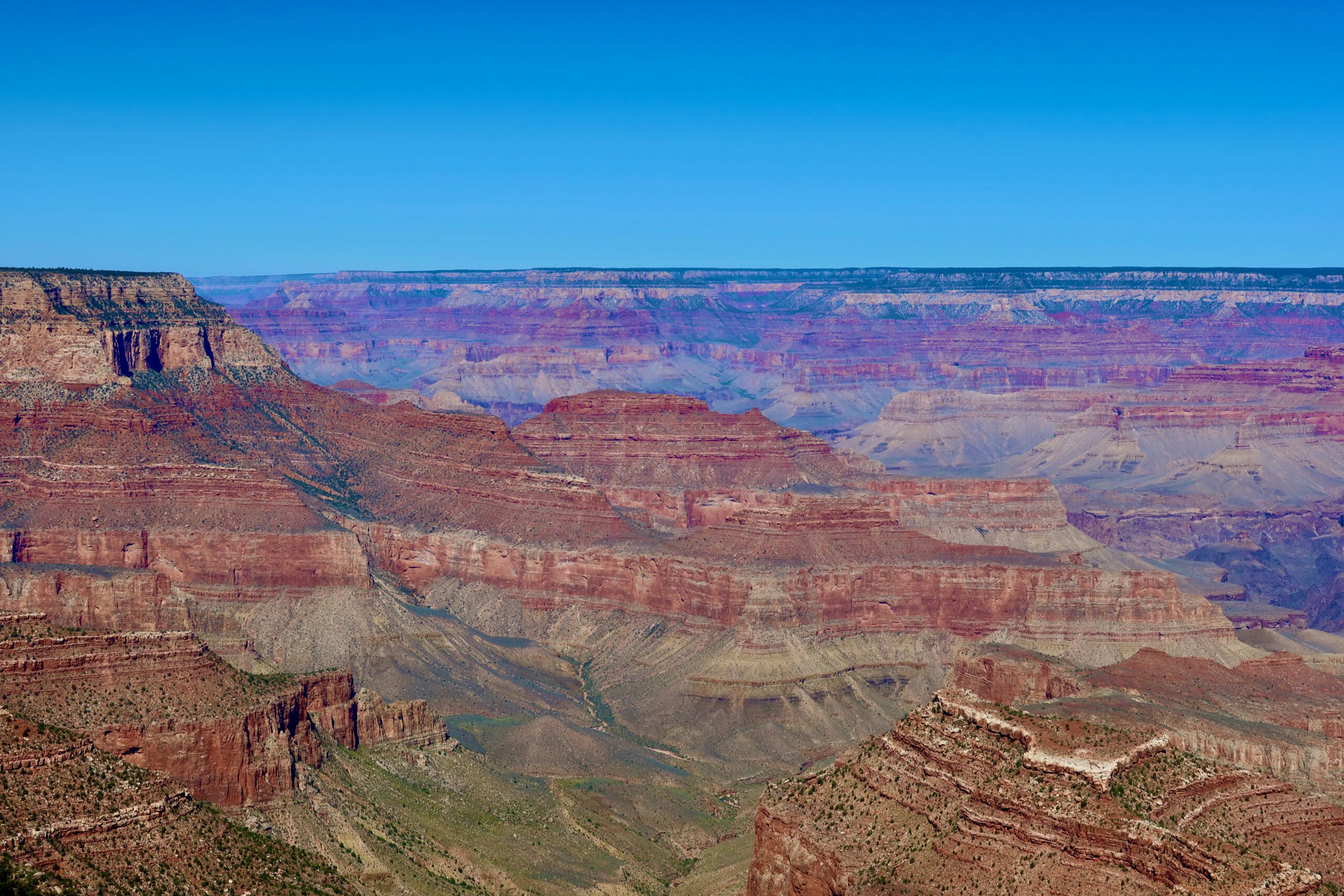
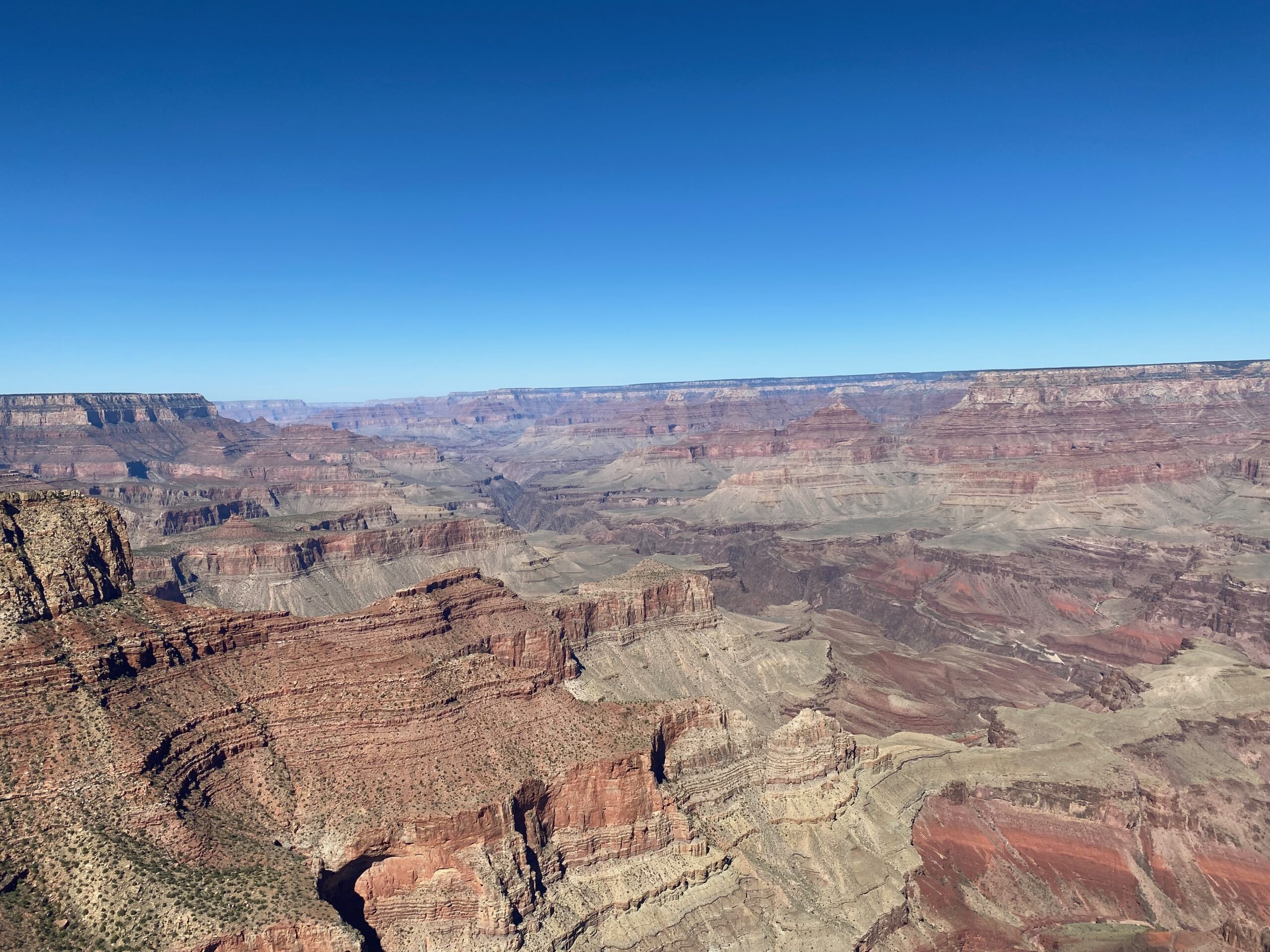
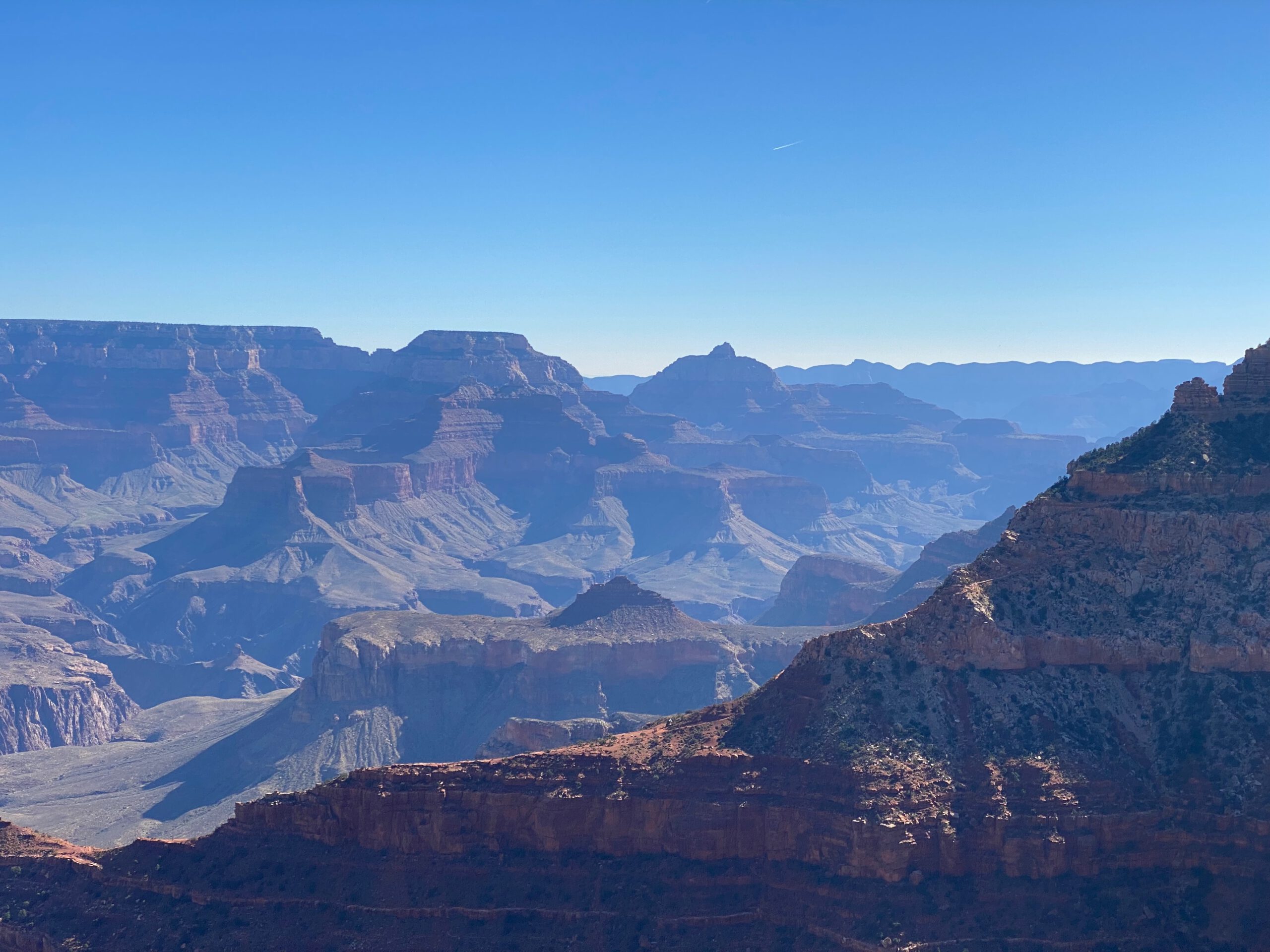
Popular trails include the Rim Trail for easy walking and the Bright Angel Trail and South Kaibab Trail for more demanding hikes. Even short hikes provide dramatic elevation changes and unforgettable views into the canyon.
Guided Tours and Ranger Programs
Ranger talks, guided walks, shuttle routes, helicopter tours, and mule rides all operate within Grand Canyon National Park and nearby areas. These experiences offer insight into geology, wildlife, and park history while keeping visitors safe and informed.
Exploring Beyond the South Rim
Desert View Drive
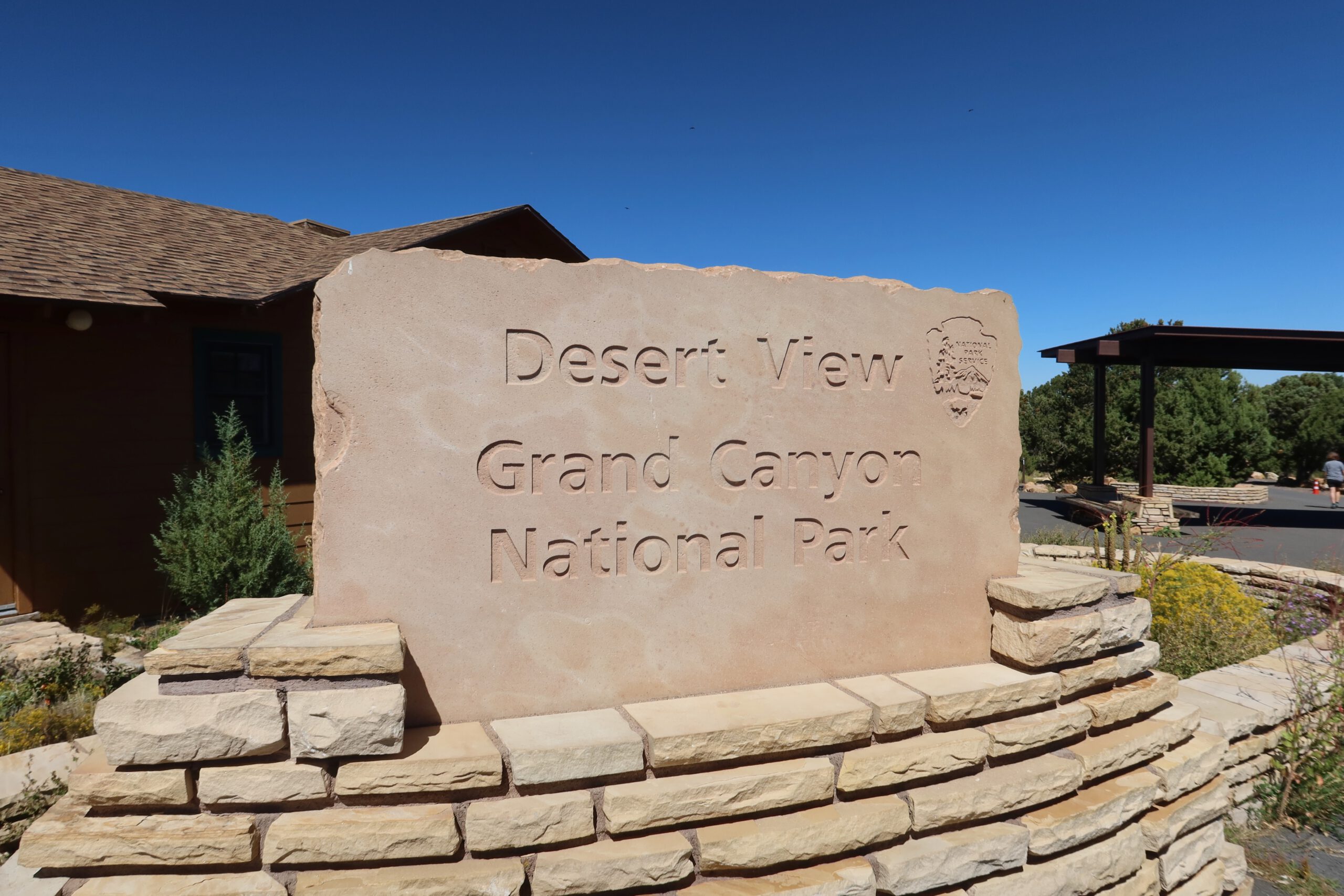
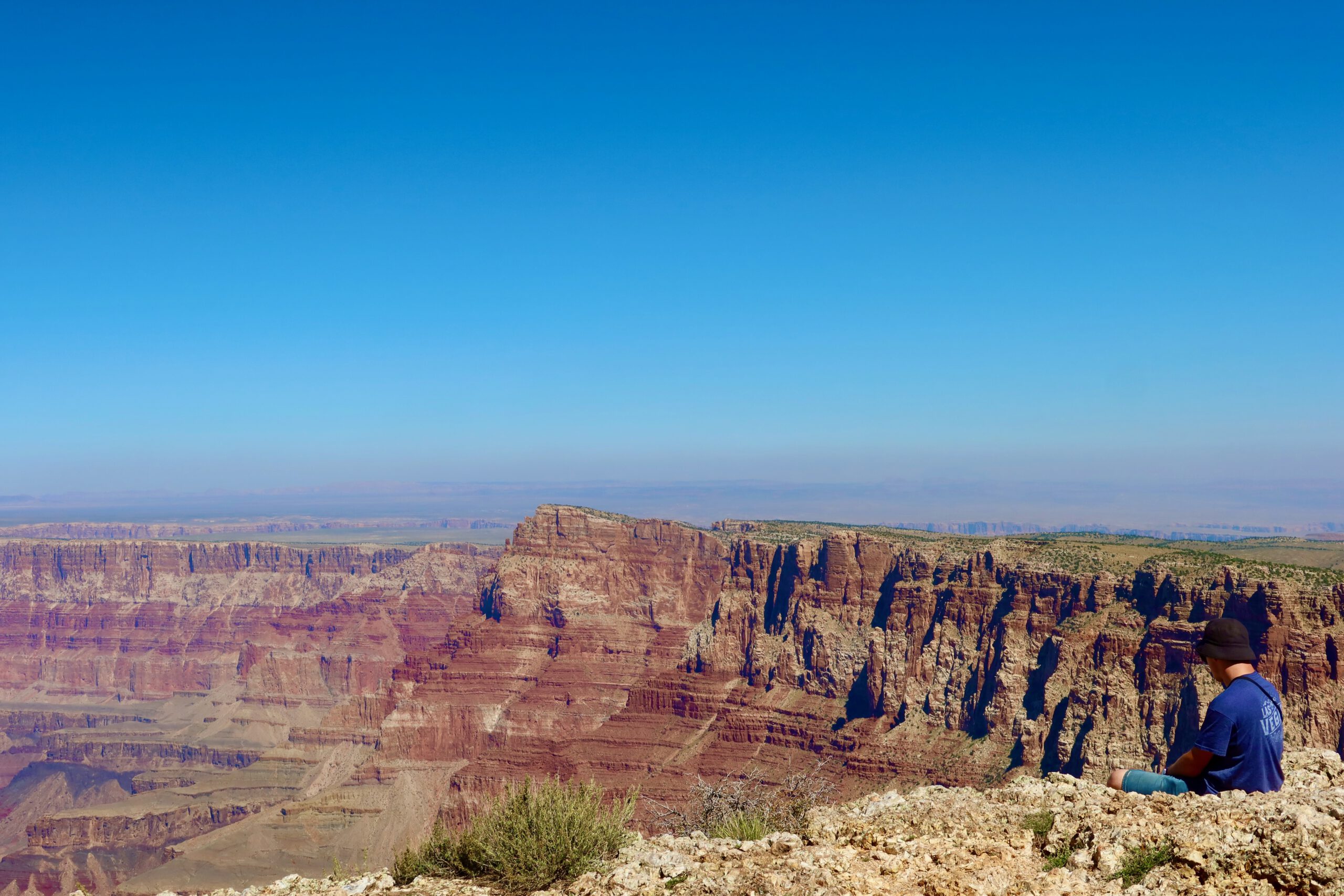
Driving the Desert View Drive is one of the most scenic routes in Grand Canyon National Park. The road offers multiple pull offs with panoramic views and leads toward the eastern exit of the park.
Desert View Watchtower and Trading Post
The Desert View Watchtower is an architectural landmark offering wide canyon views. Nearby, the Desert View Market and Deli provide food and drinks, though our experience there was mixed due to unfriendly service. The stop itself is worthwhile, but expectations for the deli should remain modest.

Wildfires and Their Impact on Grand Canyon National Park
Natural Fire Cycles
Wildfires are a natural part of the ecosystem within Grand Canyon National Park. Many fires occur due to lightning strikes and are carefully monitored rather than immediately suppressed. Fire plays an important role in maintaining forest health.
Recent Wildfires and Park Management
In recent years, several significant wildfires have affected areas of Grand Canyon National Park, particularly on the North Rim. These fires led to temporary closures, damaged historic structures, and required long term recovery efforts. The National Park Service balances fire containment with ecological preservation using controlled burns and strategic responses.
What Visitors Should Know
Smoke conditions can impact visibility and air quality, especially during dry summer months. Visitors are advised to check current fire conditions before entering Grand Canyon National Park and follow ranger instructions at all times.

Our Personal Experience at Grand Canyon National Park
Entering the Park and Visitor Services
The entrance process was smooth and well organized. Park Rangers provided clear instructions, maps, and information. We purchased the annual Grand Canyon National Park pass, which is valid for one year and covers the entire vehicle, making it a cost effective option.
Visitor Center and Mather Point
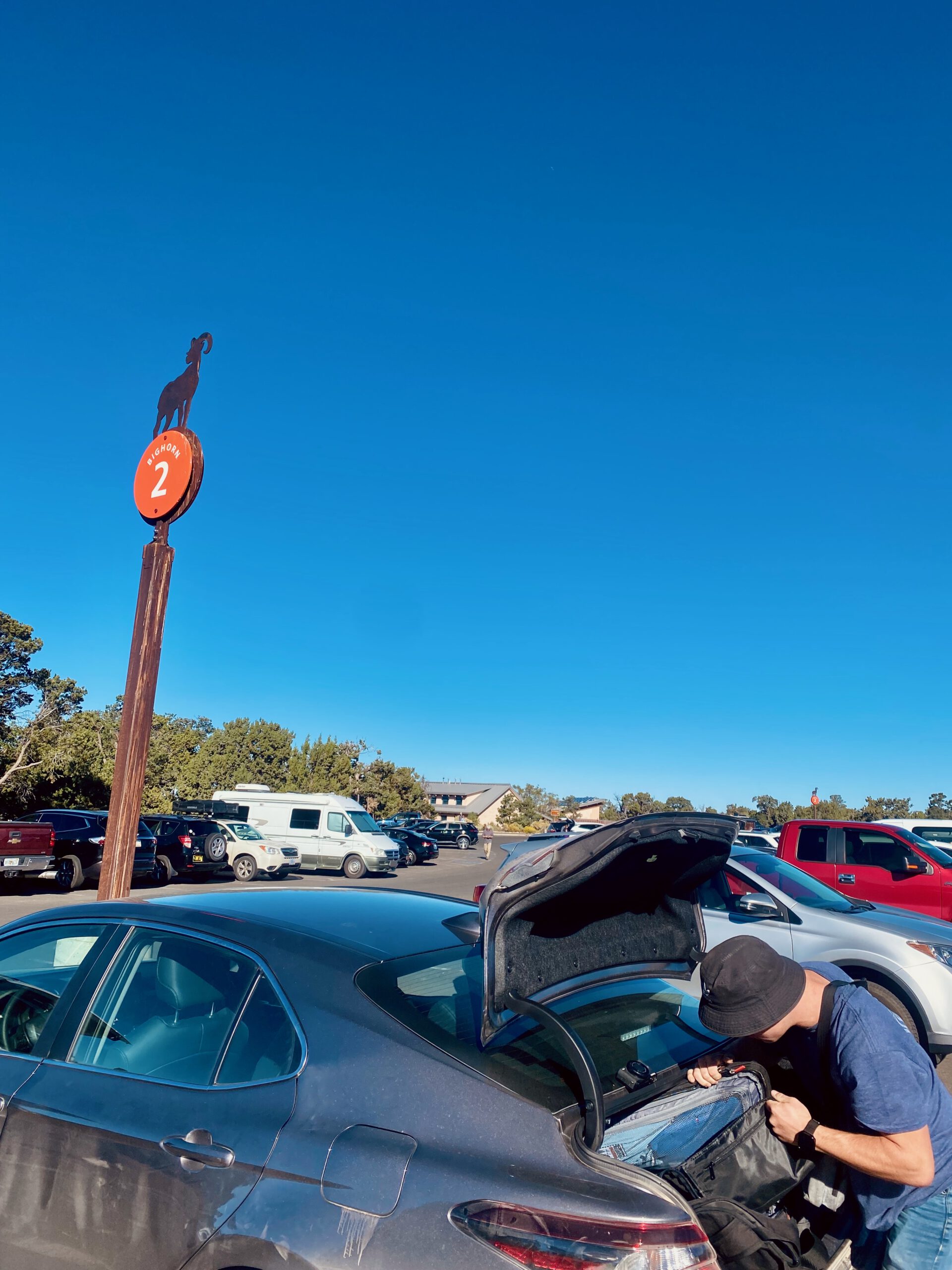
Parking near the South Rim Visitor Center was free and convenient. From there, it is a short walk to Mather Point, one of the most photogenic viewpoints in Grand Canyon National Park. Inside the Visitor Center, free drinking water is available, something every visitor should take advantage of.
Small Moments That Matter
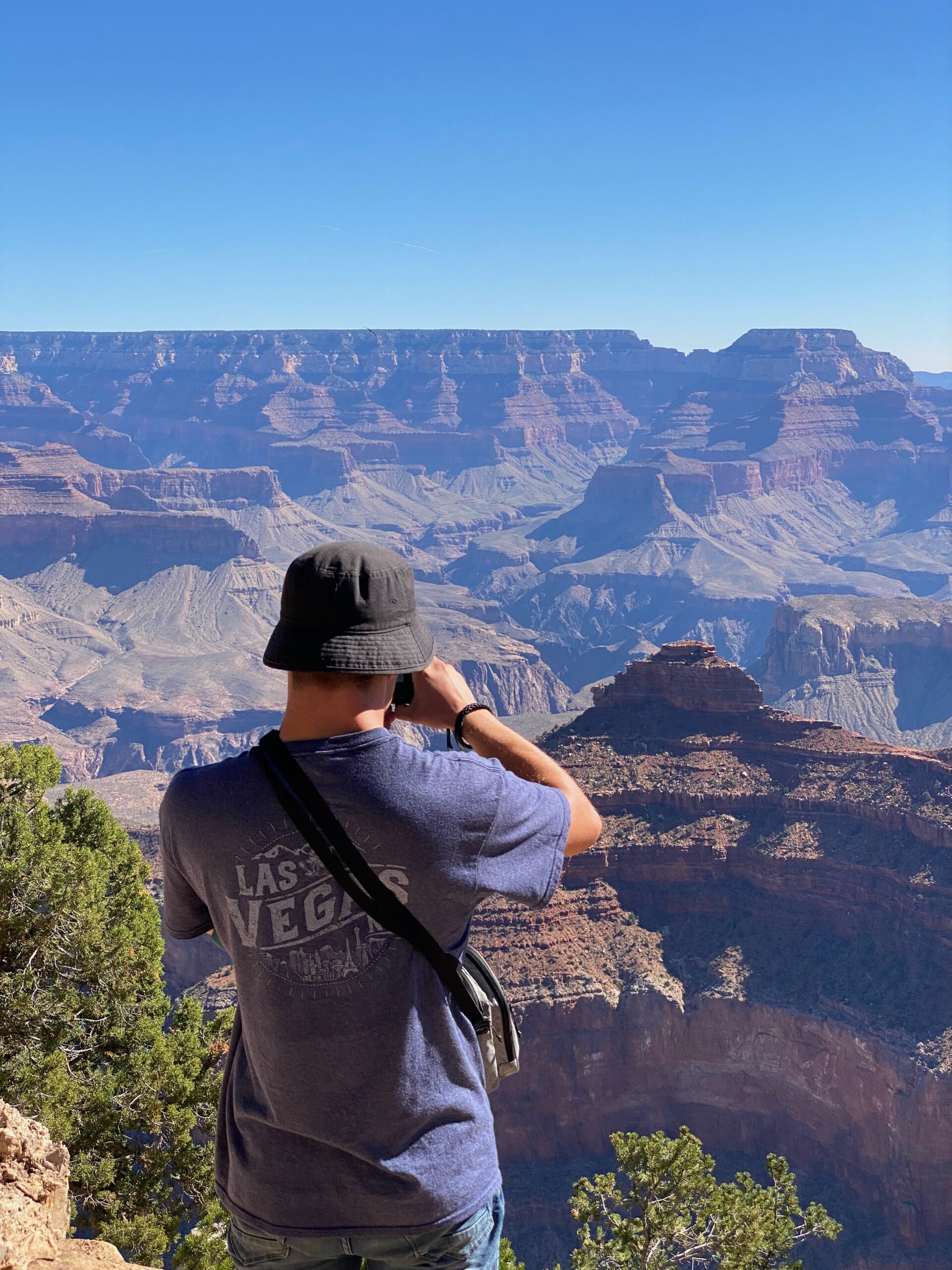
Along the trail, we met travelers from Colombia who asked for help taking photos and returned the favor. These spontaneous interactions added a human touch to the vastness of Grand Canyon National Park.
Nature, Wildlife, and the Road Ahead
The park is exceptionally well maintained. Wildlife such as squirrels and cliff chipmunks are easy to spot, but visitors should always keep their distance. After exploring, we followed Desert View Drive before heading north toward Kanab, Utah. The route was breathtaking and a perfect way to leave Grand Canyon National Park behind.