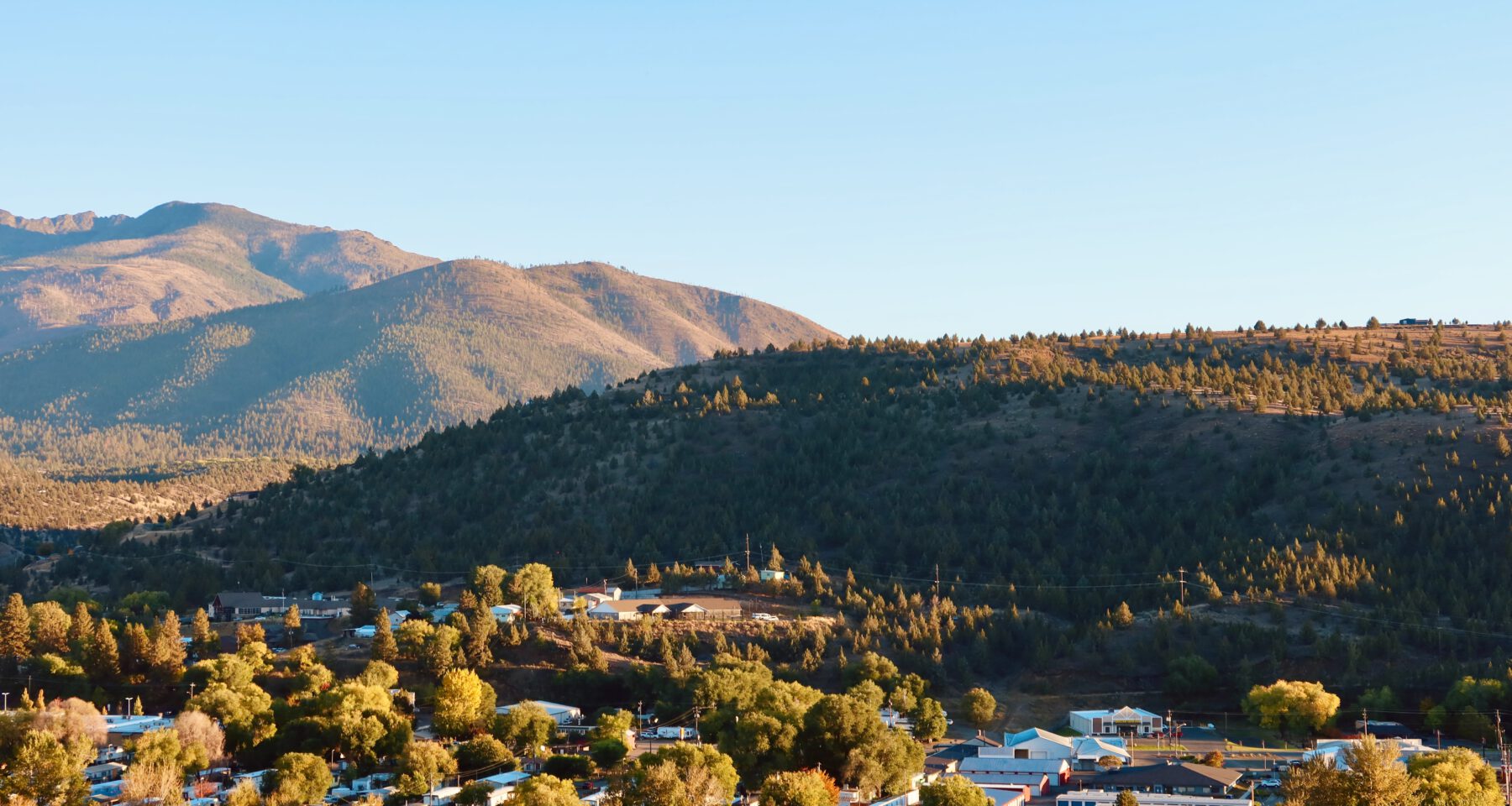

John Day Oregon guide, this is one of those places that can surprise people in the best way. At first glance, John Day looks like a small town in Eastern Oregon that many travelers pass through on the way to something bigger. After visiting the area during my American road trip, that felt too simple. John Day is not just a stop along the road. It is a smart base for one of the most underrated landscapes in the western United States, and a place that combines fossil history, wide open scenery, small town food, and the kind of road trip atmosphere that still feels real.
For me, John Day worked because the area does not try too hard. It is quiet, practical, scenic, and spread out. That last part matters. This is not a place where everything sits around one main square. Distances are bigger, roads are emptier, and the experience becomes much better when you treat the region as a destination instead of a quick stop. That is exactly why this John Day Oregon guide deserves cornerstone status on my site.
Why John Day deserves more than a quick stop
A lot of travelers know the name because of the Painted Hills. That makes sense, since the Painted Hills are one of the most recognizable sights in Oregon. Still, reducing the area to just one famous photo spot sells John Day short. The region has much more depth than that, both literally and historically.
What makes John Day special is the combination of things around it. There is the John Day Fossil Beds National Monument, which gives the area a scientific and visual identity that is hard to match. There is also Kam Wah Chung, which adds a very different piece of history to the town itself. Then there is the practical side of travel, finding a good place to stay, grabbing proper food, and making sure the car, the route, and the timing all line up in a part of Oregon where services are not packed close together.
That balance is why John Day stands out. It is not flashy, but it feels substantial. The area rewards people who like road trips, quiet landscapes, and places with a real sense of distance.
John Day Fossil Beds is the heart of the region
No John Day Oregon guide makes sense without putting the fossil beds first. This is the main draw, and rightly so. John Day Fossil Beds National Monument is one of the most unique places I visited in Oregon. The landscape feels ancient, but not in the dramatic dinosaur movie sense people sometimes expect. It is quieter than that, more layered, and honestly more interesting because of it.
The monument is spread across separate units, which already tells you something important. This is not a single overlook with a parking lot and a gift shop. It is a region that asks for time and a little planning. That is part of the charm. It feels like a place you move through, not just a place you tick off.
If someone wants the deeper version of the park experience, this cornerstone post should point directly to my full article about John Day Fossil Beds National Monument, since that post goes into more detail about the landscape and the experience on location.
Post highlight
 John Day, Oregon, United States
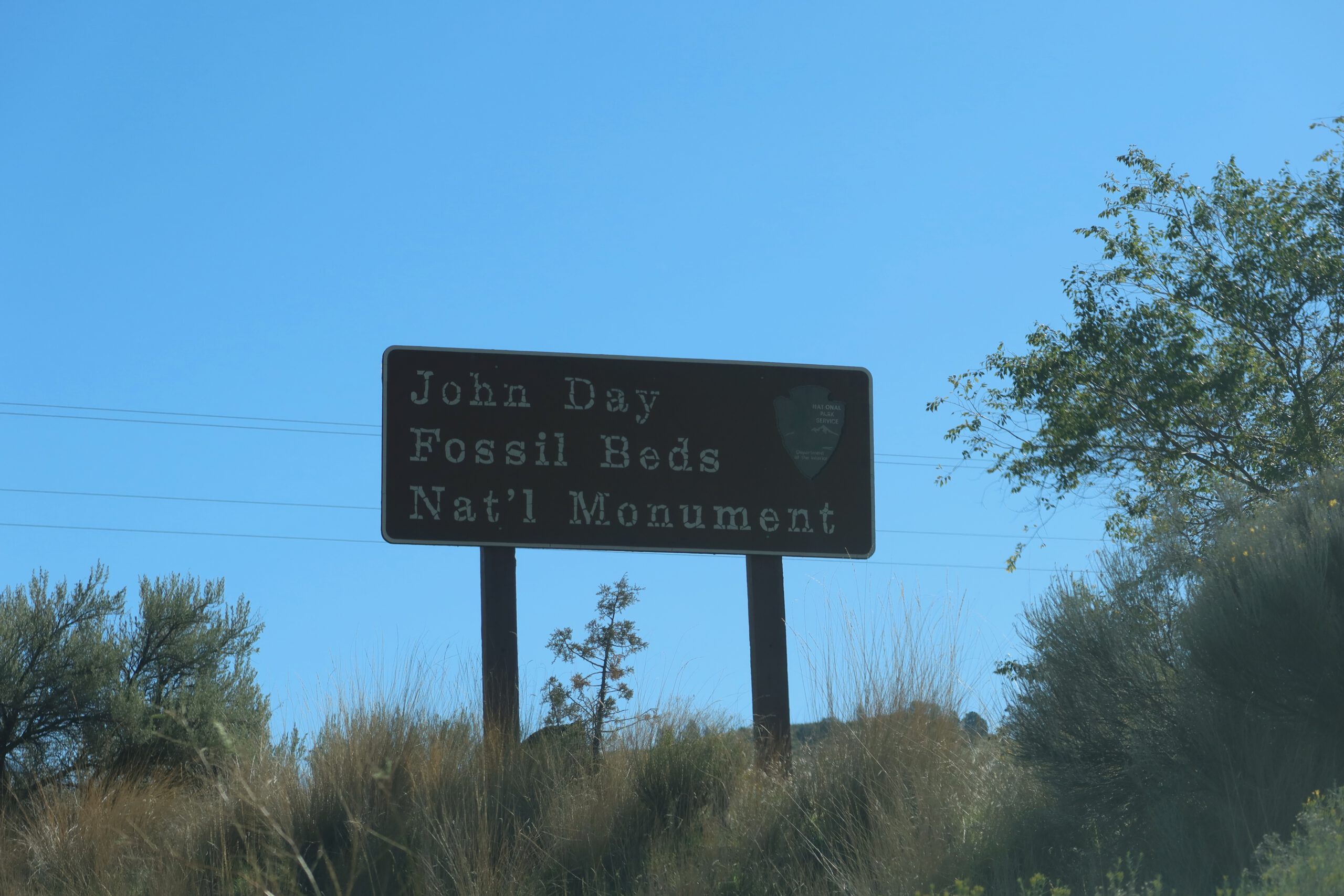
John Day Fossil Beds National Monument, A Quiet Journey Through Deep Time
John Day Fossil Beds National Monument is not loud, not crowded, and not built for quick dopamine hits. John Day Fossil Beds National Monument is a…
Sheep Rock is the best place to begin
If John Day is your base, Sheep Rock is the smartest place to start. It gives the area context before you head farther out, and that makes the rest of the monument more meaningful. The visitor center adds the history, the science, and the bigger picture. Without that context, the landscape is still beautiful, but it does not hit as hard.
Sheep Rock also feels like a good introduction to the pace of the region. Nothing here feels rushed. That works in its favor. The monument is better when approached slowly, with enough time to stop, look around, and actually take in what makes the terrain different from almost anywhere else in the state.
Painted Hills is the visual highlight, but not the whole story
The Painted Hills are the famous face of the region, and yes, the place is worth it. The colors, the shapes, and the smooth rolling patterns in the land really do stand out. It is one of those rare places where the landscape genuinely looks different from the usual American West imagery.
Still, this is also where people make the mistake of showing up, taking a few photos, and leaving with the idea that they have seen John Day. They have not. Painted Hills is part of the story, not the whole story. The wider area is what gives the stop its real value. John Day works best when the hills are one chapter in a broader day or even a short overnight stay.
Kam Wah Chung gives John Day real historical depth
What makes this John Day Oregon guide stronger is that the town itself has something meaningful beyond the monument. Kam Wah Chung is one of the best examples of that. It brings in the history of Chinese immigration, medicine, trade, and local life in a way that adds real substance to a visit.
That matters because it changes John Day from being only a landscape base into a place with its own identity. I always appreciate that on a road trip. A destination becomes more memorable when it has more than one layer. In John Day, you get natural history outside town and community history inside town. That is a much stronger mix than many small travel bases offer.
Staying overnight makes the trip much better
This is one of the most practical things I can say in this John Day Oregon guide, staying overnight is worth it. John Day is not a place I would recommend treating as a pure in and out detour unless time is extremely tight. The roads take time, the scenery deserves breathing room, and the area becomes much more enjoyable when the day is not built around rushing back into the car.
I already wrote separately about my stay in the area, so this page should naturally link to my post about the Airbnb in John Day, Oregon. That kind of internal structure is exactly what cornerstone content should do. The main page helps readers understand the region, and the supporting pages answer more specific questions about sleep, food, and stops along the way.
Post highlight
John Day, Oregon, United States
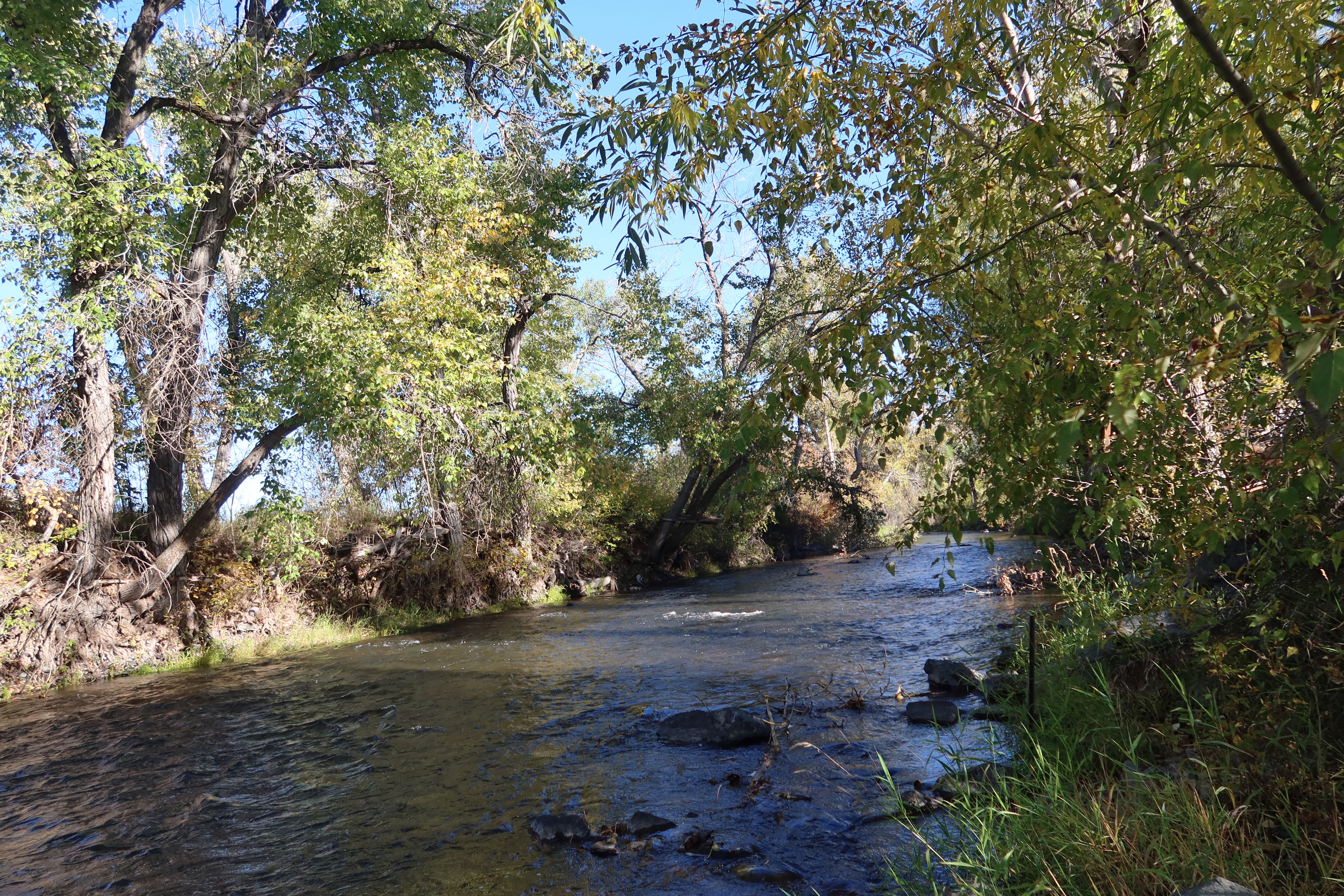
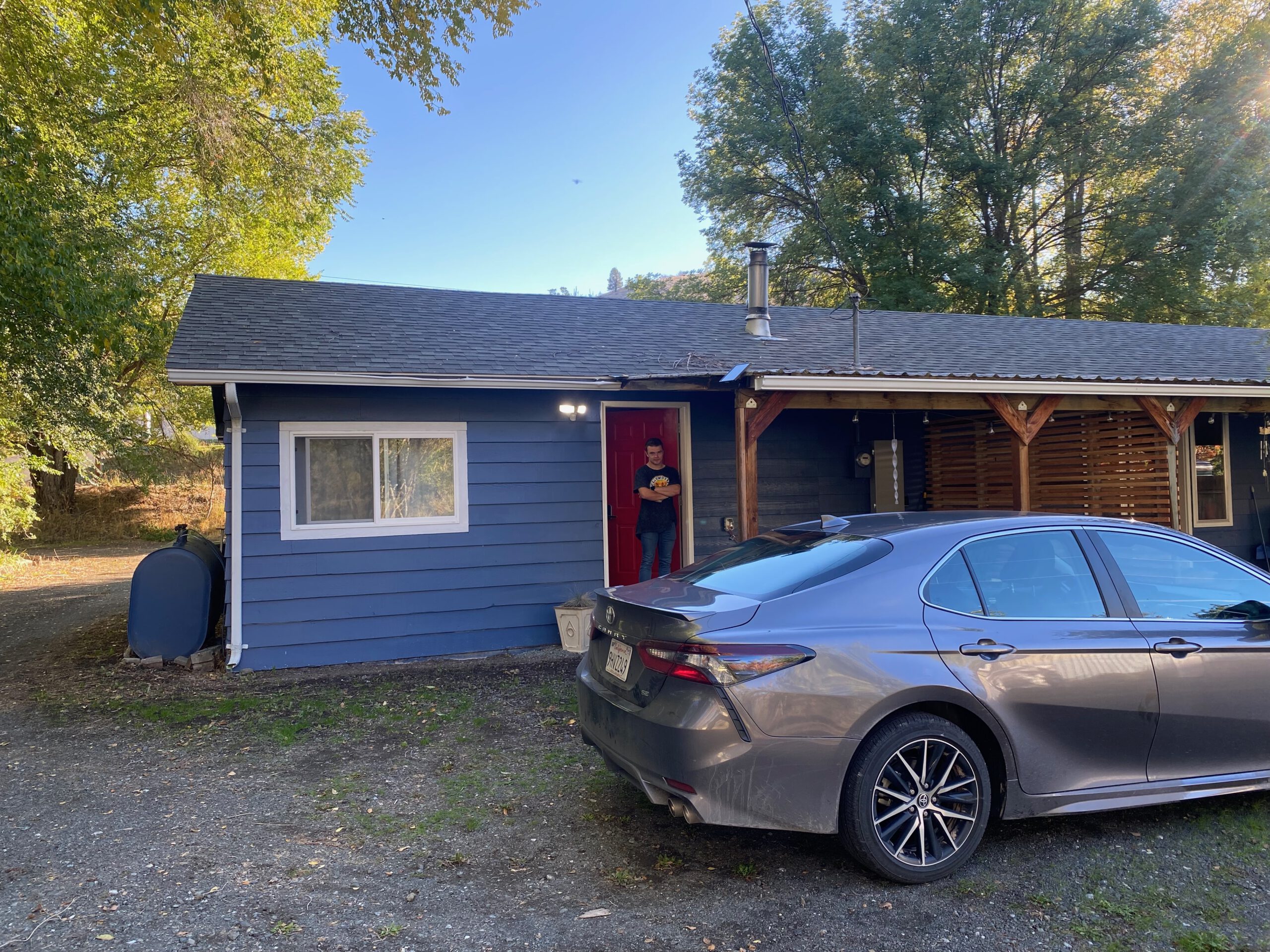
Airbnb John Day Oregon, an Honest Review Near the John Day River
Airbnb John Day Oregon stays are limited, which makes this small riverside apartment an interesting option when visiting eastern Oregon. This Airbnb John Day Oregon review…
Food in John Day fits the road trip atmosphere
John Day is not a big city dining destination, and that is perfectly fine. What the town offers is road trip food with character, the kind of places that feel right after a day of driving and exploring. That is why my posts about 1188 Brewing Company and Outpost Pizza Pub and Grill fit well beneath this broader guide.
Those places are part of the experience because they ground the trip. After scenic drives and fossil beds, it matters where you end up for the evening. A small town brewery or a relaxed pizza and grill stop makes more sense here than trying to force a fine dining angle onto a place that does not need it. John Day feels better when approached honestly, and the food scene should be written that way too.
Post highlight
John Day, Oregon, United States
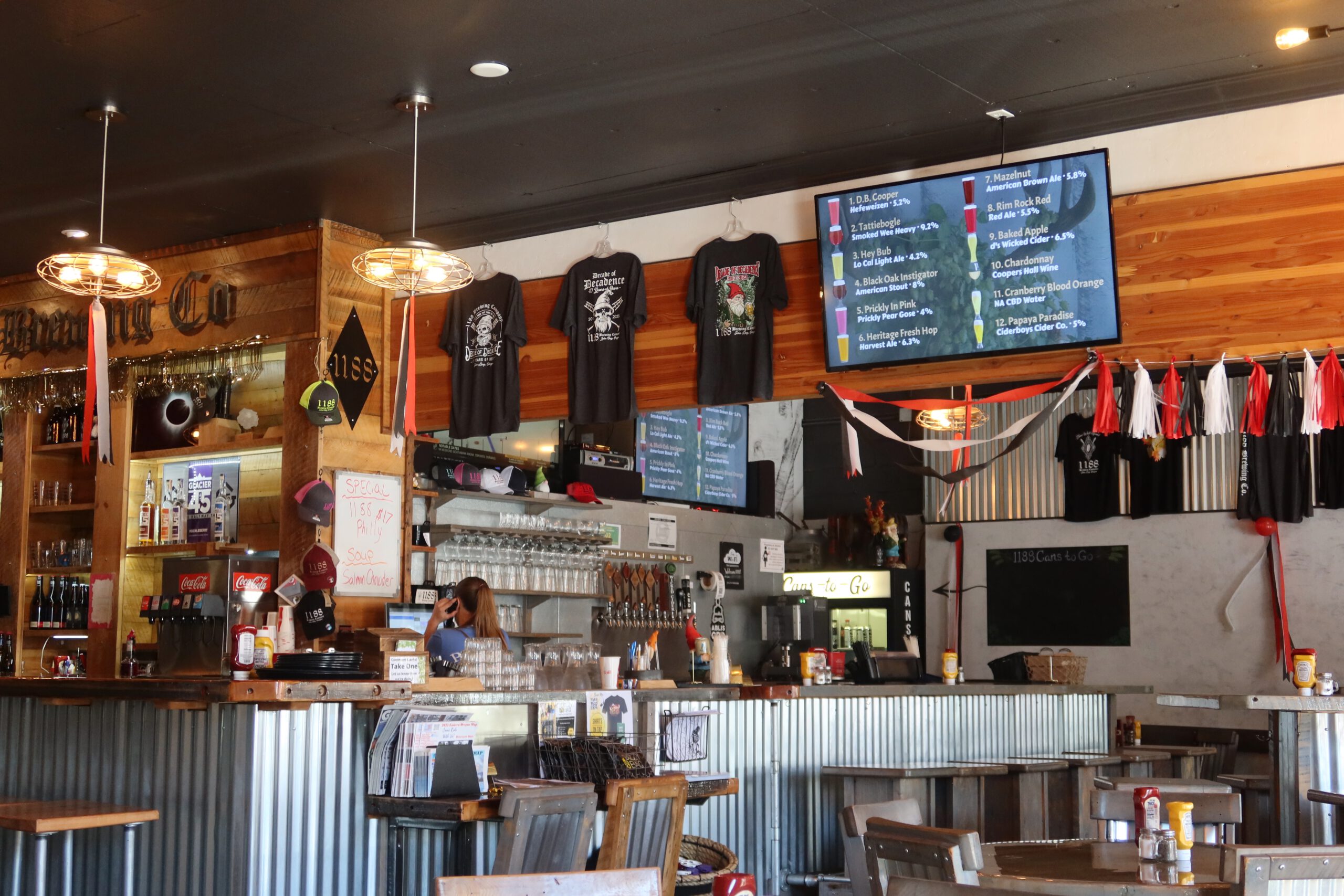
1188 Brewing Company, John Day Oregon, a Small Town Brewery Worth the Stop
1188 Brewing Company, John Day Oregon brewery culture, and Eastern Oregon craft beer are the reason this stop instantly stood out during our road trip. In…
Post highlight
John Day, Oregon, United States
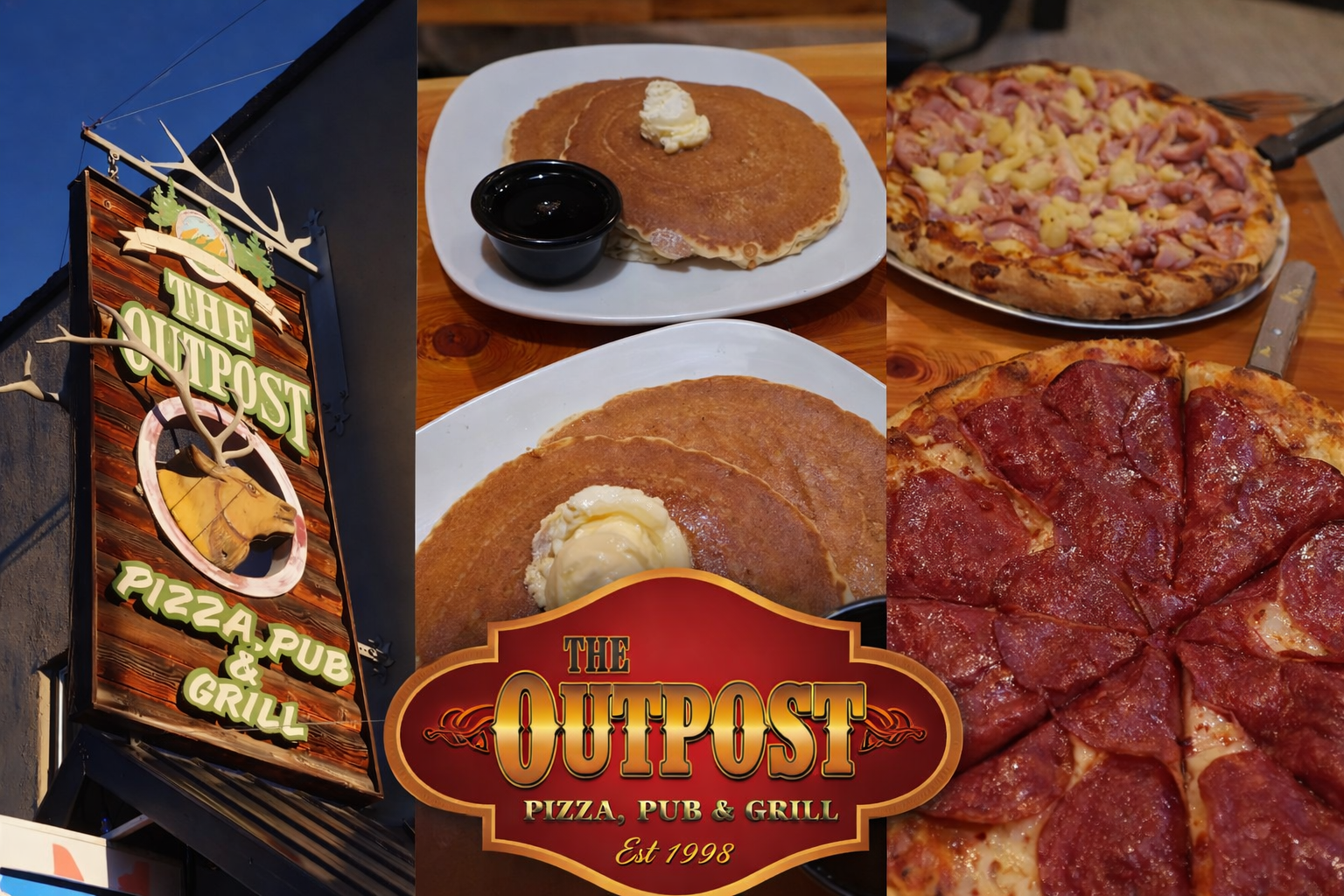
Outpost Pizza Pub & Grill John Day, a Classic American Stop With Massive Portions
Outpost Pizza Pub & Grill John Day is one of those places you instantly understand once you walk in. It feels local, unapologetically American, and built…
The roads around John Day are part of the destination
One of the biggest strengths of a good John Day Oregon guide is showing that the drive itself matters. Eastern Oregon has space, and space changes how a trip feels. The region around John Day is full of scenic stretches that turn the journey into part of the reward. You are not just moving between sights. You are moving through the landscape that makes the area memorable in the first place.
That is why John Day works so well on a bigger Oregon or western United States road trip. It breaks the rhythm in a good way. It gives a quieter, more open, more reflective part of the journey. For travelers who like driving as much as arriving, that is a major plus.
Small practical stops matter more here than in busier regions
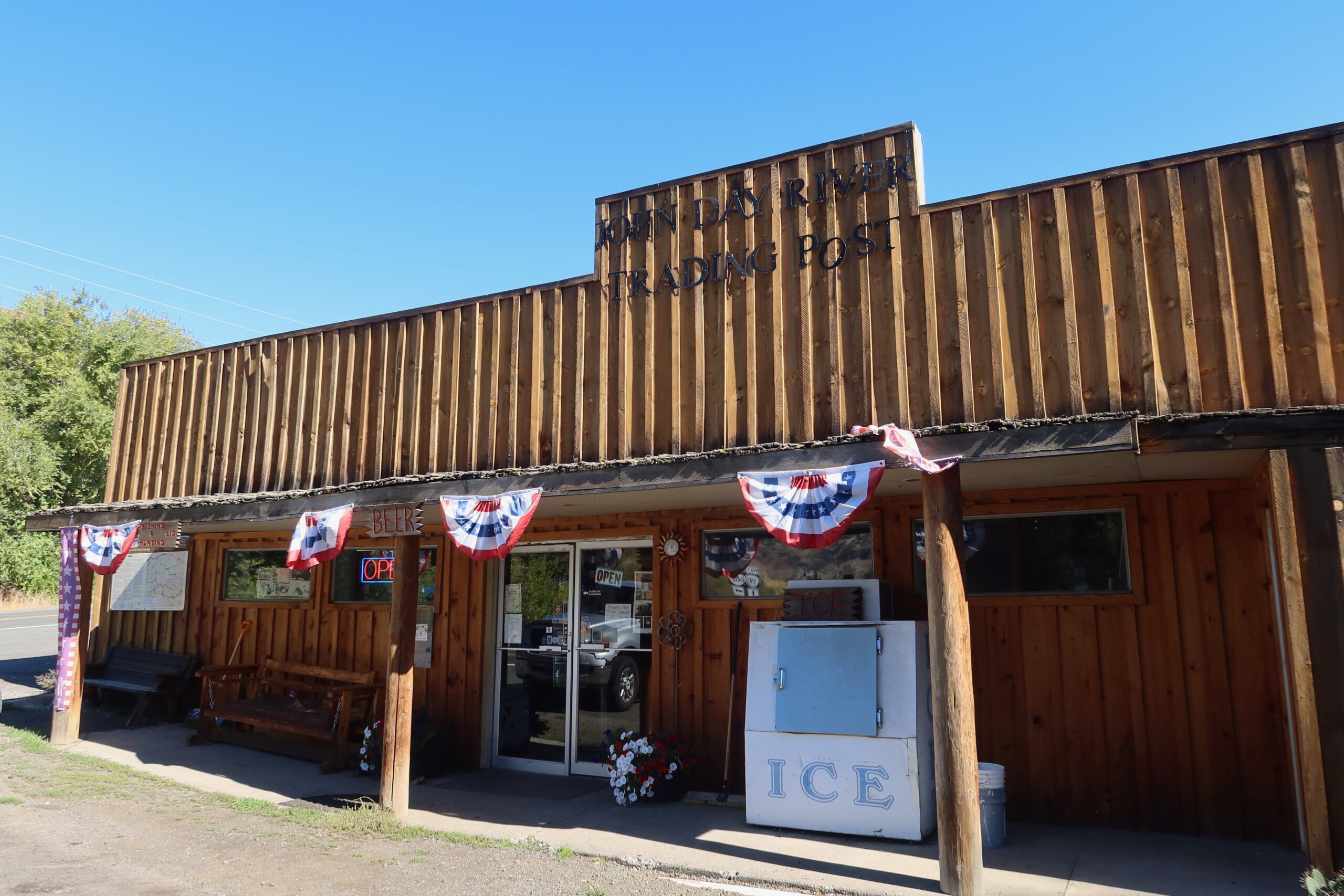
In a place like John Day, practical stops become part of the real travel story. Food, drinks, fuel, and timing matter more here because there is less density and less room for sloppy planning. That is also why my article about the John Day River Trading Post in Kimberly, Oregon makes sense as a supporting internal link from this page.
This may sound less exciting than fossil beds or scenic overlooks, but it is exactly the kind of detail that helps a travel blog feel useful rather than generic. John Day is one of those places where the practical side of road tripping still matters, and I think that adds to the charm.
My honest take on who should visit John Day
John Day is not for everyone, and that is part of why I like it. Travelers looking for big city energy, luxury resorts, or endless entertainment will probably not connect with it. Travelers who enjoy silence, scenic drives, layered history, and places that feel grounded will probably get a lot more out of it.
For me, John Day felt like one of those road trip locations that still gives a sense of discovery. Not because it is unknown, but because it is easy to underestimate. Once there, the area feels richer than expected. That is exactly the kind of place I want on a site like mine.
Final thoughts on this John Day Oregon guide
This John Day Oregon guide should sit as the central page for the area on TIMOVDBERG WORLD. It gives readers the broad answer first, why John Day is worth visiting, what the area feels like, and how to approach it properly. From there, the page can guide visitors deeper into the supporting posts about the fossil beds, my stay, the brewery, the pizza spot, and the useful stop in Kimberly.
That is the right structure for cornerstone content. One strong central guide, supported by real experience, clear internal links, and specific subpages that expand the story. John Day deserves that treatment, because it is much more than a place to pull over for ten minutes and move on.