

Activity Snapshot
Hegra Fortress
Hegra festning, 7520 Stjørdal, Noorwegen
My review 5 out of 5 stars
Price / tickets
Website
Accessibility
Parking
Hegra Fortress was not originally part of our morning plan, and that is exactly why this stop worked so well. After checking out from our small green Airbnb in Stjørdal, we had a free morning ahead of us, no strict route yet, and enough time to follow a more spontaneous idea. Since Hegra Fortress was nearby, my travel buddy and I decided to drive there early and see what this historic place was like before the day really started.
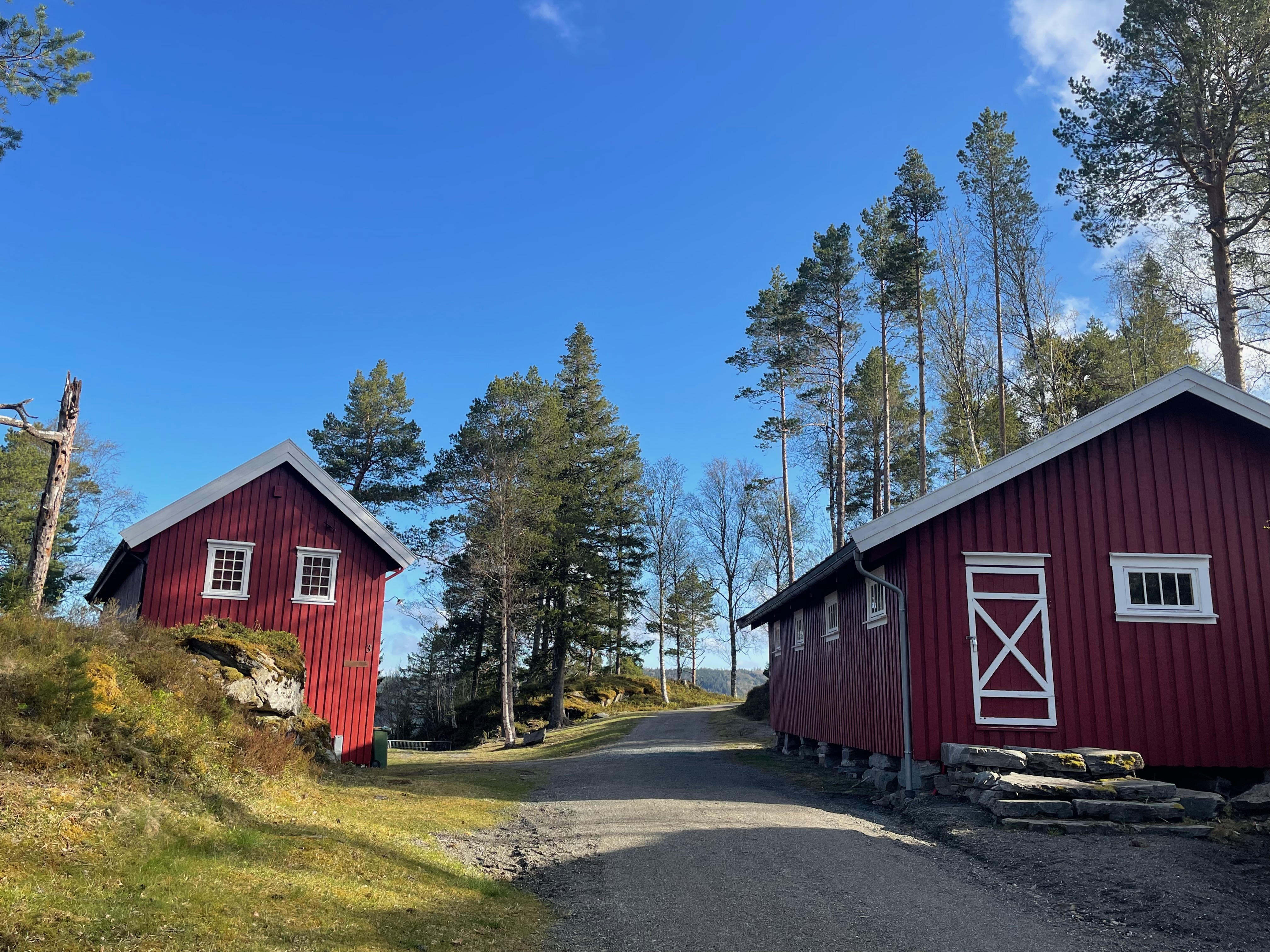
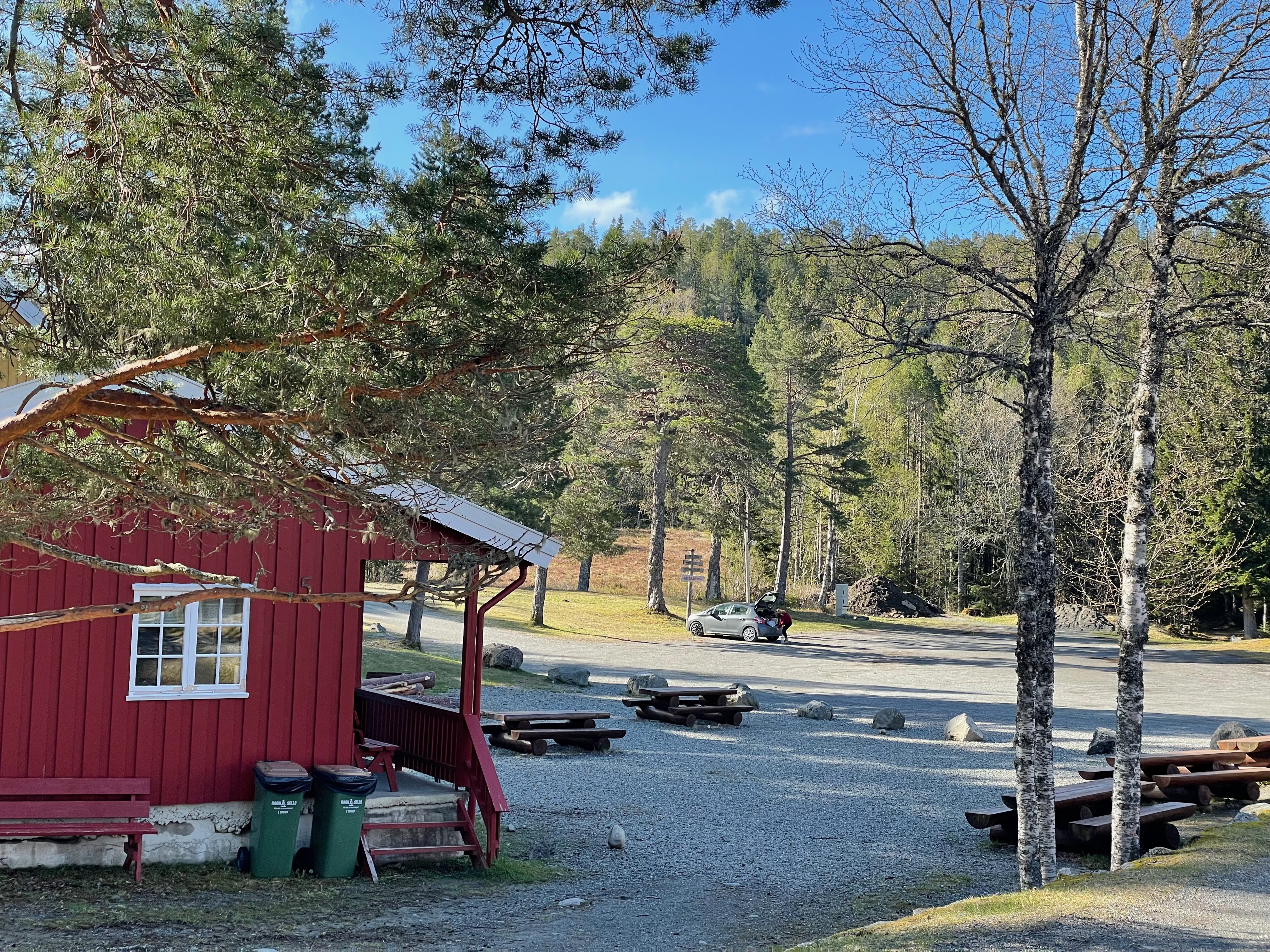
We arrived around 8:15 in the morning. The café was still closed, which was no surprise at that hour, but the fortress grounds were already accessible. That gave the visit a calm and almost private feeling. Before walking in, we first had breakfast near the entrance. We made bread, added peanut butter bought in Norway, and used small fruit sprinkles that my sister had given me before I left for Sweden. It was a simple road trip breakfast, but honestly, those small moments often make a place more memorable.
Why Hegra Fortress Is Worth Visiting
Hegra Fortress is located near Stjørdal in Trøndelag, Norway, and it is one of those historic places that feels much bigger once you are actually there. From the outside, you may expect a small fortress visit with a few stone walls and viewpoints. Once you enter, it quickly becomes clear that the site is much more serious than that.
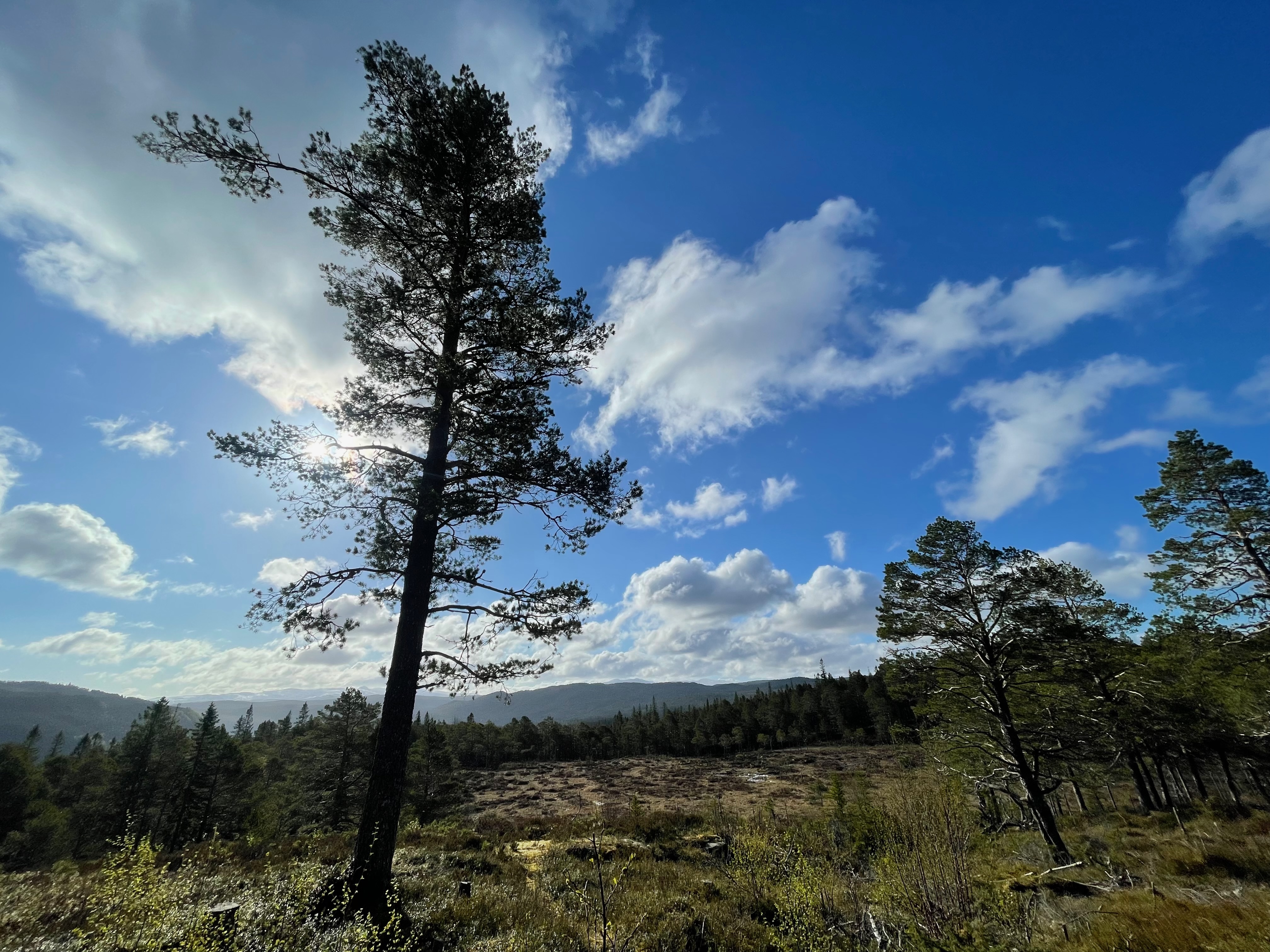
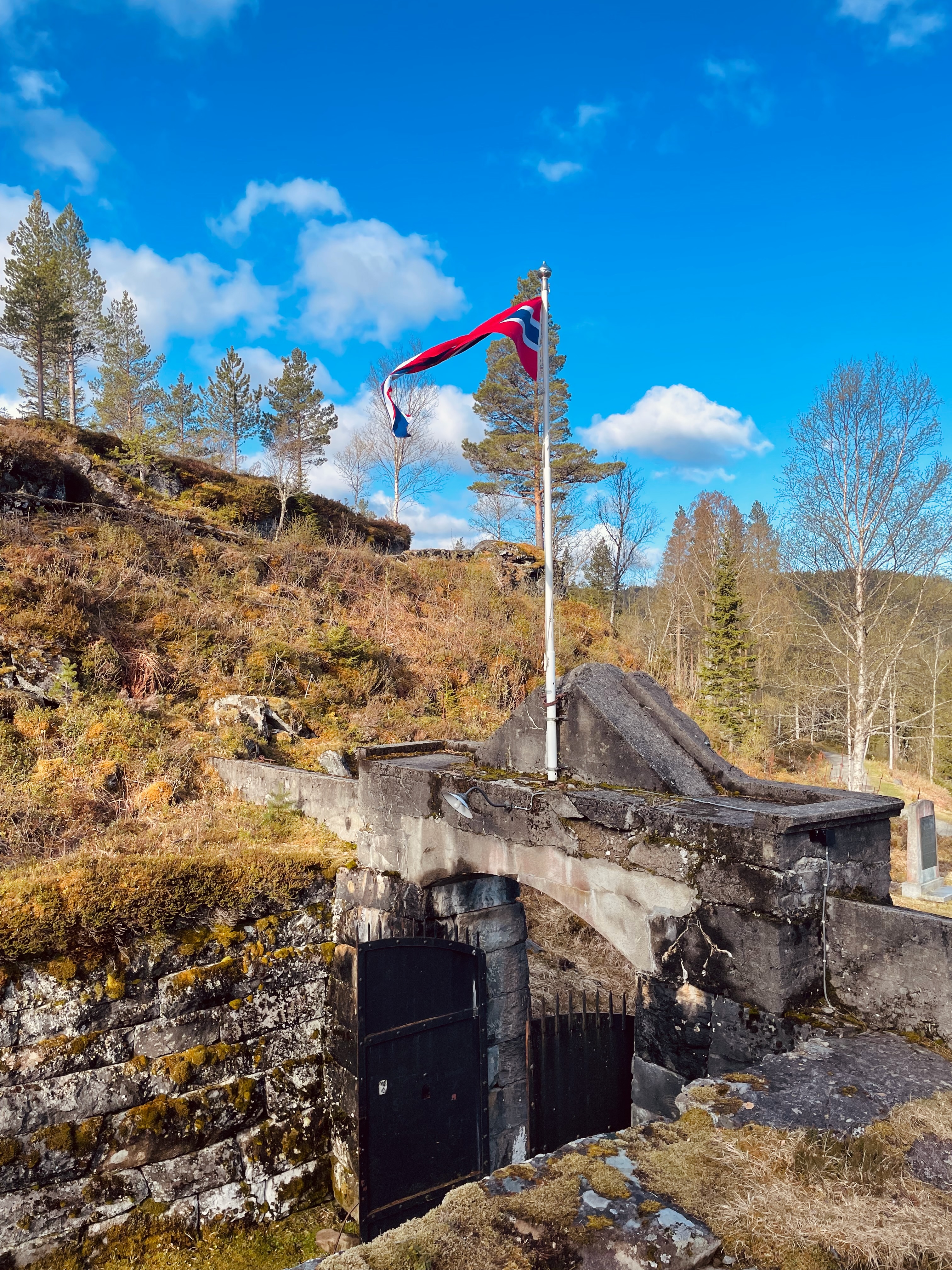
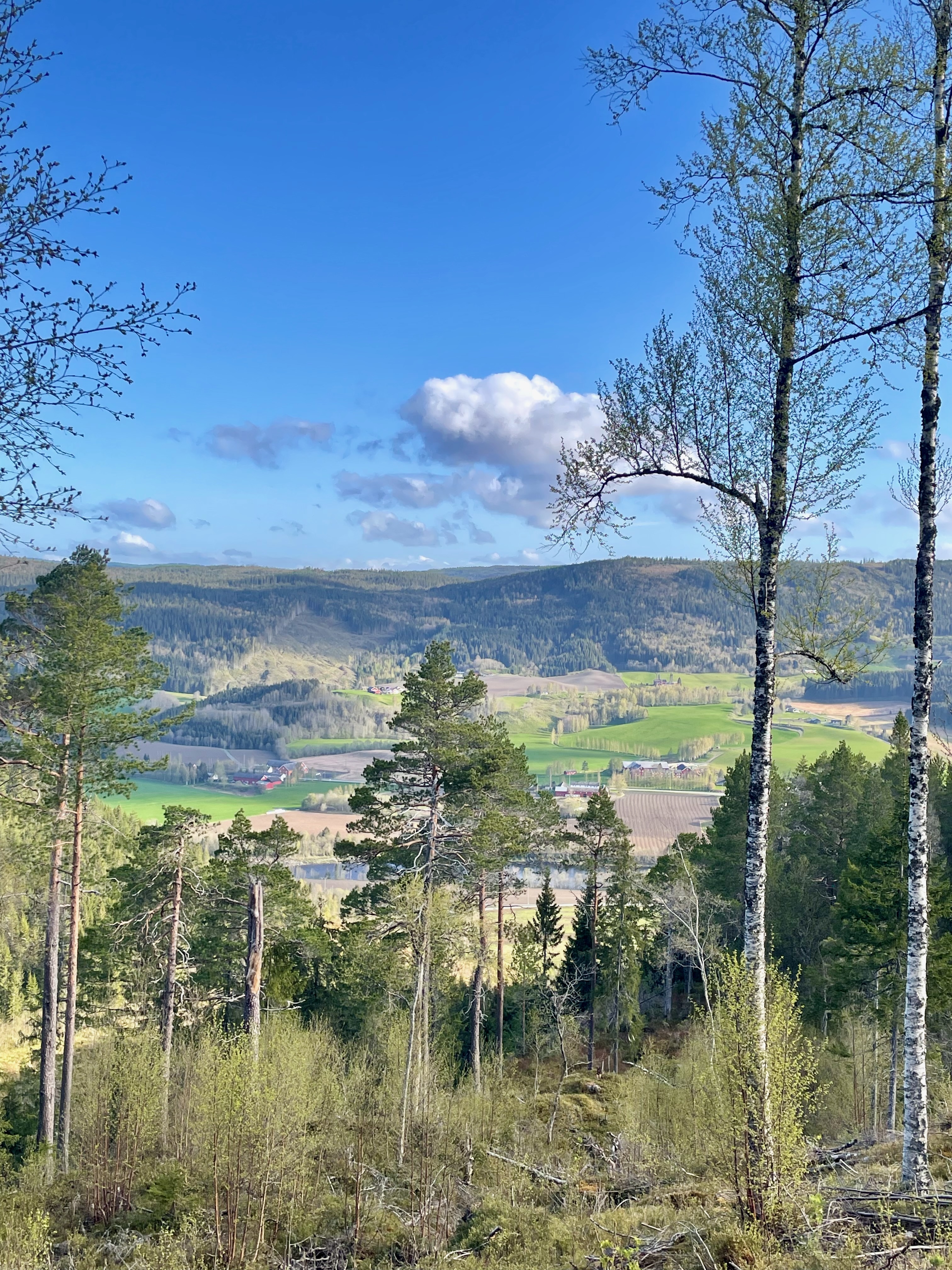
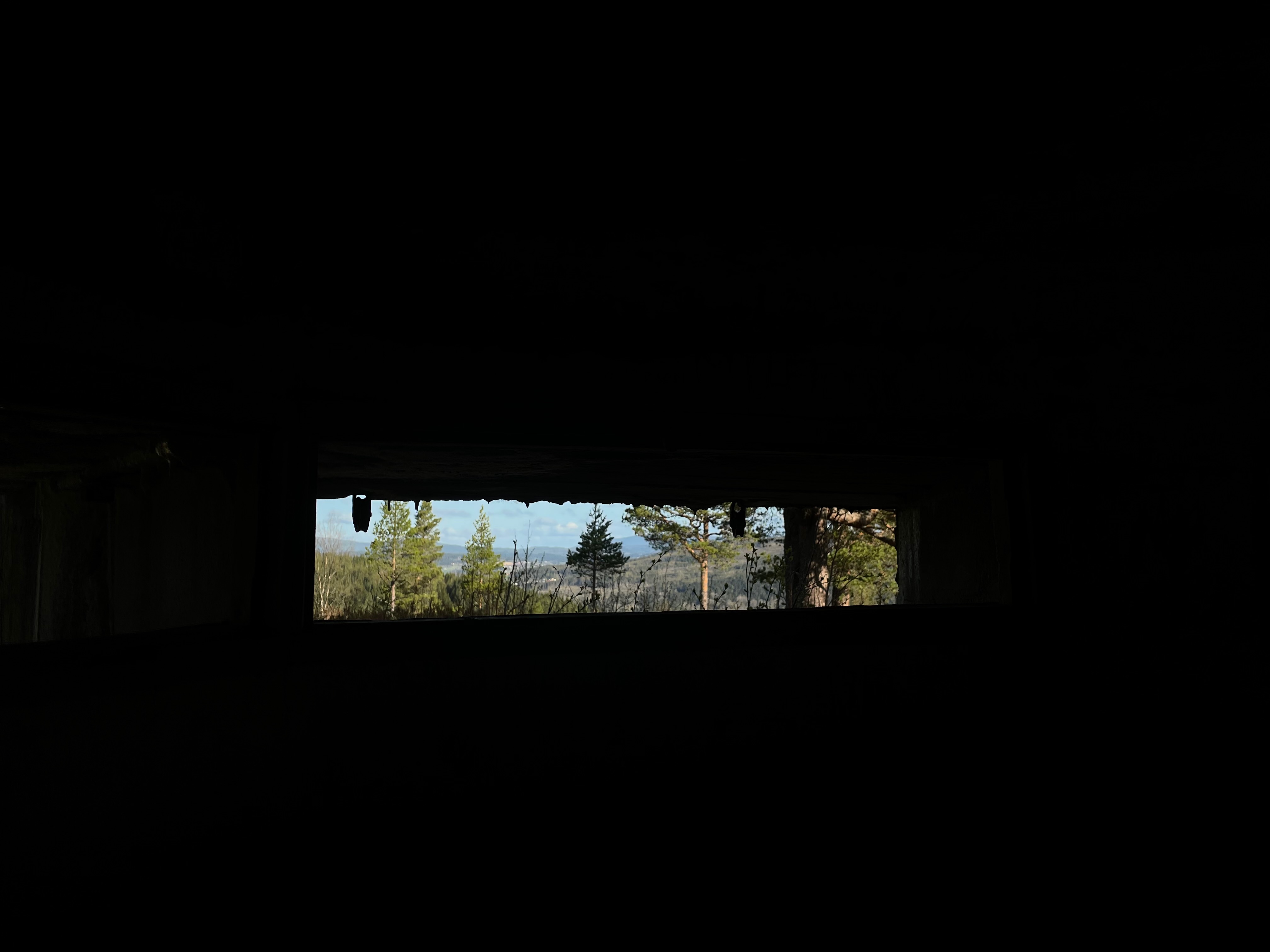
The walk toward the gate already gives you a beautiful view over the surrounding landscape. The fortress sits high enough to show why this location mattered from a military point of view. It looks over the area in a way that makes the defensive purpose easy to understand, even if you are not a military history expert.
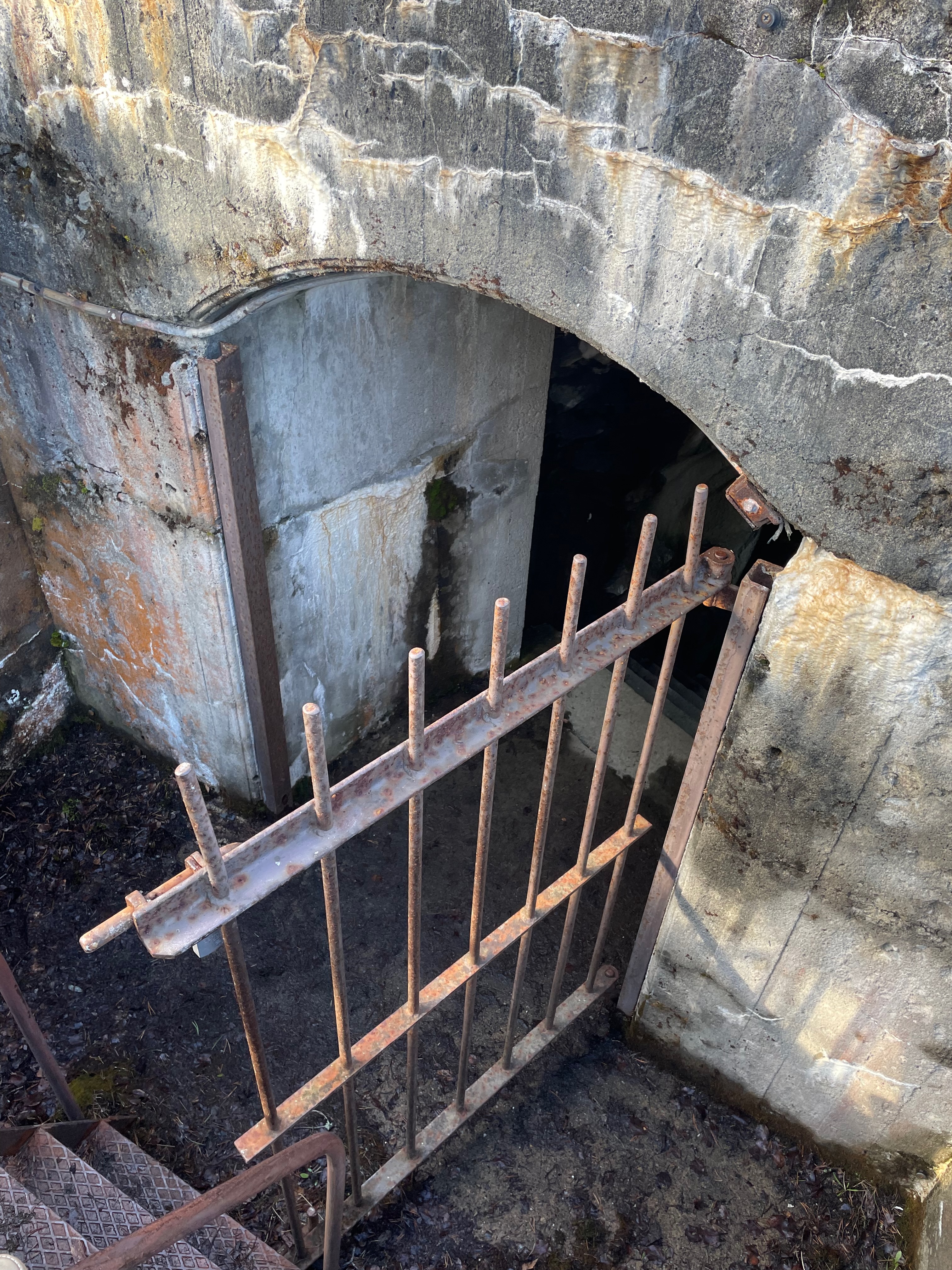
Inside Hegra Fortress, we walked around quietly and took our time. The scale surprised me. There are several viewing points that were once connected to defense and shooting positions, and the underground parts make the site feel more intense. Some areas were closed off, which is understandable for safety and preservation, but enough was open to get a strong impression of the place.
The History Of Hegra Fortress
Hegra Fortress was originally known as Ingstadkleiva Fort. It was built between 1908 and 1910, shortly after the union between Norway and Sweden ended in 1905. At that time, Norway wanted to strengthen its defenses, especially in areas where an attack from the east could be possible.
The fortress was built into the mountainside and designed as a defensive position for the Trøndelag region. It included tunnels, trenches, command areas, gun positions, and underground spaces. In practical terms, it was made to block or slow down an enemy moving toward central Norway.
The fortress remained operational until 1926. After that, it was no longer an active frontline military base, but it was still kept in reserve. Later, parts of the site were used for other purposes, including a Red Cross youth summer camp in the 1930s. Just before World War II, Finnish soldiers who had crossed into Norway during the Winter War period were also interned at the site.
The Battle Of Hegra Fortress In 1940
The most important chapter in the story of Hegra Fortress came in April 1940, when Nazi Germany invaded Norway. Major Hans Reidar Holtermann reactivated the old fortress and organized resistance from the site. Around 250 volunteers, including soldiers, civilians, and one woman, took part in the defense.
From 15 April to 5 May 1940, the fortress became the center of a 25 day resistance. The defenders faced German forces, artillery fire, bombing, patrols, and difficult supply conditions. From a pure military perspective, the fortress could not change the outcome of the invasion, but symbolically it became extremely important. The resistance at Hegra Fortress showed that Norway did not simply give up without a fight.
Eventually, the defenders surrendered on 5 May 1940, after the wider situation in southern Norway had become hopeless and supplies had run low. Today, that story is one of the main reasons people visit the fortress. It is not just a scenic ruin, it is a place connected to endurance, local courage, and Norwegian resistance.
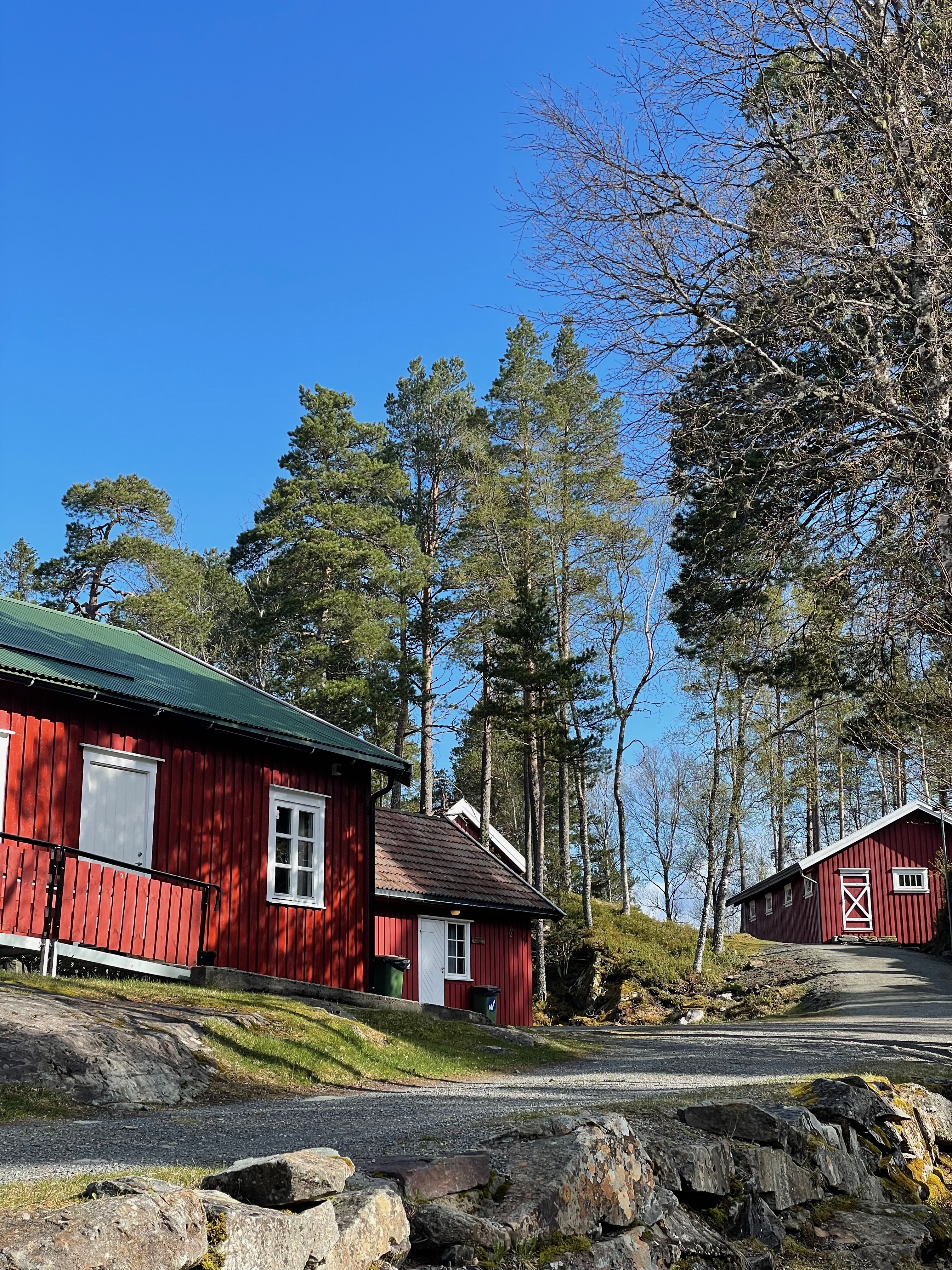
Walking Through The Fortress Grounds
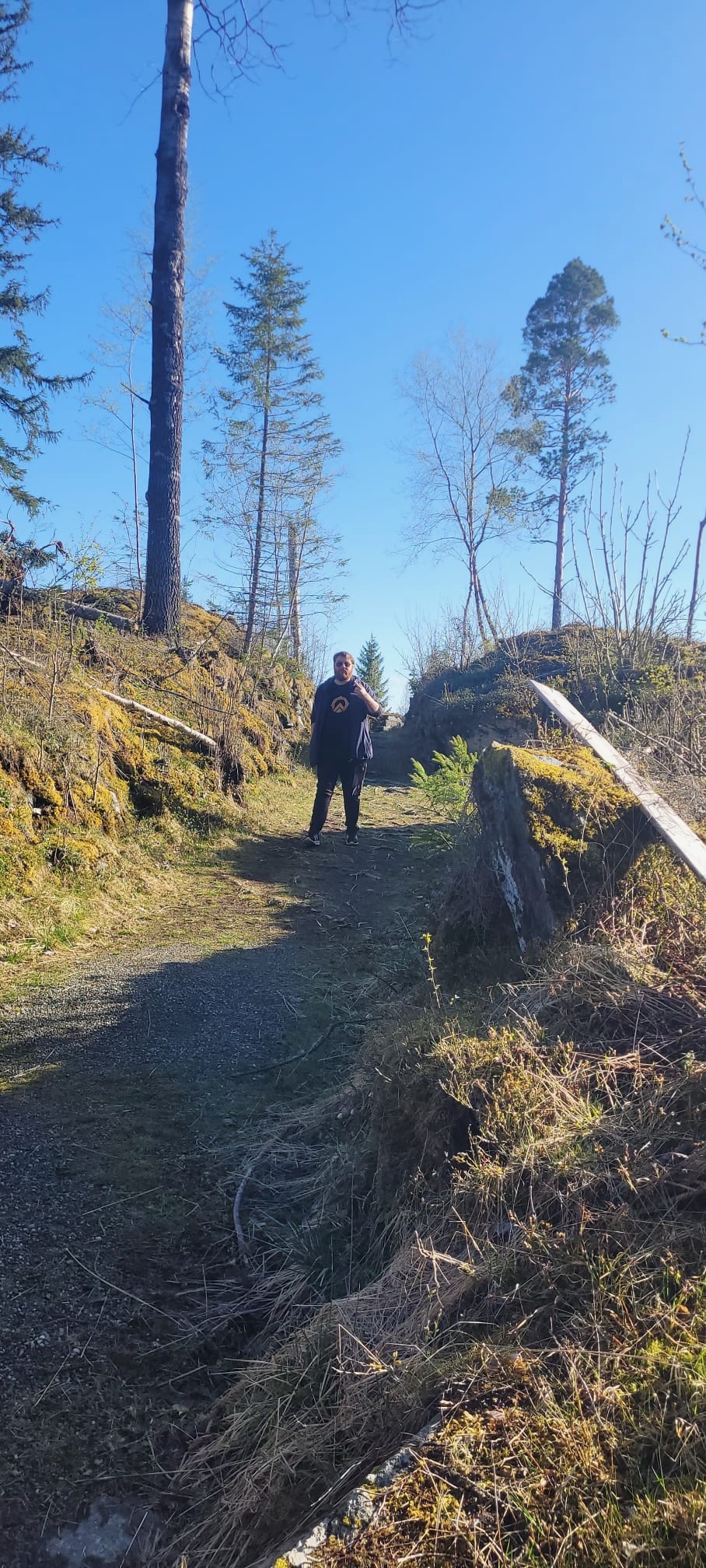
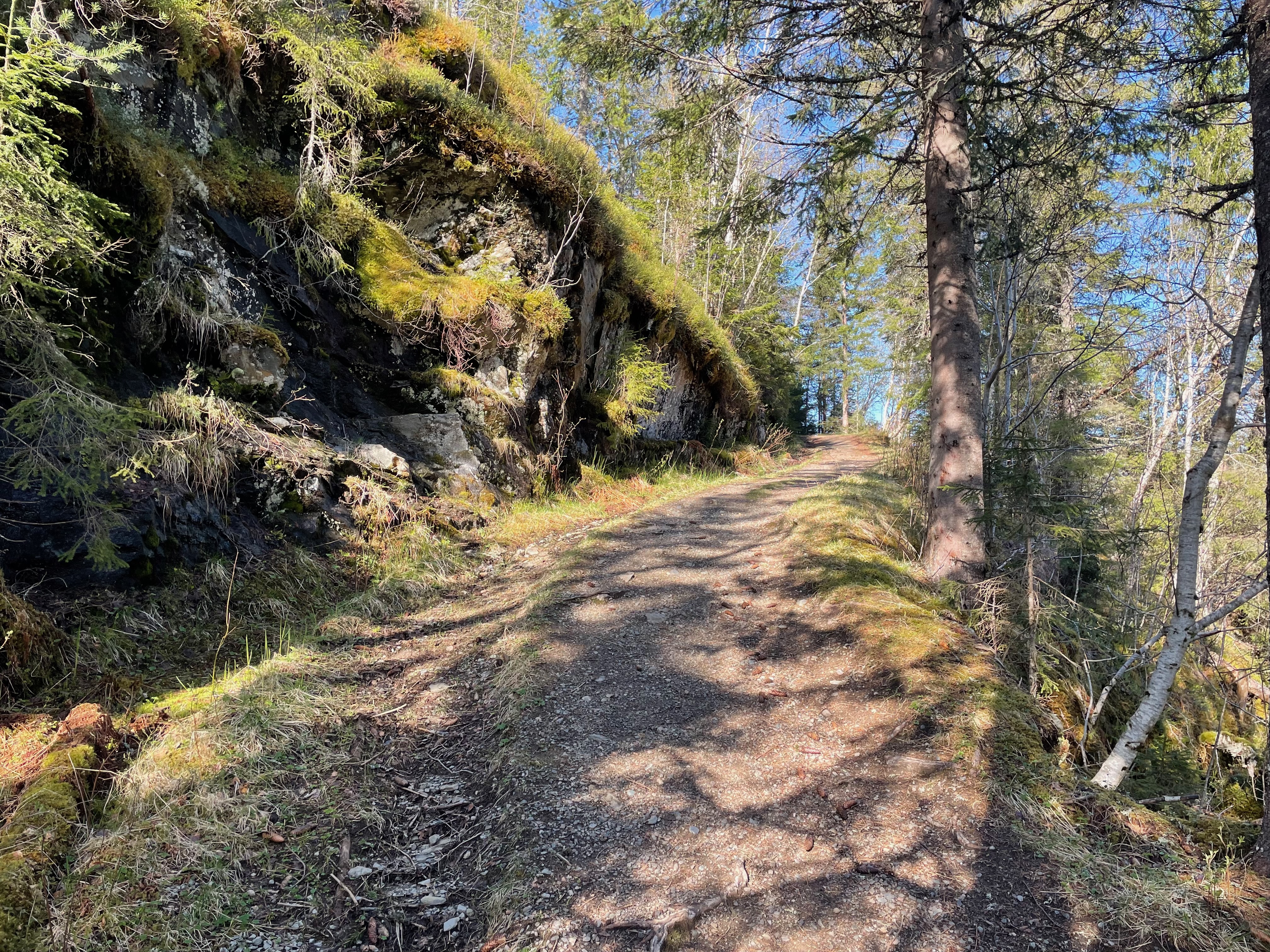
At around 8:50, we had already explored part of the main fortress and started walking toward the old farm area shown on the information boards. This part of the visit required walking down some height differences, so it is good to wear decent shoes. The site is not extremely difficult, but it is not a flat museum floor either.
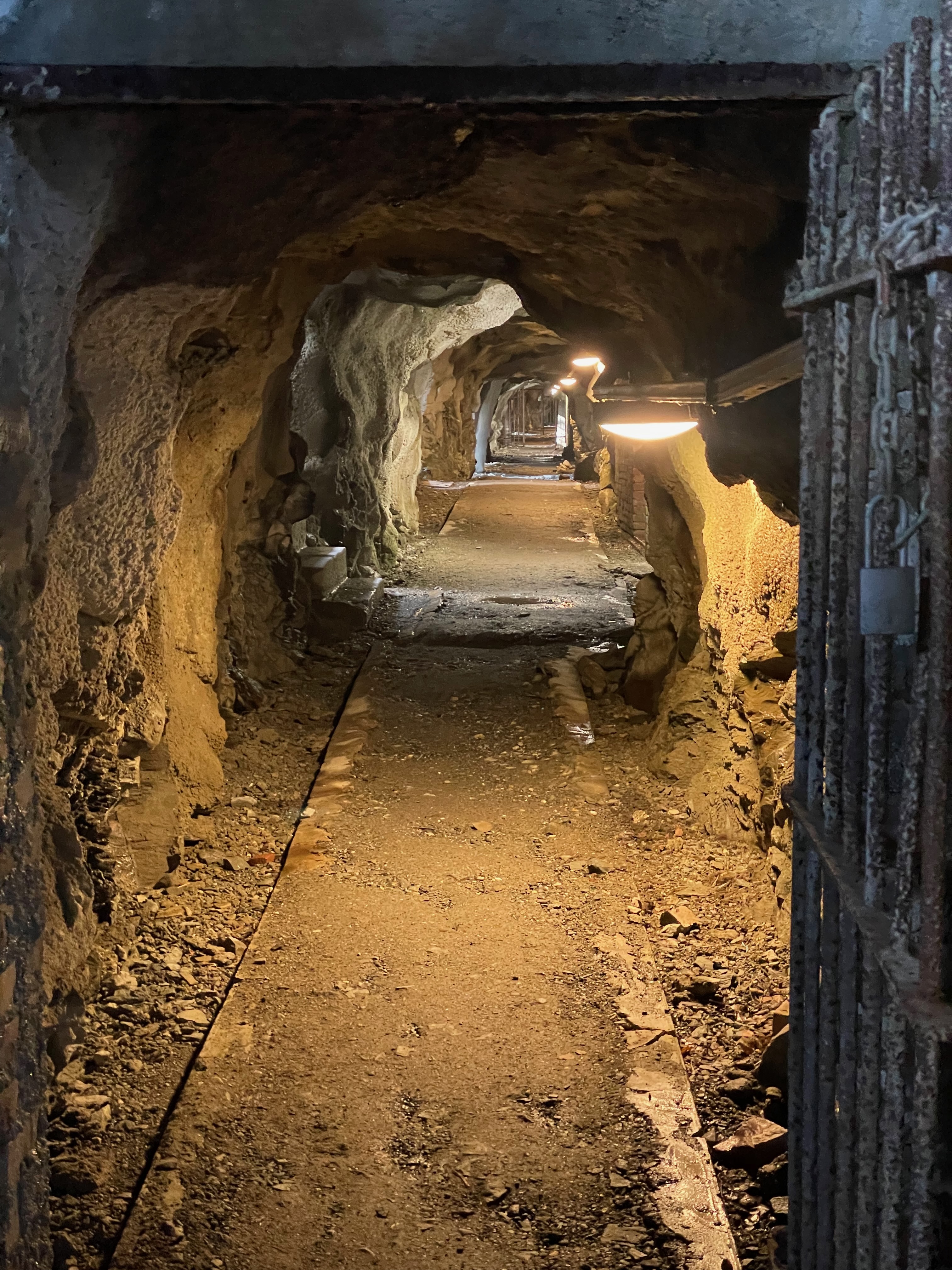
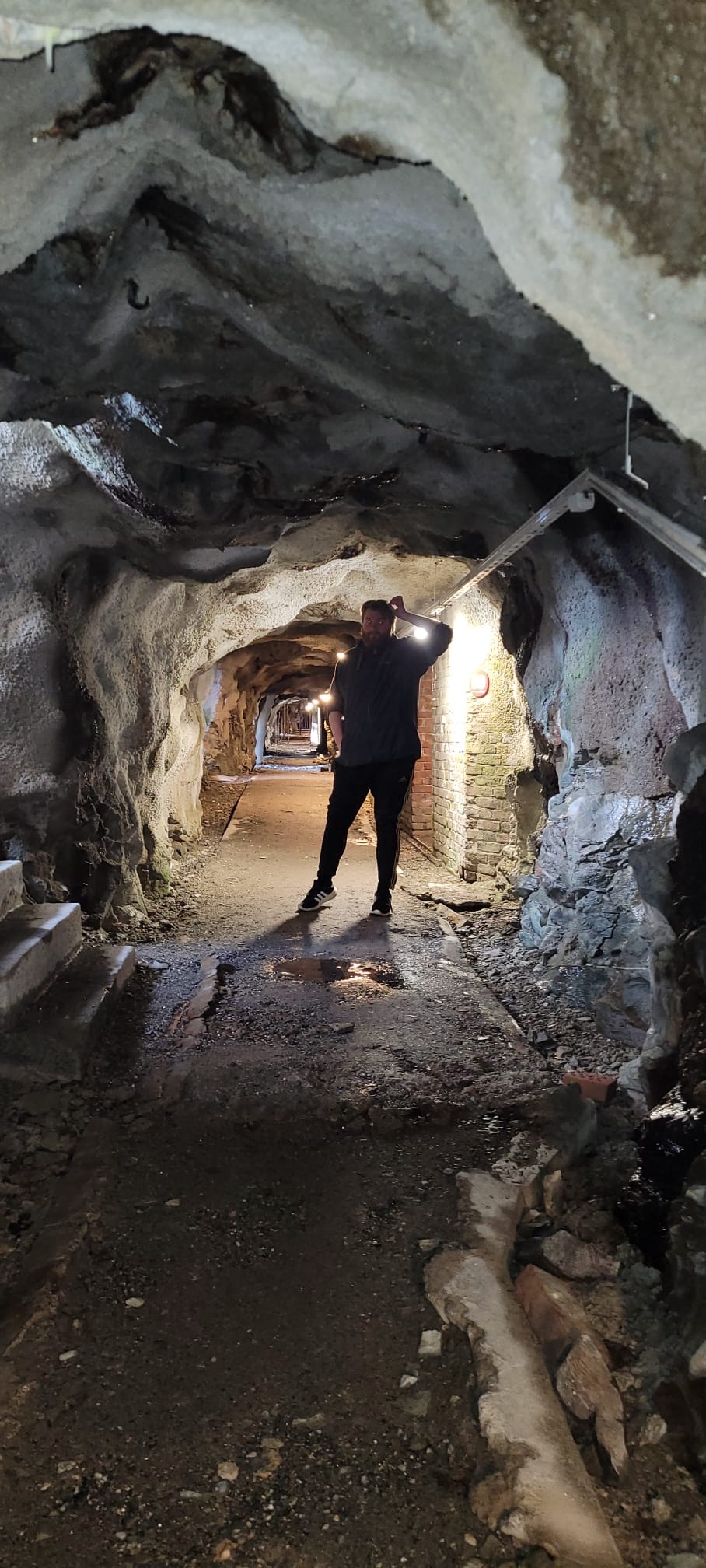
The underground corridors were one of the most impressive parts of Hegra Fortress. They were longer than expected, and walking through them gives a much better sense of how much work went into building this place. The caves, tunnels, and passages are not just decorative remains, they show how the fortress functioned as a real military installation.
Some sections were closed or blocked, but that did not hurt the experience. In a place like this, preservation matters. You still get enough access to understand the layout and atmosphere, while the closed sections also remind you that this is a fragile historic site, not just a tourist playground.

Post highlight
Airbnb in Stjordal Norway, A Simple Farm Cabin Review
Airbnb in Stjordal Norway was exactly the kind of place we needed during our road trip back from Sweden to Netherlands, driving through Norway. Not every…
The Old Farm Ruins Near Hegra Fortress
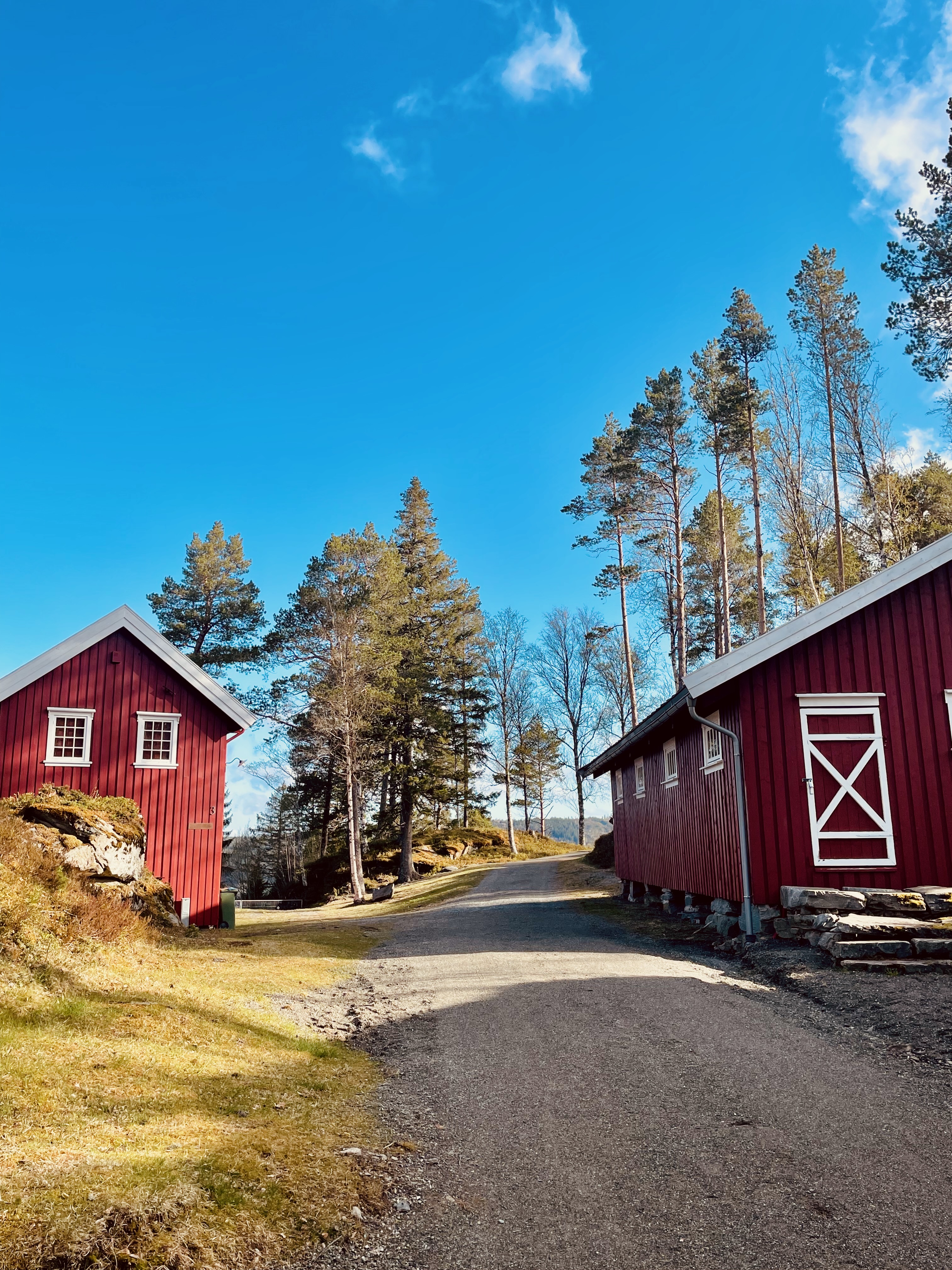
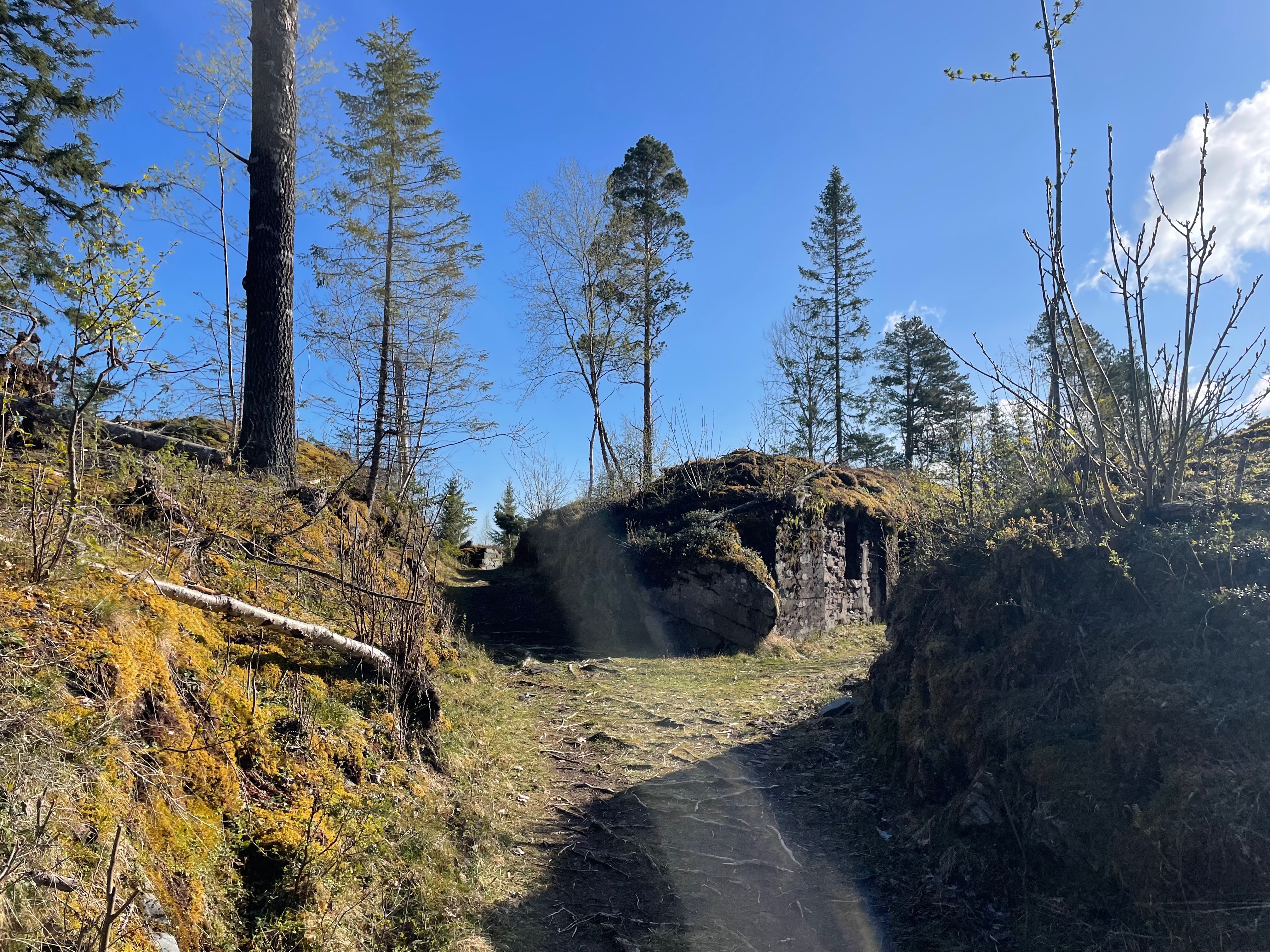
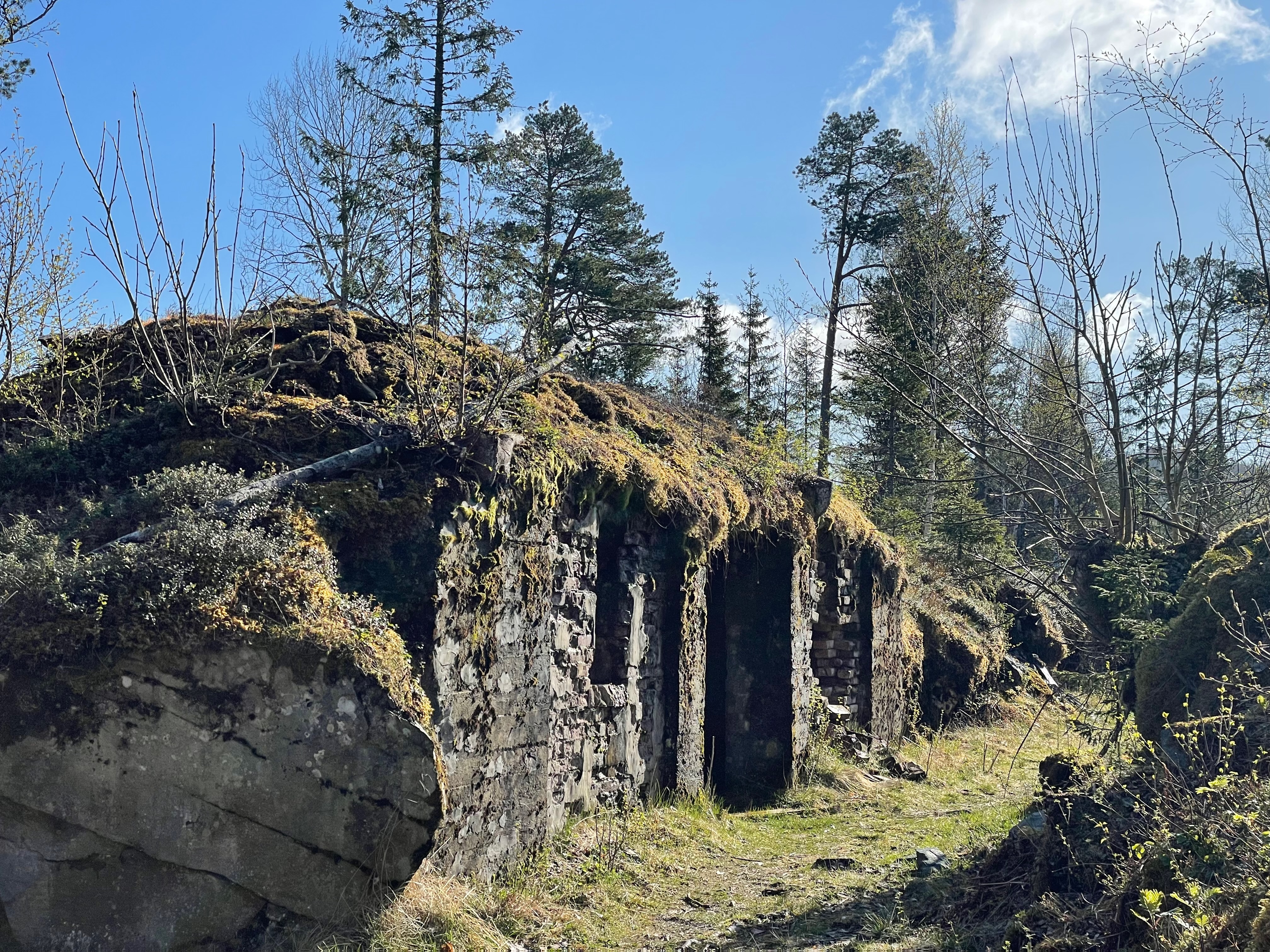
At about 9:05, we reached the old farm ruins. Compared to the fortress itself, there was not a lot to see there. It was mainly ruins and traces of earlier structures, so I would not visit Hegra Fortress only for that part. Still, as a small extension of the walk, it was worth doing.
The route gives you another angle on the area and adds a bit of exploration to the visit. If you like ruins, old landscapes, and quiet side paths, it is a nice addition. If you are short on time, the main fortress, gate, tunnels, information boards, and viewpoints are the real highlights.
By 9:23, we were back and ready to continue to the next place. In just over an hour, we had breakfast, explored the main fortress, walked through parts of the underground area, checked out the old farm ruins, and got a good impression of the site.
Practical Tips For Visiting Hegra Fortress
Hegra Fortress works very well as a morning stop if you are staying in or around Stjørdal. It is especially useful if you have checked out early and need something meaningful to do before continuing your road trip. In our case, it filled the morning perfectly.
The fortress grounds are free to enter, and the toilets were already open during our early visit. The café was still closed, so if you arrive early, bring your own breakfast, coffee, or snacks. That actually made the visit better for us, because breakfast near the entrance gave the morning a slower and more personal start.
If you want the museum or café experience, check the seasonal opening hours before going. If you mainly want to walk around the historic grounds, enjoy the view, and explore the open parts of the fortress, an early visit can be a strong choice.
Is Hegra Fortress Worth It?
Yes, Hegra Fortress is absolutely worth visiting if you are in the Stjørdal or Trondheim area and enjoy history, road trip stops, military sites, viewpoints, or quiet places with a serious story behind them. It is not a polished theme park style attraction. It feels more raw, more real, and more connected to the landscape around it.
For me, the best part was the contrast. We started with a simple breakfast of bread, Norwegian peanut butter, and Dutch fruit sprinkles, then walked into a site connected to one of Norway’s strongest World War II resistance stories. That mix of personal travel memory and heavy history made Hegra Fortress more memorable than expected.
If you are traveling through Trøndelag, especially after staying near Stjørdal, this is a smart and meaningful stop. You do not need a full day, but you should give yourself enough time to walk, read the signs, enter the open sections, look over the valley, and understand why this fortress still matters.
Hegra Fortress is one of those places where the view is beautiful, the history is heavy, and the visit feels stronger because the site still looks and feels like a real defensive position. For a spontaneous morning stop, it turned out to be a powerful one.