
Northern Lights Netherlands January 2026 is not something you expect to write about from a quiet residential street in Waddinxveen. Yet on January 19, 2026, that exact phrase became reality. What started as a low probability alert turned into one of the most remarkable aurora sightings the Netherlands has seen in years.
A 1 Percent Chance That Turned Into Reality
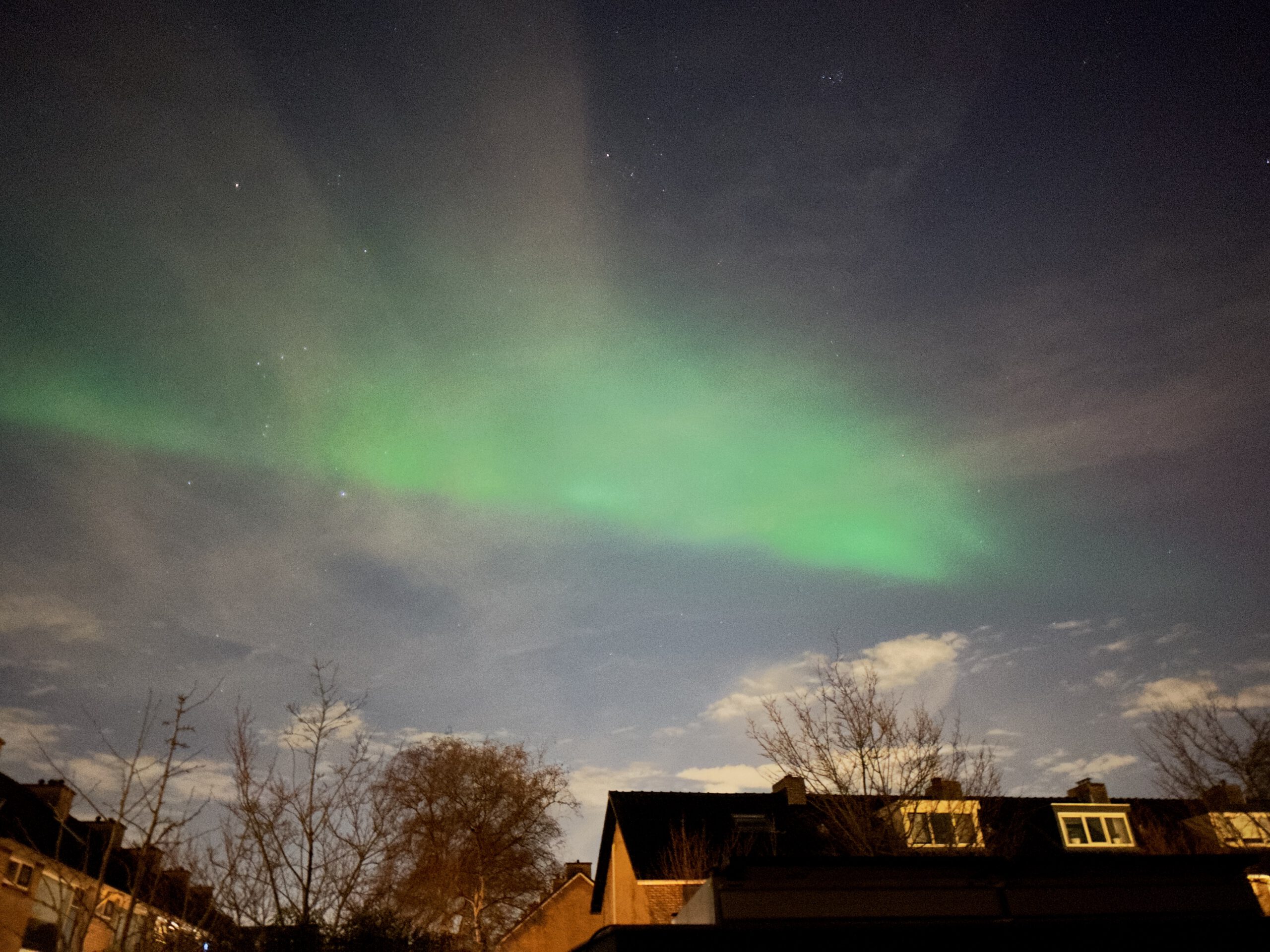
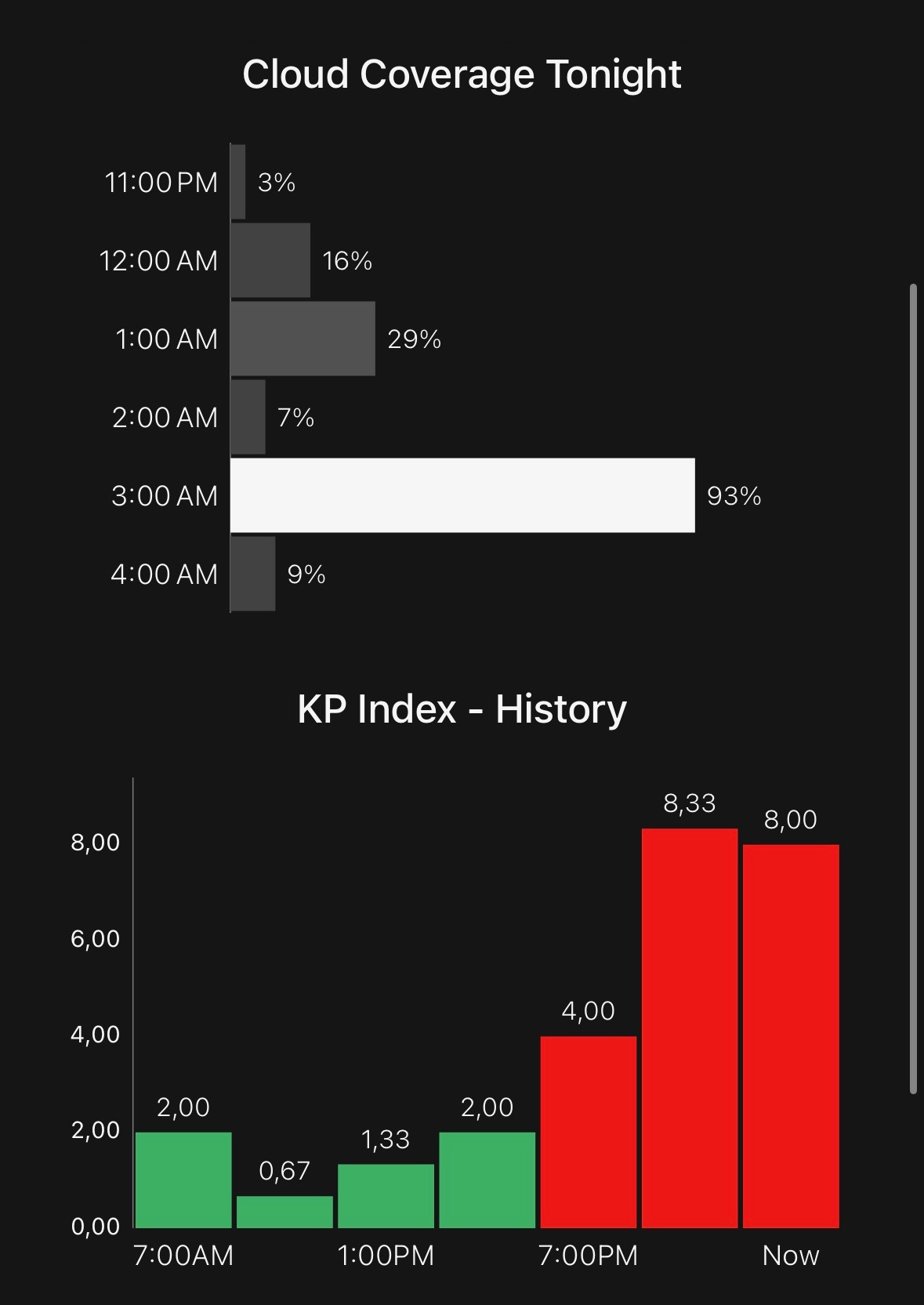
Around 22:24, a message came in from a close friend. A photo, unmistakable. Green and subtle red hues dancing above the Dutch skyline. At the same time, the Aurora Pro app sent a notification. Northern Lights Netherlands January 2026, possible but unlikely. Estimated visibility, just 1 percent. KP index, an extreme 8.0.
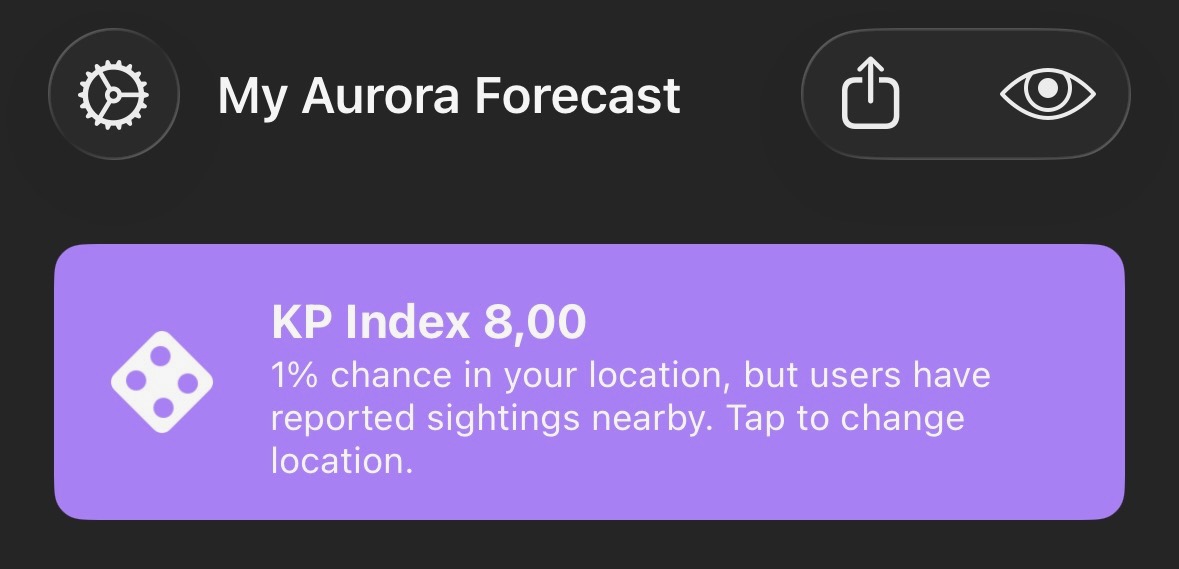
That percentage turned out to mean absolutely nothing.
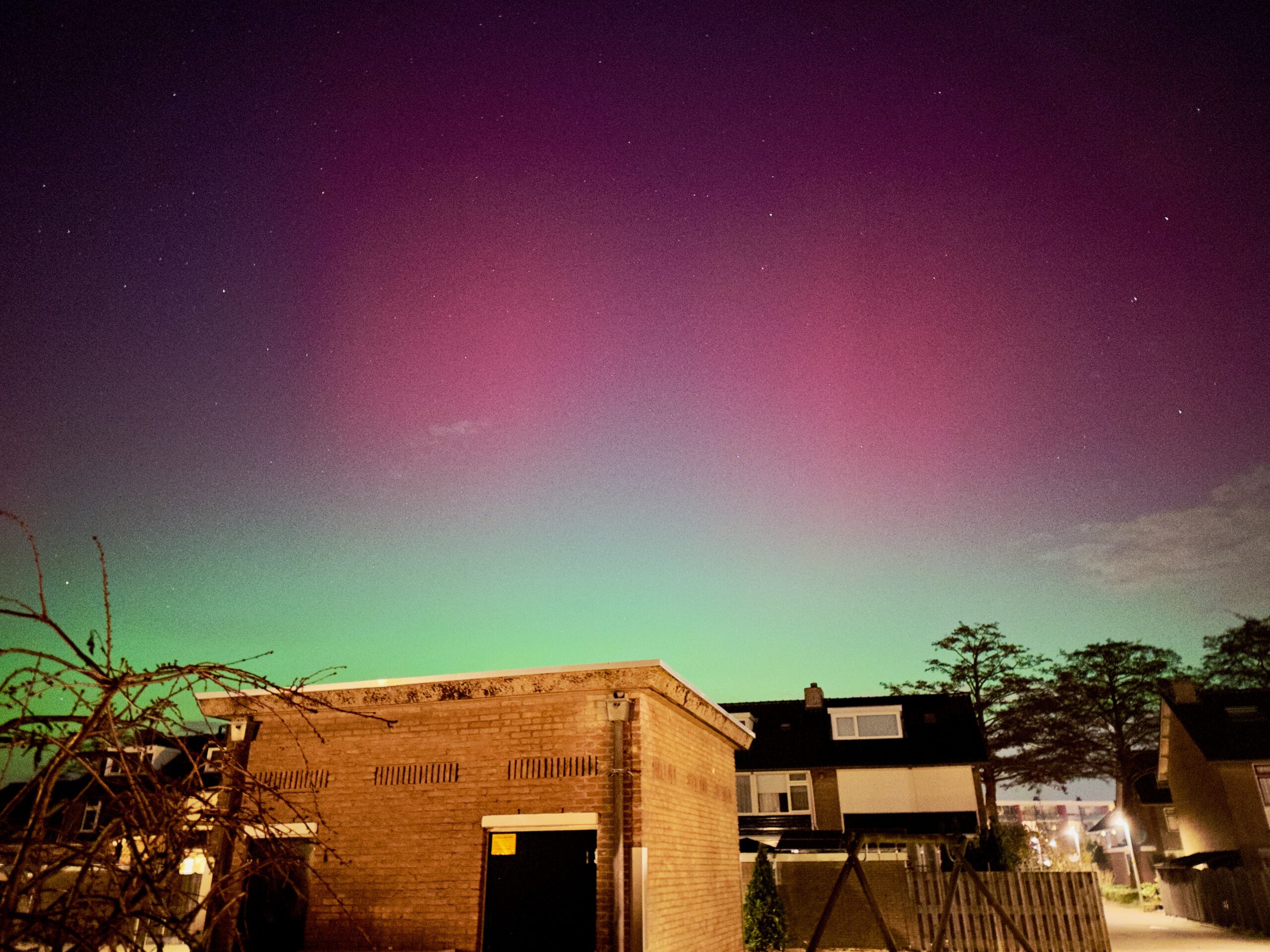
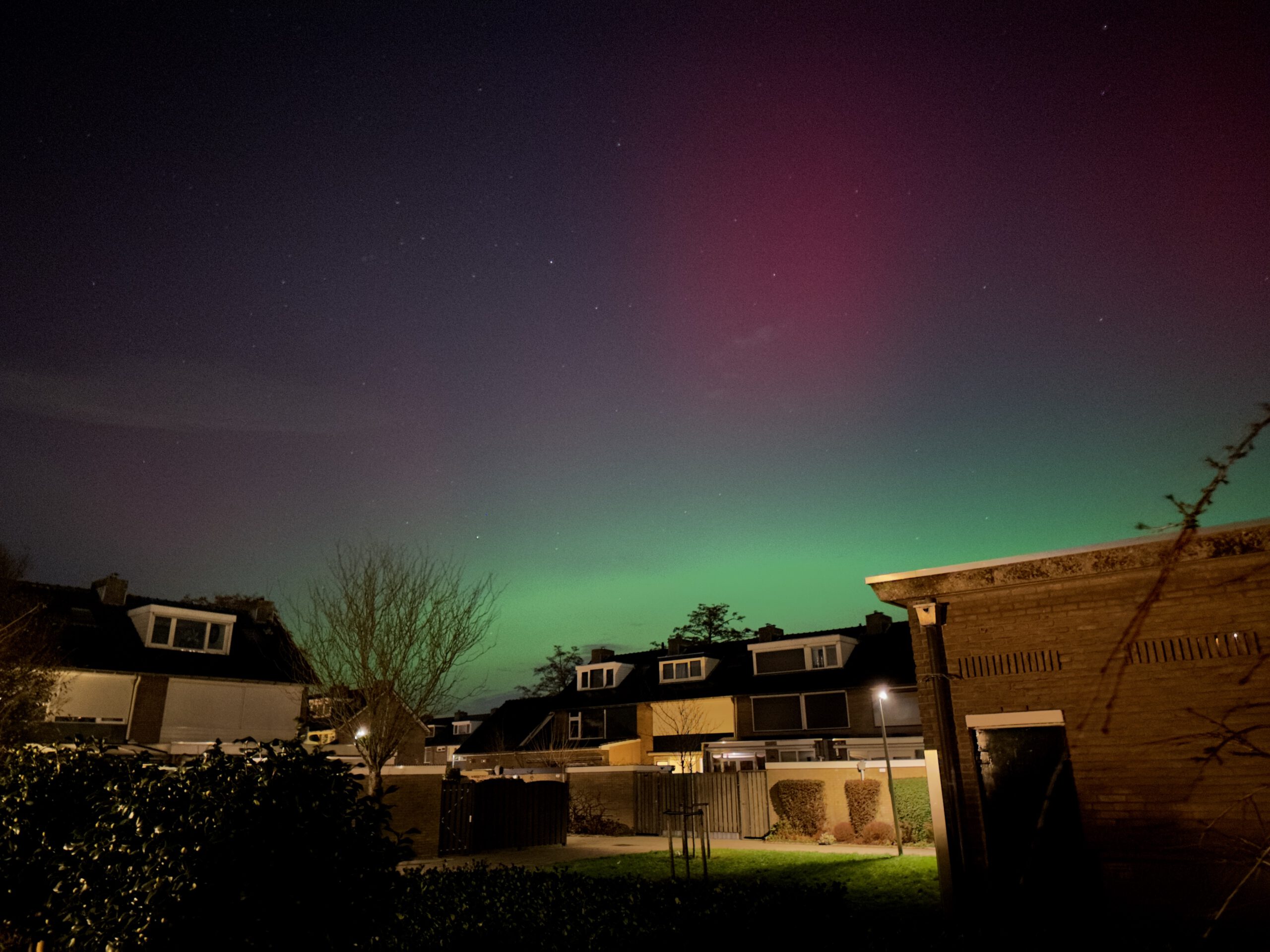
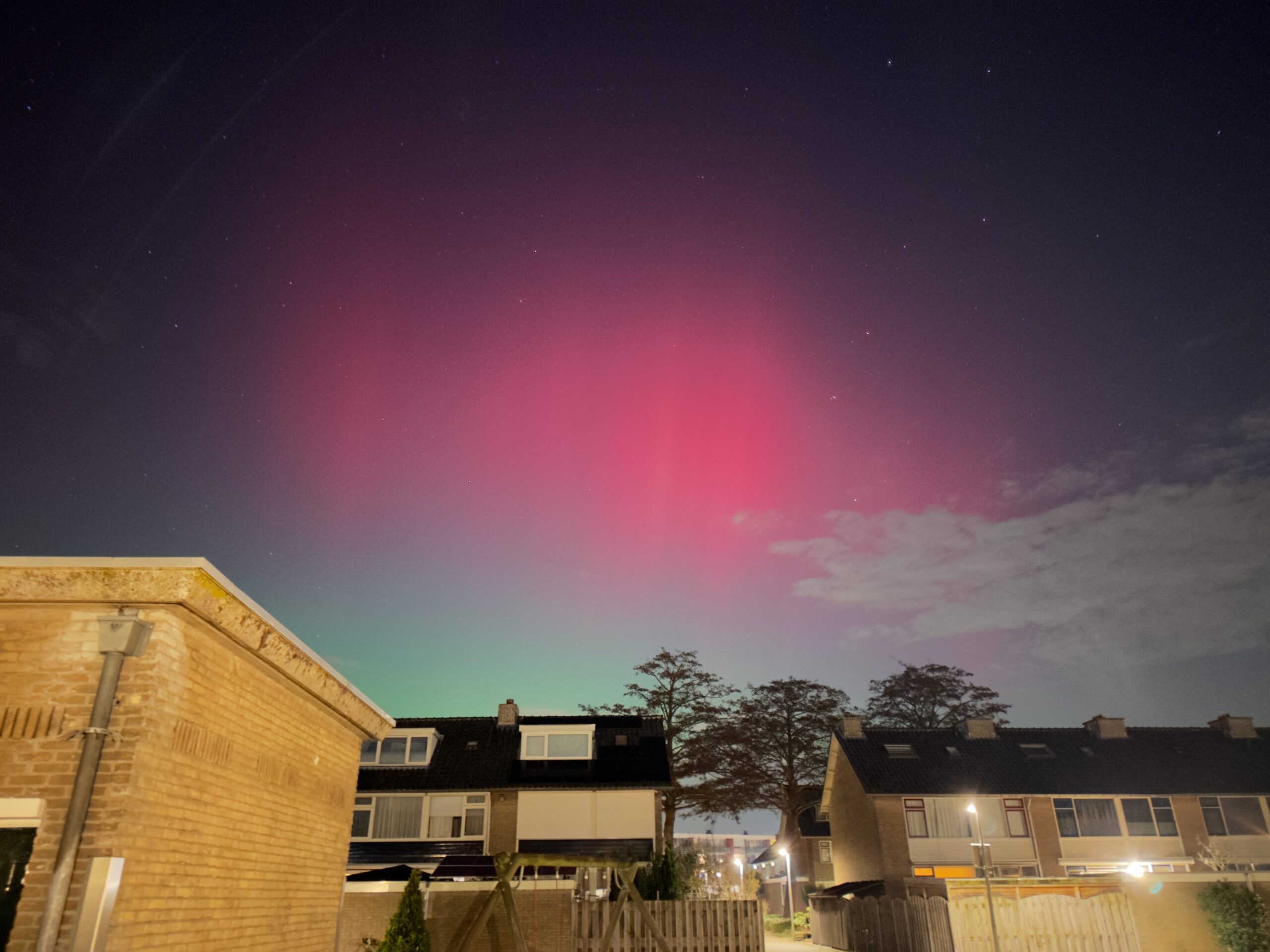
Standing in the front yard, and later in the backyard facing south, the aurora was clearly visible. With the naked eye it appeared as soft moving bands, while an iPhone in night mode revealed sharp colors and structure. This was not a faint glow on the horizon. This was active, living aurora.
Northern Lights in Waddinxveen, Almost Unbelievable
Northern Lights Waddinxveen is not a phrase you see often. Waddinxveen sits far south of the typical auroral oval. Normally, aurora borealis stays close to Scandinavia, Iceland, northern Canada, and Alaska.
That makes Northern Lights Netherlands January 2026 exceptional. Even more so because visibility was not limited to the northern horizon. The aurora was visible overhead and toward the south, something that only happens during very strong geomagnetic storms.
Having lived in Lapland before, where aurora sightings are common, the comparison was unavoidable. The intensity and clarity that night in the Netherlands matched many Lapland nights. That alone says everything.
How the Northern Lights Are Formed
To understand Northern Lights Netherlands January 2026, you need to look at the Sun.
The aurora borealis forms when charged particles from the Sun are ejected during solar flares or coronal mass ejections. These particles travel at speeds up to 700 kilometers per second and collide with Earth’s magnetosphere.
The Earth’s magnetic field funnels these particles toward the poles, where they collide with oxygen and nitrogen atoms in the upper atmosphere, between roughly 80 and 1,000 kilometers altitude. These collisions release energy as light.
Green light is the most common and comes from oxygen at around 100 to 300 kilometers altitude. Red aurora occurs higher up, while purple and blue tones come from nitrogen interactions.
Why It Was Visible in the Netherlands
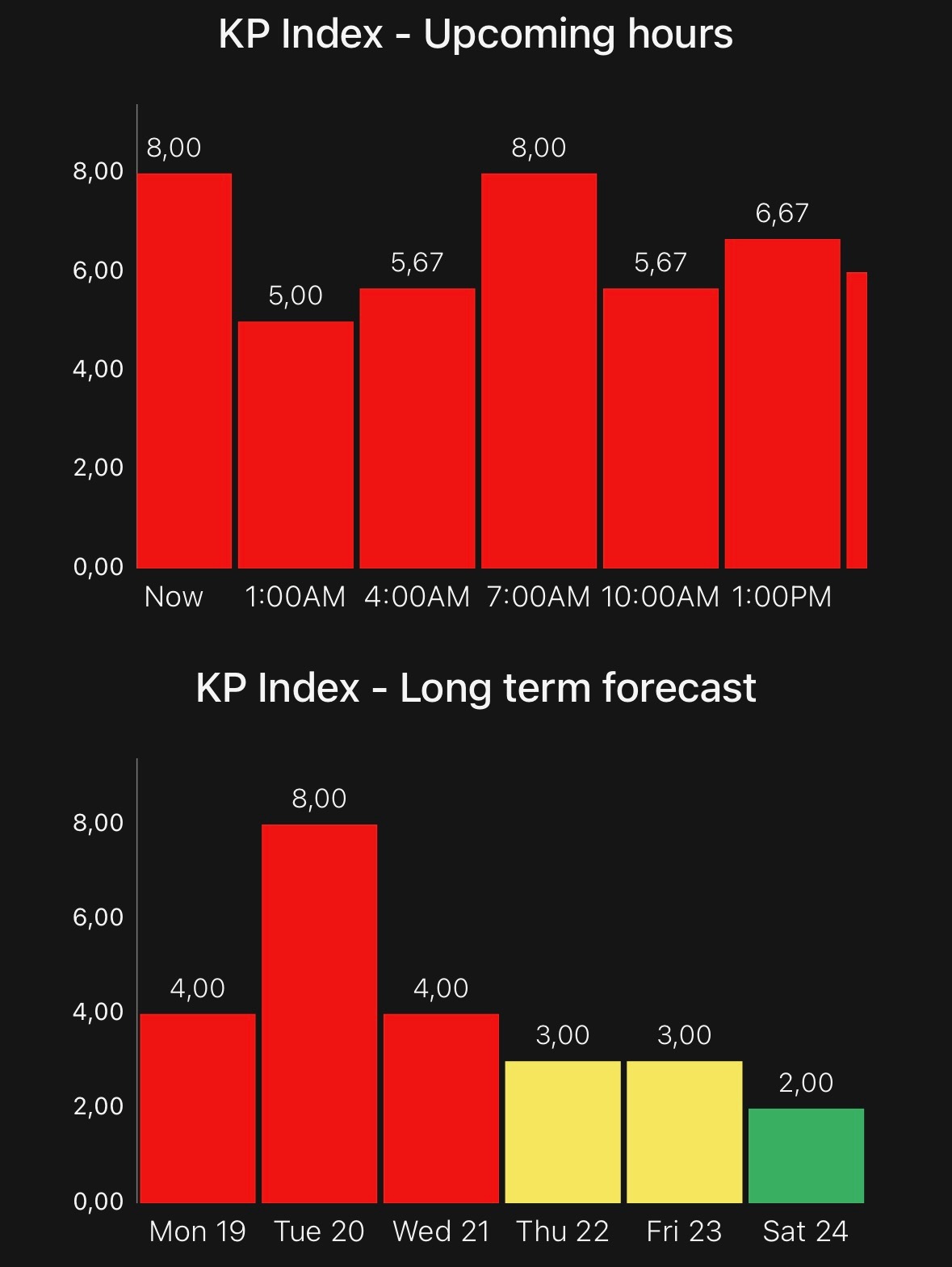
Northern Lights Netherlands January 2026 happened because of a powerful geomagnetic storm. A KP index of 8.0 indicates a major disturbance in Earth’s magnetic field.
During such events, the auroral oval expands far south. According to scientific records and Wikipedia, aurora in the Netherlands is rare and usually only occurs once every few years, mostly during periods of high solar activity.
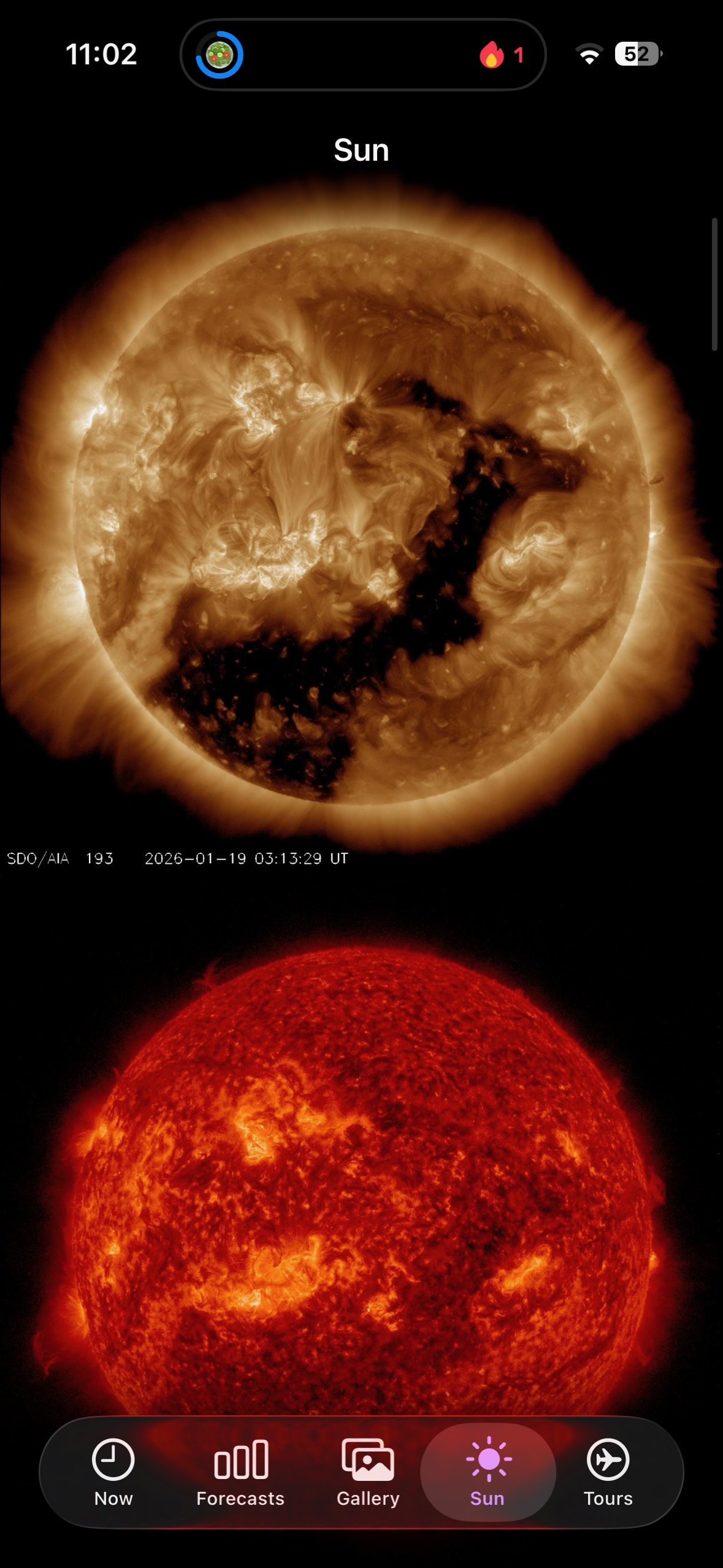
NASA previously predicted that the solar maximum would occur around 2025. This event fits perfectly within that cycle. Stronger solar storms mean aurora can be seen at lower latitudes, including the Netherlands.
What Dutch News Outlets Reported
On January 19, 2026, multiple Dutch news outlets reported aurora sightings across the country.
In Brabant, the Northern Lights were visible with the naked eye, something described as highly unusual. In Zuid Limburg, residents reported colorful skies, confirming that the aurora reached extremely southern parts of the Netherlands.
In Noord Groningen and along the Wadden Sea, the aurora was especially intense, with visible pillars and vibrant colors. National outlets urged people to go outside immediately, calling it a rare and fleeting opportunity.
Northern Lights Netherlands January 2026 quickly became a nationwide phenomenon.
Northern Lights in the Netherlands, What History Tells Us
Wikipedia describes aurora sightings in the Netherlands as sporadic. On average, only a handful of nights per year show any auroral activity, often weak and only visible on long exposure photos.
Strong events, visible with the naked eye, are much rarer and usually linked to exceptional solar storms. The January 2026 event will likely be remembered alongside major aurora events from past decades.
For Waddinxveen specifically, this night stands out as an extreme anomaly.
Capturing the Moment
While cameras revealed more detail, what made Northern Lights Netherlands January 2026 special was that no equipment was truly needed. The movement, the subtle shifts, and the calm intensity were visible in real time.
Smartphones in night mode enhanced colors and contrast, but the experience itself was unmistakable. A quiet Dutch night briefly felt like the Arctic.
A Once in a Generation Dutch Aurora Night
Northern Lights Netherlands January 2026 was not just a rare event. It was a reminder of how dynamic our planet and Sun truly are. From Lapland to Waddinxveen, the same cosmic forces were at play.
This night proved that sometimes, even a 1 percent chance is more than enough.