

Durbuy travel experience starts quietly when you arrive before the crowds wake up. Before checking into our Airbnb in Aywaille, we decided to visit Durbuy first. Not as a rushed stop, not as a checklist destination, but as a slow introduction to the Ardennes. That choice shaped the entire experience.
Durbuy is often called the smallest city in the world. Whether that title is officially correct does not really matter once you walk into the old center. The scale feels human, the streets feel lived in, and everything invites you to slow down.
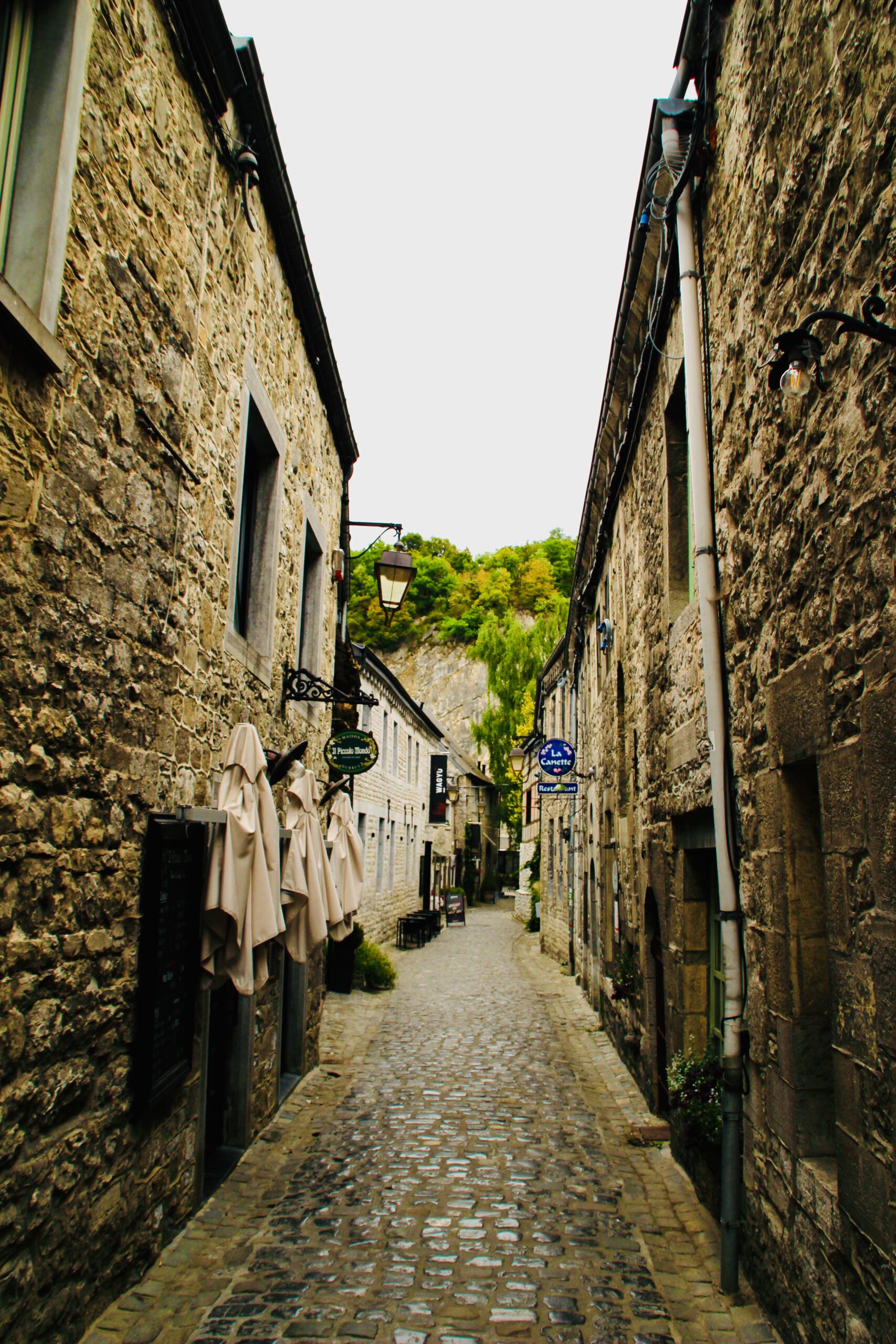
Arriving in Durbuy Before Check In
Our Durbuy travel experience began with parking on Av. Louis de Loncin. This is not free parking, but it is extremely practical. From here, everything in the historic center is within easy walking distance. We paid using EasyPark, which worked smoothly and removed any stress about time limits.
Arriving early in the morning made a big difference. The streets were calm, the air felt fresh, and the town felt more like a village waking up than a tourist hotspot.
Walking Into the Old Town of Durbuy
From the parking area, we walked straight into the old village of Durbuy. Crossing the bridge immediately sets the tone. The river Ourthe flows quietly alongside the town, and the stone buildings reflect centuries of history.
This part of the Durbuy travel experience feels almost cinematic. Narrow streets, uneven stone paths, and views that naturally guide you deeper into town without signs or directions.
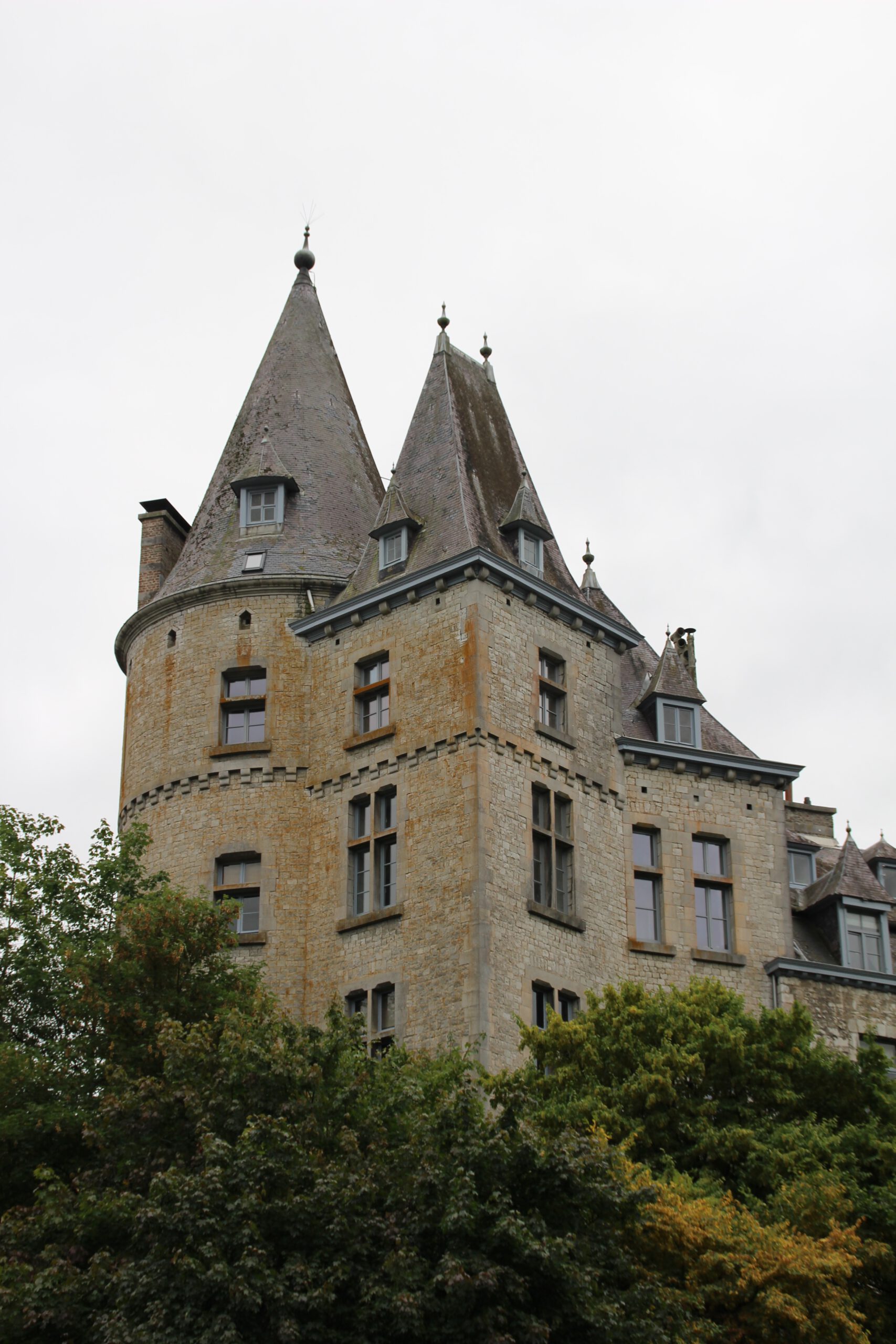
Castle of Durbuy and the Riverside Atmosphere
Walking further, the Castle of Durbuy comes into view. Sitting above the town and overlooking the Ourthe, the castle adds a strong medieval character to the surroundings. The current structure dates back to the nineteenth century, but its roots go much further into the past.
You do not need to enter the castle to appreciate it. Simply seeing it from different angles while walking through town is enough to understand how important this location once was for defense and trade.
Visiting Église Saint Nicolas in Durbuy
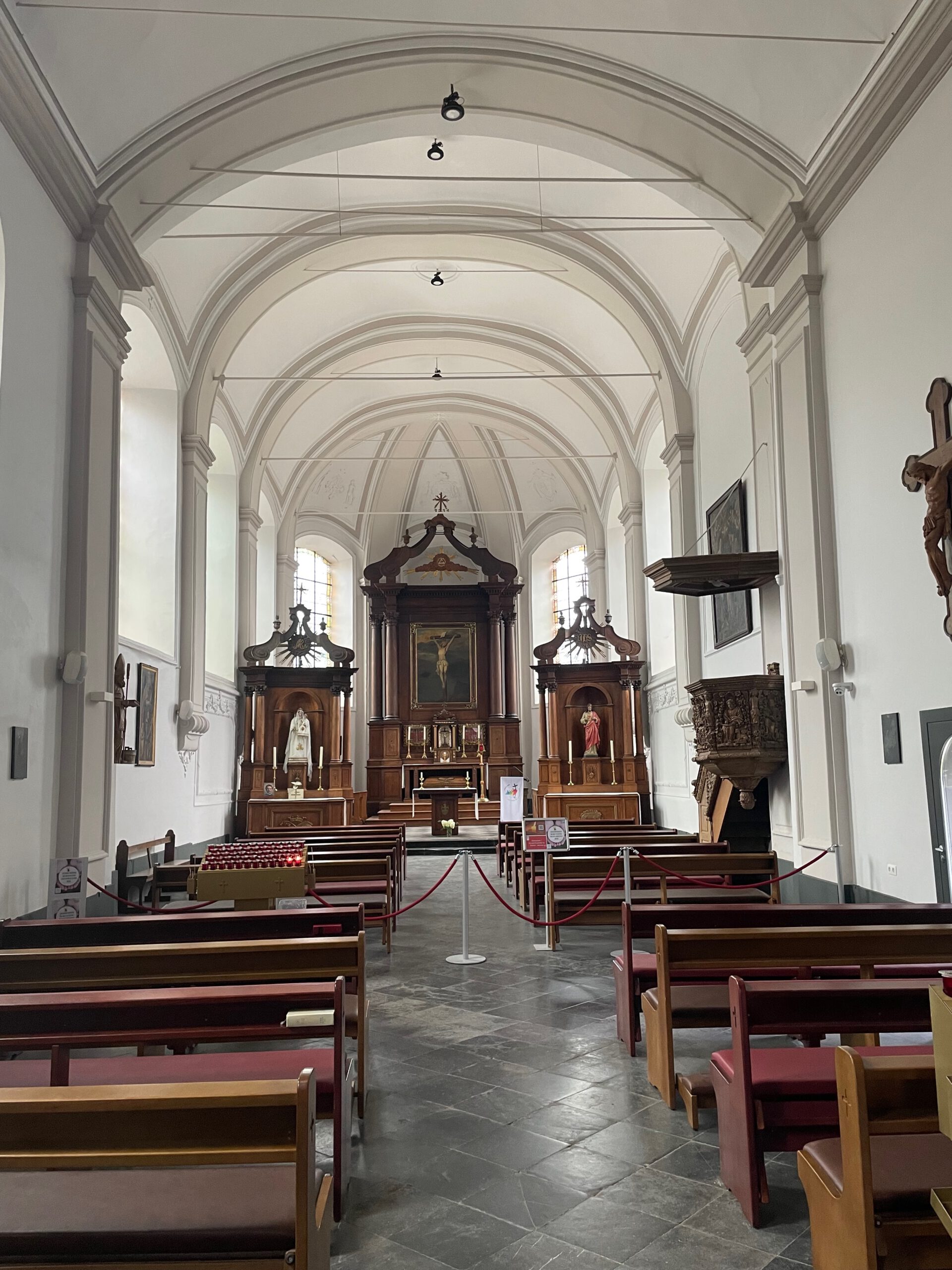
One of the most meaningful moments of our Durbuy travel experience was visiting the Église Saint Nicolas, located at 6940 Durbuy, Belgium. The church was open to the public, which already says something about the welcoming nature of the town.
Inside, visitors can light a candle and leave a small donation. We chose to do so. It is a quiet, respectful space that offers a moment of reflection. There is also information available about both the church and the village itself, adding historical context to the visit.
The church dates back to the seventeenth century and stands as a reminder that Durbuy has always been more than just a tourist stop.
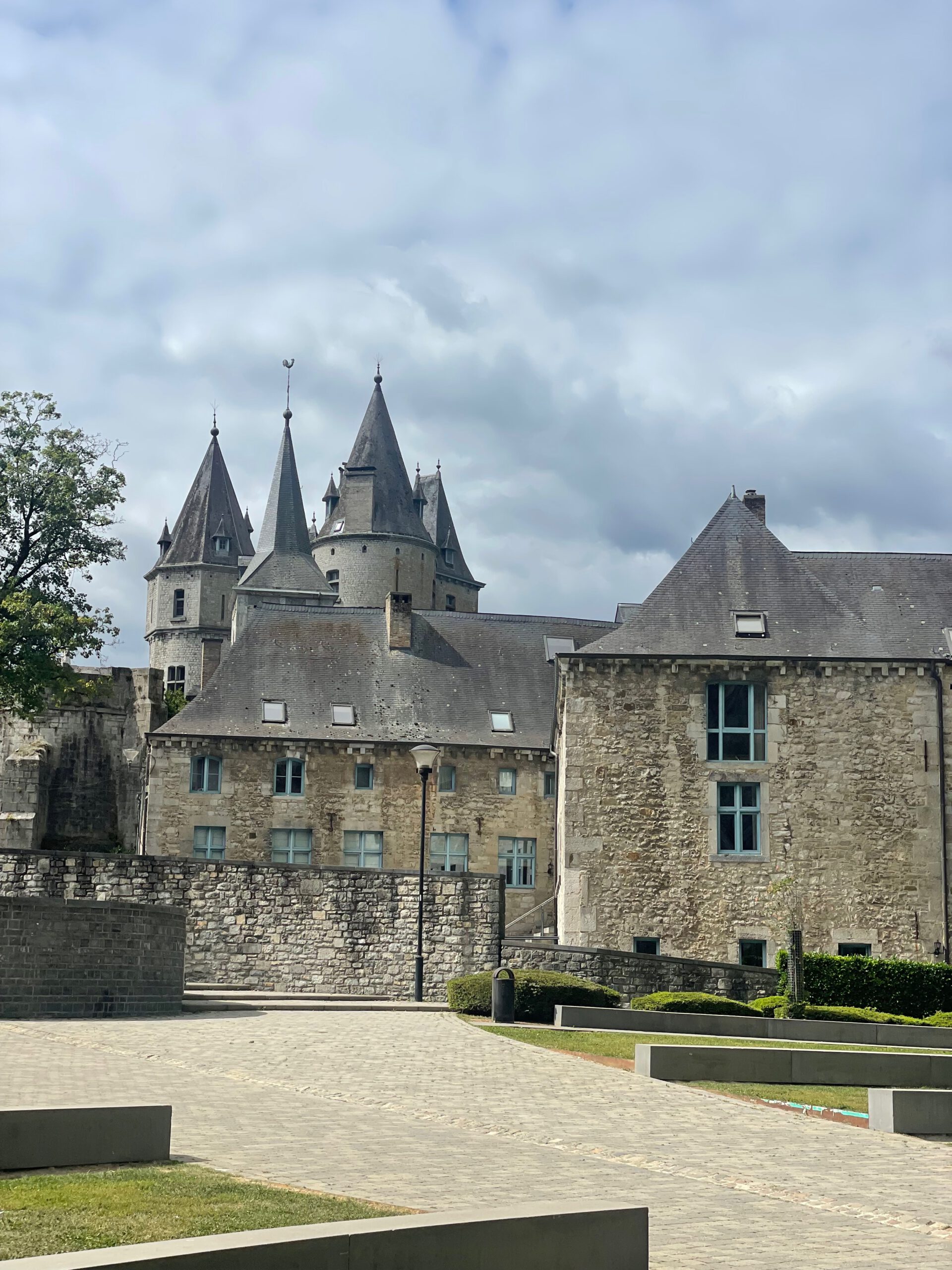
Morning Crowds and Closed Doors
As we continued walking, we passed Wagyu, located next to the church, then turned the corner toward the castle area. By 10:30 in the morning, one of the terraces nearby was already completely packed.
Interestingly, most other places were still closed. This contrast stood out. Durbuy clearly wakes up in waves, with terraces filling fast while shops and restaurants open later in the day. Arriving early lets you experience the town before it fully shifts into tourist mode.
Lunch at Édouard Garden Café
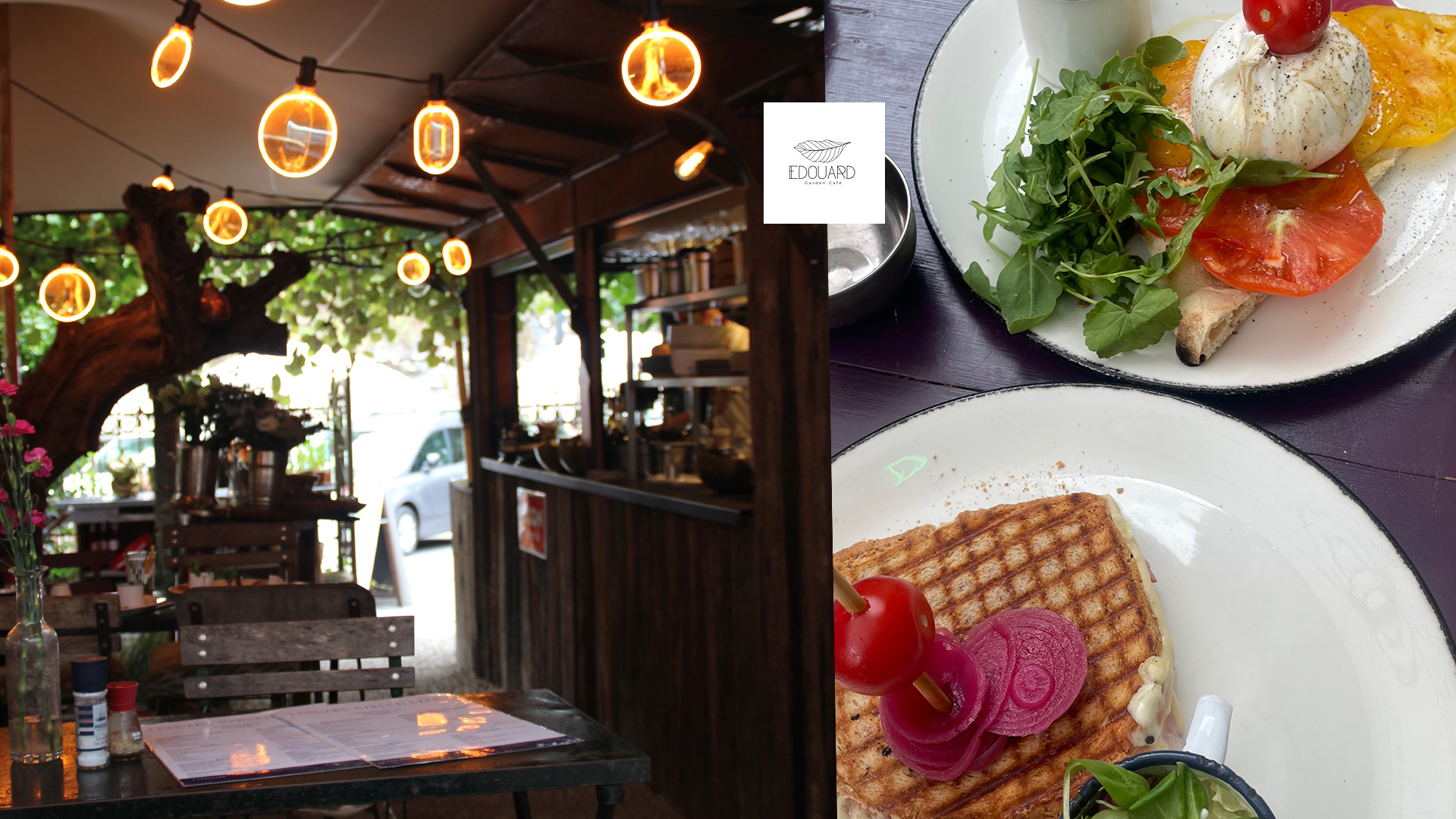
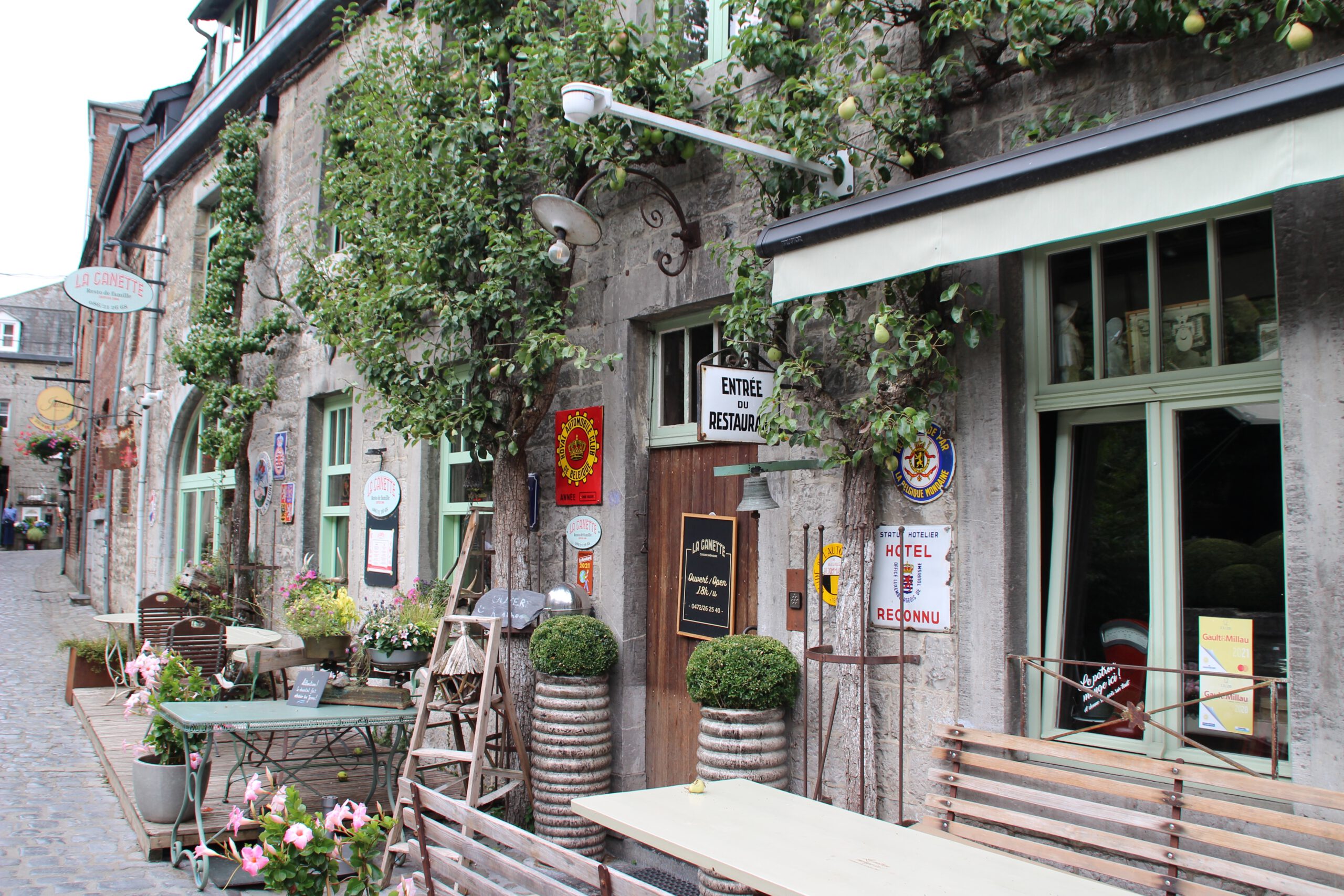
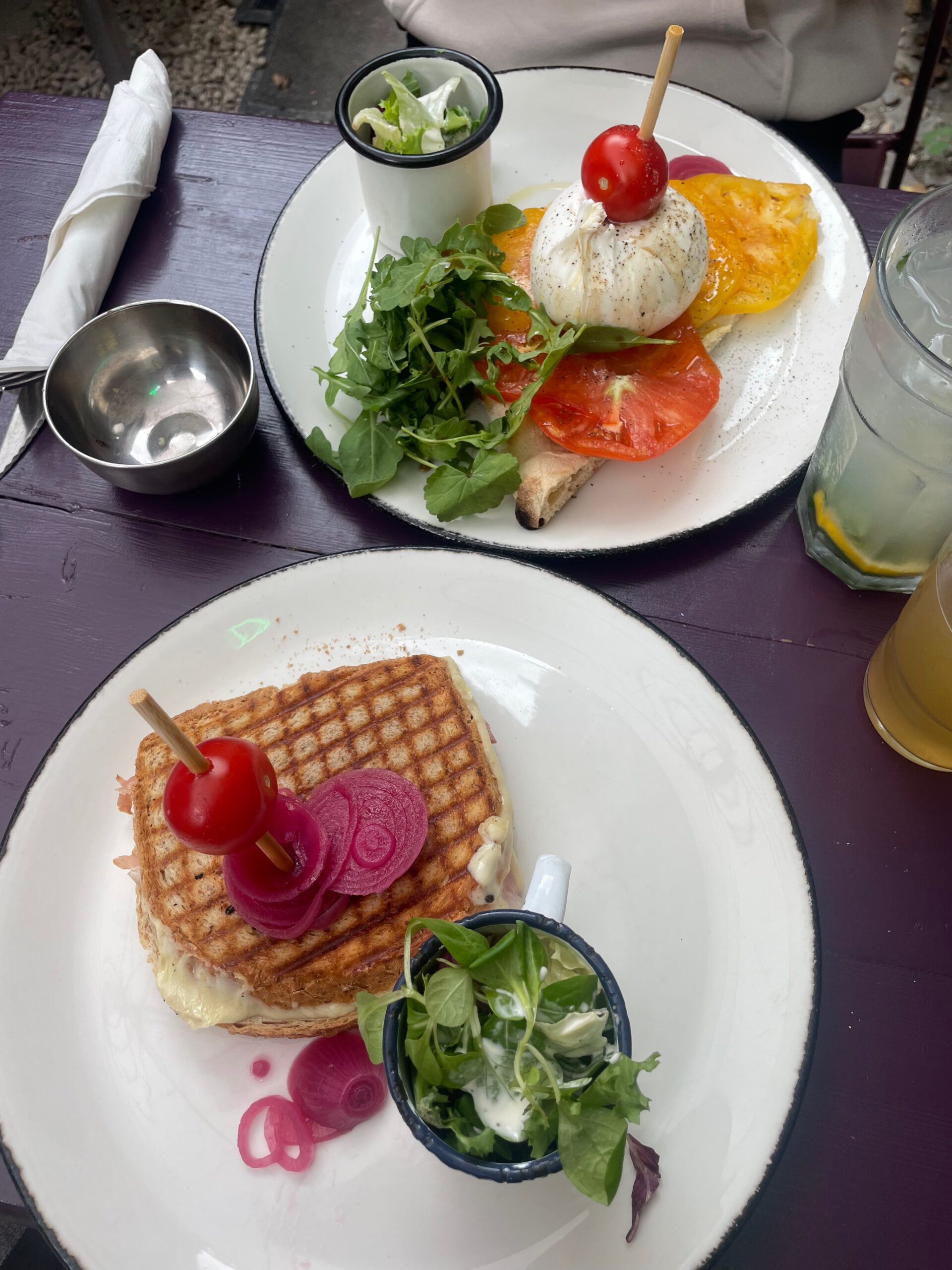
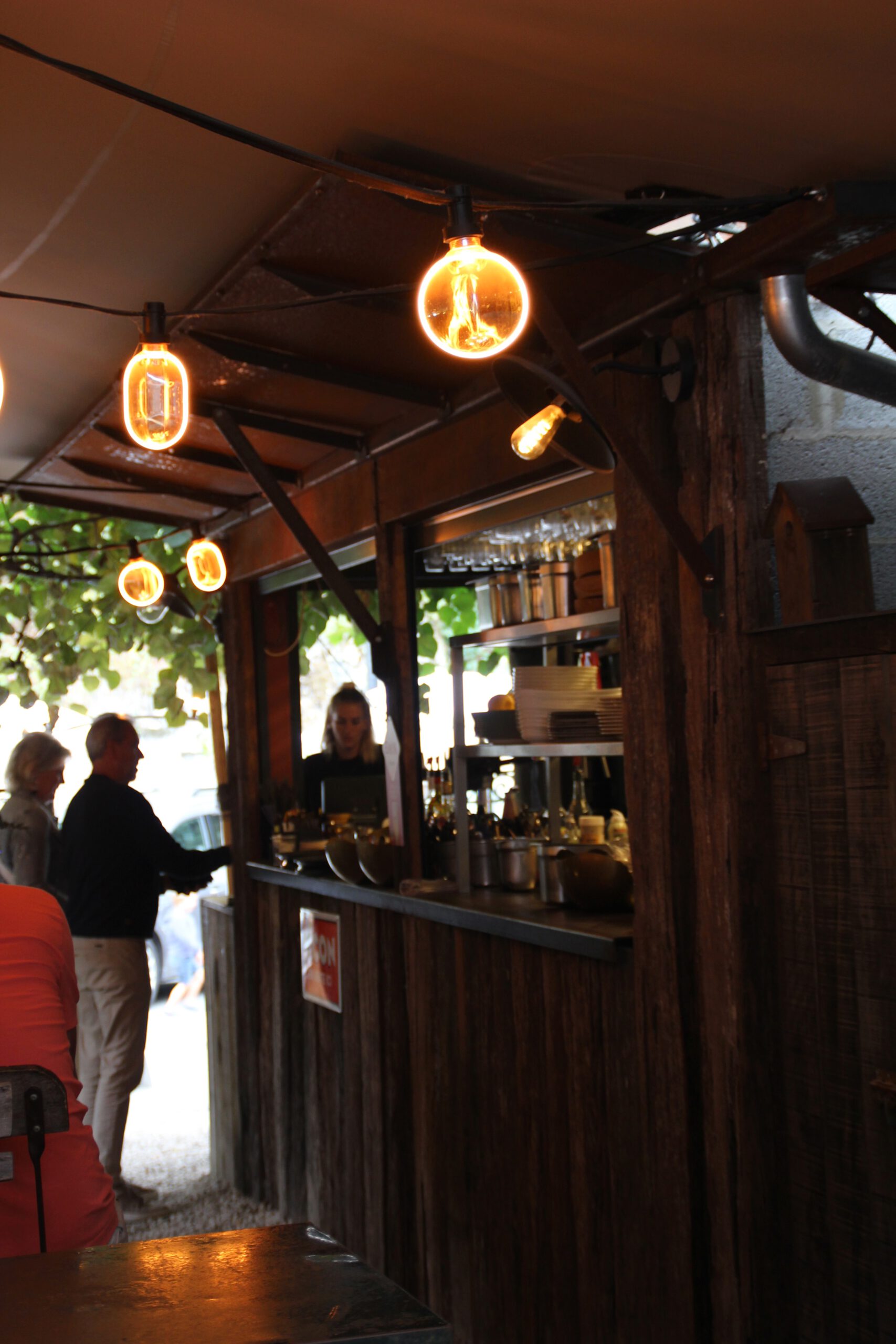
Luckily, Édouard Garden Café was open and offering lunch. Located at Rue des Récollectines 7, 6940 Durbuy, Belgium, this café became an unexpected highlight of our Durbuy travel experience.
The atmosphere was relaxed and welcoming. It felt like a place that fits naturally into the town rather than one built purely for visitors. Having lunch here anchored our visit and gave us time to simply sit and observe the rhythm of the town.
Small Local Shops and Regional Products
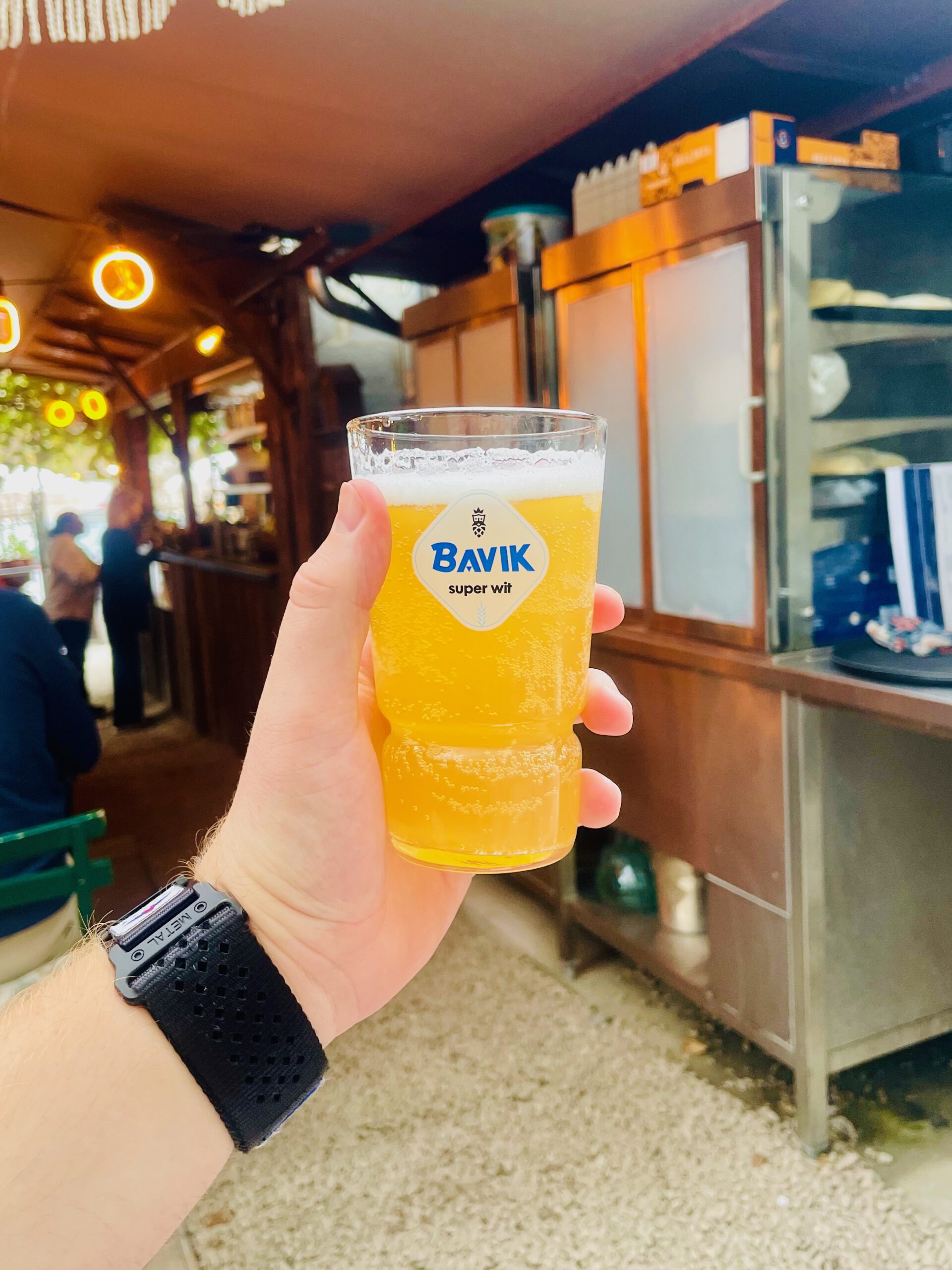
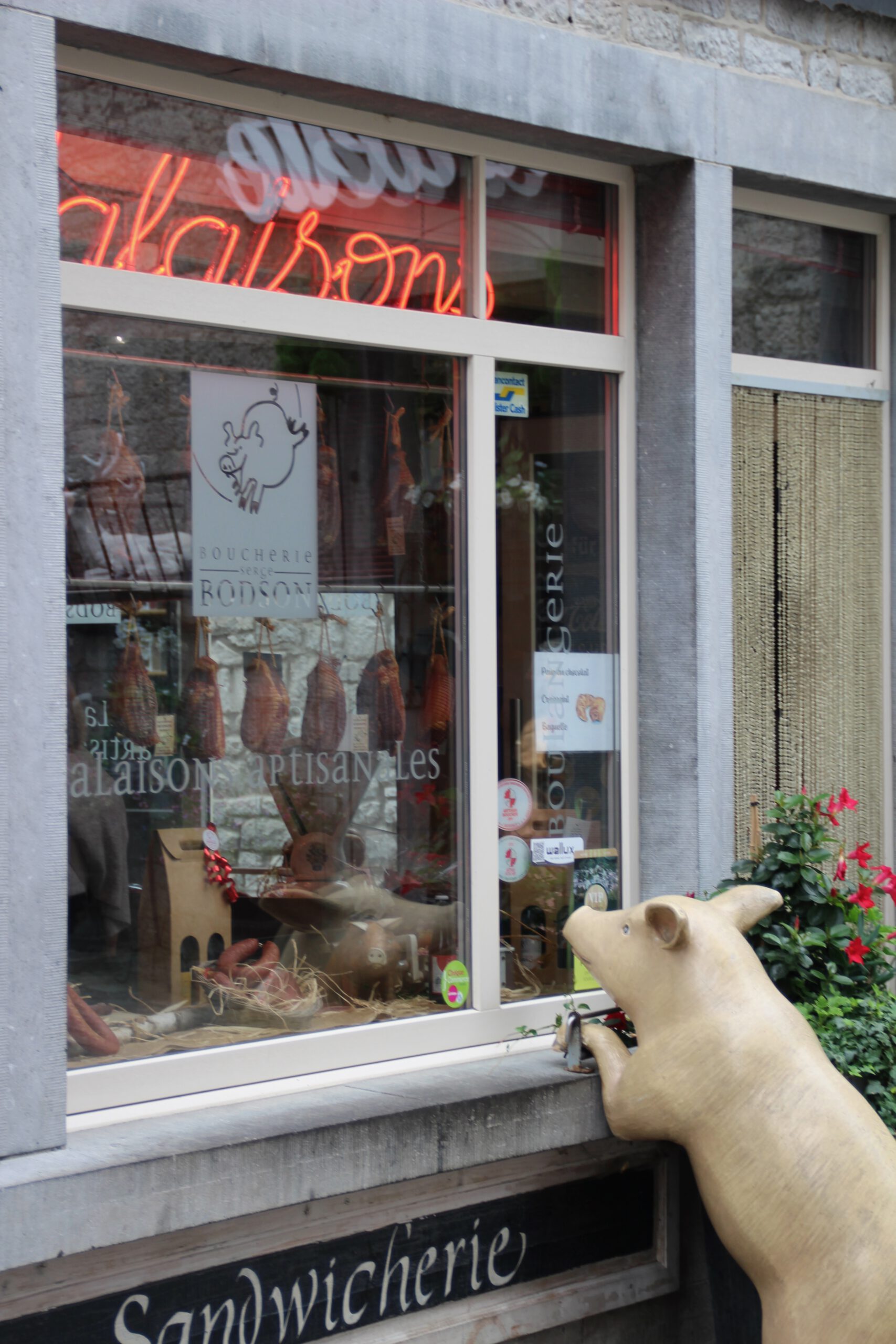
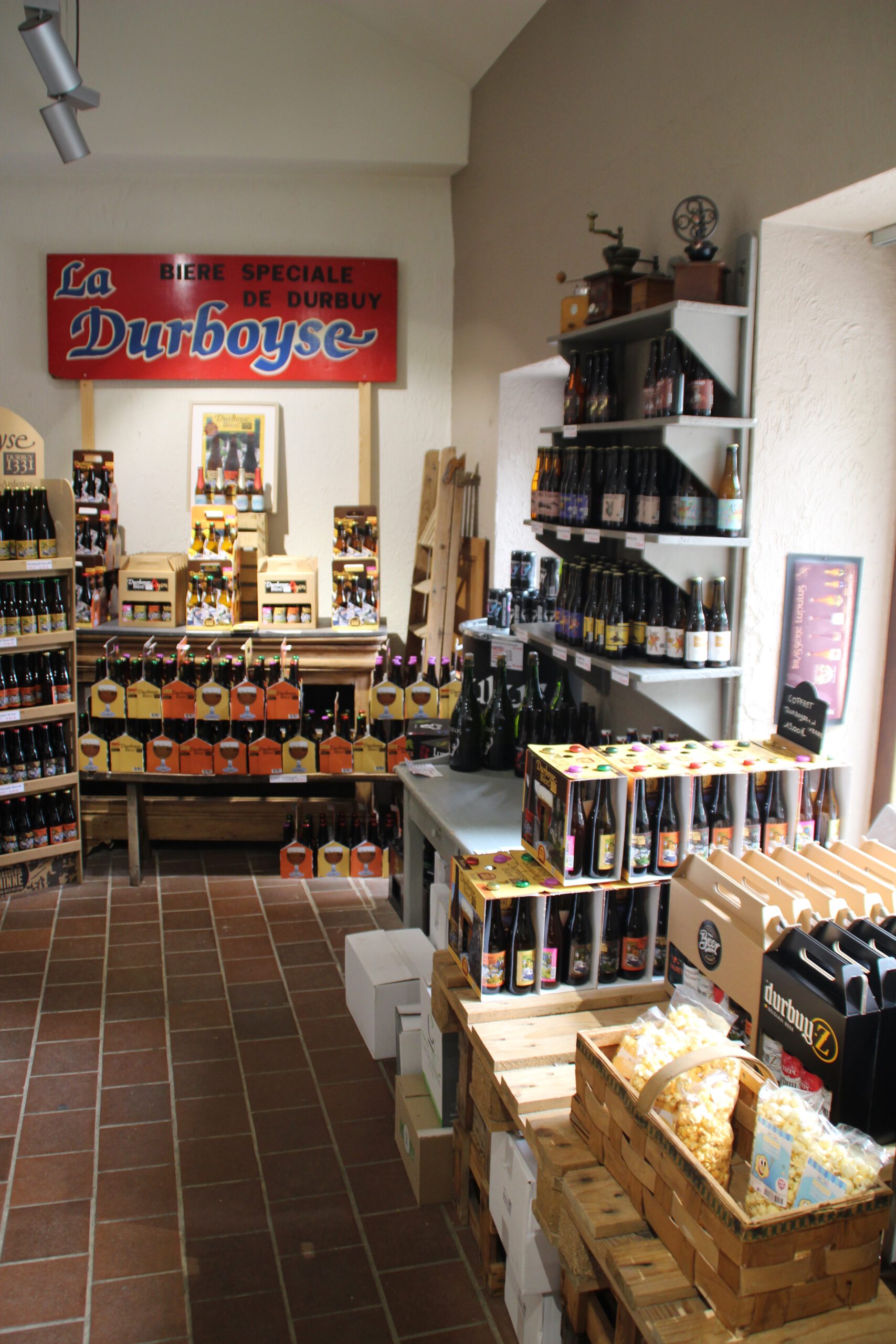
After lunch, we explored a few local shops and made a small purchase of regional beer. This is something Durbuy does particularly well. Local products are easy to find, and they feel authentic rather than mass produced.
Buying something local added a tangible memory to the visit. It also reflects how tourism in Durbuy is closely tied to regional identity and craftsmanship.
A Town Built on History and Geography
Durbuy lies along the river Ourthe and sits at the intersection of the Ardennes, Condroz, and Famenne regions. Historically, it became a city in 1331 and played an important role in commerce and defense. Today, tourism is its main activity, but the historical layers remain visible everywhere.
Walking through Durbuy feels different from larger tourist cities. The old walls, stone houses, and narrow streets were not designed for crowds. They were designed for daily life centuries ago, and that structure still shapes the experience today.
Leaving Durbuy and Heading to Aywaille
Eventually, we returned to the car, relaxed and satisfied, and continued on to our Airbnb in Aywaille. Visiting Durbuy before check in turned out to be the perfect start to our stay in the Ardennes.
This Durbuy travel experience was not about ticking off attractions. It was about timing, walking, observing, and letting the town show itself naturally. If you arrive early, walk slowly, and allow space for quiet moments, Durbuy offers far more than its small size suggests.